Trail Designs Caldera Cone.
Aluminum cone windscreen and pot-support system optimized for alcohol stoves. The cottage-engineered setup that makes alcohol stoves actually practical.
The Verdict.
Gavler Meta-Score
“The system that makes an alcohol stove worth carrying. The custom-cut cone is windscreen and pot stand in one, tuned to your exact pot so the flame sits at the perfect height — no priming, no fiddling. The catch is baked in: it fits one pot, so seasonal pot-swappers need multiple cones, and you accept 7 to 8 minute boils and no real simmer. For UL thru-hikers on trails where denatured alcohol is easy to resupply, it's close to perfect.”
The Gavler Verdict
The Gavler Review.
Trail Designs Caldera Cone Review: The System That Makes Alcohol Stoves Work
The Trail Designs Caldera Cone sits at number seven on our Best Backpacking Stoves list with an 8.8 — the second-highest score of any stove on the list — and it earns that ranking by solving a problem most alcohol stove owners don't realize they have until they've wasted a canister's worth of fuel to the wind. Buy it if you're an ultralight thru-hiker who wants maximum efficiency from denatured alcohol and doesn't mind committing to one pot. Skip it if you want fast boils, real simmer control, or the flexibility to swap cookware.
What it actually is
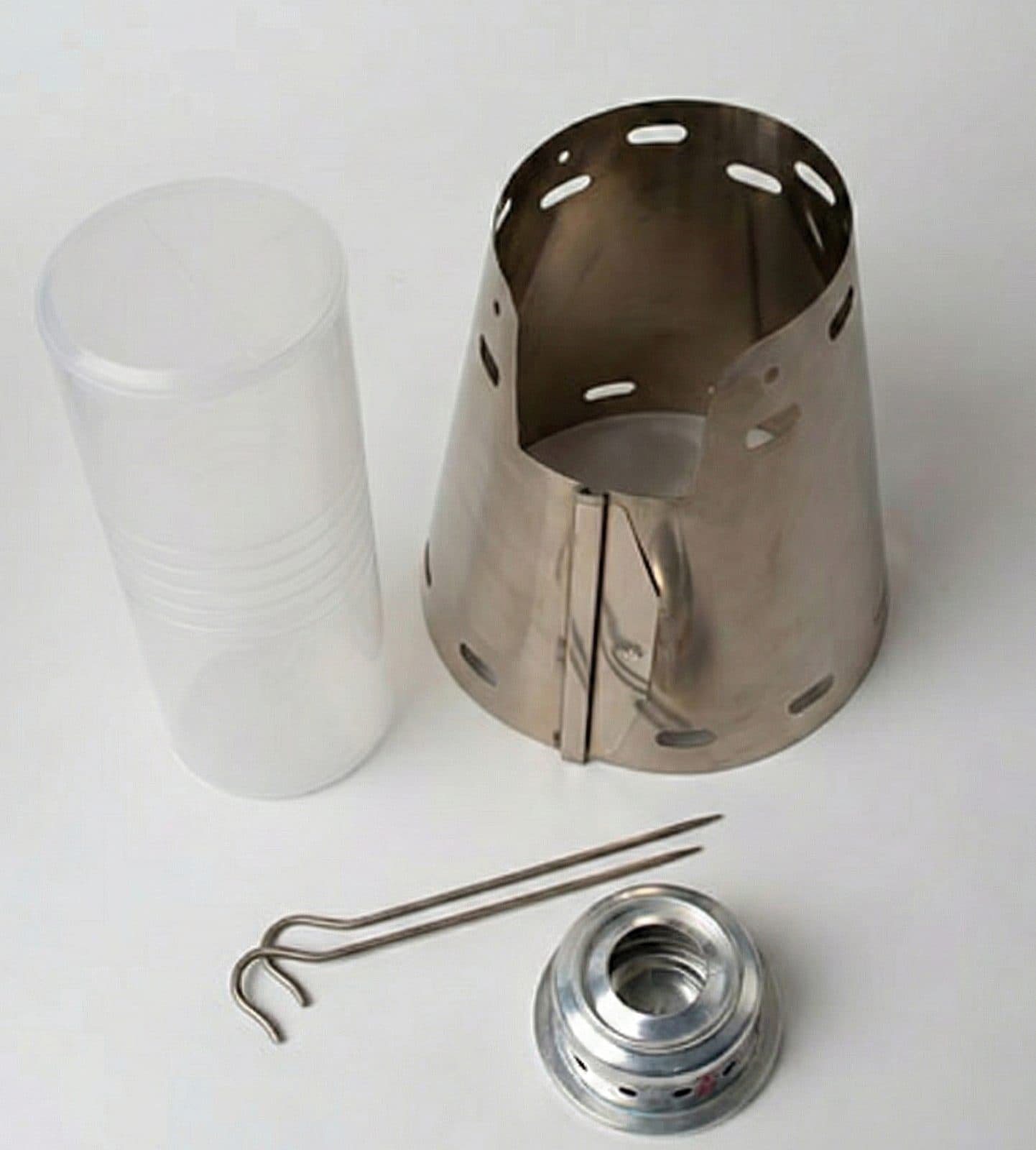
An alcohol stove on its own is, in Trail Designs' own framing, essentially a flame in the wind — cheap and simple, but wildly inefficient once any breeze shows up. The Caldera Cone turns that flame into an actual system: a custom-rolled aluminum cone that functions simultaneously as windscreen, pot stand, and heat chimney. Trail Designs cuts each cone to a specific pot model — a Toaks 550, a Snow Peak 700, and so on — so the alcohol burner sits at precisely the right height beneath it, and the enclosed shape channels rising heat up the sides of the pot instead of letting it scatter to the wind.
SectionHiker's Philip Werner, whose testing is the primary independent source on this stove, sums up the whole design philosophy in one line: it "positions the stove flame height perfectly" and eliminates the need to prime the stove in summer temperatures — a small but real annoyance with bare alcohol burners.
In use
The efficiency gains from the enclosed cone shape are the whole point, and they compound into two practical benefits: less fuel carried per trip, and a system that's genuinely durable. Werner's review is unambiguous about the build quality: "the Cone is robust enough to last for many backpacking trips if not years of use, unlike windscreens made out of softer materials." That durability matters more than it might sound — most improvised alcohol-stove windscreens are flimsy aluminum foil that crumples and tears within a season, while the Caldera Cone's rigid, purpose-rolled aluminum is built to be a permanent piece of kit.
On weight, a complete kit — cone, stove, and pot — lands around five to six ounces, which beats most canister stove systems once you account for the canister itself. That's the number that gets ultralight hikers' attention. But Werner's testing also surfaces the real trade-off of the custom-fit design, and it's worth taking at face value: "I'm not sure I want to buy different sized Cones for each of them and I would rather have a pot stand/wind screen system that is more general purpose." That's not a minor caveat — it means the Caldera Cone is genuinely a commitment to one pot, not a flexible piece of gear you can mix and match across a growing cookware collection.
Where it shines
- Unmatched wind efficiency. The enclosed cone design channels heat directly up the pot's sides, which is the mechanism behind both its fuel efficiency and its ability to skip priming in summer conditions.
- Genuine long-term durability. The rigid rolled aluminum construction holds up far better than the flimsy foil windscreens most bare alcohol stoves rely on.
- Competitive total system weight. At roughly 5 to 6 ounces for the full cone-stove-pot kit, it beats most canister systems on weight once fuel is accounted for.
The trade-offs — who should skip it
This is a specialized ultralight system, not a general-purpose backpacking stove, and the honest limitations are specific:
- You swap pot sizes or want flexibility. The cone is cut to one specific pot model. Hikers who change cookware by season or trip type will need to buy (and carry, if switching mid-trip) multiple cones.
- You want to actually cook, not just boil water. Like all alcohol stoves, the Caldera Cone can't truly simmer, so real cooking — as opposed to rehydrating dehydrated meals — is off the table.
- You want fast boils or hike where open flames are restricted. Expect roughly 7 to 8 minutes to boil half a liter of water in calm conditions, and remember alcohol stoves are banned outright under many fire restrictions where canister stoves remain legal.
How it compares
Its neighbors on the Best Backpacking Stoves list make the contrast clear. One rank up, the Jetboil MiniMo is a fully integrated canister system built for speed and real simmer control — boiling in a fraction of the Caldera Cone's time, at the cost of carrying pressurized canisters and more total system weight. One rank down, the Trangia Spirit Burner is a simpler, more general-purpose alcohol stove without the Caldera Cone's engineered windscreen — more flexible across different cookware, but without the fuel efficiency the custom-fit cone delivers.
The Caldera Cone's case against both is precise: it's the most fuel-efficient way to run an alcohol stove specifically, for hikers who've already decided alcohol is their fuel of choice and want the best possible system built around it.
The Gavler verdict
An 8.8, reflecting SectionHiker's praise of the Caldera Cone as "a very cleverly designed" system that genuinely solves the wind and efficiency problems that plague bare alcohol stoves, tempered by its single-pot fit, 7-to-8-minute boil times, and complete lack of simmer control. It's worth noting this score is sourced primarily to one outlet's testing — a second independent review would strengthen the case further. For ultralight thru-hikers on trails where denatured alcohol is easy to resupply, the Trail Designs Caldera Cone is about as close to a perfect system as alcohol stoves get.
Common Questions
For an ultralight thru-hiker willing to plan around alcohol stove limitations, yes. It ranks seventh on Gavler's Best Backpacking Stoves list with an 8.8, the second-highest score on the list, because it solves the two real problems with bare alcohol stoves — wind and heat loss — in one lightweight system. SectionHiker's Philip Werner calls it 'a very cleverly designed alcohol stove system.' The honest caveat: it's cut to a single pot, boils in 7 to 8 minutes, and can't truly simmer.
Yes, and that's the system's core limitation. Trail Designs rolls each cone to fit a specific pot model, like a Toaks 550 or Snow Peak 700, so the burner sits at exactly the right height. SectionHiker's own reviewer flagged this directly: 'I'm not sure I want to buy different sized Cones for each of them and I would rather have a pot stand/wind screen system that is more general purpose.' Hikers who swap pot sizes by season should budget for multiple cones.
It wins on total system weight. A complete Caldera Cone kit — cone, alcohol stove, and pot — runs around five to six ounces, lighter than most canister stove systems once you factor in the fuel canister itself. The trade-off is speed: canister stoves like the Jetboil MiniMo boil dramatically faster and can actually simmer, which the Caldera Cone cannot.
The Caldera Cone is the more refined, purpose-built system — its custom-cut cone acts as windscreen, pot stand, and heat chimney in one integrated unit, tuned to a specific pot. The Trangia burner is a simpler, more general-purpose alcohol stove on its own, without that integrated windscreen engineering. Hikers who want maximum efficiency from alcohol fuel and don't mind committing to one pot should choose the Caldera Cone; those who want more flexibility across different cookware setups may prefer the Trangia.
Where to Buy.
Prices checked regularly
90-day price history
Price History
Steady at $40.00 for the entire 90-day tracking window — no increases, no discounts, across 91 tracked days.
Tracked daily across retailers. Vote Want itabove and we’ll alert you the moment the price drops.
Some links are affiliate links — Gavler may earn a commission. This never affects rankings or scores. Learn more.
Precision Engineering
Custom-Cut to One Pot
Each cone is rolled to a specific pot model, positioning the burner at the ideal height — SectionHiker found it 'positions the stove flame height perfectly.'
About 1.6 oz Cone
The aluminum cone alone weighs under two ounces; a full cone-plus-stove-plus-pot kit lands around 5 to 6 oz, lighter than any canister system with fuel.
Windscreen + Pot Stand in One
The cone encloses the pot and blocks wind from every direction, eliminating priming in summer temps and the need for a separate, flimsier windscreen.
Technical Specifications
The Scoreboard
SectionHiker's Philip Werner praises the Caldera Cone as a 'very cleverly designed' system that solves the wind and efficiency problems of bare alcohol stoves. Editorial deductions reflect its single-pot fit, 7 to 8 minute boils, no true simmer, and alcohol-stove fire-ban restrictions. (Sourced to a single outlet; a second independent test would strengthen this entry.)
Cast Your Vote
Do you think Trail Designs Caldera Cone deserves the #7 spot in Best Backpacking Stoves?
Global Critique
“The Caldera Cone is a very cleverly designed alcohol stove system.”
“The Caldera Cone is a great pot stand and wind screen. It positions the stove flame height perfectly with the titanium Snow Peak pot I was using and eliminates the need to do any priming (in summer temperatures).”
“The Cone is robust enough to last for many backpacking trips if not years of use, unlike windscreens made out of softer materials.”
“I'm not sure I want to buy different sized Cones for each of them and I would rather have a pot stand/wind screen system that is more general purpose.”
More from Best Backpacking Stoves.
See how other top picks compare in this category.
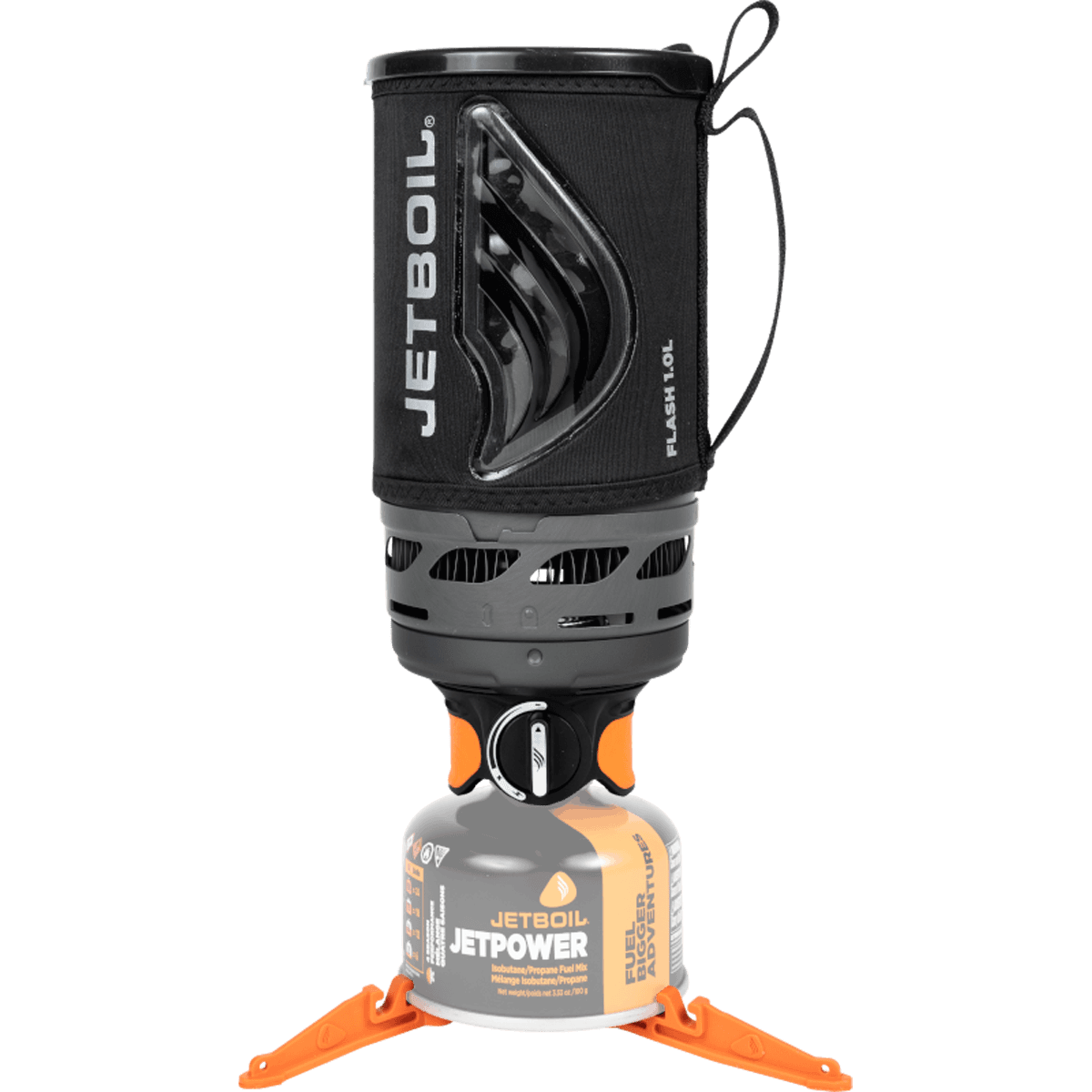
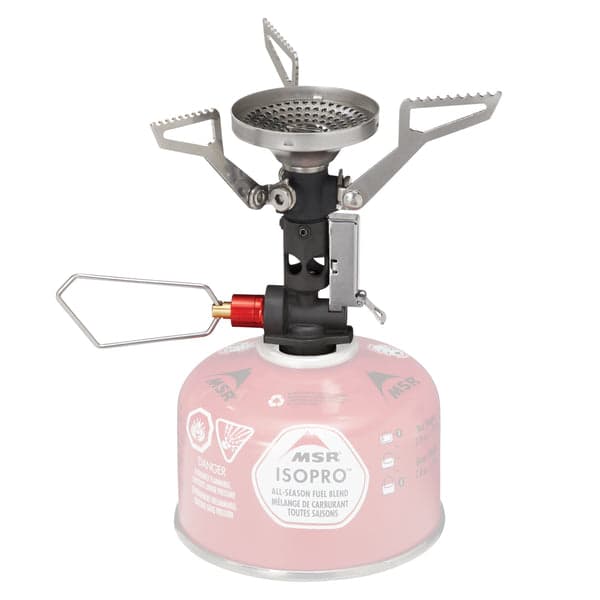
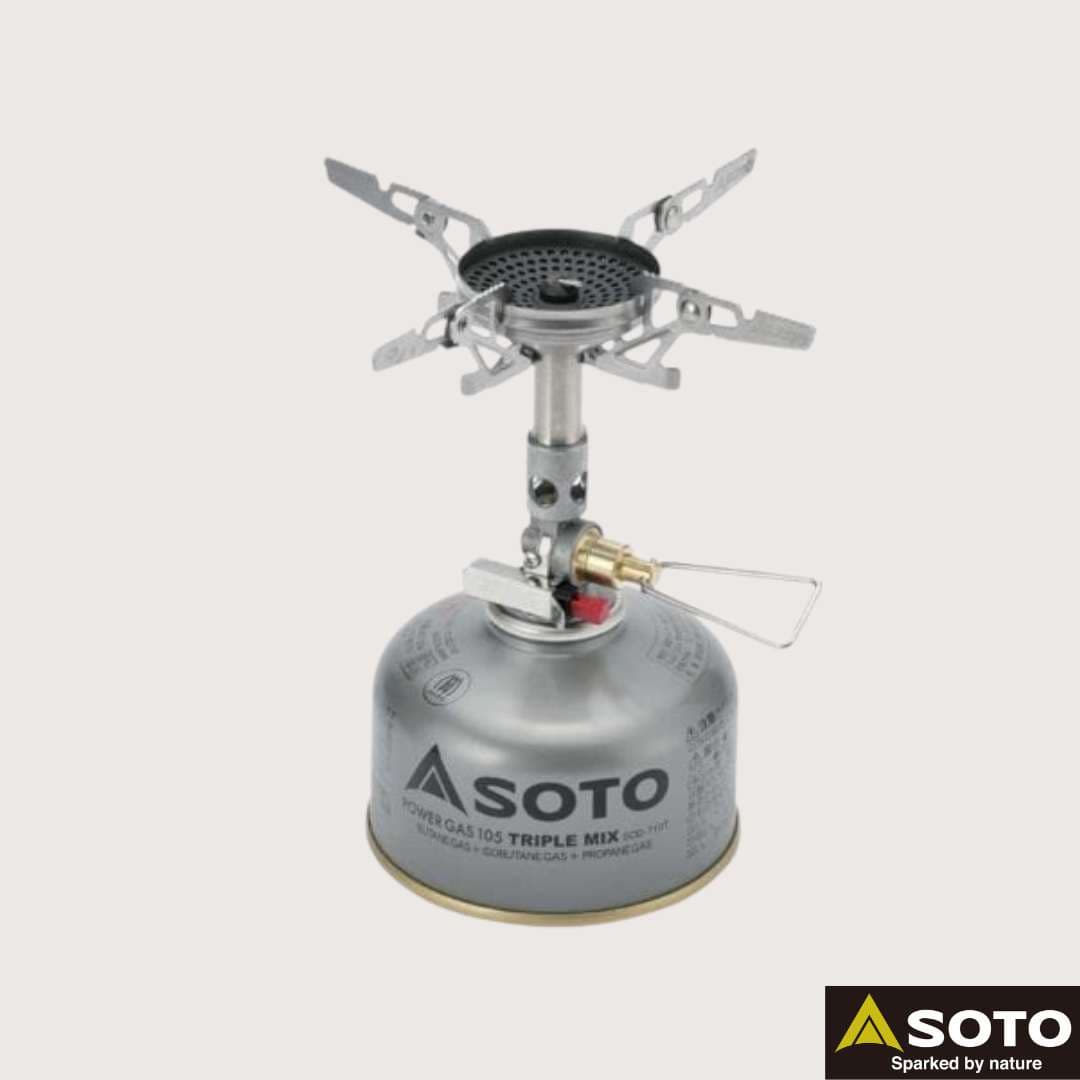
A Nested FluxRing Boil, a Standalone Canister, or Fuel Without a Canister?
A 100-second hangtag is the wrong first question. Nested FluxRing, standalone canister, or fuel without a canister is the stove. Then shop Gavler's ranking.
The Best Backpacking Stoves in 2026, Ranked by the Hikers Who Cook on Them
Jetboil, MSR, Soto, BRS, Trangia. Gavler's thru-hikers rank the stoves worth carrying in 2026 — by boil time, wind resistance, weight, and fuel reality.