Snow Peak LiteMax.
1.9 oz titanium canister stove with auto-ignition. Premium Japanese engineering for the ultralight backpacker who wants piezo ignition without carrying a lighter.

The Verdict.
Gavler Meta-Score
“The featherweight that trades away everything else. At 1.9 oz of titanium it's among the lightest canister stoves made — but the 'auto-ignition' sometimes claimed for it is a myth: like the BRS 3000T, there's no piezo, so bring a lighter. A narrow burner and near-zero wind resistance mean it only performs with a windbreak and pots of a liter or smaller. For weight-obsessed solo hikers with a calm forecast, nothing packs smaller.”
The Gavler Verdict
The Gavler Review.
Snow Peak LiteMax Review: 1.9 Ounces, and No Piezo Igniter Myth
The Snow Peak LiteMax ranks ninth on our Best Backpacking Stoves list with an 8.4, and it makes exactly one promise: weight. At $45, OutdoorGearLab — not an outlet prone to marketing language — confirmed the stove's own billing directly, writing that here the words "ultralight" and "superlight" "are accurate."
What it actually is
At 1.9 ounces (53 g) of titanium, the LiteMax is among the very lightest canister stoves sold anywhere. Folding pot supports and a wire valve control collapse the whole thing to an almost two-dimensional shape that vanishes inside a one-liter pot — there's essentially no stove-shaped space it takes up in a pack once folded.
OutdoorGearLab's summary captures the trade precisely: "The Snow Peak LiteMax Titanium is an impressively light and compact small canister stove. That being said, it's light on features as well as weight." Every gram Snow Peak shaved off came from somewhere, and this is a stove built entirely around that one number.
In use
The most important thing to know before buying is something a lot of shoppers get wrong. Despite what some retail copy implies, the LiteMax has no piezo igniter — OutdoorGearLab is unambiguous: "It doesn't have a piezoelectric igniter, something that's becoming standard on many styles of stoves." Plan to carry a lighter or matches, exactly as you would with a bare-bones budget stove, even though this one costs more than double the price of the cheapest option on this list.
In calm conditions, it performs well: OGL measured a 5 minute 6 second boil for a liter with no wind, on 0.7 ounces of fuel per liter — competitive numbers for the weight class. Wind is where the trade-off becomes unavoidable. OGL ran the LiteMax through a 2 to 4 mph fan test, and it burned through more fuel and never reached a boil at all. Their conclusion is direct: "You should only use this stove when shelter from the wind is available." The narrow burner head also focuses heat tightly in the center of a pot, which makes it a poor match for anything larger than a liter or the smallest skillet.
Strengths
- Genuinely, verifiably among the lightest canister stoves made. OutdoorGearLab's confirmation that "ultralight" and "superlight" apply accurately here isn't a small thing from a lab that tests dozens of stoves.
- Folds nearly flat, thanks to folding pot supports and a compact wire valve — it disappears inside a pot in a way bulkier stoves can't match.
- Fast, efficient boils in calm air — 5:06 for a liter on just 0.7 oz of fuel, solid numbers even before accounting for the featherweight build.
- Titanium construction that resists dents and corrosion better than the aluminum used in some competing ultralight stoves.
The trade-offs — who should skip it
OutdoorGearLab's overall lab score — 51 out of 100 — tells the real story: this is a stove that wins on one dimension and gives up ground everywhere else to do it. No piezo igniter means a lighter is mandatory gear, not optional backup. The narrow burner limits it to smaller pots and simple boil-and-pour cooking. And the total lack of wind resistance is the biggest limitation of all — OGL's fan test result (no boil at all) means this stove is genuinely unusable in anything but calm, sheltered conditions unless paired with a separate windscreen.
OutdoorGearLab sums up the target buyer plainly: "This stove is suited for spartan solo backpackers on short trips with a favorable weather forecast." Anyone hiking in a group, cooking real meals, or facing unpredictable weather should look elsewhere on this list.
Who should actually buy this
The LiteMax is built for a narrow but real audience: ultralight thru-hikers optimizing every gram on a long trail, fastpackers who need minimum pack weight for a fast overnight, and anyone who has already committed to a windscreen or a sheltered camping style and just needs the lightest stove that will boil water in those conditions. For that hiker, an extra dollar of fuel efficiency or half an ounce of stove weight genuinely matters over hundreds of trail miles.
It's the wrong pick for a beginner backpacker who wants one stove that just works regardless of conditions, or for anyone who cooks in exposed alpine terrain, above treeline, or in unpredictable coastal weather where a stove that fails in a light breeze becomes a real problem rather than a minor inconvenience.
How it compares
One rank up, the Trangia Spirit Burner trades the LiteMax's speed and minimal weight for something the LiteMax can't offer at any price: total reliability regardless of wind, fuel availability, or weather, at the cost of a slower boil and reusable liquid fuel instead of a canister.
One rank down, the Esbit Pocket Stove pushes the minimalist philosophy even further — a folding solid-fuel stove that weighs even less than the LiteMax's canister-plus-burner system, for hikers who've decided that boiling water, and nothing else, is the only requirement.
The Gavler verdict
An 8.4, with an 82 expert consensus that reflects a stove doing exactly one job extremely well. OutdoorGearLab's own numbers make the trade-off explicit: a genuinely ultralight, efficient stove in calm conditions, and a stove that simply doesn't function once wind enters the picture. Buy the LiteMax if you're a gram-counting solo hiker heading out in stable weather with a windbreak available. If your trips involve exposed campsites, unpredictable forecasts, or cooking for more than yourself, spend the extra ounce or two on a stove built to handle wind.
Common Questions
Yes, for one specific hiker: someone who counts every gram and hikes with a favorable forecast. It ranks ninth on Gavler's Best Backpacking Stoves list with an 8.4, and OutdoorGearLab confirms it's genuinely among the lightest canister stoves made at 1.9 ounces of titanium.
No, and this is worth knowing before you buy — some retail listings imply otherwise. OutdoorGearLab is explicit: 'It doesn't have a piezoelectric igniter, something that's becoming standard on many styles of stoves.' Bring a lighter or matches.
Poorly, by design — the trade-off for its extreme weight savings. OutdoorGearLab tested it in a 2 to 4 mph fan and it never reached a boil at all, leading to their direct recommendation: 'You should only use this stove when shelter from the wind is available.'
The LiteMax (this stove) boils meaningfully faster in calm conditions and weighs a fraction of the Trangia's burner weight, but needs shelter from wind and depends on canister gas. The Trangia Spirit Burner (rank 8 on this list) is slower but far more wind-tolerant with a windscreen and burns reusable liquid fuel. Choose the LiteMax for speed and minimum weight in good weather; choose the Trangia for reliability regardless of conditions.
Where to Buy.
Prices checked regularly
90-day price history
Price History
Steady at $44.95 for the entire 90-day tracking window — no increases, no discounts, across 91 tracked days.
Tracked daily across retailers. Vote Want itabove and we’ll alert you the moment the price drops.
Some links are affiliate links — Gavler may earn a commission. This never affects rankings or scores. Learn more.
Precision Engineering
1.9 oz Titanium
One of the lightest canister stoves made at 53 g — OutdoorGearLab confirms the 'ultralight' and 'superlight' labels 'are accurate.'
Folds Nearly Flat
Folding pot supports and a wire valve control collapse to an almost two-dimensional shape that disappears inside a 1 L pot.
No Igniter — Bring a Lighter
Contrary to a common claim, the LiteMax has no piezo; it sheds the feature to save weight, so a match or lighter is required.
Technical Specifications
The Scoreboard
OutdoorGearLab scores the LiteMax 51/100 — a genuine ultralight standout (1.9 oz) that gives up almost everything else. Deducted heavily for boil time (5 min 06 sec for a liter in calm air, and no boil at all in a 2 to 4 mph fan test), no piezo igniter, and a narrow burner that struggles with pots over a liter. A weight-first pick, not an all-arounder.
Cast Your Vote
Do you think Snow Peak LiteMax deserves the #9 spot in Best Backpacking Stoves?
Global Critique
“The Snow Peak LiteMax Titanium is an impressively light and compact small canister stove. That being said, it's light on features as well as weight.”
“It doesn't have a piezoelectric igniter, something that's becoming standard on many styles of stoves.”
“You should only use this stove when shelter from the wind is available.”
“This stove is suited for spartan solo backpackers on short trips with a favorable weather forecast.”
More from Best Backpacking Stoves.
See how other top picks compare in this category.
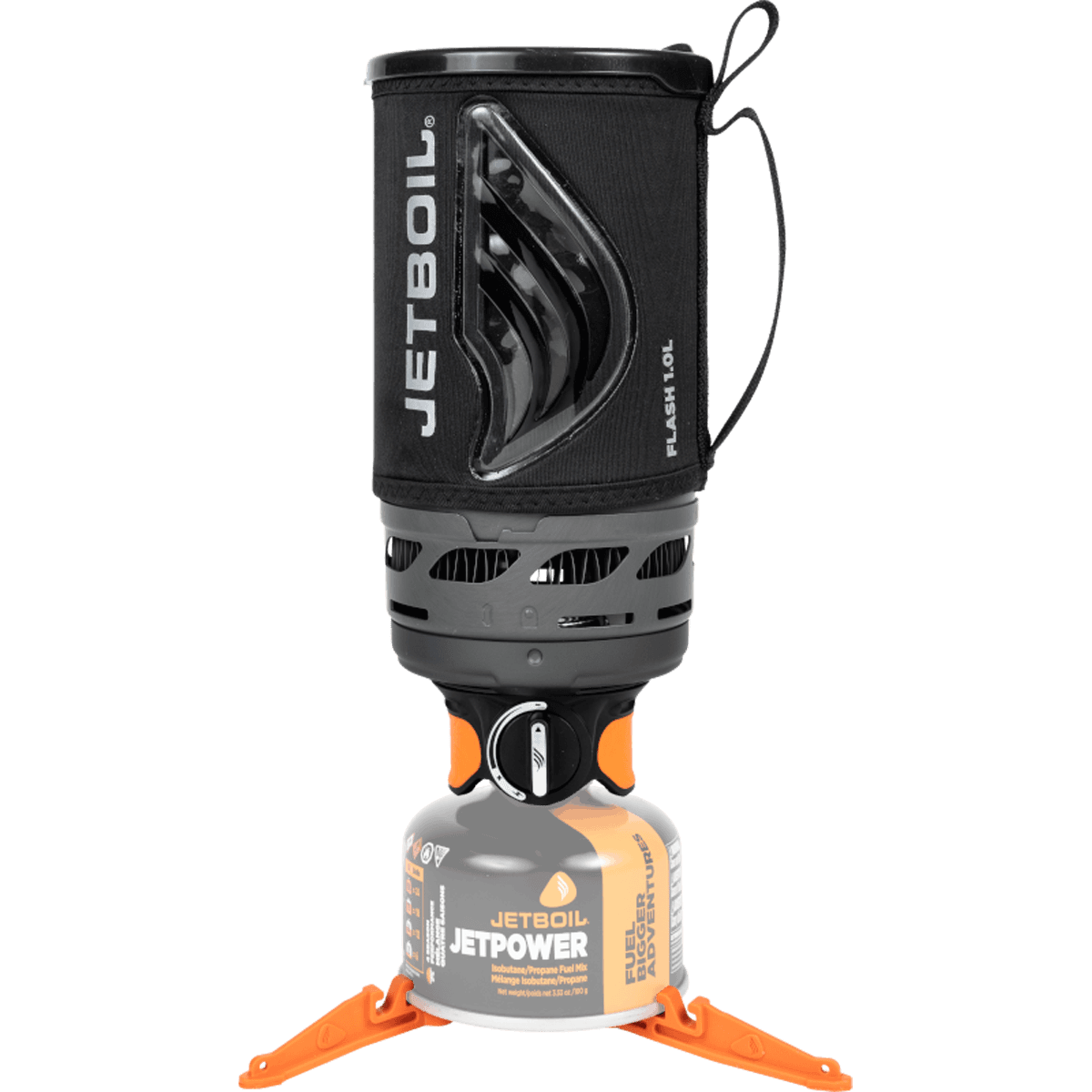
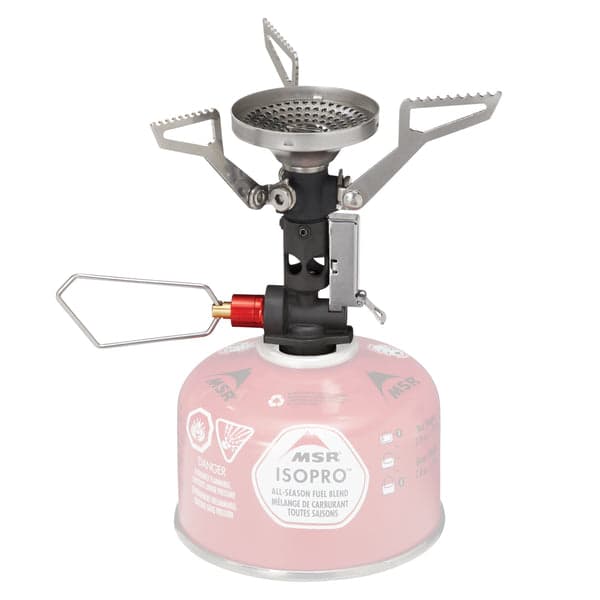
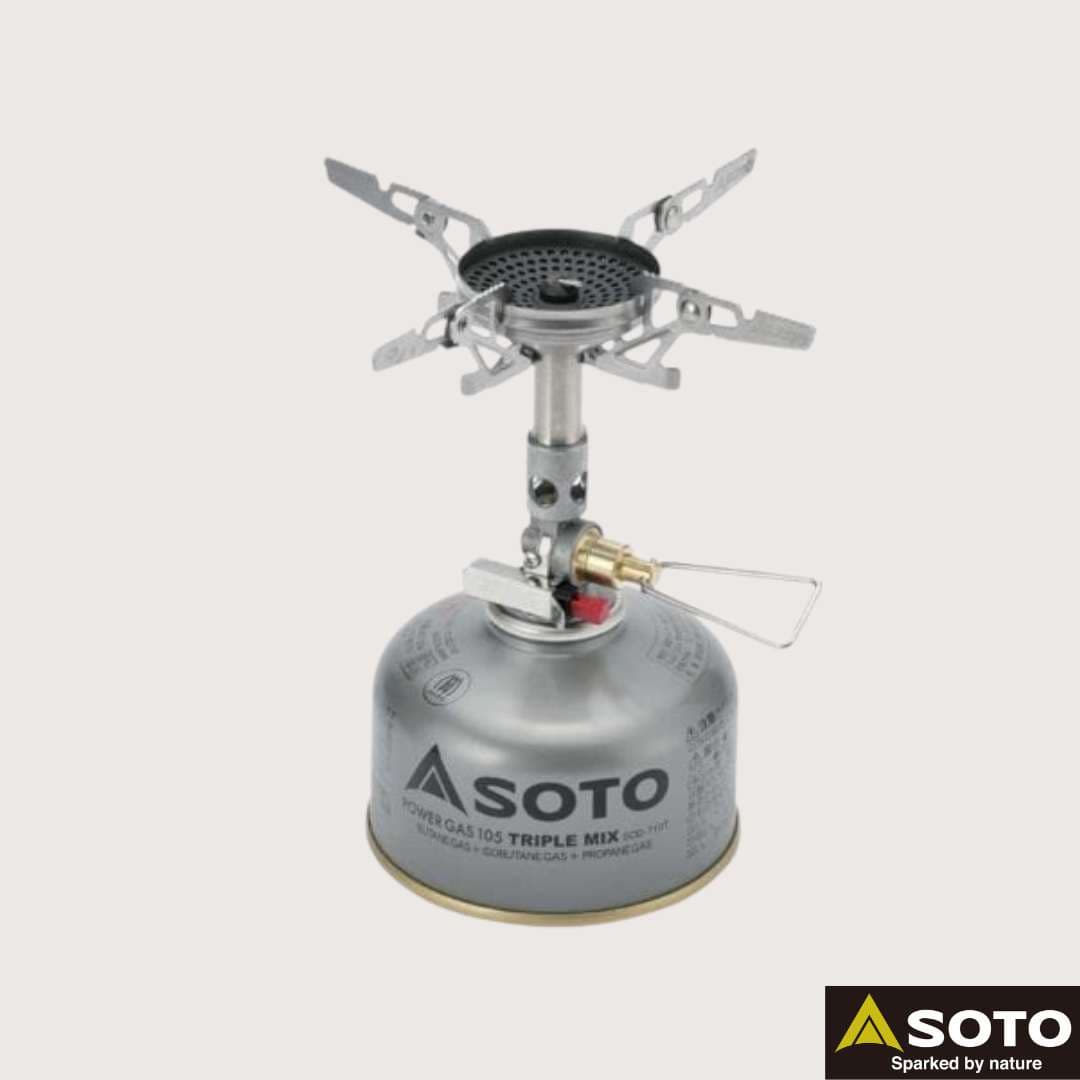
A Nested FluxRing Boil, a Standalone Canister, or Fuel Without a Canister?
A 100-second hangtag is the wrong first question. Nested FluxRing, standalone canister, or fuel without a canister is the stove. Then shop Gavler's ranking.
The Best Backpacking Stoves in 2026, Ranked by the Hikers Who Cook on Them
Jetboil, MSR, Soto, BRS, Trangia. Gavler's thru-hikers rank the stoves worth carrying in 2026 — by boil time, wind resistance, weight, and fuel reality.