Topping DX5.
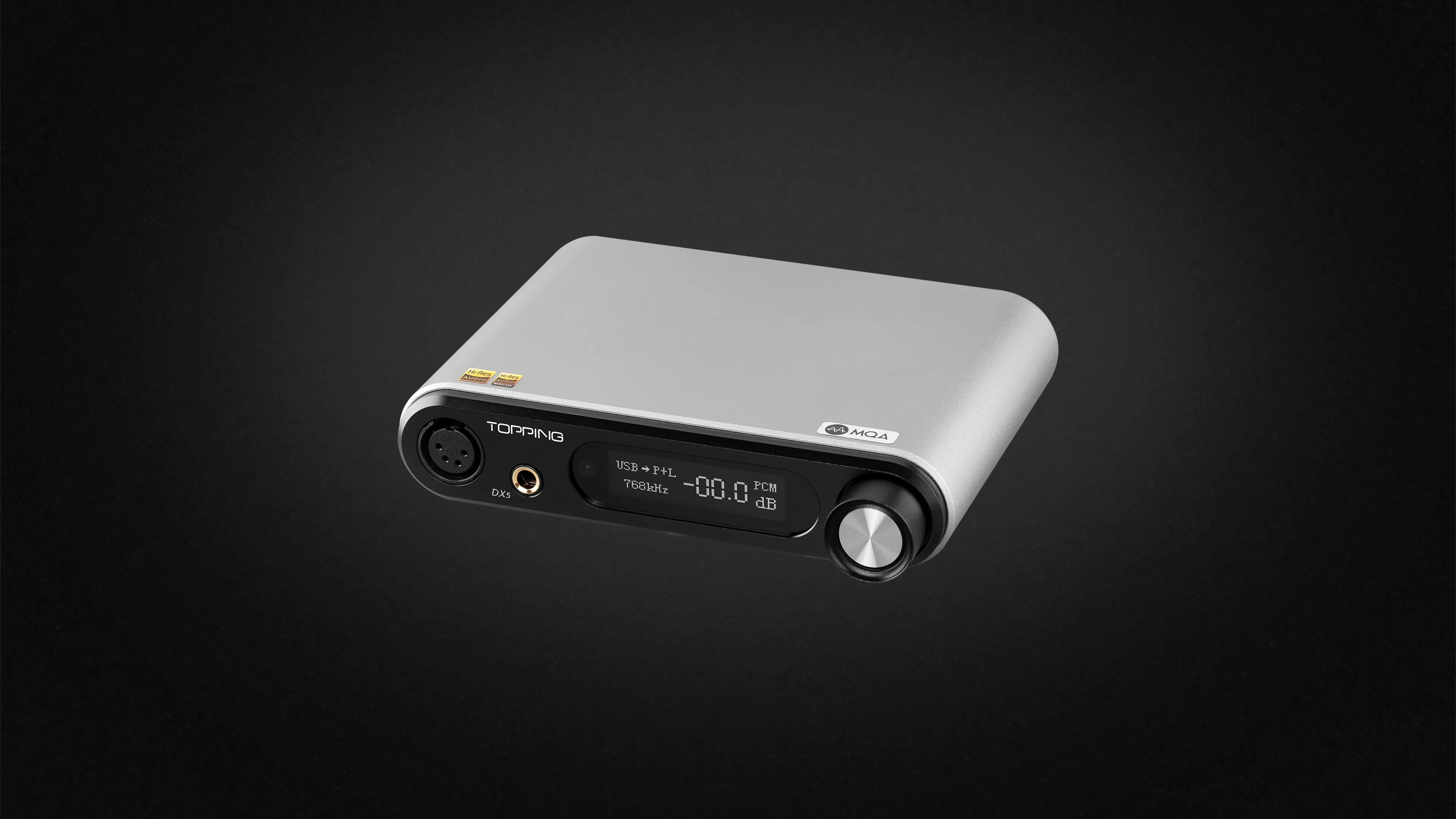
Topping's DX5 combines dual ESS ES9068AS DACs with NFCA headphone amplification and Bluetooth 5.1 in a sleek all-in-one unit.
The Verdict.
Gavler Meta-Score
“The DX5 is the refined single-box solution for audiophiles who do not want to build a stack. Dual-ES9068AS measurements, NFCA amplification, Bluetooth, and a remote in one elegant enclosure — no cable management, no multiple power supplies. The trade-off to know: the front XLR headphone jack shares the single-ended signal path rather than running truly balanced, so this is a convenience-and-clarity play, not a power monster.”
The Gavler Verdict
The Gavler Review.
Topping DX5 Review: The All-in-One Desktop DAC That Almost Makes Stacking Obsolete
The Topping DX5 ranks number 4 on Gavler's Best Headphone Amps & DACs list with a 9.2, and it earns that spot by solving a problem most audiophile gear ignores: nobody actually wants a desk covered in separate boxes, cables, and power bricks. This is the DAC/amp for listeners who want reference-level measurements and real-world convenience — a remote control, Bluetooth streaming, and an OLED display — in one enclosure, not the listener chasing maximum raw power for the most demanding planar headphones. Headfonics captured the trade-off precisely: "with an uncompromising value proposition, the performance of the DX5 translates well from numbers printed on a piece of paper to audible bliss if what you're after is neutrality with a slightly bright inclination." The catch worth knowing up front — the front-panel 4-pin XLR headphone jack is a convenience connector, not a true balanced output.
What it is
The DX5 sits in the middle of Topping's all-in-one lineup, positioned above the DX3 Pro+ and below the DX7 Pro, and its job is to be the single box that replaces a DAC, a headphone amp, a preamp, and a Bluetooth receiver. Two ESS ES9068AS DAC chips — one per channel — handle digital conversion with full MQA decoding on every wired input, while Topping's NFCA (Nested Feedback Composite Amplifier) circuit drives the headphone outputs. The measured result is extreme: THD+N of just 0.00009%, a figure that places the DX5 among the cleanest-measuring DACs Audio Science Review has tested at any price. Headfonics' technical breakdown confirmed the spec sheet: "having one ESS ES9068AS per channel and a second-generation 16 core XMOS XU216, this device boasts a THD+N of only 0.00009% with full MQA decoding that is available in all digital inputs except Bluetooth."
Beyond the numbers, the DX5 is built around genuine desktop convenience. A full-function remote handles volume, input switching, and display brightness from across the room. A built-in QCC5125 Bluetooth 5.1 receiver adds LDAC, AAC, and SBC wireless streaming, so a phone or laptop can pair in seconds without a separate dongle. The machined aluminum chassis weighs in at roughly 735 grams and comes in black or a two-tone gunmetal-and-black finish that Headfonics described as looking "a lot more handsome in-person having a darker shade of gray than in pictures."
In use
Sound-wise, the DX5 lands closer to neutral-with-an-edge than warm or soft. Headfonia's review noted the DX5 "translates well from numbers printed on a piece of paper to audible bliss," while Headfonia's companion outlet, Headfonics, described the DAC/amp combination in more granular terms: "detail retrieval of distant drum rolls is well encapsulated without much blurring and placed with above-average accuracy," and the low end carries "enough energy... to send deep basslines through busier passages carrying controlled dispersion and attack." Headfonics' broader technical verdict was that the DX5's "dynamics and soundstage... are excellent and respond well to the recording although still lack the refinement to beat higher-end competitions" — a fair assessment for a $299–$449 all-in-one competing against dedicated multi-box stacks costing considerably more.
Two real caveats surface in hands-on testing rather than the spec sheet. First, the front 4-pin XLR jack: Headfonics measured it directly and found "it is a shame that the 4-pin XLR for headphones is more of a convenience feature, since it is using the same single-ended signal as the 6.3mm out." If you were buying the DX5 expecting a genuine balanced power boost from that connector, that expectation needs resetting. Second, MQA playback over USB showed instability on a MacBook in Headfonics' testing: "when plugged directly into my MacBook via USB, the unfolding process fails to stably show the original master sample rate and instead stutters back and forth to compressed quality," and a firmware update from Topping didn't resolve it — though routing through an external USB bridge did.
Strengths
The measurement performance alone is the headline: a THD+N figure that competes with equipment costing multiples of the DX5's price, verified independently by the measurement-focused community at Audio Science Review. The all-in-one convenience is real and not just marketing — the remote control, OLED display, and Bluetooth receiver genuinely eliminate the cable management and multiple power supplies that a stacked DAC-plus-amp setup requires. The NFCA amplifier delivers 1.8W per channel into 32 ohms, enough for the vast majority of dynamic and easy-to-drive planar headphones, and the near-zero output impedance on both the XLR and 6.3mm jacks means it plays cleanly with sensitive in-ear monitors too — Headfonics' testing found "no hissing with sensitive IEMs so you're alone with your music and the black background."
The trade-offs — who should skip it
Skip the DX5 if raw headphone-driving power is the priority. At 1.8W into 32 ohms, it comfortably handles most headphones but won't satisfy owners of the most current-hungry planar magnetics the way a dedicated high-power amp will. Skip it, too, if a genuinely balanced front output matters to your workflow — the 4-pin XLR's single-ended signal path is a real limitation, not a rumor. And if MQA playback over USB on a Mac is central to your listening habits, test before you commit or plan to route through an external USB bridge, since Headfonics' own unit showed unresolved stutter even after a firmware update.
How it compares
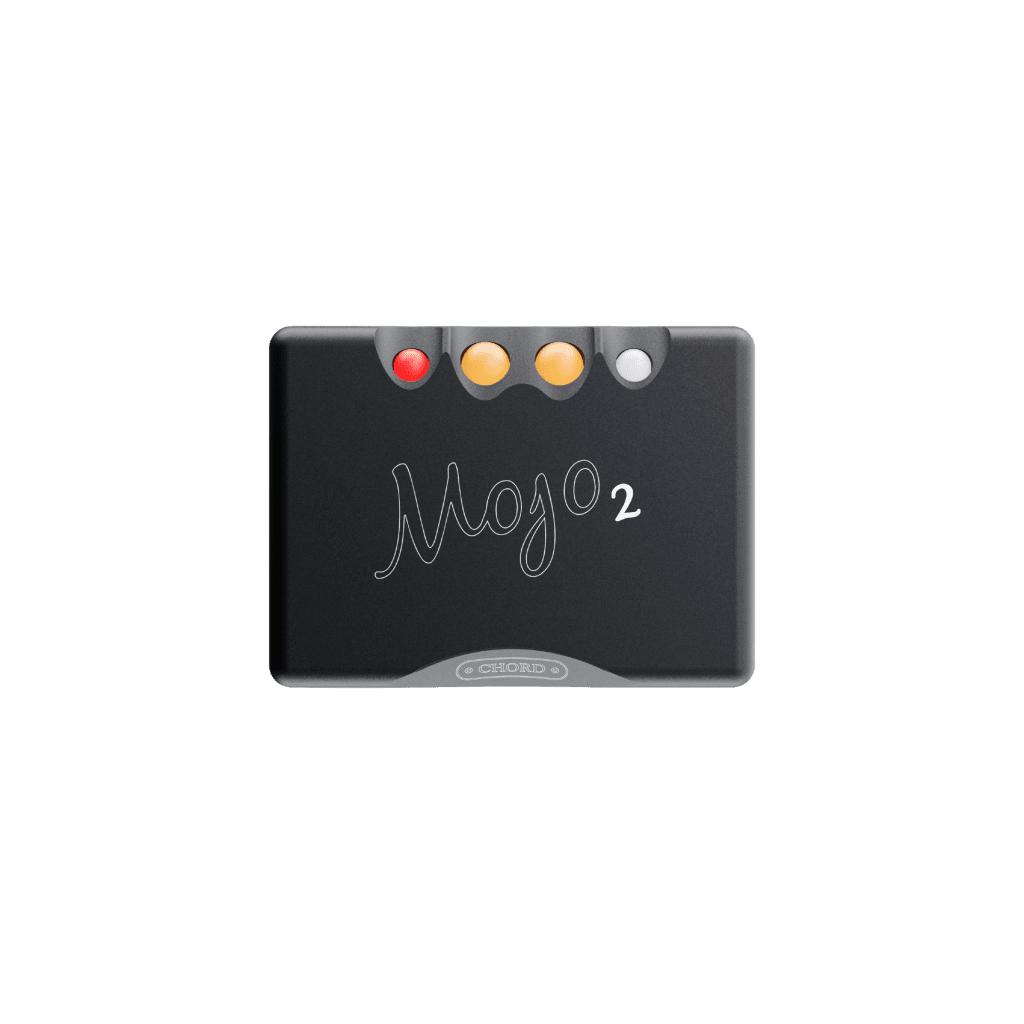
Against the Chord Mojo 2, the comparison is architecture versus convenience. Chord's custom FPGA DAC processes a 104-tap filter for what its designer argues is superior timing accuracy — a genuinely different, more expensive ($675) approach aimed at portable use and audiophiles who prioritize a distinctive sound signature over desktop convenience. The DX5 is the more practical desktop tool: cheaper, all-in-one, and just as capable for critical listening at a desk. Against the FiiO K7, both chase reference-level measurements, but the K7's dual AK4493S DACs and THX AAA-788+ amplification skip the remote, Bluetooth, and OLED display in favor of a lower $199 price — a fair trade if you don't need the DX5's convenience features and just want transparent, measured performance.
The Gavler verdict
The Topping DX5 earns its 9.2 by being the rare all-in-one that doesn't feel like a compromise — reference-grade measurements, genuine desktop convenience, and a design that looks the part, all in one box. It is not the amp for planar-magnetic power users or anyone who needs a truly balanced front output, but for listeners who want one elegant device instead of a stack, it remains one of the smartest single-box buys in the category.
Common Questions
Yes, if a single elegant box beats a multi-component stack for your desk. It ranks number 4 on Gavler's Best Headphone Amps & DACs list at a 9.2, and Headfonics called the performance-to-price ratio 'uncompromising,' noting it delivers 'neutrality with a slightly bright inclination.' Just budget for a dedicated amp if you run demanding planar headphones.
No — this is the DX5's most commonly flagged caveat. Headfonics measured it directly and confirmed 'it is a shame that the 4-pin XLR for headphones is more of a convenience feature, since it is using the same single-ended signal as the 6.3mm out.' Treat the front XLR as a connector convenience, not a power upgrade.
Some users see it. Headfonics' own testing found that over USB on a MacBook, 'the unfolding process fails to stably show the original master sample rate and instead stutters back and forth to compressed quality' — a firmware update did not resolve it, though routing through an external USB bridge did. It's a real, if narrow, edge case worth knowing about before buying for MQA playback specifically.
Where to Buy.
Prices checked regularly
90-day price history
Price History
Steady at $299 for the entire 90-day tracking window — no increases, no discounts, across 91 tracked days.
Tracked daily across retailers. Vote Want itabove and we’ll alert you the moment the price drops.
Some links are affiliate links — Gavler may earn a commission. This never affects rankings or scores. Learn more.
Precision Engineering
Dual ES9068AS DACs
One ESS ES9068AS per channel yields reference measurements — THD+N of just 0.00009% — with full MQA decoding on every input except Bluetooth.
Remote Control
Full-function remote handles volume, input selection, and display from across the room — a convenience stacking systems lack.
Bluetooth 5.1 LDAC
A built-in QCC5125 receiver streams LDAC, AAC, and SBC wirelessly, adding mobile connectivity without a separate Bluetooth box.
Technical Specifications
The Scoreboard
Experts praise the all-in-one convenience and reference measurements (THD+N 0.00009%). The two catches reviewers flag: the front 4-pin XLR headphone jack shares the single-ended signal path rather than running a true balanced output, and MQA unfolding can stutter over USB on some Macs. Community appreciates the remote and OLED display; some prefer the raw power of the Schiit stack for demanding planars.
Cast Your Vote
Do you think Topping DX5 deserves the #4 spot in Best Headphone Amps & DACs?
Global Critique
“With an uncompromising value proposition, the performance of the DX5 translates well from numbers printed on a piece of paper to audible bliss if what you're after is neutrality with a slightly bright inclination.”
“One of the least fatiguing ES9068AS implementations — highly technical yet controlled, and almost smooth without sounding bright or artificial.”
“It is a shame that the 4-pin XLR for headphones is more of a convenience feature, since it is using the same single-ended signal as the 6.3mm out.”
More from Best Headphone Amps & DACs.
See how other top picks compare in this category.
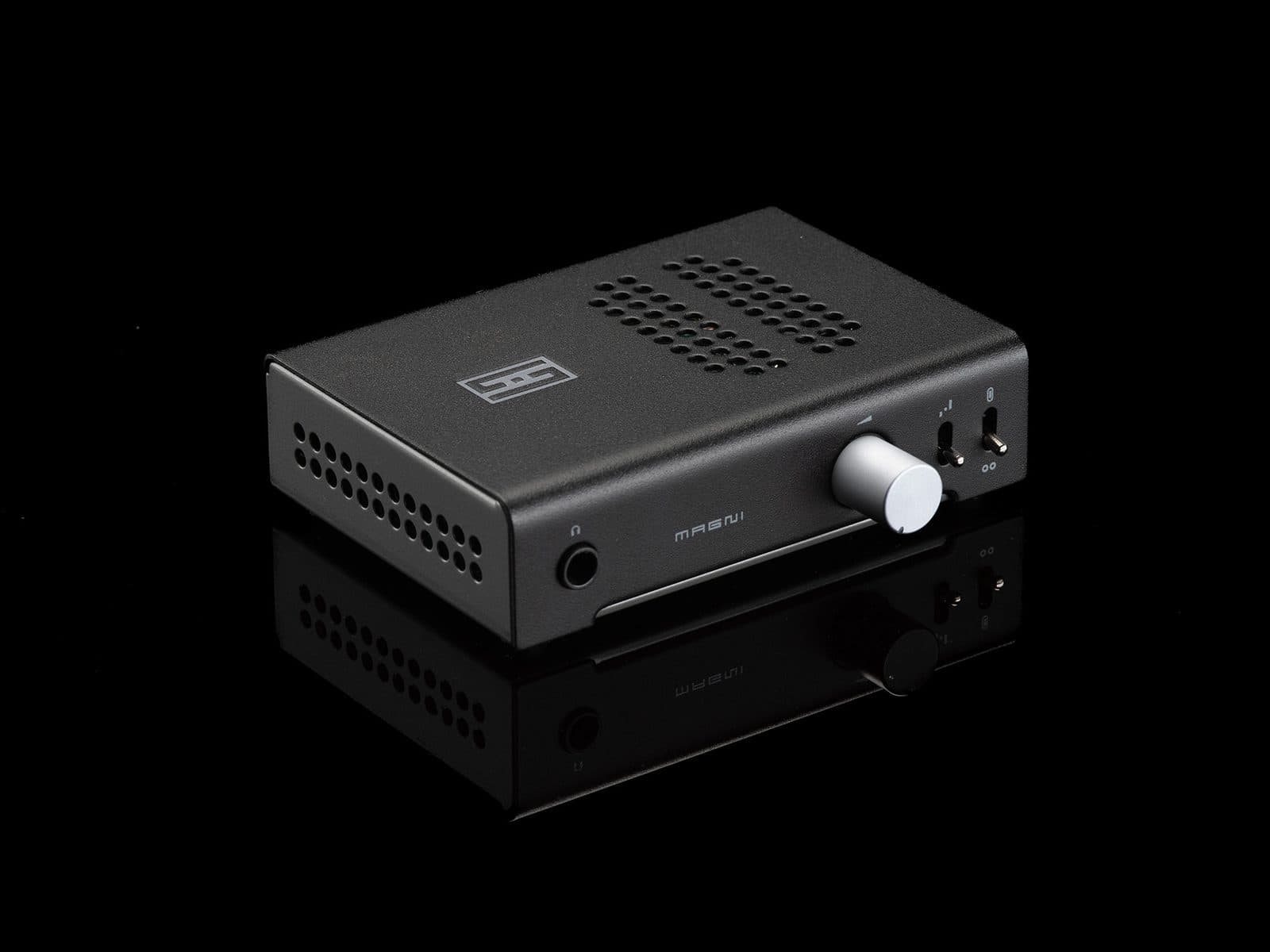
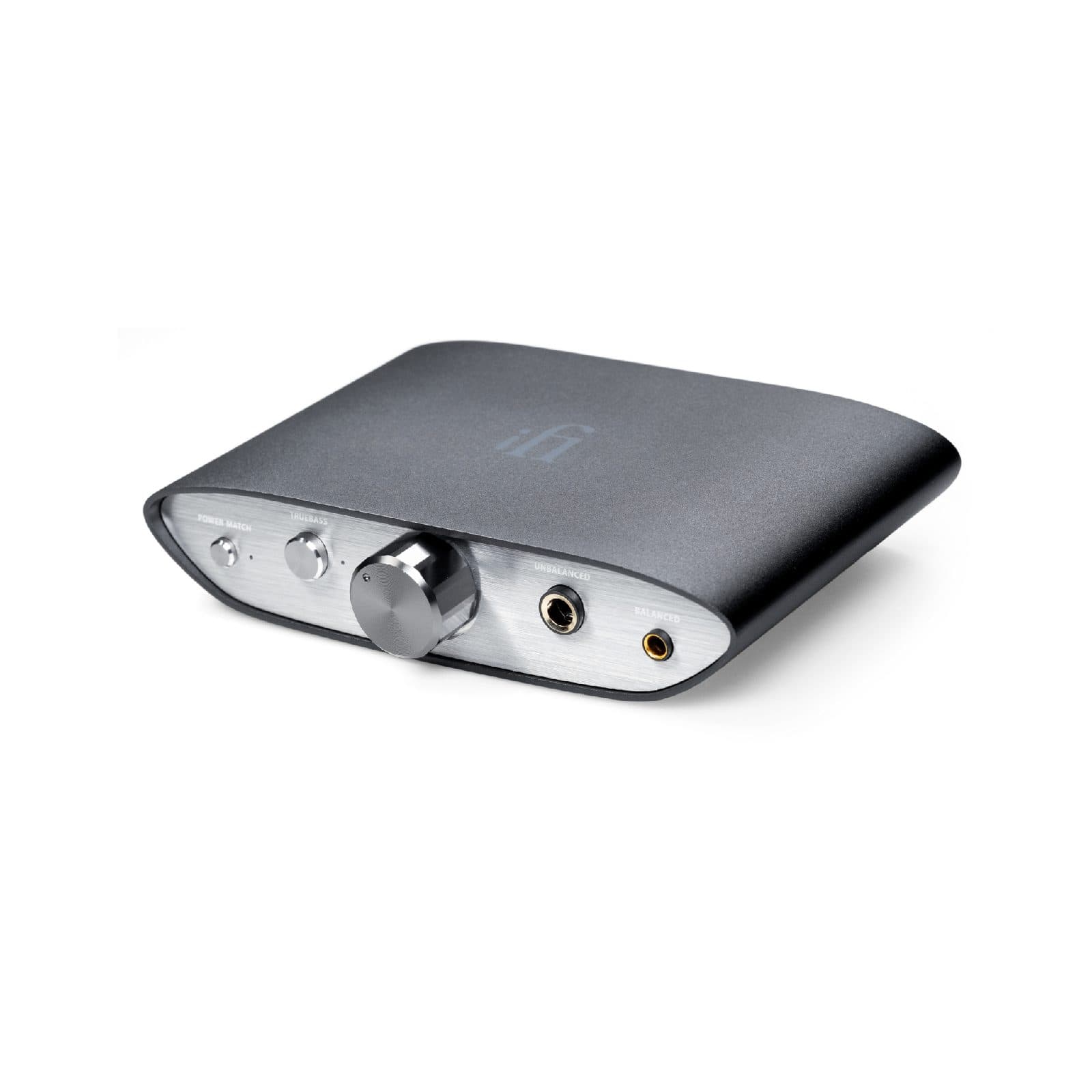
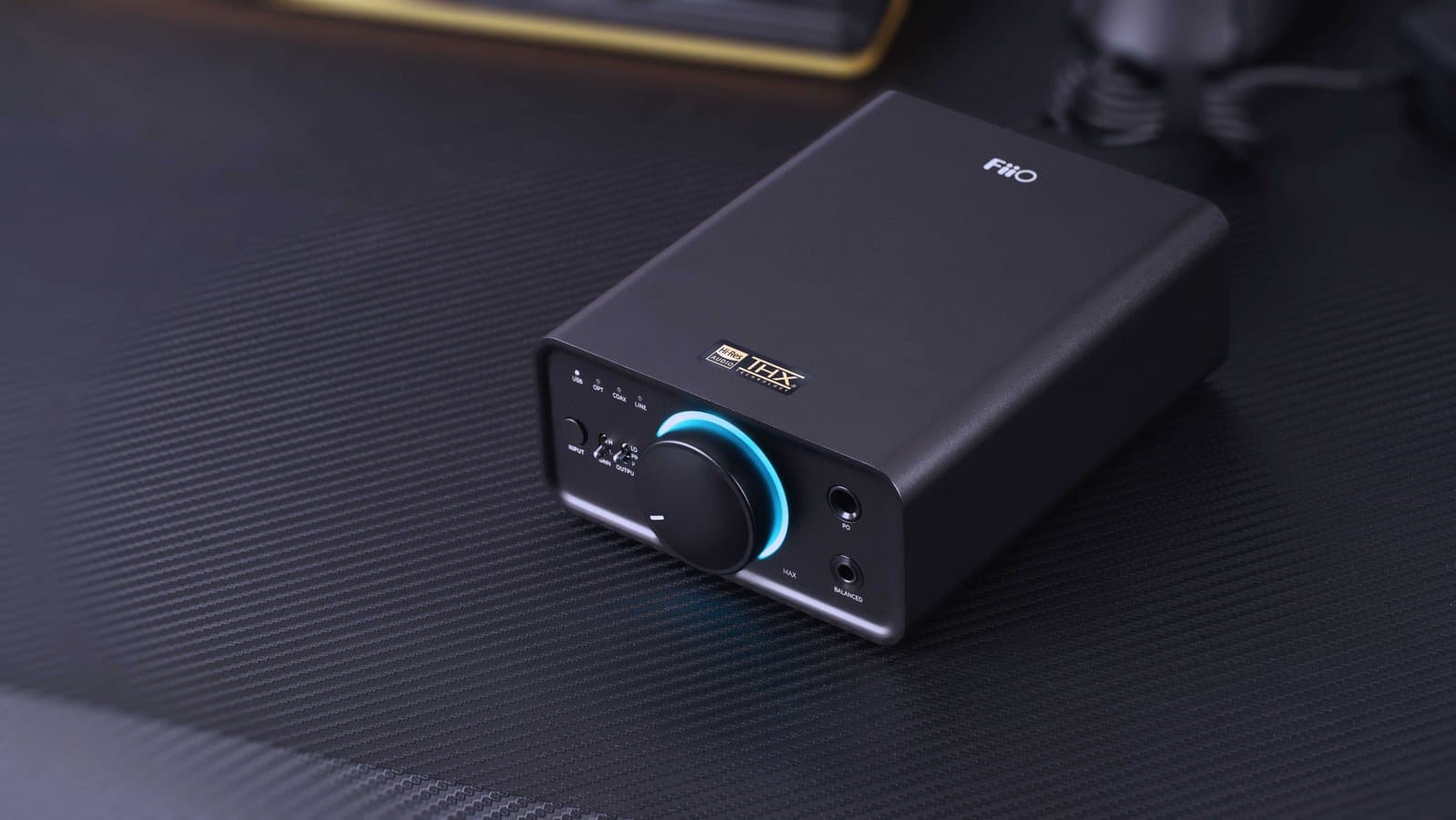
Should You Buy a Desktop Stack, a Dongle, or a Tube Amp?
Architecture hangtags are the wrong first question. Desktop stack vs portable dongle vs tube vs solid-state come first. Then shop Gavler's live ranking.
The Best Headphone Amps and DACs in 2026, Ranked by the Listeners Who Live in Their Headphones Every Day
Schiit, iFi, FiiO, Topping, Chord, RME, JDS Labs. Gavler ranks the desktop stacks, dongles, and tube amps actually worth buying in 2026.