Schiit Magni Unity / Modi 5 Stack.
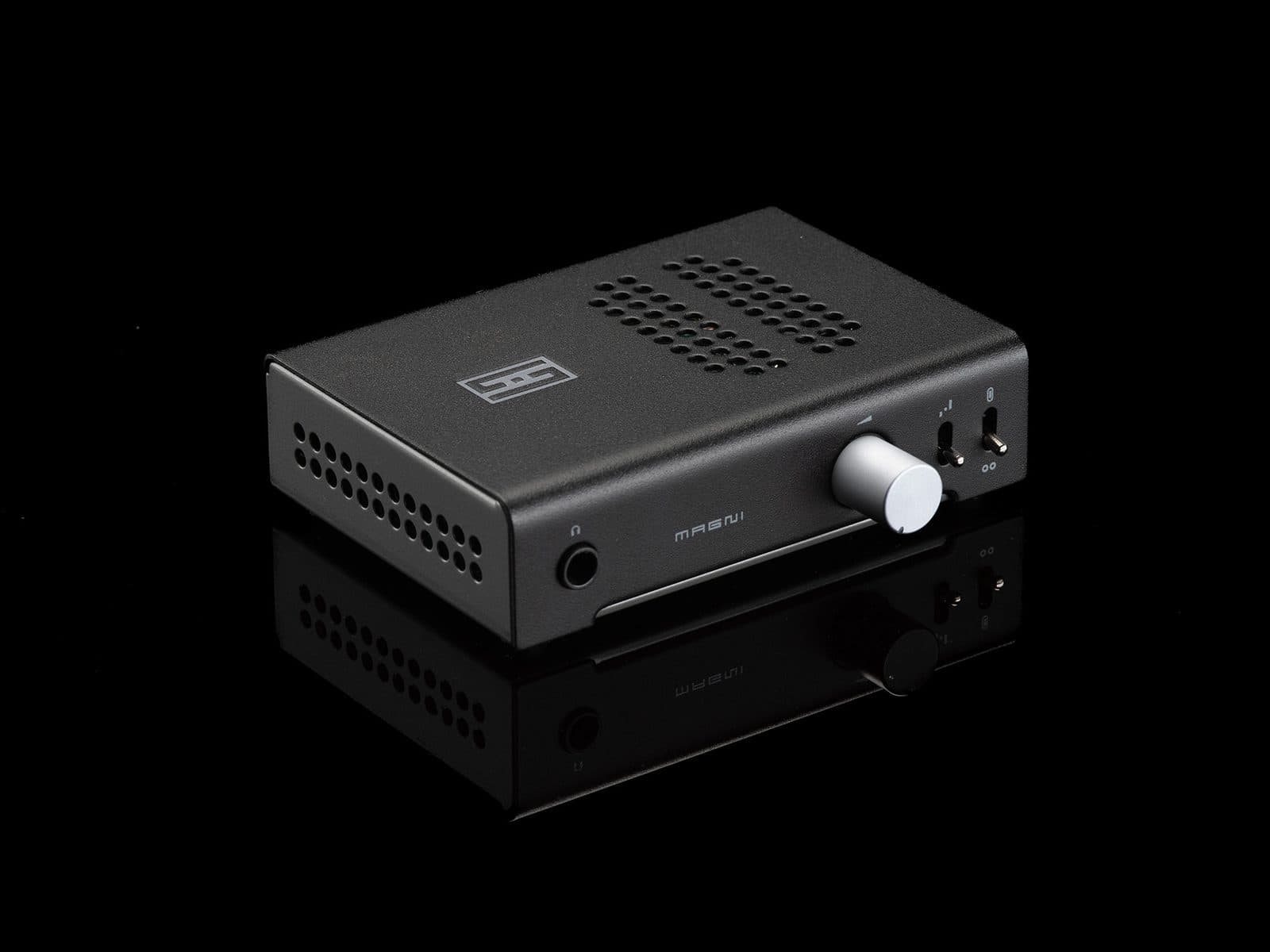
Schiit's Magni Unity amp paired with the Modi 5 DAC delivers transparent, powerful single-ended amplification that drives everything from IEMs to planar magnetics.
The Verdict.
Gavler Meta-Score
“The Magni Unity / Modi 5 stack is the value champion of the headphone amplifier world — Schiit's current single-ended reference, a direct lineage successor to the Magnius/Modius. Enough power for any headphone, transparent sound that competes with equipment costing three times as much, and a sub-$300 total price that means there's effectively no excuse for laptop audio anymore.”
The Gavler Verdict
The Gavler Review.
Schiit Magni Unity / Modi 5 Stack Review: The End of the Laptop-Audio Excuse
The Schiit Magni Unity / Modi 5 stack sits at number one on our Best Headphone Amps & DACs list with a 9.6, and it earns that spot with a value proposition that has reset buyer expectations across an entire category for over a decade: reference-grade transparency and real power, for a total price that removes any excuse for listening to headphones straight out of a laptop jack. Buy it if you want an honest, powerful desktop stack that will drive nearly anything you plug into it without adding its own character. If you specifically want a warmer, more flattering sound with a bass-enhancement feature built in, the iFi ZEN DAC 3 at rank two is the deliberate alternative. For listeners who want the truth about their headphones and their music, the Schiit stack is the default.
What it actually is
This is the current generation of Schiit's iconic budget desktop reference — a two-box stack pairing the Modi 5 DAC with the Magni Unity headphone amplifier, replacing the prior Magnius/Modius generation with a single-ended architecture built around transparency, drive, and reliability. The Modi 5 handles digital-to-analog conversion over USB, optical, and coaxial inputs at up to 24-bit/192kHz, while the Magni Unity provides single-ended headphone amplification with both a 6.35mm output and RCA preamp outputs for feeding powered speakers.
Together, the two units run roughly $129 each — about $258 for the stack — and physically nest into a footprint about the size of a paperback book, with the Modi 5 sitting beneath the Magni Unity. Both are machined-aluminum, American-made units with relay-based switching, and Schiit backs them with a 15-day return window and a standard warranty.
In use
The single fact that defines this stack's reputation is how much headphone it can drive without strain. AV Gadgets, testing the Magni Unity directly, found it "delivers exceptional performance for the price," adding that "its neutral sound signature ensures the focus remains squarely on the music" — which is the whole design philosophy in one sentence. This is an amplifier engineered to disappear, not to flavor.
That drive capability shows up clearly when the amp is pushed. PMA Magazine paired the Magni Unity with the HiFiMAN Arya Stealth — a demanding planar magnetic headphone that many budget amps can't fully control — and reported "a surprisingly great-sounding system, especially considering the under $1K entry price" for the combined rig. That's a meaningful data point: a sub-$300 amp/DAC stack holding its own with headphones that typically demand dedicated, more expensive amplification.
Schiit's broader positioning, echoed in its own materials, is that its "design and direct-to-consumer model continue to deliver desktop reference performance at a fraction of the historical price for the category." The direct-to-consumer model matters practically, too — Schiit sells straight from its own site with no retail markup, which is a real part of how the stack hits its price point without cutting corners on parts or manufacturing.
Where it shines
- Power that outruns its price. A discrete single-ended amplifier topology gives the Magni Unity enough drive for planar magnetics that typically demand pricier amps, while a low noise floor and near-zero output impedance keep sensitive IEMs hiss-free on the same unit.
- Zero-coloration transparency. Schiit's design philosophy is explicitly neutral — no warmth, no euphonic distortion, no tube-style flavor added. For listeners who want to hear exactly what their headphones and recordings sound like, that's the entire point.
- A total price that ends the debate. At roughly $258 for both components, there's no longer a real financial excuse to keep listening to good headphones through a phone or laptop's built-in output.
The trade-offs — who should skip it
This stack is a value champion for a specific kind of listener, and the honest reasons to look elsewhere are specific:
- You want warmth, not neutrality. The Magni Unity / Modi 5 stack adds nothing to the signal by design. If you prefer a flattering, slightly colored sound — the kind tube amps or iFi's house sound deliver — this transparency will read as clinical rather than exciting.
- You want a single box, not two. The stack's paperback-book footprint is compact, but it's still two separate units with two connections between them. If desk space or simplicity matters more than modularity, an all-in-one unit is the more convenient choice.
- You want built-in bass enhancement. The Magni Unity / Modi 5 pairing has no analog bass-boost circuitry. If you listen mostly to open-back or reference headphones that roll off in the sub-bass, iFi's TrueBass feature on the ZEN DAC 3 is a genuinely useful addition this stack doesn't offer.
How it compares
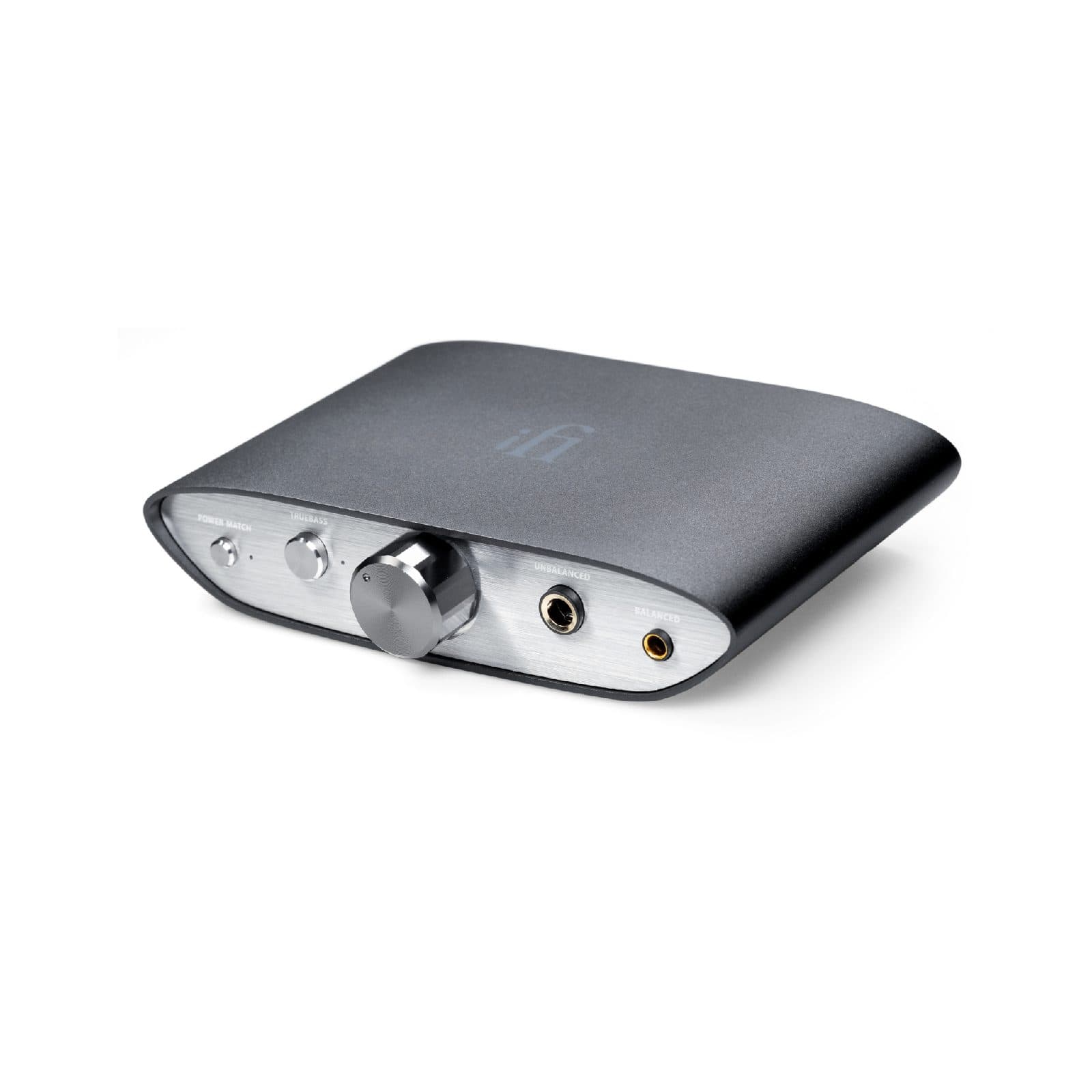
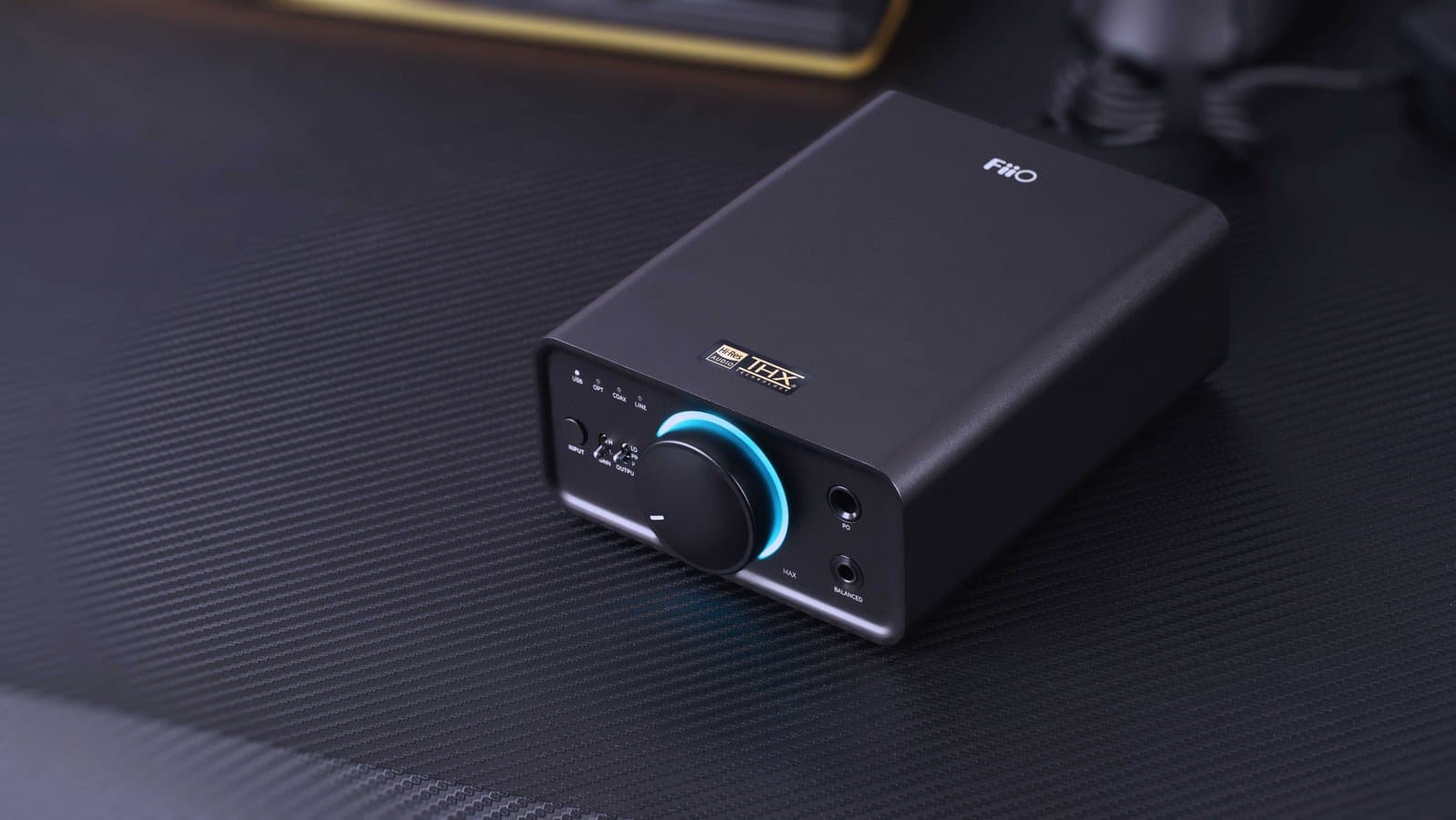
Within its own list, the closest rival sits directly below at rank two. The iFi ZEN DAC 3 costs about the same at $229 but takes the opposite philosophical approach: a single compact unit with TrueBass analog bass enhancement and a house sound that leans "slightly warm," according to reviewers, rather than Schiit's strict neutrality. The FiiO K7 at rank three is the other measurement-focused option in the category — Gavler's own scoring notes that some subjectivist listeners find extreme transparency, the kind both the K7 and the Schiit stack pursue, "clinical compared to warmer alternatives like the iFi ZEN DAC."
The Schiit stack's case isn't that it's the only correct choice — plenty of excellent listeners prefer iFi's warmer touch — it's that it's the most honest reference point in the category, the stack against which every other headphone amp's "character" can be measured.
The Gavler verdict
A 9.6, reflecting an exceptional consensus between experts, who praise the measurements and the dead-quiet noise floor, and the audiophile community, which has treated this stack's lineage as the best value in headphone amplification for years. The Schiit Magni Unity / Modi 5 stack delivers real power, real transparency, and a total price that makes it the rational first step into serious desktop headphone listening. Buy it if neutrality and drive are what you're after; step over to the iFi ZEN DAC 3 only if a warmer, bass-forward house sound matters more to you than pure transparency. Either way, at 258 dollars total, there's no longer a good reason to settle for less.
Common Questions
Yes, especially for listeners who want maximum transparency for minimum money. It ranks first on Gavler's Best Headphone Amps & DACs list with a 9.6, delivering enough power to drive nearly any headphone — from sensitive IEMs to demanding planar magnetics — for roughly 258 dollars total. The trade-off is character: this stack adds none, which is precisely what listeners who want warmth or tube-like coloration should know before buying.
Yes. Reviewers have paired the Magni Unity with demanding planars like the HiFiMAN Arya Stealth and reported a surprisingly great-sounding system, and Schiit's own engineering emphasizes a discrete amplifier topology built for serious drive from a single-ended design. It comfortably handles headphones like the HiFiMAN Sundara and Audeze LCD-X as well, which is unusual for gear at this price.
Buy the Schiit stack if you want maximum transparency and raw power for the money, with zero added coloration. Buy the iFi ZEN DAC 3 if you want a single, more compact box with TrueBass analog bass enhancement and a slightly warmer house sound. Both land around the same price tier, but they represent opposite philosophies: Schiit amplifies what's there, iFi adds a flattering touch.
Schiit's own Vali 3 tube amp, at a similar price point, is the direct answer if you want tube-like coloration instead of pure transparency. It's worth trying both philosophies if you're not sure which you prefer — the Magni Unity / Modi 5 is the neutral reference point either way, so it's a useful baseline even if you end up preferring a tube sound.
Where to Buy.
Prices checked regularly
90-day price history
Price History
Tracked at $129 across 90 tracked days — currently $258 at the retailers above.
Tracked daily across retailers. Vote Want itabove and we’ll alert you the moment the price drops.
Some links are affiliate links — Gavler may earn a commission. This never affects rankings or scores. Learn more.
Precision Engineering
Discrete Single-Ended Amplifier
The Magni Unity uses a discrete topology that delivers serious power and a vanishingly low noise floor — comfortable with both IEMs and planar magnetics.
Modi 5 DAC
The Modi 5 delivers reference-grade conversion with USB, optical, and coaxial inputs up to 24-bit/192kHz.
American Manufacturing
Machined aluminum chassis built in Texas with reliable relay-based switching and Schiit's standard warranty.
Technical Specifications
The Scoreboard
Audiophile community scores are exceptional — Schiit's current desktop stack inherits the Magnius/Modius reputation as the best value in headphone amplification. Experts praise the measurements and dead-quiet noise floor.
Cast Your Vote
Do you think Schiit Magni Unity / Modi 5 Stack deserves the #1 spot in Best Headphone Amps & DACs?
Global Critique
“The Magni is priced at $119 and $189 (with DAC) and delivers exceptional performance for the price. Its neutral sound signature ensures the focus remains squarely on the music.”
“The Schiit Magni Unity headphone amp paired with the HiFiMAN Arya Stealth make a surprisingly great-sounding system, especially considering the under $1K entry price.”
“Schiit's design and direct-to-consumer model continue to deliver desktop reference performance at a fraction of the historical price for the category.”
More from Best Headphone Amps & DACs.
See how other top picks compare in this category.
Should You Buy a Desktop Stack, a Dongle, or a Tube Amp?
Architecture hangtags are the wrong first question. Desktop stack vs portable dongle vs tube vs solid-state come first. Then shop Gavler's live ranking.
The Best Headphone Amps and DACs in 2026, Ranked by the Listeners Who Live in Their Headphones Every Day
Schiit, iFi, FiiO, Topping, Chord, RME, JDS Labs. Gavler ranks the desktop stacks, dongles, and tube amps actually worth buying in 2026.