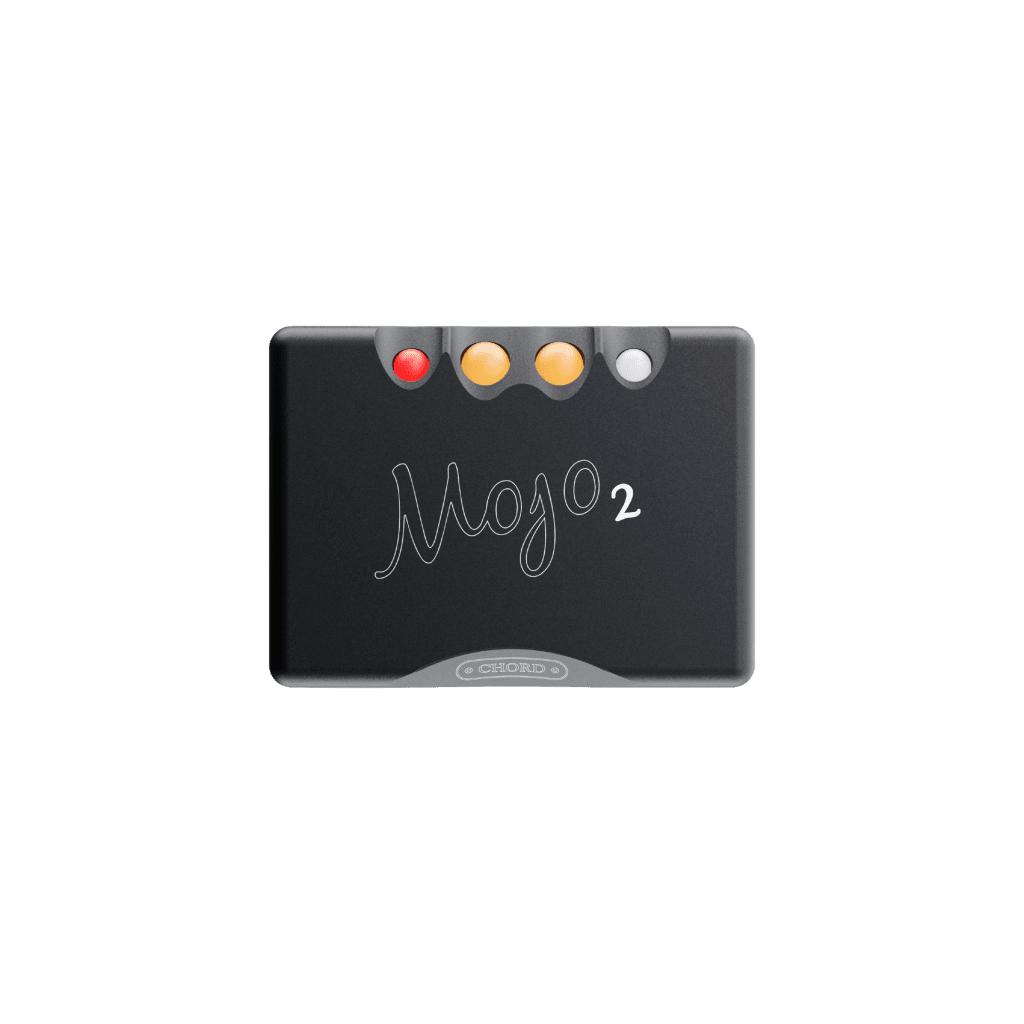
Chord Mojo 2.
Chord's proprietary FPGA architecture processes 104 filter taps for unmatched timing accuracy in a pocket-sized portable DAC.
The Verdict.
Gavler Meta-Score
“The Mojo 2 is the portable DAC for listeners who trust their ears over measurements. Chord's FPGA architecture produces a spatial accuracy and depth that chip-based DACs cannot replicate — or at least, that many experienced listeners perceive as superior. The 4-band EQ and improved battery life address the original's weaknesses. At $675, it is an investment in a fundamentally different approach to digital audio.”
The Gavler Verdict
The Gavler Review.
Chord Mojo 2 Review: The Portable DAC That Started a Cult
The Chord Mojo 2 ranks number five on Gavler's Best Headphone Amps & DACs list with a 9.1, and it's built its reputation on being the portable DAC that measurement-focused listeners can't fully explain away. What Hi-Fi awarded it a 2025 Award and called it "The Godfather Part II of DAC sequels — a portable game-changer." It's for listeners who prioritize a distinctive, spacious sound signature in a pocketable package over class-leading spec-sheet numbers. The genuine catch, according to What Hi-Fi's own pros-and-cons list, is a "convoluted colour display" that makes the unit's deeper features harder to access than they should be.
What it is
Chord Electronics doesn't buy DAC chips off the shelf. Designer Rob Watts implements the entire digital-to-analog conversion process on an FPGA (Field-Programmable Gate Array), writing the filter algorithms from scratch rather than relying on a manufacturer's fixed silicon design. The Mojo 2 runs a 104-tap filter that Watts argues delivers fundamentally superior temporal accuracy compared to chip-based DACs — more natural depth cues and a more three-dimensional soundstage, even if that claim doesn't always show up in conventional THD or SINAD measurements.
The Mojo 2 is a substantial upgrade over the original: a 4-band parametric EQ accessible through Chord's signature glowing sphere buttons, improved battery life rated at 8+ hours, and dual 3.5mm outputs (a 2026 revision swaps one for a balanced 4.4mm Pentaconn output with independently controllable volume). The USB-C input accepts PCM up to 768kHz and DSD256, while the legacy Micro USB input remains for compatibility with Chord's Poly streamer module. What Hi-Fi's technical breakdown notes the new UHD DSP — Chord's "world's first lossless digital signal processor" — is what unlocks the tone controls and a four-setting crossfeed feature designed to mimic loudspeaker-like soundstage presentation through headphones. Build quality is machined aluminum with anodized color finishes, at 185 grams and $675.
In use
What Hi-Fi's testing across multiple sources — a MacBook Pro, a Samsung Galaxy phone, and Chord's own Poly streamer — found consistent, meaningful improvement over the original Mojo: "Chord has advanced the Mojo in pretty much every sonic area. The Mojo's soundstage has been opened up for the sequel and that extra depth and dimension has been filled with greater resolution that is not only unmistakably present thanks to a big boost in clarity but also more precisely placed." That's a direct generational comparison from a reviewer who owned the original for seven years — not a first impression, but an informed before-and-after.
Darko.Audio's assessment reinforces the value case at the price: "Mojo 2's rechargeable battery and matchbox-on-steroids dimensions and build quality allow it to piggyback on any smartphone to serve as a DAC and headphone amplifier when on a train, bus or on a walkabout. If you are looking for a portable DAC/Headphone amplifier for under $1,000 you simply can't do better than the Chord Mojo 2." Headphones.com's measurement-focused review adds a specific technical point in the Mojo 2's favor: "practically perfect jitter performance — Chord DACs are not immune to jitter but are immensely resistant to it, an inherent benefit of the pulse array design."
But What Hi-Fi is equally direct about the interface's real weakness. Adding the fourth menu button to accommodate the new EQ and crossfeed features meant shrinking the volume spheres, and the color-coded feedback system that results is genuinely hard to learn: "you don't need to have colour vision deficiency to not get on with this kind of 'display,' but you will need Chord's (admittedly, neatly spelt out) instruction manual to have any hope of navigating it all." The review goes as far as wishing "Chord had succumbed to adding more spheres... or handed volume duties to a separate dial instead." That's a specific, credible critique from a five-star review — the sound quality isn't in question, but the day-to-day usability of the deeper feature set is a real friction point.
Strengths
- Distinctive spatial and timing presentation. The FPGA architecture and 104-tap filter produce a soundstage depth and instrument placement that What Hi-Fi found meaningfully improved over the well-regarded original Mojo.
- Genuinely useful new features. The 4-band EQ and crossfeed, once learned, let you tailor the sound to headphones that run bright or bass-light — functionality most portable DACs at this price don't offer at all.
- Excellent jitter performance. Headphones.com's measurements found "practically perfect jitter performance," a direct benefit of Chord's pulse array DAC design.
- True portability with real power. At 185 grams with 8+ hours of battery life, it's genuinely pocketable while still driving demanding headphones.
The trade-offs — who should skip it
- The menu system is a real usability problem. What Hi-Fi's own cons list flags the "convoluted colour display" directly — accessing the EQ, crossfeed, or lock features requires memorizing color sequences with the manual close at hand, at least initially.
- It costs significantly more than chip-based DACs with better raw measurements. Gavler's scoring notes are candid about this split: "objectivists note that chip-based DACs measure better for less money." If you prioritize spec-sheet transparency over Chord's subjective sonic signature, a Topping or similar ESS-chip DAC delivers more measured performance per dollar.
- The unit runs warm. What Hi-Fi notes it "can still run a little warm — especially when in a pocket for a period of time," though the Mojo 2 improves on the original's more concerning heat levels.
How it compares
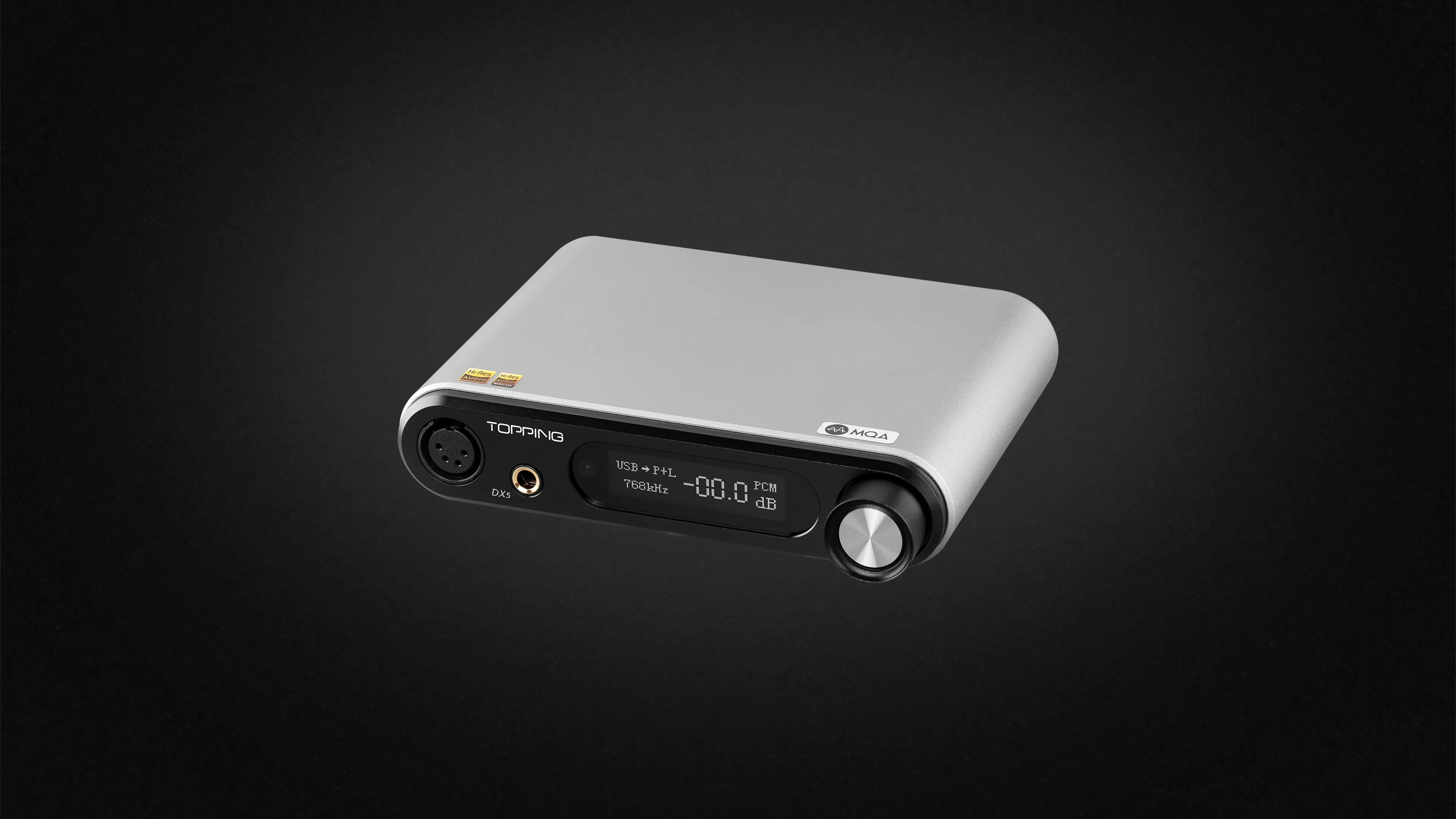
Within the same list, the Mojo 2 sits one rank below the Topping DX5, which takes the opposite philosophy entirely — dual ES9068AS chip DACs delivering reference-grade THD+N measurements of 0.00009%, plus a remote control, OLED display, and Bluetooth, all for $376 less. If you want an all-in-one desktop solution with class-leading numbers and none of Chord's menu complexity, the DX5 is the more practical buy. One rank below the Mojo 2, the xDuoo TA-26s offers a completely different flavor of "sound over specs" philosophy — tube warmth rather than FPGA precision — for listeners drawn to character-driven listening rather than either camp's measurement claims.
The Gavler verdict
A 9.1, reflecting a genuinely polarized but engaged audiophile community — those who value FPGA's temporal accuracy rate it among the best DACs at any price, while objectivists note better-measuring alternatives exist for less. The Chord Mojo 2 is the portable DAC for listeners who've heard the difference and are willing to pay for it, and who are willing to learn a genuinely fiddly color-coded interface to unlock its full feature set. At $675, it's an investment in a fundamentally different philosophy of digital audio — not the safest choice on paper, but a distinctive one in practice.
Common Questions
Yes, if you trust your ears over spec sheets. What Hi-Fi called it 'The Godfather Part II of DAC sequels — a portable game-changer' and awarded it a 2025 Award. At $675 it ranks fifth on Gavler's Best Headphone Amps & DACs list with a 9.1 — the real caveat, per What Hi-Fi's own pros-and-cons breakdown, is a 'convoluted colour display' that requires the manual to navigate confidently.
Chord doesn't use off-the-shelf DAC chips. Designer Rob Watts programs the entire digital-to-analog conversion process on an FPGA using a custom 104-tap filter, which Chord argues delivers superior temporal accuracy — depth, timing, and soundstage cues — that conventional chip-based measurements don't fully capture. Objectivists note chip-based DACs measure better for less money; the Mojo 2's audience is buyers who've heard the difference and find it worth paying for.
Through the illuminated sphere buttons, which cycle through functions using color-coded feedback rather than a text display. What Hi-Fi's review is candid that this system is genuinely confusing at first: 'you don't need to have colour vision deficiency to not get on with this kind of display, but you will need Chord's instruction manual to have any hope of navigating it all.' Budget time to learn it before you rely on the 4-band EQ or crossfeed features.
Buy the Topping DX5 if you want reference-grade measurements, a remote control, Bluetooth, and an all-in-one desktop solution for less money. Buy the Mojo 2 if portability is essential and you value Chord's distinctive FPGA-driven soundstage and timing presentation over measured neutrality — they solve different problems for different listening contexts.
Where to Buy.
Prices checked regularly
90-day price history
Price History
Steady at $675 for the entire 90-day tracking window — no increases, no discounts, across 91 tracked days.
Tracked daily across retailers. Vote Want itabove and we’ll alert you the moment the price drops.
Some links are affiliate links — Gavler may earn a commission. This never affects rankings or scores. Learn more.
Precision Engineering
FPGA DAC Architecture
Custom 104-tap filter on FPGA delivers temporal accuracy that Chord argues is fundamentally superior to chip-based DAC designs.
4-Band Parametric EQ
Built-in EQ accessible through illuminated sphere buttons allows precise tonal adjustment without external software.
8+ Hour Battery
Improved battery life over the original Mojo enables full-day portable listening from a single charge.
Technical Specifications
The Scoreboard
The audiophile community is polarized: those who value FPGA's temporal accuracy rate it among the best DACs at any price, while objectivists note that chip-based DACs measure better for less money. Both camps agree the sound is distinctive.
Cast Your Vote
Do you think Chord Mojo 2 deserves the #5 spot in Best Headphone Amps & DACs?
Global Critique
“The Godfather Part II of DAC sequels — a portable game-changer.”
“Mojo 2's rechargeable battery and matchbox-on-steroids dimensions and build quality allow it to piggyback on any smartphone to serve as a DAC and headphone amplifier when on a train, bus or on a walkabout. If you are looking for a portable DAC/Headphone amplifier for under $1,000 you simply can't do better than the Chord Mojo 2.”
“Practically perfect jitter performance — Chord DACs are not immune to jitter but are immensely resistant to it, an inherent benefit of the pulse array design.”
More from Best Headphone Amps & DACs.
See how other top picks compare in this category.
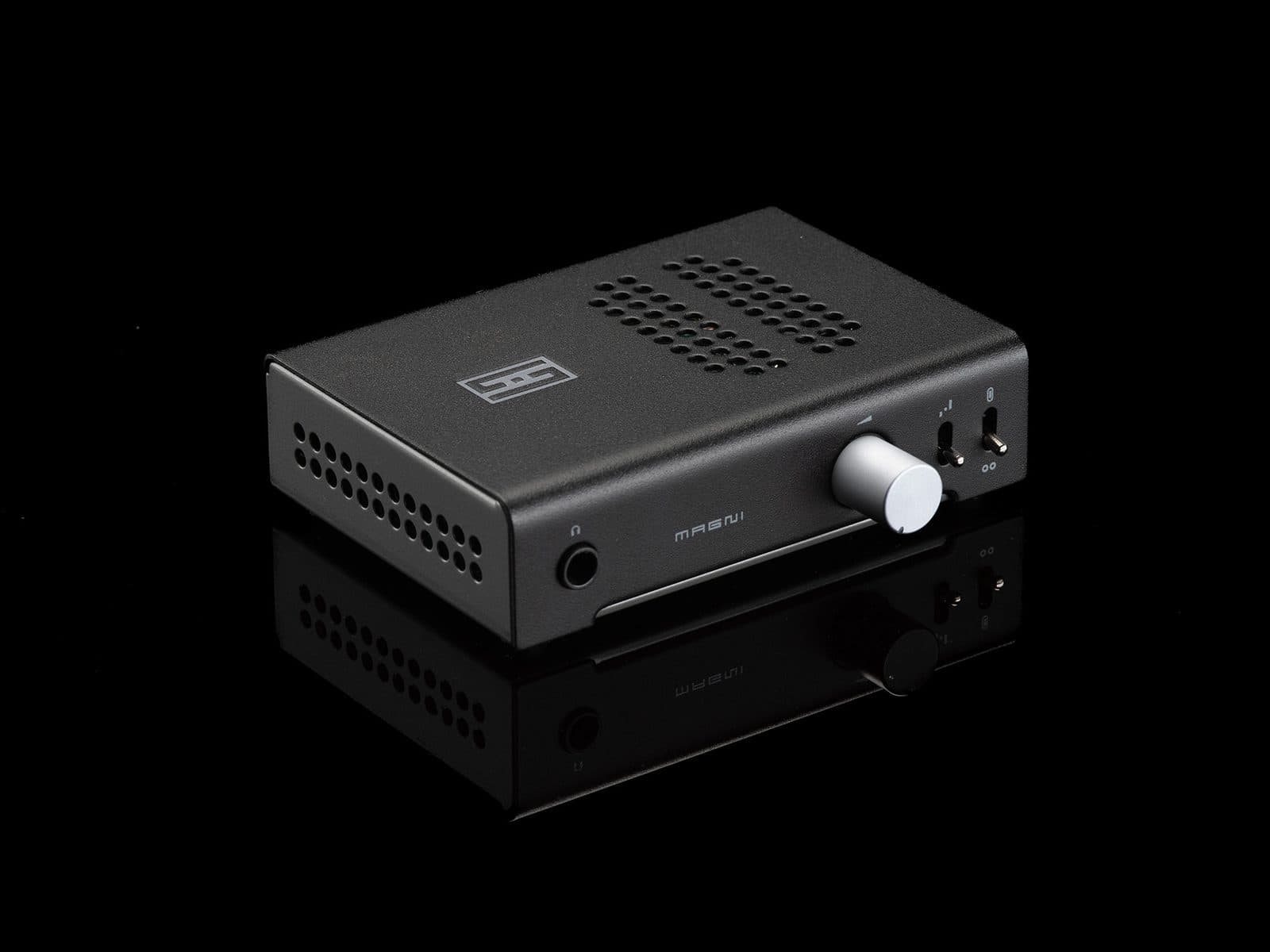
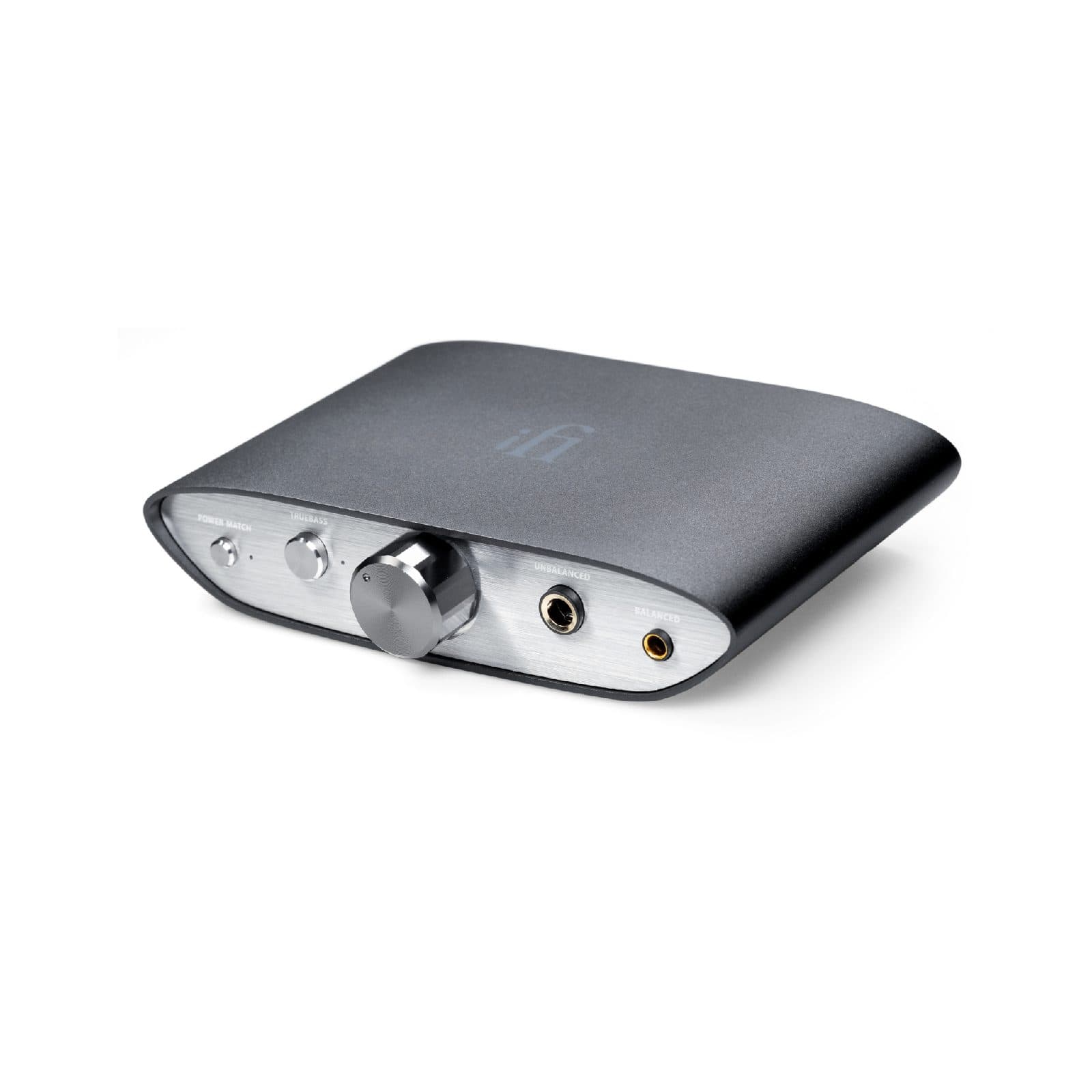
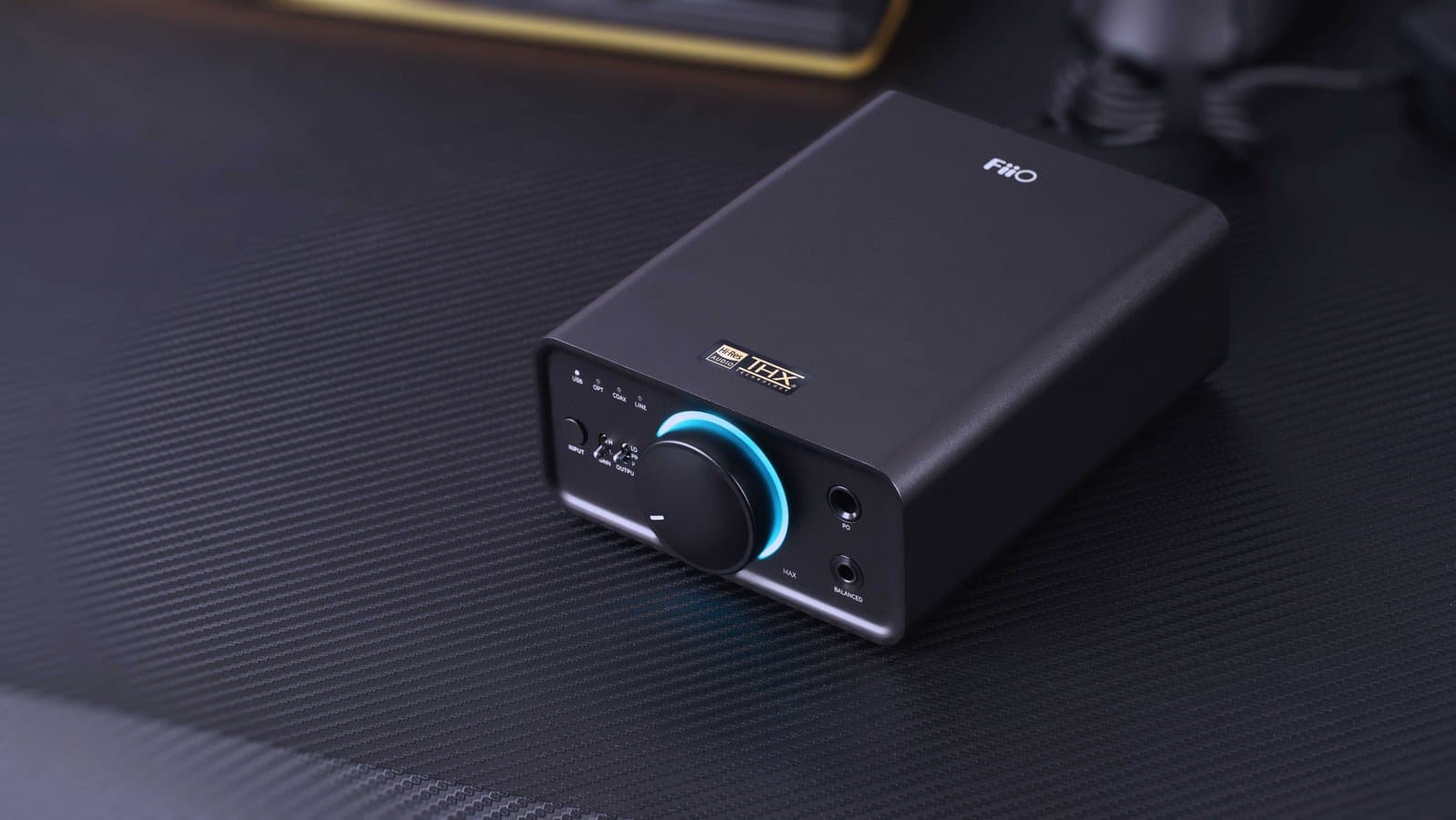
Should You Buy a Desktop Stack, a Dongle, or a Tube Amp?
Architecture hangtags are the wrong first question. Desktop stack vs portable dongle vs tube vs solid-state come first. Then shop Gavler's live ranking.
The Best Headphone Amps and DACs in 2026, Ranked by the Listeners Who Live in Their Headphones Every Day
Schiit, iFi, FiiO, Topping, Chord, RME, JDS Labs. Gavler ranks the desktop stacks, dongles, and tube amps actually worth buying in 2026.