FiiO K7.
Reference-level measurements from dual DAC chips and THX-certified amplification with balanced and single-ended outputs.
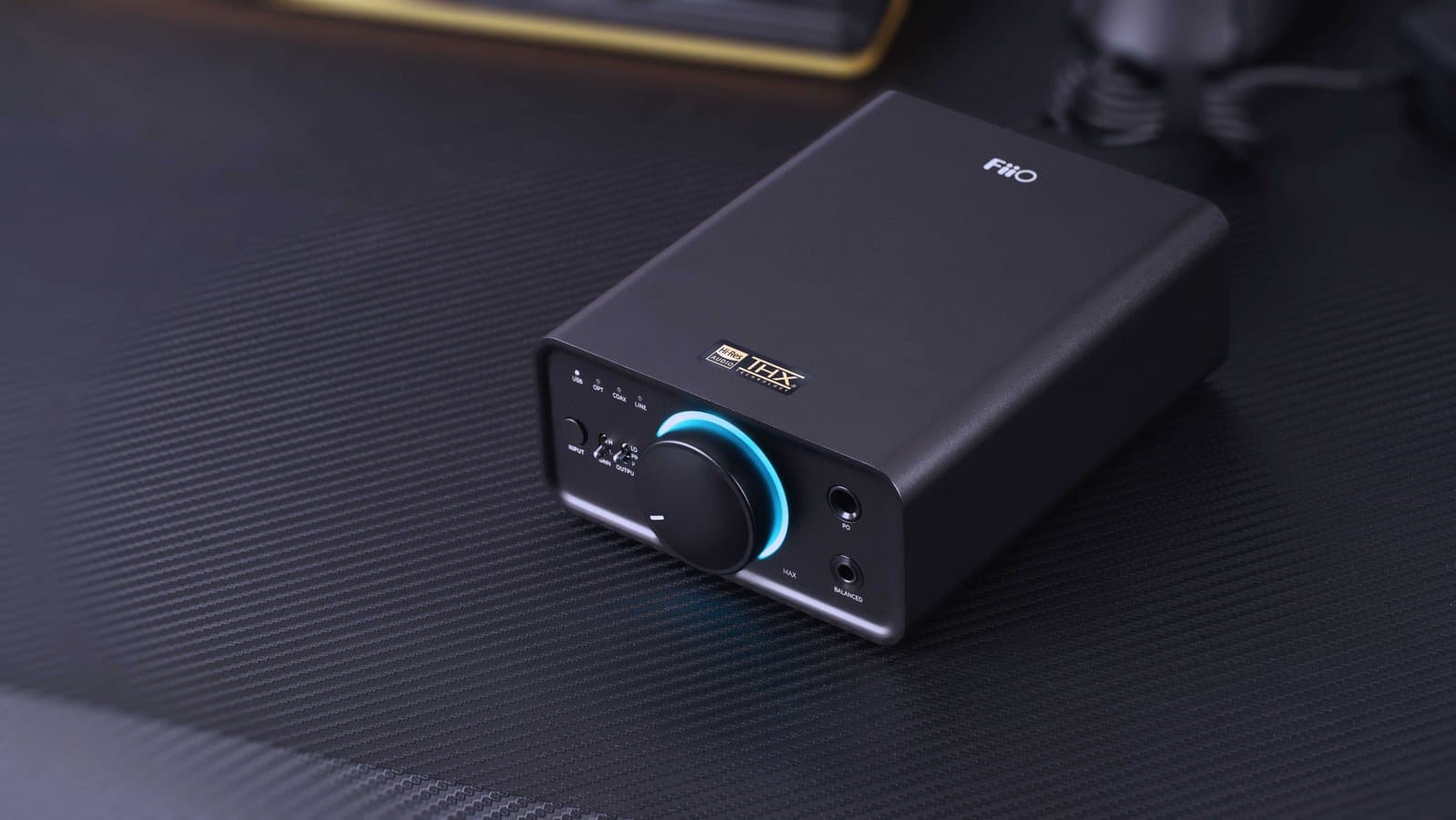
The Verdict.
Gavler Meta-Score
“The FiiO K7 is the objectivist's dream — dual AK4493S DACs and THX AAA-788+ amplification deliver measurements that compete with kilobuck equipment. If you believe in wire-with-gain amplification and want your DAC to be transparent rather than flavored, the K7 delivers reference performance at a price that makes the competition irrelevant.”
The Gavler Verdict
The Gavler Review.
FiiO K7 Review: The Measurement Champion of the Desktop DAC/Amp World
The FiiO K7 sits at rank three on our Best Headphone Amps & DACs list with a 9.3, and it earns that spot on pure numbers: dual AK4493S DAC chips and a THX AAA-788+ amplifier module deliver distortion and dynamic-range figures that rival gear costing five to ten times its $199 price. Buy it if you're an objectivist at heart — someone who wants their DAC/amp to be a transparent pipe between the recording and the headphones, adding nothing of its own. If you'd rather have a bit of intentional character in the signal path, the iFi ZEN DAC 3 at rank two is the warmer, more forgiving alternative on the same list.
What it actually is
The K7 pairs two AKM AK4493S DAC chips in a differential configuration — a setup that maximizes dynamic range and suppresses noise more effectively than a single-chip design — with FiiO's THX AAA-788+ amplifier module. THX AAA is a topology specifically engineered to minimize distortion at the circuit level rather than relying on heavy negative feedback, and the published numbers reflect it.
On the front panel, the K7 offers both a 4.4mm balanced Pentaconn output and a 6.35mm single-ended jack, each fed by its own amplification path. The balanced output is the headline spec: up to 2W into 32 ohms, enough to properly drive demanding planar magnetic headphones rather than just technically power them. A three-position rear gain switch — low, medium, high — tunes the noise floor for IEMs, dynamic headphones, and planars respectively, so sensitive in-ears aren't fighting an excessive noise floor tuned for harder-to-drive cans.
Input flexibility is a genuine strength: USB-C, coaxial, and optical digital inputs cover computers, CD transports, and other digital sources, with USB supporting PCM up to 384kHz and DSD256. Bluetooth 5.0 with LDAC rounds out wireless connectivity for phones and laptops, though the wired USB path is where the K7's measurements really shine. At $199, it's priced identically to the MOTU M2 audio interface and the iFi ZEN DAC 3 — squarely in the most competitive bracket of the category.
In use
Headfonics ran the K7 through bench testing and the results back up FiiO's marketing directly: "The K7 can deliver 2000mW with a 32-ohm load and achieved <0.00028% THD+N at 1kHz with a 32-ohm load. More impressive than the K9 Pro ESS, considering its no-frills pricing and more neutral base tuning." That's a distortion figure that would have been flagship-tier just a few years ago, delivered in a $199 desktop unit — the exact promise this category has been chasing since THX AAA amplification became commercially available.
Headfonia's review focused on the DAC chip update specifically: "The K7 is built around two AK4493SEQ DACs from AKM — the new and updated version of AKM's critically acclaimed DAC chipset — and FiiO didn't introduce a price increase despite making significant updates." Holding the price steady while upgrading the core DAC silicon is a meaningful data point for anyone worried that "objectivist" gear at this price is a race to the bottom on parts quality — it isn't, here.
Notably, Headfonia's listening impressions push back gently on the idea that the K7 is purely clinical: "Perfectly balanced and neutral tuning with a touch of warmness and a more natural timbre — one of the most musical and engaging sounding FiiO products." That's a useful corrective to the pure-numbers narrative — the K7 measures like a lab instrument but doesn't necessarily listen like one, according to at least one outlet's ears. Worth weighing against the more clinical characterization in Gavler's own scoreNote, which reflects a split among listeners.
Where it shines
- Distortion figures that lead the price bracket. THD+N approaching 0.00028% at 1kHz into 32 ohms is a genuinely rare spec at $199, verified independently by Headfonics' bench measurements, not just FiiO's own claims.
- Real balanced power for planar magnetics. 2W into 32 ohms from the 4.4mm balanced output means the K7 isn't just technically compatible with demanding headphones — it drives them to reference levels with headroom to spare.
- Input flexibility that covers every source. USB-C, coaxial, optical, and Bluetooth 5.0 LDAC in one box means the K7 works as a desktop DAC, a source for a CD transport, and a wireless receiver for a phone, without needing separate devices.
- A three-position gain switch that actually matters. Dialing gain to match IEMs, dynamic headphones, or planars keeps the noise floor below audibility across a genuinely wide range of headphone sensitivities — a detail cheaper devices often skip.
The trade-offs — who should skip it
The K7's strength is also its limitation for a specific kind of listener:
- It can read as clinical. Gavler's own scoreNote reflects this directly: "Some subjectivist listeners find the extreme transparency clinical compared to warmer alternatives like the iFi ZEN DAC V2." If you want your gear to add a bit of musicality or warmth to the signal, this isn't designed to do that — by design.
- The visual/build presentation is FiiO's usual, not premium-tier. It's a brushed aluminum chassis with a smooth volume pot — solid, but not the standout industrial design some rivals lead with.
- No remote control or display metering. Unlike some all-in-one competitors in this bracket, the K7 keeps the front panel simple — good for those who want a no-frills box, less convenient for anyone who wants at-a-glance level metering.
How it compares
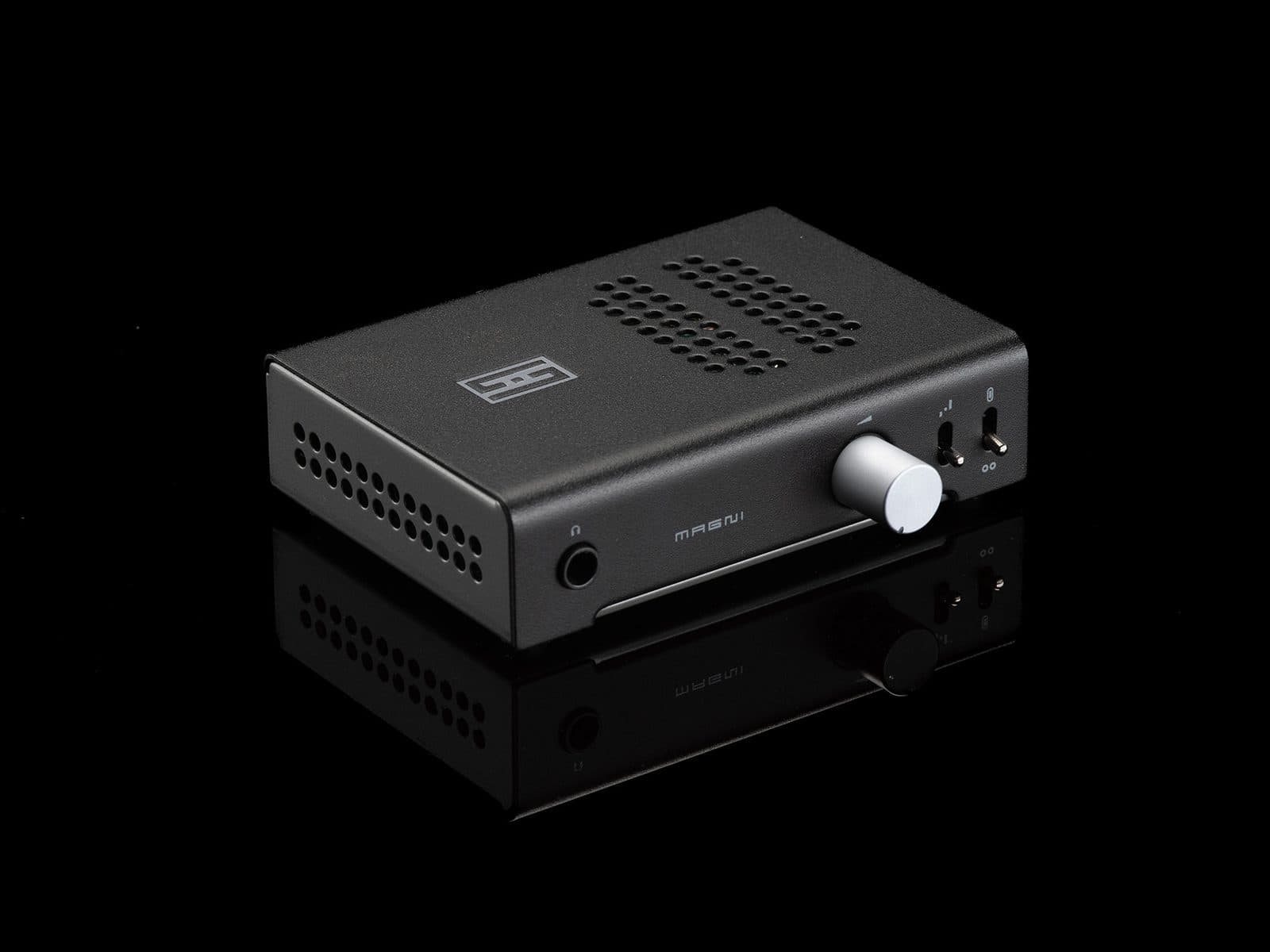
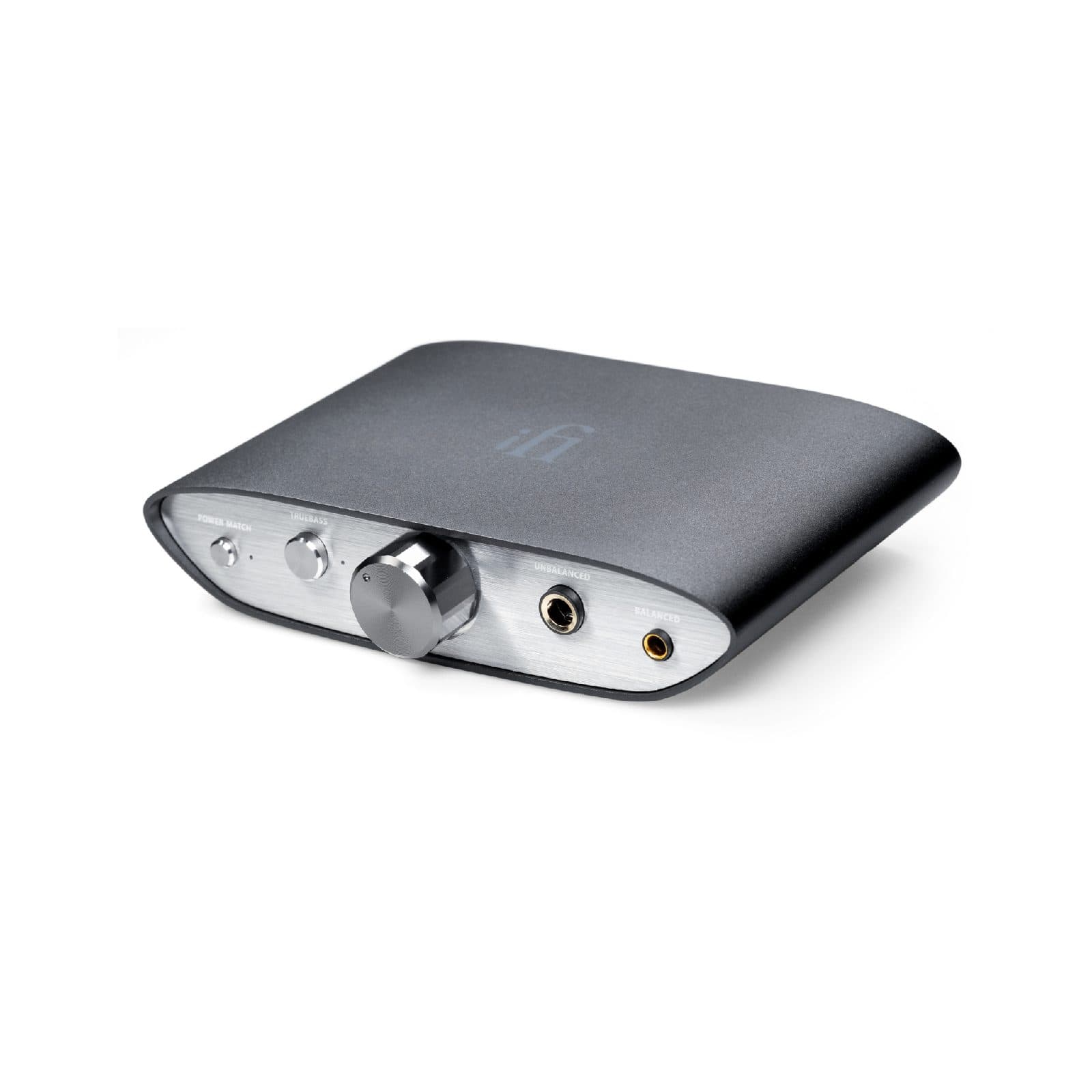
Within its own list, the K7 sits between two different sonic philosophies. The Schiit Magni Unity / Modi 5 stack at rank one costs $258 split across two units and shares the K7's transparency-first approach, with Schiit's own reputation for a dead-quiet noise floor and serious drive from a single-ended design. The iFi ZEN DAC 3 at rank two costs $229 and leans intentionally warm, with a TrueBass analog circuit that adds clean low-end extension rather than staying strictly neutral. The K7's case against both is straightforward: it's the most measurement-focused, most input-flexible single box of the three, at the lowest price of the group.
The Gavler verdict
A 9.3, reflecting a DAC/amp that delivers on a very specific promise — reference-level measurements and honest, wire-with-gain amplification — better than almost anything else at $199. The FiiO K7 is the rational pick for anyone who trusts numbers over vibes and wants their headphones and recordings to do all the talking. If you already know you prefer a bit of color in your signal chain, the iFi ZEN DAC 3 will make you happier; if you want to hear exactly what's on the recording with headroom to drive real planar magnetics, the K7 is very hard to beat at this price.
Common Questions
Yes, if you value measured accuracy over sonic character. It ranks third on Gavler's Best Headphone Amps & DACs list with a 9.3, and at $199 its dual AK4493S DACs and THX AAA-788+ amplifier deliver distortion figures that compete with equipment costing several times as much. The trade-off is that some listeners find the K7's extreme transparency clinical rather than engaging next to warmer alternatives.
They're both objectivist, transparency-first designs, so the honest answer is that they're close. The K7's headline advantage is its balanced 4.4mm output delivering up to 2W into 32 ohms with a three-position gain switch tuned for IEMs through planar magnetics, plus USB, coaxial, optical, and Bluetooth 5.0 LDAC inputs in a single $199 box. The Schiit stack at $258 splits the DAC and amp into two units and has an equally devoted following for its noise floor and drive. Neither is the warm, colored choice — pick based on connectivity needs and whether you want a stack or a single box.
For most planars, yes. The balanced 4.4mm output delivers up to 2W into 32 ohms, and the three-position gain switch has a dedicated high setting specifically for planar magnetic headphones. The most power-hungry flagship planars may still want a dedicated high-current amp, but the K7 comfortably drives the vast majority of the planar headphones people actually buy.
It's a philosophy difference, not a quality one. The K7 is built to add nothing — wire-with-gain amplification and DAC chips chosen for measured linearity, so the headphones and the recording determine the sound entirely. The iFi ZEN DAC 3 leans intentionally warm with its TrueBass analog bass circuit and a slightly smoothed treble. If you want your gear to disappear, buy the K7. If you want a bit of musicality baked into the signal path, buy the ZEN DAC 3.
Where to Buy.
Prices checked regularly
90-day price history
Price History
Steady at $199 for the entire 90-day tracking window — no increases, no discounts, across 91 tracked days.
Tracked daily across retailers. Vote Want itabove and we’ll alert you the moment the price drops.
Some links are affiliate links — Gavler may earn a commission. This never affects rankings or scores. Learn more.
Precision Engineering
Dual AK4493S DAC
Dual AKM DAC chips in differential configuration maximize dynamic range with near-perfect measured linearity.
THX AAA-788+ Amp
THX-certified amplification delivers distortion figures approaching the limits of professional measurement equipment.
Bluetooth 5.0 LDAC
Wireless connectivity with LDAC codec support adds high-quality mobile streaming alongside wired digital inputs.
Technical Specifications
The Scoreboard
Measurement enthusiasts rate the K7 among the best at any price. Some subjectivist listeners find the extreme transparency clinical compared to warmer alternatives like the iFi ZEN DAC V2.
Cast Your Vote
Do you think FiiO K7 deserves the #3 spot in Best Headphone Amps & DACs?
Global Critique
“The K7 can deliver 2000mW with a 32-ohm load and achieved <0.00028% THD+N at 1kHz with a 32-ohm load. More impressive than the K9 Pro ESS, considering its no-frills pricing and more neutral base tuning.”
“The K7 is built around two AK4493SEQ DACs from AKM — the new and updated version of AKM's critically acclaimed DAC chipset — and FiiO didn't introduce a price increase despite making significant updates.”
“Perfectly balanced and neutral tuning with a touch of warmness and a more natural timbre — one of the most musical and engaging sounding FiiO products.”
More from Best Headphone Amps & DACs.
See how other top picks compare in this category.
Should You Buy a Desktop Stack, a Dongle, or a Tube Amp?
Architecture hangtags are the wrong first question. Desktop stack vs portable dongle vs tube vs solid-state come first. Then shop Gavler's live ranking.
The Best Headphone Amps and DACs in 2026, Ranked by the Listeners Who Live in Their Headphones Every Day
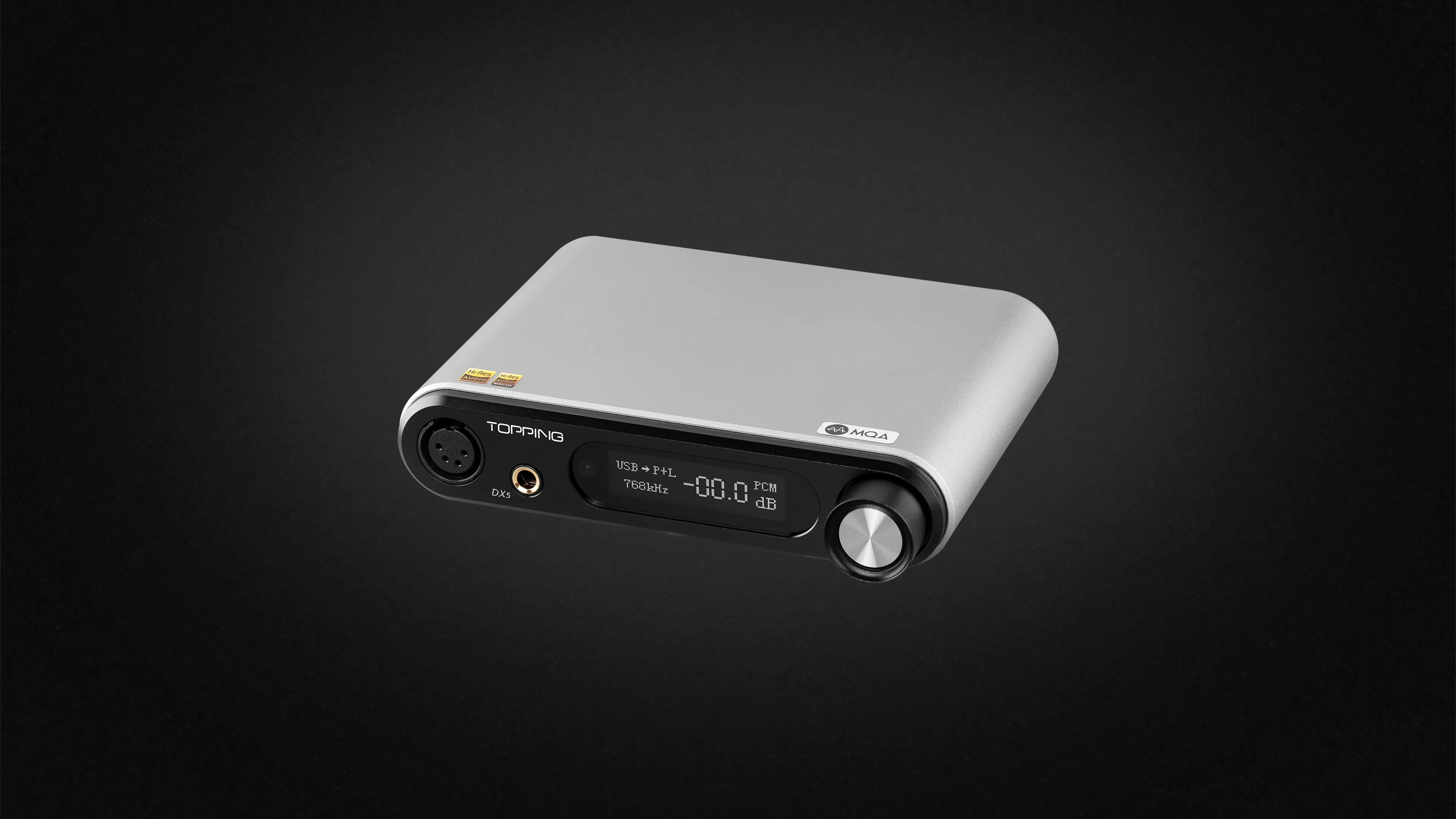
Schiit, iFi, FiiO, Topping, Chord, RME, JDS Labs. Gavler ranks the desktop stacks, dongles, and tube amps actually worth buying in 2026.