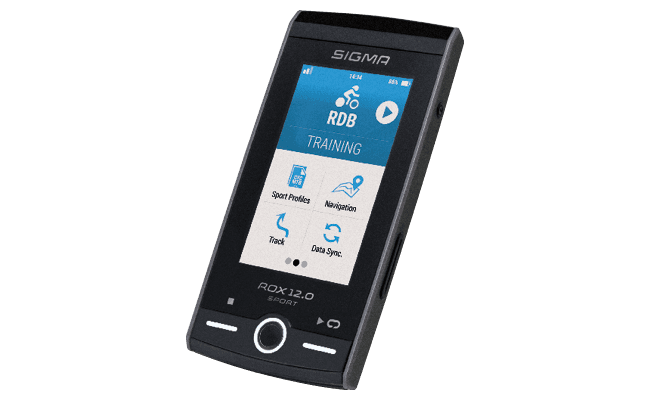
Sigma ROX 12.0 Sport.
3-inch touchscreen with offline mapping and dual ANT+/Bluetooth at well under $300 from the German navigation specialist.
The Verdict.
Gavler Meta-Score
“The ROX 12.0 Sport delivers 80% of the flagship experience at 40% of the price. Sigma's German engineering provides reliable navigation, comprehensive training features, and a capable touchscreen that punches well above its price class. It's the smart choice for riders who allocate their budget to riding rather than technology.”
The Gavler Verdict
The Gavler Review.
Sigma ROX 12.0 Sport Review: German Navigation at a Fraction of the Price
The Sigma ROX 12.0 Sport ranks seventh on Gavler's Best Bike Computers list with an 8.8, and it's the computer for riders who want genuine navigation capability without paying flagship Garmin or Wahoo prices. road.cc's review was unambiguous: "I never had a single issue with the performance throughout testing. The navigation and tracking accuracy are superb — a cracking unit that covers pretty much every base." The honest trade-off, per bike-components' hands-on testing, is that the claimed 16-hour battery life drops to around 12 hours in real-world use with navigation running — a gap worth planning around before a long ride.
What it is
The ROX 12.0 Sport is built around a 3-inch color touchscreen displaying full-color offline maps with turn-by-turn navigation, using OpenStreetMap data with 20 European country maps preloaded and stored locally on the device — meaning navigation works without cellular coverage, a genuine requirement for riders exploring rural roads and remote gravel routes. The device supports both ANT+ and Bluetooth sensor protocols, ensuring compatibility with existing power meters and sensors regardless of brand or generation.
Route planning runs through Sigma's Data Center software or imports directly from Komoot, Strava, and GPX files. Training features cover power zones, heart rate zones, interval support, and workout recording with post-ride analysis through Sigma's cloud platform. At 130 grams and $249.99, the ROX 12.0 Sport positions itself squarely against computers costing $100 to $200 more — the trade-offs are software polish that isn't quite as refined as Garmin's, a thinner third-party integration ecosystem, and lower brand recognition among North American cyclists despite Sigma's decades of engineering history in Europe.
In use
bike-components' testing singled out navigation as the standout feature: "The navigation function is easily the best feature of the ROX 12.0. It comes with 20 European country maps preinstalled, and I was very impressed with the speed it loads, zooms and finds routes — many other GPS computers need more time." That's a specific, comparative claim — not just "navigation works," but that it's faster at core map operations than rivals the reviewer had tested, which is a meaningful advantage for riders who reroute mid-ride or explore unfamiliar terrain.
The same review flagged the real-world battery gap directly: "Sigma claims a battery life of up to 16 hours; during my test, with navigation on, it reached a critical point at around 12. The touchscreen works extremely well and can even be read in direct sunlight." That combination — an honestly-reported shortfall alongside a genuine strength — is useful, because it tells a prospective buyer exactly what to expect rather than repeating a manufacturer's claim uncritically. bike-components also praised the route-planning tool specifically: "Draw my Route works extremely well — sketch a rough loop on the map and in seconds the ROX gives you three routes to ride based on your rider profile." road.cc's broader testing reached a similarly positive conclusion on core reliability, without flagging the interface polish gap that Gavler's own scoring notes relative to Garmin and Wahoo.
Strengths
- Navigation speed that beats pricier rivals. bike-components found the ROX 12.0 loads, zooms, and finds routes faster than some more expensive GPS computers — a real usability edge, not just a spec-sheet claim.
- Genuine offline capability. 20 European country maps preloaded and stored locally mean navigation works without cellular coverage, which matters for remote gravel and rural road riding.
- A touchscreen that holds up in sunlight. bike-components specifically noted it "can even be read in direct sunlight" — a common weak point for touchscreen bike computers that Sigma appears to have solved.
The trade-offs — who should skip it
This is the strongest value proposition in the bike computer category, not the most polished or the deepest ecosystem, and the honest reasons to look elsewhere are specific:
- You want maximum battery life for multi-day rides. bike-components' real-world testing found the claimed 16-hour battery reaches a critical point around 12 hours with navigation running — a real constraint for ultra-distance or bikepacking use.
- You're already invested in Garmin's or Wahoo's ecosystem. The ROX 12.0 supports standard ANT+ and Bluetooth sensors, but it doesn't integrate with Garmin Connect, Varia radar, or Wahoo's app ecosystem the way in-brand computers do.
- Software polish matters more to you than price. The ROX 12.0's interface is functional and fast at core tasks, but reviewers consistently note it isn't quite as refined as Garmin's — a fair trade for riders prioritizing value, less so for riders who want the most seamless software experience available.
How it compares
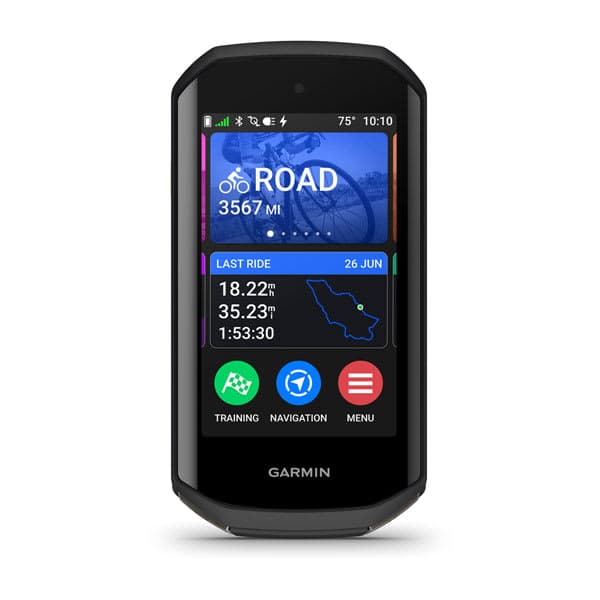
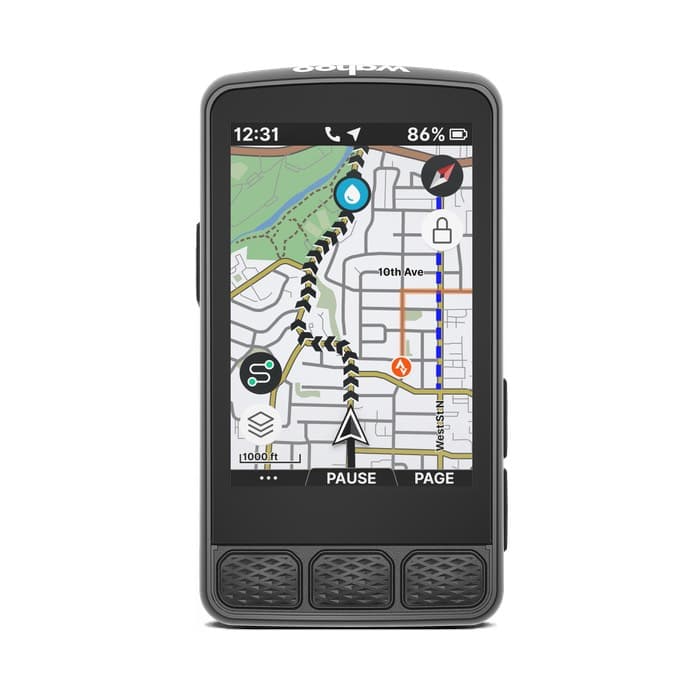
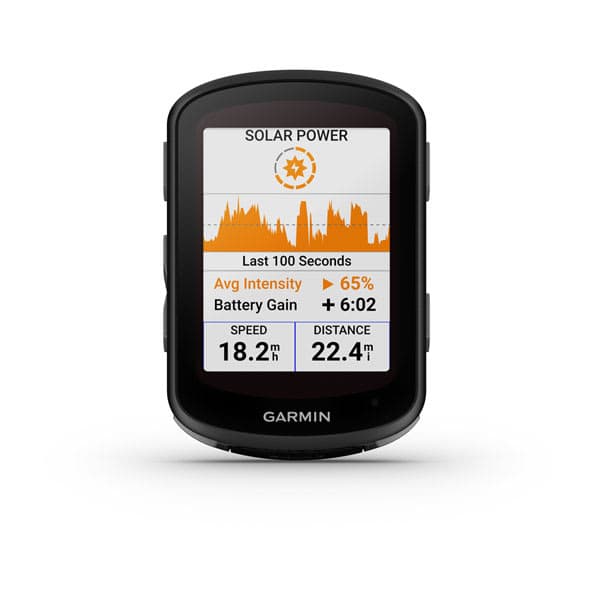
Directly above it on this list, the Garmin Edge 840 offers deeper training analytics and Garmin's full ecosystem — Varia radar, Garmin Connect, and broader third-party integration — at a real price premium over the ROX 12.0. One spot up, the Wahoo ELEMNT BOLT 3 trades some of the ROX 12.0's navigation depth for Wahoo's famously simple setup process. Riders choosing among these three are weighing navigation speed and price (ROX 12.0) against ecosystem depth (Edge 840) and setup simplicity (ELEMNT BOLT 3).
The Gavler verdict
An 8.8 that reflects a bike computer delivering most of the flagship experience at a fraction of the price. road.cc's "cracking unit that covers pretty much every base" and bike-components' repeated praise for navigation speed both point to genuinely competent engineering from a brand that doesn't get the North American recognition Garmin and Wahoo command. Buy the ROX 12.0 Sport if navigation capability and value matter more to you than ecosystem depth or maximum battery life. If you need Garmin-level training analytics or Wahoo's ecosystem, the Garmin Edge 840 or Wahoo ELEMNT BOLT 3 elsewhere on this list are the pricier but more connected alternatives.
Common Questions
For budget-conscious riders who prioritize navigation over brand ecosystem depth, yes. It ranks seventh on Gavler's Best Bike Computers list with an 8.8. road.cc called it 'a cracking unit that covers pretty much every base,' and bike-components found its offline navigation loads and recalculates routes faster than pricier rivals. At $249.99, it delivers features that match or exceed computers costing $100-200 more from Garmin and Wahoo.
Buy the Edge 840 if you want Garmin's deeper training analytics and broader third-party ecosystem, including Varia radar and Garmin Connect integration. Buy the ROX 12.0 if navigation speed and price are your priorities — bike-components found it loads, zooms, and recalculates routes faster than some pricier GPS computers, and it costs roughly $100-150 less than a comparably specced Garmin.
Sigma claims up to 16 hours. bike-components' real-world testing with navigation running found the battery reached a critical point at around 12 hours — a meaningful gap from the claimed figure that riders planning long or multi-day rides should budget for, similar to the claimed-versus-real-world battery gaps seen across the GPS bike computer category.
Where to Buy.
Prices checked regularly
90-day price history
Price History
Steady at $250 for the entire 90-day tracking window — no increases, no discounts, across 91 tracked days.
Tracked daily across retailers. Vote Want itabove and we’ll alert you the moment the price drops.
Some links are affiliate links — Gavler may earn a commission. This never affects rankings or scores. Learn more.
Precision Engineering
3" Color Touchscreen
Full-color display with offline mapping and turn-by-turn navigation at a sub-$300 price point.
Dual Protocol
ANT+ and Bluetooth compatibility ensures connection with any cycling sensor regardless of brand or generation.
OpenStreetMap Navigation
Offline maps stored locally for navigation without cellular coverage in remote riding areas.
Technical Specifications
The Scoreboard
Value proposition receives strong community ratings. Software polish and ecosystem depth lag behind Garmin and Wahoo, but the feature set at the price point is compelling.
Cast Your Vote
Do you think Sigma ROX 12.0 Sport deserves the #7 spot in Best Bike Computers?
Global Critique
“The navigation function is easily the best feature of the ROX 12.0. It comes with 20 European country maps preinstalled, and I was very impressed with the speed it loads, zooms and finds routes — many other GPS computers need more time.”
“Sigma claims a battery life of up to 16 hours; during my test, with navigation on, it reached a critical point at around 12. The touchscreen works extremely well and can even be read in direct sunlight.”
“Draw my Route works extremely well — sketch a rough loop on the map and in seconds the ROX gives you three routes to ride based on your rider profile.”
“I never had a single issue with the performance throughout testing. The navigation and tracking accuracy are superb — a cracking unit that covers pretty much every base.”
More from Best Bike Computers.
See how other top picks compare in this category.
Garmin Maps, Wahoo Simplicity, or a Mini Android?
Feature-count hangtags are the wrong first question. Garmin maps, Wahoo setup, or an Android head unit is the software. Then shop Gavler's live ranking.
The Best Budget Bike Computer in 2026: Sigma ROX 12.0 vs Bryton S800 vs Lezyne Mega XL
Sigma ROX 12.0 Sport vs Bryton Rider S800 vs Lezyne Mega XL — the best budget bike computer under $300 depends on maps, screen, or battery.
The Best Bike Computers in 2026, Ranked by the Riders Who Actually Use Them
Garmin, Wahoo, and Hammerhead GPS units ranked by navigation, training, battery, and display — by the riders who actually use them, not spec sheets.