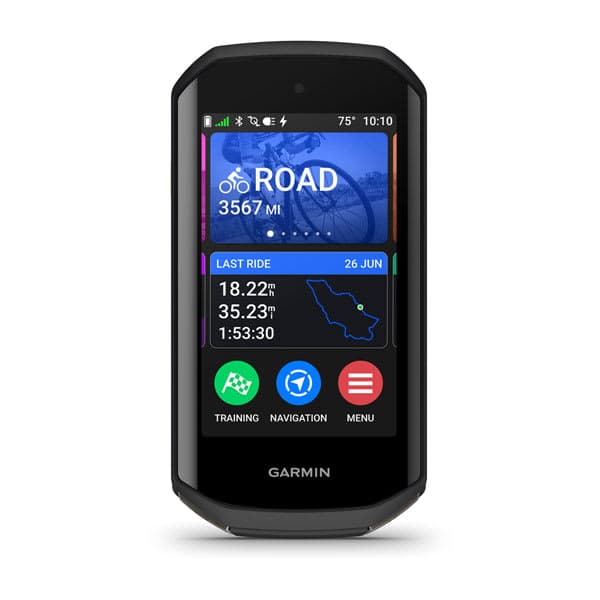
Garmin Edge 1050.
Bright 3.5-inch transmissive LCD touchscreen with full-color mapping, ClimbPro 2.0, and the category's deepest training and ecosystem integration.
The Verdict.
Gavler Meta-Score
“The Edge 1050 is the bike computer for riders who want everything, and Garmin mostly delivers: ClimbPro 2.0 is the best climbing tool available, the training analytics are the deepest in the category, and nothing matches the ecosystem. The honest trade-offs are a touchscreen that turns fiddly with sweaty hands or winter gloves, and the loss of any solar option — battery now tops out at a claimed 20 hours. Buy it if you want the most capable computer made and will use the depth; skip it if you mainly want simple, reliable navigation.”
The Gavler Verdict
The Gavler Review.
Garmin Edge 1050 Review: The Flagship That Wants Everything, and Mostly Delivers
The Garmin Edge 1050 sits at number one on our Best Bike Computers list with a 9.7, and it earns that ranking by being the computer for riders who want everything Garmin knows how to build into one device. Buy it if you'll actually use the depth — ClimbPro 2.0 is the best real-time climbing tool available, the training analytics are the deepest in the category, and nothing else matches the ecosystem reach into radar, power meters, and satellite messaging. The honest trade-offs are a touchscreen that turns fiddly with sweaty hands or winter gloves, and the loss of any solar option, which caps claimed battery life at 20 hours. If you mainly want simple, reliable navigation and don't need the depth, the Wahoo ELEMNT ROAM 3 is the easier, cheaper answer.
What it actually is
The Edge 1050 is Garmin's flagship GPS bike computer, and its headline change is the screen: a new transmissive LCD running at 480x800 pixels across 3.5 inches that BikeRadar called Garmin's brightest screen ever, and one that's as responsive as a modern smartphone. A speaker replaces the old beeper for spoken navigation and workout cues plus a software bell, Garmin Pay adds contactless payments mid-ride, and ClimbPro 2.0 visualizes remaining ascent, gradient, and recovery sections for every climb on a route — not just the categorized ones a rider might have set up in advance.
Go deeper and the 1050 separates itself further. Its training suite covers training readiness, training load, recovery time, VO2 max, and real-time stamina, and the ecosystem reaches Varia radar, power meters, inReach satellite messaging, and Garmin watches for unified fitness tracking. Navigation now distinguishes paved from unpaved roads for terrain-specific routing, supports on-device course creation, and downloads maps over WiFi. GroupRide adds shared hazard alerts and live location sharing for riding partners. Storage sits at 64GB and the unit weighs 161 grams.
In use
The screen is the change reviewers lead with, and for good reason. BikeRadar called it "Garmin's 'brightest and smartest' bike computer yet — but there's no solar model, and claimed battery life drops to 20 hours." That's the trade-off stated in a single sentence: a genuinely better display, at a real cost to runtime. DC Rainmaker's testing dug into the real-world numbers and found that "with the screen always on, real-world battery life lands well short of the 20-hour claim" — a useful caution for anyone planning multi-day rides or ultra-distance events who was relying on the claimed figure as a floor rather than a ceiling.
ClimbPro 2.0 is the feature that earns the most unqualified praise. Where the original ClimbPro only visualized pre-categorized climbs on a loaded route, the 2.0 version tracks remaining ascent, gradient, and recovery sections dynamically for any climb the route encounters — a genuinely useful upgrade for riders who don't meticulously pre-plan every ride. Cyclingnews summed up the overall package as "smartphone-fast and beautifully bright, though touchscreen inputs get fiddly with sweaty hands or full-finger winter gloves" — a consistent thread across every review of this unit. The touch interface is excellent in dry, bare-hand conditions and noticeably worse the moment weather or gloves enter the picture.
Where it shines
- ClimbPro 2.0 is the best climbing tool in the category. Dynamic remaining-elevation and gradient tracking for every climb on a route, not just pre-categorized ones, is a genuine step up from the original ClimbPro and from anything competitors offer.
- Training analytics with real depth. Training readiness, training load, recovery time, VO2 max, and real-time stamina in one device is more than any rival computer offers, and it's the reason serious training-focused riders gravitate to Garmin over Wahoo or Hammerhead.
- An ecosystem nothing else matches. Varia radar integration, inReach satellite messaging, Garmin Pay, and Garmin watch syncing combine into a genuinely unified system — buy into Garmin once and every future purchase in the lineup talks to this computer.
The trade-offs — who should skip it
This is the most capable bike computer available, not the simplest or the longest-lasting, and the honest reasons to buy something else are specific:
- You want maximum battery life. No solar option and a claimed 20-hour runtime — which DC Rainmaker found falls short in real-world screen-always-on use — is a real regression from the Edge 1040's 35-hour claim. Ultra-distance and multi-day riders should consider the Garmin Edge 540 Solar instead.
- You ride in the wet or wear winter gloves often. The touchscreen is genuinely excellent in good conditions and genuinely frustrating in bad ones, which is the one area where button-driven computers hold a real edge.
- You just want simple, reliable navigation. If you're not going to use ClimbPro 2.0, the full training suite, or the ecosystem depth, you're paying flagship price for features you won't touch. The Wahoo ELEMNT ROAM 3 covers core navigation at a fraction of the cost and complexity.
How it compares
Directly beneath it on this list, the Wahoo ELEMNT ROAM 3 at rank two ($449) takes the opposite approach — Wahoo's whole pitch is "the simplest setup in cycling technology," trading Garmin's exhaustive feature depth for a cleaner, faster out-of-box experience at less than half the price. The Garmin Edge 540 Solar at rank three ($349) solves the 1050's biggest weakness directly: button-only navigation and over 40 hours of solar-assisted battery life, at the cost of the bigger touchscreen and the deepest ecosystem features. Riders choosing between these three are really choosing between depth (1050), simplicity (ROAM 3), and endurance (540 Solar).
The Gavler verdict
A 9.7, reflecting near-universal agreement that this is the most capable bike computer Garmin — or anyone — currently makes. The Edge 1050 doesn't win by being the easiest or the longest-lasting; it wins by being the computer that has an answer for nearly every serious cyclist's need, from climbing visualization to training load to ecosystem integration. Buy it if you'll use that depth and can live with a claimed 20-hour battery and a touchscreen that prefers dry hands. If either of those trade-offs is a dealbreaker, the Edge 540 Solar or the ELEMNT ROAM 3 below it on this list are the honest, cheaper alternatives.
Common Questions
For riders who want the most feature-complete bike computer available and will actually use that depth, yes. It ranks first on Gavler's Best Bike Computers list with a 9.7 thanks to ClimbPro 2.0, the deepest training analytics in the category, and unmatched ecosystem integration with Varia radar, power meters, and inReach messaging. The honest trade-off is battery life — Garmin dropped the solar option to fit the brighter screen, cutting claimed battery life to 20 hours from the Edge 1040's 35.
Buy the Edge 1050 if you want the deepest training analytics, the best climbing tool in ClimbPro 2.0, and the broadest ecosystem — Varia radar, Garmin Pay, inReach satellite messaging, and Garmin watch integration. Buy the ELEMNT ROAM 3 if simplicity and setup speed matter more than feature depth; Wahoo's interface is built around being the easiest computer in cycling to configure, at roughly a quarter of the Edge 1050's price.
No. Garmin dropped the solar option on the 1050 to make room for the brighter transmissive LCD screen, which reviewers call Garmin's best display yet. That trade cuts claimed battery life to 20 hours (about 65 in battery saver mode), down from the Edge 1040's claimed 35-hour solar-assisted runtime. Riders who prioritize multi-day battery life over screen brightness should look at the Garmin Edge 540 Solar instead.
It works, but reviewers consistently flag it as the computer's weakest point. BikeRadar, DC Rainmaker, and Cyclingnews all note the touchscreen gets fiddly with sweaty hands or full-finger winter gloves — the one area where button-driven rivals like the Edge 540 Solar still hold a real-world edge over the 1050's touch-first interface.
Where to Buy.
Prices checked regularly
90-day price history
Price History
Steady at $600 for the entire 90-day tracking window — no increases, no discounts, across 91 tracked days.
Tracked daily across retailers. Vote Want itabove and we’ll alert you the moment the price drops.
Some links are affiliate links — Gavler may earn a commission. This never affects rankings or scores. Learn more.
Precision Engineering
3.5" Transmissive LCD
Garmin's brightest screen yet at 480x800 and smartphone-fast, though touch input gets fiddly with sweaty hands or full-finger gloves.
ClimbPro 2.0
Real-time climb visualization with dynamic remaining elevation and gradient profile for every ascent on your route.
Deepest Ecosystem
Integrates Varia radar, power meters, inReach satellite messaging, Garmin Pay contactless payments, and Garmin watches for unified tracking.
Technical Specifications
The Scoreboard
Feature depth, navigation, and ecosystem integration earn top marks. The loss of any solar option and a claimed battery life cut to 20 hours are the notable regressions from the Edge 1040, and the touchscreen draws criticism in wet or gloved conditions. Price remains the steepest barrier.
Cast Your Vote
Do you think Garmin Edge 1050 deserves the #1 spot in Best Bike Computers?
Global Critique
“Garmin's 'brightest and smartest' bike computer yet — but there's no solar model, and claimed battery life drops to 20 hours.”
“The transmissive display is genuinely stunning, but with the screen always on, real-world battery life lands well short of the 20-hour claim.”
“Smartphone-fast and beautifully bright, though touchscreen inputs get fiddly with sweaty hands or full-finger winter gloves.”
More from Best Bike Computers.
See how other top picks compare in this category.
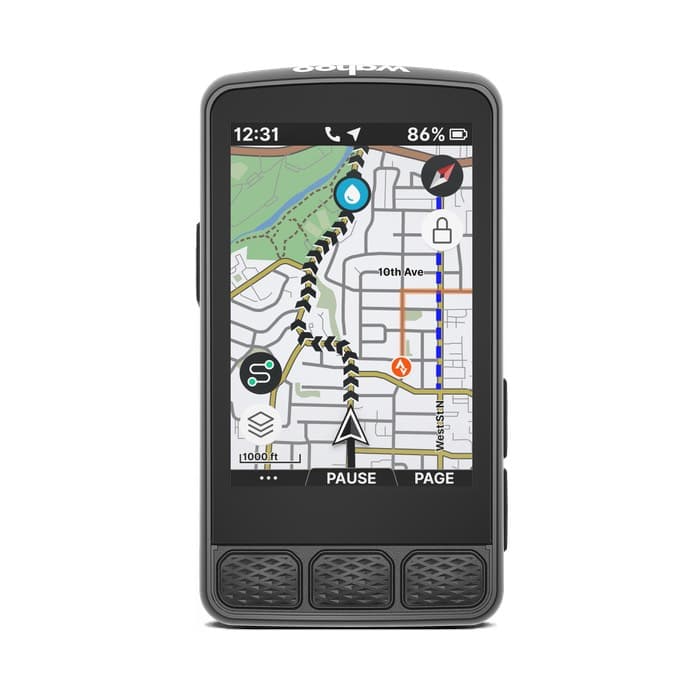
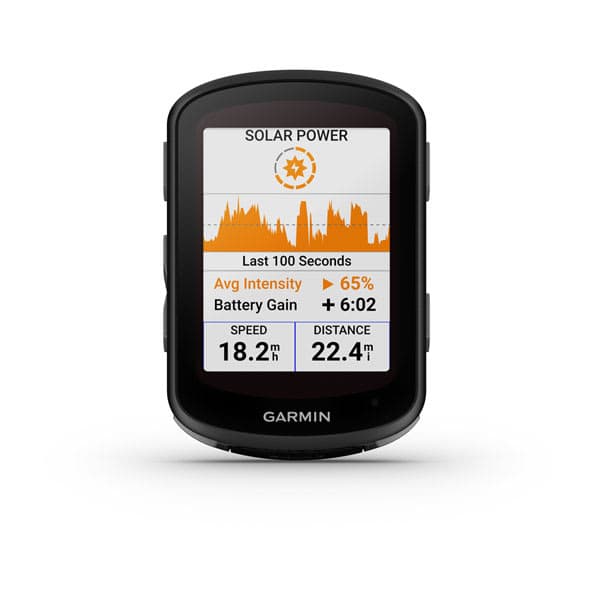
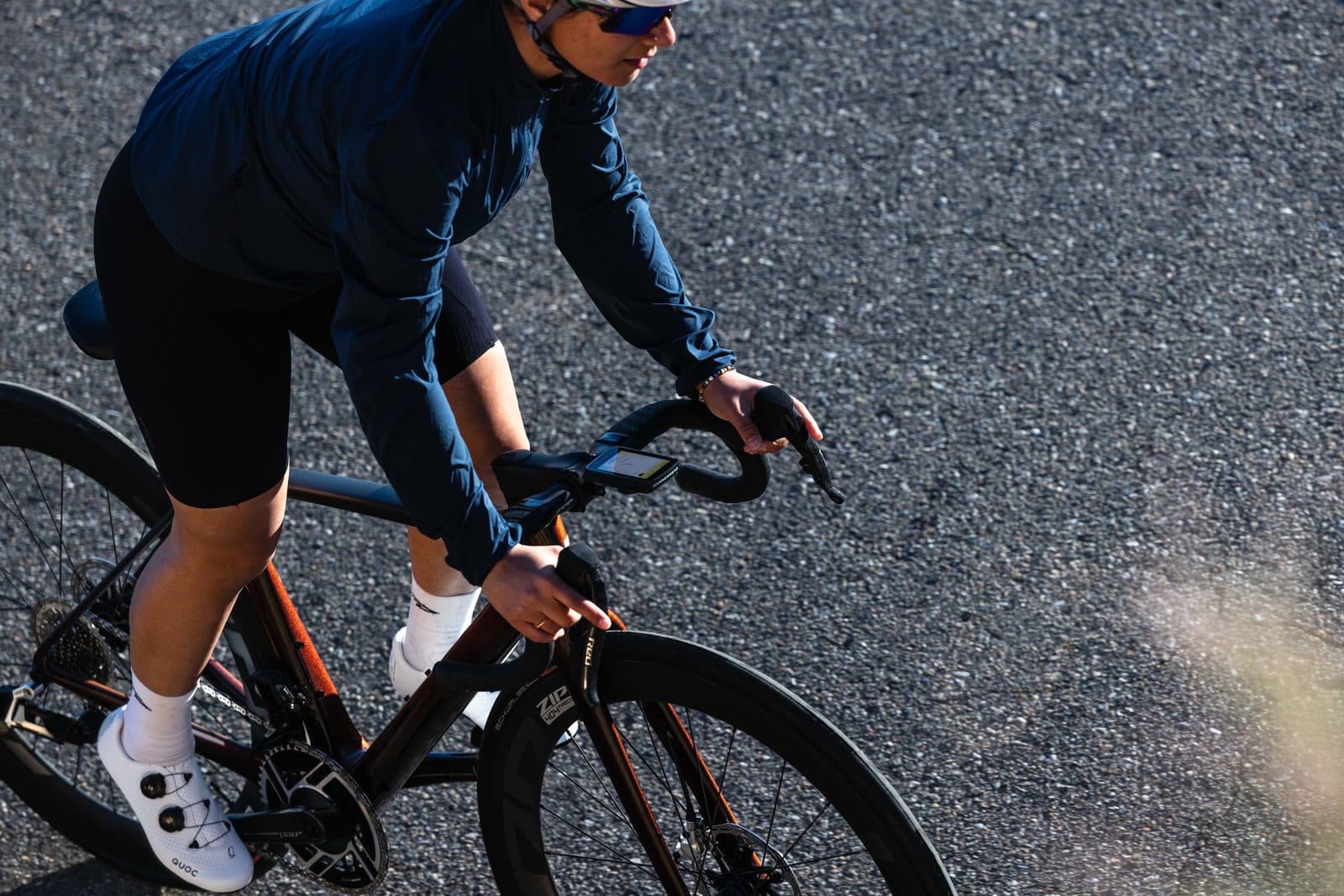
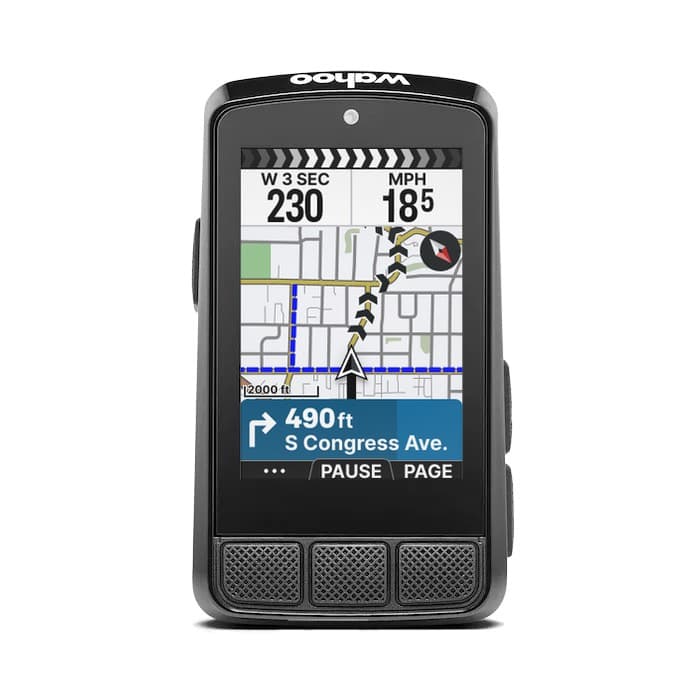
Garmin Maps, Wahoo Simplicity, or a Mini Android?
Feature-count hangtags are the wrong first question. Garmin maps, Wahoo setup, or an Android head unit is the software. Then shop Gavler's live ranking.
The Best Budget Bike Computer in 2026: Sigma ROX 12.0 vs Bryton S800 vs Lezyne Mega XL
Sigma ROX 12.0 Sport vs Bryton Rider S800 vs Lezyne Mega XL — the best budget bike computer under $300 depends on maps, screen, or battery.
The Best Bike Computers in 2026, Ranked by the Riders Who Actually Use Them
Garmin, Wahoo, and Hammerhead GPS units ranked by navigation, training, battery, and display — by the riders who actually use them, not spec sheets.