Mizuno Wave Rider 30.
The best modernization of an old-school classic in 2026. Mizuno swapped in a softer, bouncier Enerzy NXT supercritical-EVA midsole, dropped to an 8 mm drop, and went full-length with the Wave plate — Doctors of Running rate it a versatile workhorse with real upside for faster paces at just $150. Long-time Wave Rider fans who loved the firmer ride are the ones it may lose.
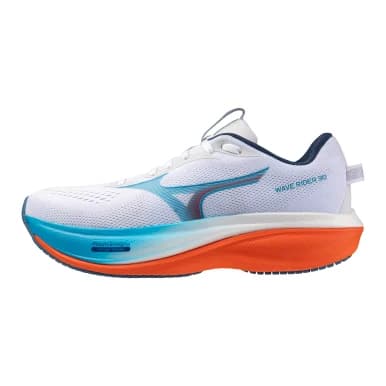
The Verdict.
Gavler Meta-Score
“The value-workhorse pick, and a smartly modernized classic. Buy it for a versatile daily trainer that covers easy miles and picks up honestly for tempo work, on a comfortable wide platform, for just $150 — Doctors of Running call it one of the easiest shoes to justify on price. Do not expect the old firm Wave Rider: the new Enerzy NXT foam is softer and bouncier, which most runners will love but longtime fans of the firm ride may not.”
The Gavler Verdict
The Gavler Review.
Mizuno Wave Rider 30 Review: A 30-Year-Old Classic, Rebuilt for 2026
The Mizuno Wave Rider 30 ranks ninth on our Best Running Shoes list with a 9.0 — and per Doctors of Running, it's the most complete modernization the three-decade-old Wave Rider line has ever received. At $150, buy it for a versatile daily trainer that covers easy miles and genuinely holds up at tempo effort, without the price tag of the shoes above it. The one thing to know going in: this is a real departure from the firmer ride longtime Wave Rider fans grew up on.
What it actually is
The Wave Rider has been Mizuno's neutral flagship for three decades, and the 30 changes more about the shoe than any version before it. Doctors of Running's David Salas identifies three changes working together: a much softer, bouncier supercritical-EVA midsole called Enerzy NXT, a drop reduced to 8mm from the traditional 10-12mm Mizuno used for years, and a now full-length Wave plate that used to be a partial-length feature.
Salas is specific about the foam itself: "The foam midsole is now a supercritical EVA named Enerzy NXT. This midsole is much softer and bouncier than previous Wave Riders." At 9.4 oz in a men's 9 on a 42.5mm heel / 34.5mm forefoot stack, the shoe is competitively light for how much has changed underfoot.
In use
What's notable is that the shoe still feels recognizably like a Wave Rider despite the overhaul — you can feel the plate spoon into the forefoot the way Mizuno's signature Wave technology always has — but with genuinely modern cushioning layered on top. Salas's read on daily use: "The Mizuno Wave Rider 30 is still best for daily runs, but it offers great versatility." That's meaningfully more range than most shoes at this price offer, thanks to the wide, stable base and mild rocker working alongside the softer foam.
Fit is another area where Salas was unambiguous: "This is one of the nicest fitting Mizuno Wave Riders that I have tried" — a spacious, comfortable upper that makes the shoe an easy choice for a two-shoe rotation covering most training needs.
Strengths
- A genuinely modernized ride at a value price. Doctors of Running's blunt assessment: "At $150 I think there is plenty of value here" — a supercritical foam and full-length plate at a price where those features are rare.
- Real versatility, not just easy-mile comfort. The wide, stable base and mild rocker give it credible upside for tempo work, not just daily jogging.
- One of the best-fitting Wave Riders in the line's history, per Salas's direct comparison to past versions.
- Recognizably still a Wave Rider. The full-length plate preserves the signature transition feel Mizuno loyalists know, even as the cushioning underneath is entirely new.
The trade-offs — who should skip it
- It's a real departure from the classic firm Wave Rider ride. The softer Enerzy NXT foam is a deliberate change, and Doctors of Running flags that it may push some traditional, firm-ride-loving fans away.
- There's a slight midfoot slap as the plate engages — a minor but real transition quirk worth knowing about before you buy.
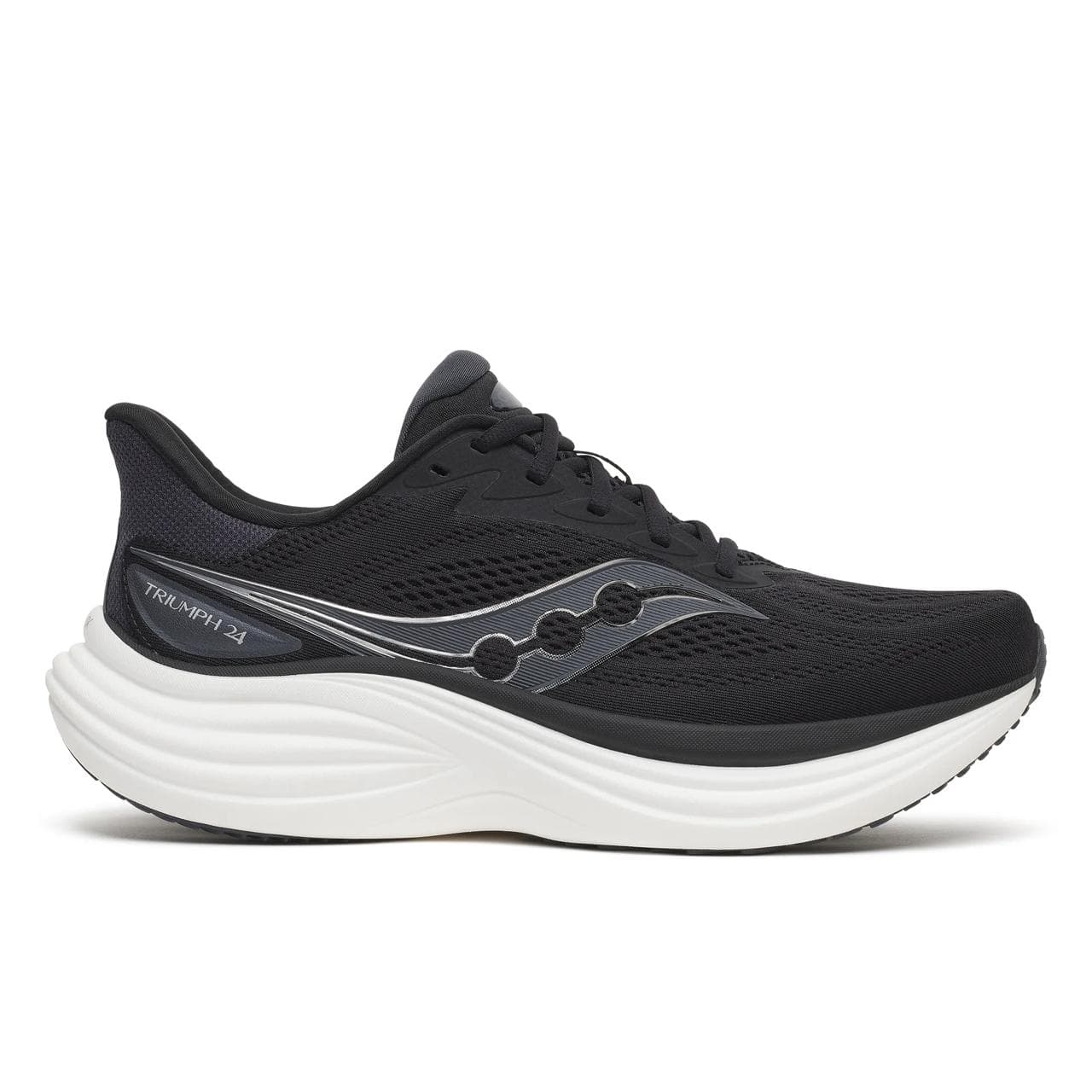
- Not the shoe for maximum plushness. Runners who want the softest possible ride on this list should look at the Saucony Triumph 24 or New Balance 1080 v15 instead — the Wave Rider 30 is a firmer, more workmanlike shoe by comparison.
How it compares
One rank up, the Brooks Ghost 18 is the more conservative alternative at nearly the same $150 price — RunRepeat measured below-average energy return on the Ghost's DNA Loft v3 foam, which makes the Wave Rider 30's modernized Enerzy NXT midsole the livelier, more versatile choice for runners who want some pop underfoot alongside daily-mile reliability.
For runners who land on this shoe wanting even more comfort and less structure, the HOKA Clifton 11 one rank down leans further into pure easy-day plushness, at the cost of the Wave Rider's range into faster paces.
Positioned against the two softer trainers earlier on this list, the Wave Rider 30 is the deliberate middle ground: firmer and more connected than the Saucony Triumph 24 or New Balance 1080 v15, but with more genuine tempo-day range than either. For a runner who splits training between easy days and the occasional faster workout and doesn't want to own two pairs of shoes, that middle ground is exactly the point.
Who should actually buy this
The Wave Rider 30 is the shoe for a runner who wants one pair that does most jobs reasonably well without spending flagship money. It isn't the plushest option on this list, and it isn't the lightest, but Doctors of Running's value framing is the right lens: at $150, the combination of a modernized foam, a full-length plate and a genuinely well-fitting upper is hard to beat. Long-time Wave Rider owners who loved the old firmer ride should try it on before buying, since the Enerzy NXT foam is a real departure — but for most runners shopping this list, it's one of the easiest recommendations here.
The Gavler verdict
A 9.0, with a 90 expert consensus built on Doctors of Running's A grades for fit and value and A- for performance — reviewers call it one of the easiest shoes to justify on price. It sits just below the softest flagships on this list because it's a firmer, more workmanlike ride by design, and because the shift to a bouncier, softer foam is a genuine departure that may not suit every longtime Wave Rider fan. Buy it if you want a versatile, well-fitting daily trainer with real upside for tempo work at a fair price. If you want maximum plushness above all else, look at the Triumph 24 or 1080 v15 instead.
Common Questions
Yes, especially on value. It ranks ninth on Gavler's Best Running Shoes list with a 9.0, and Doctors of Running says at $150 there's plenty of value in a shoe that's best for daily miles but genuinely holds its own at faster paces. The one caveat: it's a real departure from older, firmer Wave Riders, which long-time fans of that ride may not love.
Better than most trainers at this price. Doctors of Running's David Salas found it 'still best for daily runs, but it offers great versatility' — a wide, stable base and a mild rocker give it real upside for tempo work, which isn't typical for a $150 daily trainer.
Three things changed together: a much softer, bouncier supercritical-EVA midsole called Enerzy NXT, a drop reduced to 8mm from the traditional 10-12mm, and a now full-length Wave plate. Doctors of Running found the result still feels like a Wave Rider, but with modern cushioning and versatility added on top.
Buy the Wave Rider 30 if you want more bounce and range into faster paces at a similar price. Buy the Ghost 18 if pure reliability, a roomy fit and two decades of proven consistency matter more to you than energy return — it's the more conservative, workhorse-first choice of the two.
Where to Buy.
Prices checked regularly
90-day price history
Price History
Steady at $150 for the entire 90-day tracking window — no increases, no discounts, across 45 tracked days.
Tracked daily across retailers. Vote Want itabove and we’ll alert you the moment the price drops.
Some links are affiliate links — Gavler may earn a commission. This never affects rankings or scores. Learn more.
Precision Engineering
Enerzy NXT Midsole (New)
A supercritical-EVA foam that Doctors of Running found much softer and bouncier than previous Wave Riders — the core of the shoe's modernization.
Full-Length Wave Plate
The plate now runs the full length of the shoe, preserving the signature Wave Rider transition feel on a softer platform.
9.4 oz (men's 9), 8 mm Drop
A competitive weight and a lowered 8 mm drop that give it real upside for faster paces, not just easy miles.
Technical Specifications
The Scoreboard
The 9.0 reflects strong reviewer enthusiasm — Doctors of Running graded it A for fit and value and A- for performance, calling it one of the easiest shoes to justify on price and a genuinely versatile workhorse. It sits just below the plush flagships because it is a firmer, more workmanlike ride than the softest options here, and because the move to softer Enerzy NXT foam is a deliberate departure that may not suit traditional Wave Rider fans.
Cast Your Vote
Do you think Mizuno Wave Rider 30 deserves the #9 spot in Best Running Shoes?
Global Critique
“The foam midsole is now a supercritical EVA named Enerzy NXT. This midsole is much softer and bouncier than previous Wave Riders.”
“The Mizuno Wave Rider 30 is still best for daily runs, but it offers great versatility.”
“At $150 I think there is plenty of value here.”
“This is one of the nicest fitting Mizuno Wave Riders that I have tried.”
More from Best Running Shoes.
See how other top picks compare in this category.
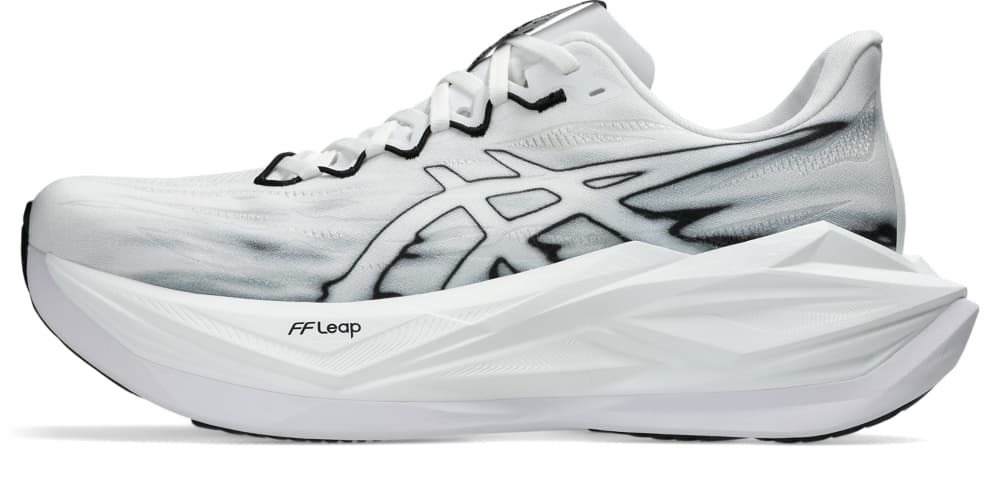
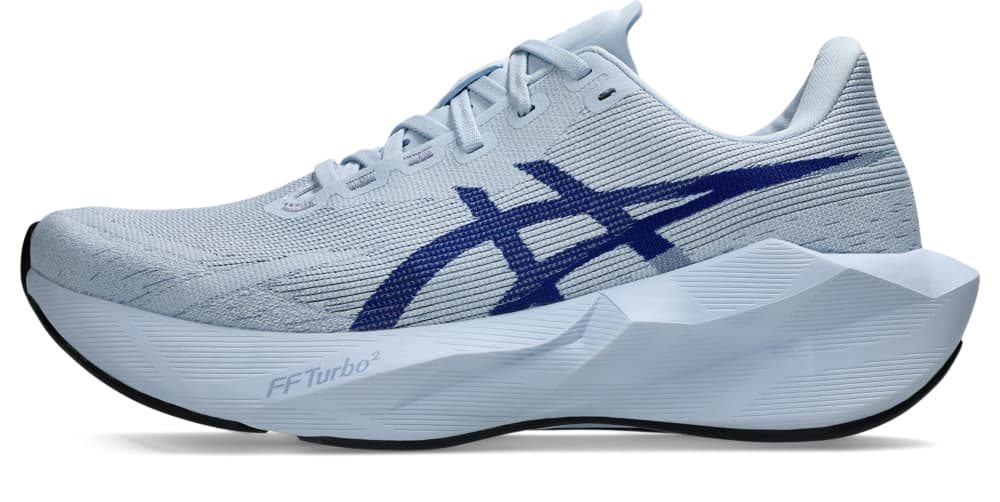
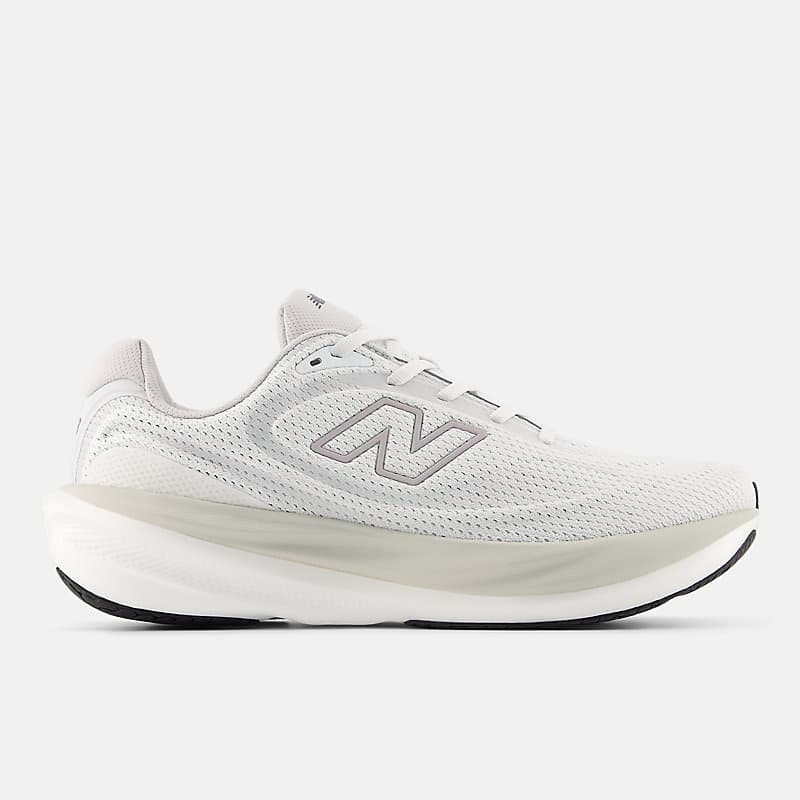
What Kind of Running Shoe Do Your Miles Actually Need?
A carbon plate is the wrong first question. Daily trainer vs max-cushion vs stability vs race-day super shoe is the job. Then shop Gavler's live ranking.
Superblast 3 vs Vomero 18 vs Novablast 6: The Best Daily Trainer of 2026 Costs $155, and It Isn't the Nike
Three shoes dominate every 2026 daily-trainer list: one's a recovery shoe in a trainer's badge, one costs $55 too much, one spec sheet won't survive a caliper.
The $500 Running Shoe Is Not the Fastest One. A $300 Shoe Is Lighter, and a $170 Shoe Is the Smart Buy.
Adidas broke the super-shoe price ceiling at $500. Every outlet that tested it says buy cheaper — and the lab data says the benefit was never about price.
The Best Running Shoes in 2026, Ranked by Runners Who Actually Race Them
Nike, Asics, Hoka, Saucony. Gavler's running community ranks the shoes worth lacing — from $140 daily trainers to $285 marathon weapons.