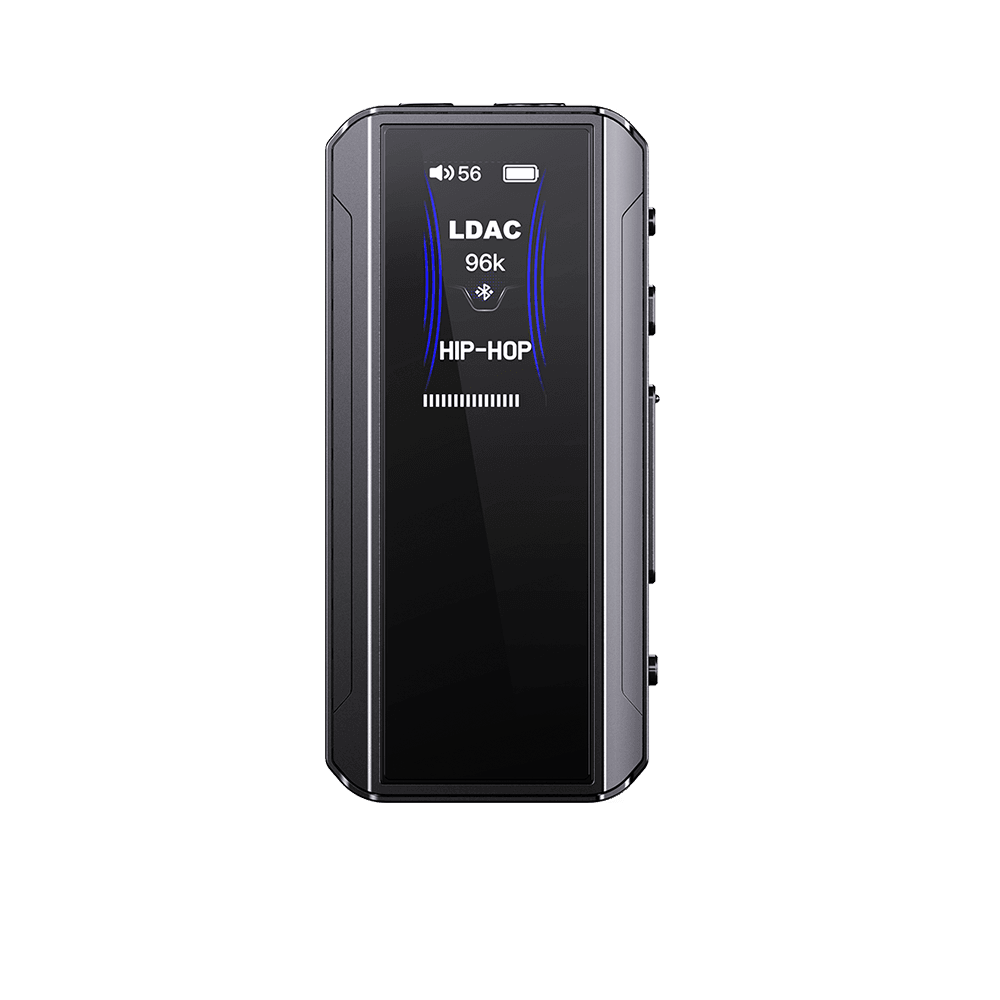
FiiO BTR7.
The BTR7 turns any wired headphone into a hi-res Bluetooth receiver with LDAC, aptX Adaptive, and dual ES9219MQ DACs.
The Verdict.
Gavler Meta-Score
“The BTR7 is the bridge between wired audiophile quality and wireless convenience. Dual ES9219MQ DACs and LDAC support make Bluetooth sound genuinely good, the balanced 4.4mm output drives demanding headphones with authority, and the USB DAC functionality adds wired versatility. At $119, it gives every wired headphone a wireless upgrade path.”
The Gavler Verdict
The Gavler Review.
FiiO BTR7 Review: Wireless Convenience Without the Sonic Compromise
The FiiO BTR7 ranks number seven on Gavler's Best Headphone Amps & DACs list with a 8.8, and it exists for a specific, common frustration: owning genuinely good wired headphones and wanting the convenience of wireless listening without buying a second, worse-sounding pair of Bluetooth cans. Headfonics didn't hedge on the recommendation: "if you're in the market for a $200 or less DAC amp combo then do not neglect to give the BTR7 a look." It's for anyone bridging wired audiophile gear with a phone. The genuine trade-offs, per Headfonics' hands-on testing, are a bulkier body with sharper edges than the previous BTR5, and a control scheme that takes some getting used to.
What it is
The BTR7 is built around dual ESS ES9219MQ DAC chips, handling conversion whether you're using it as a Bluetooth receiver, a USB DAC, or a desktop-style dongle. Bluetooth 5.1 covers every high-res codec currently in wide use — LDAC up to 990kbps, aptX Adaptive, aptX HD, AAC, and SBC — which means the gap between BTR7 wireless and a wired connection is narrower than most Bluetooth listening experiences. Headfonics' technical breakdown confirms the amplification section is the real headline: "not one but two AAA28 THX chips were used on the amp section," part of a three-level architecture FiiO claims is a first-ever dual-THX setup in this device category, delivering "88% more power output on the balanced side and 30% on the single-ended out than their past units."
The standout physical feature is the balanced 4.4mm Pentaconn output — genuinely rare on a portable Bluetooth receiver — paired with a 3-step gain selector to accommodate everything from sensitive IEMs to demanding over-ears. As a USB DAC over USB-C, the BTR7 handles PCM up to 384kHz and DSD256, making it a functional wired DAC as well as a wireless receiver. A 1.3-inch IPS color display shows codec, sample rate, battery, and volume. Headfonics measured the unit at 39.6×83.6×14.6mm and 68 grams — noticeably larger than the outgoing BTR5 — with an anodized metal body that doubles as part of the Bluetooth antenna, a patented FiiO design choice.
In use
Headfonics' sound-quality assessment is direct about where the BTR7 performs best: "this is the mode where the FiiO BTR7 shines the most. I would even dare say that if you're in the market for a $200 or less DAC amp combo then do not neglect to give the BTR7 a look. In particular, if you use a headphone with a balanced connector, the DAC section will surprise you plus the THX power will suffice for most cans you might have." That's specifically about wired dongle mode — using the BTR7 as a USB DAC rather than over Bluetooth — and it's a meaningful endorsement of the hardware quality underneath the wireless functionality.
On the power question, Headfonics found FiiO's own spec conservative: "one low number within the specifications is that FiiO only recommends headphones of up to 150Ω but I'm certain that's a lowball figure since I was successful in powering up some SIVGA SV023 cans which are 300Ω." That's a useful real-world data point for buyers worried the official recommendation undersells the amp's actual headroom — in practice, it drives more than the spec sheet suggests, though extremely demanding planars may still benefit from a dedicated desktop amp.
Not every detail earned praise. Headfonics flagged a genuine ergonomic annoyance: "there is a small quirk with the button pressing sequence because the power button serves more than one function and this sometimes confuses the user... I think the task of that long press to access the menu should be assigned to the menu selector button. Instead, a long press of this menu button will put the Bluetooth transmission into force pairing mode." That's specific, credible usability criticism from extended hands-on use, not a nitpick — the control layout genuinely could be more intuitive.
Strengths
- Dual THX AAA-28 amplification with real power on tap. FiiO's claimed 88% power increase on the balanced output over prior models holds up in Headfonics' testing, driving headphones beyond the conservative 150Ω recommendation.
- A genuinely rare balanced 4.4mm output on a portable Bluetooth device. This is the BTR7's standout physical feature, and it delivers meaningfully more power and staging than the 3.5mm single-ended alternative.
- Full-codec Bluetooth support, including LDAC. Covers every major high-res codec in current use, minimizing the quality gap between wireless and wired listening.
- True three-in-one versatility. Bluetooth receiver, USB DAC, and desktop dongle DAC in a single 68-gram device — genuinely useful for anyone who moves between a phone and a computer.
The trade-offs — who should skip it
- It's noticeably bigger and sharper-edged than its predecessor. Headfonics' own cons list is explicit: "larger than past models" and "sharp edges" — a real ergonomic step back from the more rounded BTR5 for pocket carry.
- The button-press sequence is genuinely confusing at first. Headfonics' detailed walkthrough of the power/menu button overlap is a legitimate usability complaint, not a minor quibble — expect a learning curve before the controls feel natural.
- Battery life drops meaningfully with LDAC engaged. Gavler's scoring notes flag this directly: roughly 6 hours with LDAC versus up to 9 hours on AAC, which matters for all-day use on demanding codecs.
- Bluetooth still has an inherent quality ceiling. Even with LDAC, it's not a full substitute for a wired connection at the most critical listening moments.
How it compares
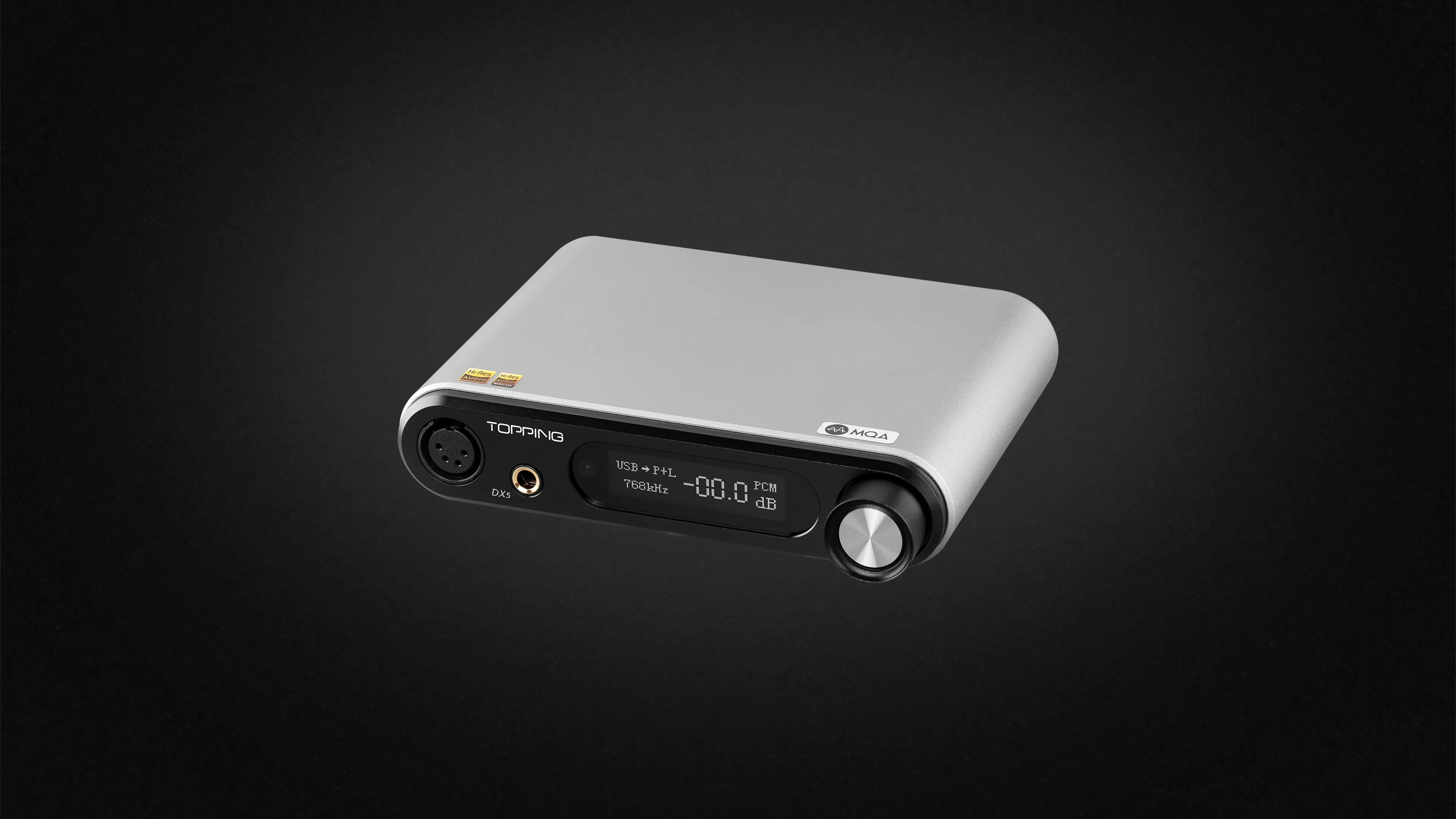
Within the same list, the BTR7 sits one rank below the xDuoo TA-26s, which pursues an entirely different listening philosophy — desktop tube warmth for high-impedance dynamics rather than portable wireless convenience — at roughly double the price. The more direct competitor is the Topping DX5, several ranks up, which offers a desktop-anchored alternative with dual ES9068AS DACs, a remote, and Bluetooth 5.1 for $299 — a better fit if portability matters less than a single all-in-one desktop unit with a display and physical remote.
The Gavler verdict
An 8.8, reflecting strong community enthusiasm for the versatility of one device handling Bluetooth, USB DAC, and balanced output duties, tempered by expert notes about the modest LDAC battery life and Bluetooth's inherent quality ceiling. The FiiO BTR7 is the bridge between wired audiophile headphones and wireless convenience that most listeners actually want — the dual THX amplification and balanced output give it real driving authority, even if the control layout and slightly bulkier body take some adjustment. At $119, it remains one of the most cost-effective ways to add a genuine wireless upgrade path to an existing headphone collection.
Common Questions
Yes, for anyone who wants to use wired headphones wirelessly without a real sonic downgrade. Headfonics called it 'a very versatile piece of gear' and specifically praised the dongle-DAC mode, writing 'if you're in the market for a $200 or less DAC amp combo then do not neglect to give the BTR7 a look.' At $119 it ranks seventh on Gavler's Best Headphone Amps & DACs list with a 8.8 — the honest catches are a bulkier, sharper-edged body than its predecessor and a fiddly button-press sequence.
FiiO officially recommends headphones up to 150Ω, but Headfonics found this conservative in practice, successfully powering 300-ohm cans through the balanced 4.4mm output. Power is rated at roughly 320mW per side balanced at 32Ω, which is genuinely strong for a device this size — most low-to-mid impedance dynamic and planar headphones will run well below their potential rather than starved for power.
Not quite, but close with LDAC engaged. Gavler's scoring notes are direct that 'Bluetooth inherently limits absolute quality' compared to a wired connection, and battery life drops to roughly 6 hours with LDAC versus 9 hours on AAC. For critical listening, the BTR7's USB DAC mode over a wired connection is the better choice; for convenience with a genuinely good wireless upgrade over standard Bluetooth, LDAC on the BTR7 is a real step up.
Buy a desktop unit like the Topping DX5 if you have a fixed listening setup and don't need portability. Buy the BTR7 if you want one device that handles Bluetooth reception, USB DAC duties, and a balanced 4.4mm output for driving demanding headphones from your phone — its versatility as a pocketable, three-in-one device is the actual selling point over any single spec.
Where to Buy.
Prices checked regularly
90-day price history
Price History
Steady at $119 for the entire 90-day tracking window — no increases, no discounts, across 91 tracked days.
Tracked daily across retailers. Vote Want itabove and we’ll alert you the moment the price drops.
Some links are affiliate links — Gavler may earn a commission. This never affects rankings or scores. Learn more.
Precision Engineering
LDAC / aptX Adaptive
Full hi-res Bluetooth codec support up to 990kbps delivers wired-approaching sound quality wirelessly.
Dual ES9219MQ DAC
Dual ESS DAC chips provide audiophile-grade conversion whether used as Bluetooth receiver or USB DAC.
Balanced 4.4mm Output
Pentaconn balanced output on a portable Bluetooth receiver is rare — delivers more power and wider staging than 3.5mm.
Technical Specifications
The Scoreboard
Community values the versatility — one device that handles Bluetooth, USB DAC, and balanced output. Experts note the battery life with LDAC is modest at 6 hours, and Bluetooth inherently limits absolute quality.
Cast Your Vote
Do you think FiiO BTR7 deserves the #7 spot in Best Headphone Amps & DACs?
Global Critique
“The BTR7 combines LDAC Bluetooth connectivity and a decent DAC section with THX amplification. FiiO claims a first-ever dual THX setup in this device category with 88% more power output on the balanced side and 30% on the single-ended out than their past units.”
“Instead of using conventional op-amps, the BTR7 uses a special module called THX AA-28, the fruit of a long-running R&D with the THX company.”
“Power output is conservatively rated at 320 mW per side of the balanced 4.4mm connection at 32Ω. SNR is 118 dB balanced and 115 dB single-ended, with THD+N at 0.00055% balanced and 0.00048% single-ended.”
More from Best Headphone Amps & DACs.
See how other top picks compare in this category.
Should You Buy a Desktop Stack, a Dongle, or a Tube Amp?
Architecture hangtags are the wrong first question. Desktop stack vs portable dongle vs tube vs solid-state come first. Then shop Gavler's live ranking.
The Best Headphone Amps and DACs in 2026, Ranked by the Listeners Who Live in Their Headphones Every Day
Schiit, iFi, FiiO, Topping, Chord, RME, JDS Labs. Gavler ranks the desktop stacks, dongles, and tube amps actually worth buying in 2026.