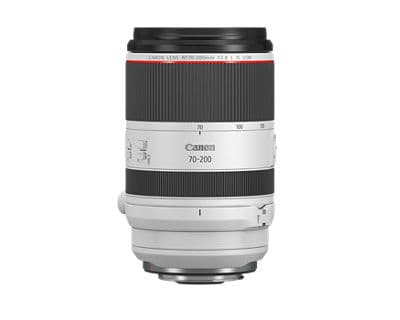
Canon RF 70-200mm f/2.8L IS USM.
The shortest 70-200mm f/2.8 ever made. Internal zoom, dual Nano USM, and the only telephoto that disappears in a kit bag.
The Verdict.
Gavler Meta-Score
“The 70-200 f/2.8 you will actually carry: near-identical optics to Canon's best EF version at two-thirds the weight, with silky, silent dual Nano USM AF. The catch is the extending barrel, which rules out teleconverters entirely — a real limit for anyone who needs more reach.”
The Gavler Verdict
The Gavler Review.
Canon RF 70-200mm f/2.8L IS USM Review: The Telephoto You Actually Carry
The Canon RF 70-200mm f/2.8L IS USM sits at number two on our Best Telephoto Zoom Lenses list with a 9.5, and it earns that spot by solving the one problem every 70-200mm f/2.8 shooter complains about: the size. Buy it if you're a wedding, portrait, or event photographer who carries this lens all day and values a light, packable kit over maximum reach. Skip it if teleconverters are part of your workflow — the collapsing design that makes this lens so portable rules them out entirely, a real limitation for wildlife and long-reach sports shooters.
What it actually is
Canon reinvented the professional 70-200mm f/2.8 by shrinking it, and the numbers back up how significant that shrink is. Cameralabs found it "essentially matches the optical quality of the superb EF 70-200mm f2.8 Mark III, but with a barrel that's two thirds the weight and, when set to 70mm, three-quarter's the length" — a genuinely different lens to carry through a full working day compared to its DSLR-era predecessor. At 1,070 grams with 17 elements in 13 groups, it delivers pro-grade optics in a meaningfully smaller package.
That portability comes from an extending design — the lens physically lengthens as you zoom in order to collapse down to roughly 146mm when retracted. It's the opposite approach from Canon's own RF 50mm and 85mm L primes, which stay a fixed length, and the trade-off that design choice creates is the lens's single biggest limitation, covered below. At $2,799, it's priced in line with the category's other flagship telephoto zooms.
In use
Sharpness holds up across the aperture range rather than requiring you to stop down for the best results. Digital Camera World reported that the lens "hits peak performance at f/4, and is still pretty dang sharp wide open, so you're going to get great results almost irrespective of your aperture." That consistency matters for event and wedding work, where you're often shooting wide open in available light rather than carefully selecting an optimal aperture.
Autofocus performance is where the lens draws its most enthusiastic praise. Digital Camera World described it directly: "the Floating Focus system and twin nano USM motors really do result in silky smooth and ninja-quiet AF" — fast and quiet enough for R5 and R3 sports and event tracking, and notably quiet for video work where autofocus motor noise can be picked up by an on-camera microphone. Cameralabs' broader optical assessment reinforced that the size reduction genuinely didn't cost image quality: this is a lens that matches its EF predecessor's rendering while asking far less of the person carrying it.
Where it shines
- The shortest 70-200mm f/2.8 ever made. At roughly two-thirds the weight and three-quarters the length of Canon's own EF version when collapsed, this is a lens that disappears into a kit bag rather than dominating it.
- Autofocus fast and quiet enough for anything short of professional wildlife tracking. The dual Nano USM motors and Floating Focus system deliver AF performance Digital Camera World called "ninja-quiet," a real advantage for video-adjacent event work.
- Sharpness that doesn't force a compromise on aperture. Peak performance arrives at f/4, but wide-open results at f/2.8 remain strong — you don't have to sacrifice light-gathering for sharpness.
The trade-offs — who should skip it
This is the most portable pro-grade 70-200mm f/2.8 on the list, not the most versatile, and the honest reasons to buy something else are specific:
- No teleconverter compatibility, at all. Digital Camera World was blunt about this: "the collapsing mechanism has one serious side effect for anyone wanting to use this lens with a teleconverter: you can't." If your work occasionally needs 280mm or 400mm of reach via a 1.4x or 2x converter, this lens closes that door entirely.
- The extending design raises durability and feel questions for some buyers. A barrel that physically lengthens during use isn't inherently a problem, but some photographers accustomed to internal-zoom L lenses find it feels less premium and are more cautious about weather sealing in the field.
- Wildlife and long-reach sports shooters need more than 200mm. This lens is optimized for portability at a focal length that tops out at 200mm — if extended reach is a regular requirement, a longer super-telephoto zoom is the better tool.
How it compares
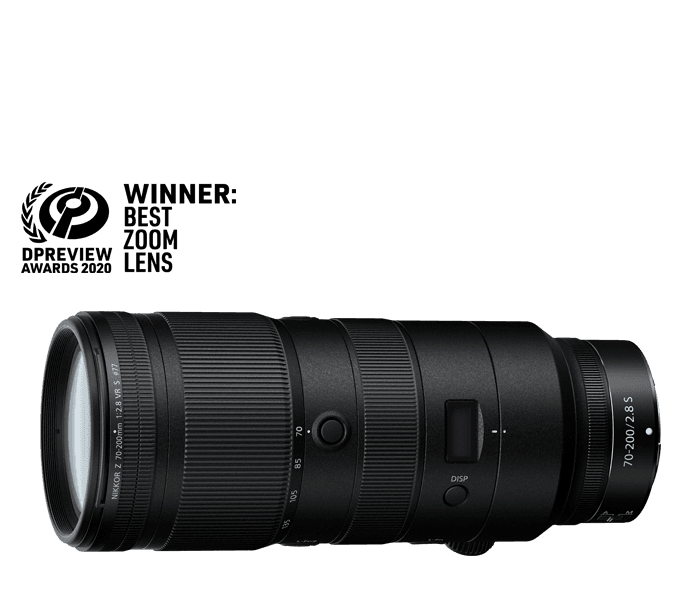
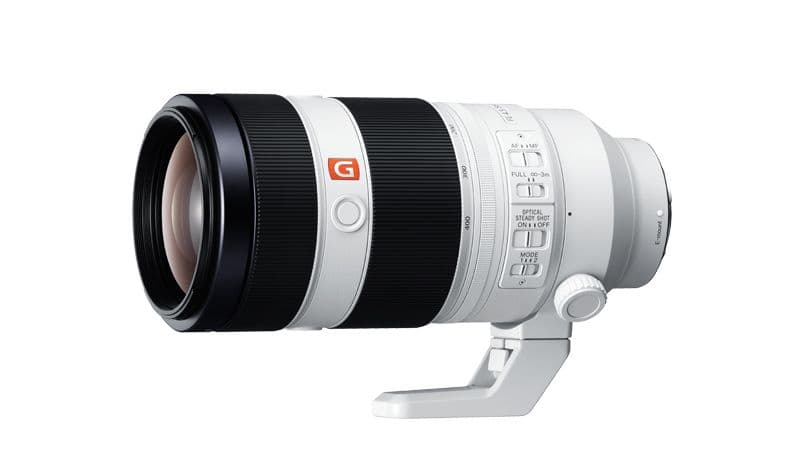
On its own list, the RF 70-200mm f/2.8L sits directly behind the segment's overall leader and above a strong Nikon rival. The Sony FE 70-200mm f/2.8 GM OSS II at rank one takes the opposite design philosophy — an internal zoom that stays a fixed length and remains fully teleconverter-compatible, at 1,045 grams, making it the pick for photographers who need both portability and reach flexibility. The Nikon Z 70-200mm f/2.8 VR S at rank three is heavier at 1,360 grams but delivers exceptional edge-to-edge sharpness with full internal-zoom stability on a gimbal, a consideration for video-heavy shooters on the Nikon system.
The Canon's case is specific: for photographers who carry this lens for entire wedding days or multi-hour events and never reach for a teleconverter, nothing else in this class is this light or this quick to focus.
The Gavler verdict
A 9.5, reflecting near-universal praise for the size-to-performance ratio, sharpness, and quiet autofocus, with the extending design's teleconverter incompatibility as the one consistent, real caveat. This is the 70-200mm f/2.8 you will actually carry: near-identical optics to Canon's best EF version at two-thirds the weight, with silky, silent dual Nano USM autofocus. The catch is real — no teleconverter support — but for the portrait, wedding, and event photographers this lens is built for, it's rarely a dealbreaker. For anyone who needs the extra reach, the Sony GM OSS II on this same list keeps that door open.
Common Questions
For wedding, portrait, and event photographers who value portability over maximum reach, yes. It ranks second on Gavler's Best Telephoto Zoom Lenses list with a 9.5, and Cameralabs found it matches the optical quality of Canon's best EF 70-200mm at roughly two-thirds the weight. The one real limitation is teleconverter compatibility — the collapsing design rules them out entirely, which matters if you shoot wildlife or sports that demand extra reach.
Unlike Canon's older EF 70-200mm design, this RF version physically extends as it zooms in order to collapse down to a much shorter length when retracted. Digital Camera World specifically flagged this as 'one serious side effect for anyone wanting to use this lens with a teleconverter: you can't.' If 1.4x or 2x teleconverter reach is part of your workflow, this lens rules that out entirely.
Cameralabs measured it at roughly two-thirds the weight of the EF 70-200mm f/2.8 Mark III, and at 70mm it's about three-quarters the length. At 1,070 grams total, that's a meaningful difference for photographers who carry this lens for entire wedding days or multi-hour events.
Yes, for most use cases. Digital Camera World called the Floating Focus system and twin Nano USM motors 'silky smooth and ninja-quiet,' fast enough for R5 and R3 sports and event tracking. The limiting factor for wildlife specifically is the lack of teleconverter compatibility, not autofocus speed — if you need more than 200mm of reach, this isn't the lens for that job.
Where to Buy.
Prices checked regularly
90-day price history
Price History
Steady at $2,799 for the entire 90-day tracking window — no increases, no discounts, across 91 tracked days.
Tracked daily across retailers. Vote Want itabove and we’ll alert you the moment the price drops.
Some links are affiliate links — Gavler may earn a commission. This never affects rankings or scores. Learn more.
Precision Engineering
Shortest 70-200 f/2.8 Made
An extending design collapses to about 146mm and 1,070g — Cameralabs measured roughly two-thirds the weight of Canon's EF 70-200 f/2.8 III at three-quarters the length.
Silky, Silent Dual Nano USM
A floating focus system and twin Nano USM motors deliver AF that Digital Camera World called 'silky smooth and ninja-quiet,' fast enough for R5 and R3 sports and events.
Sharp Across the Range
Peak sharpness arrives at f/4 and holds up wide open, with 17 elements in 13 groups matching the optical quality of Canon's best EF 70-200.
Technical Specifications
The Scoreboard
Reviewers near-universally praise the size-to-performance ratio, sharpness, and quiet AF; the recurring caveats are that the extending design blocks teleconverter use and feels less premium than an internal-zoom L.
Cast Your Vote
Do you think Canon RF 70-200mm f/2.8L IS USM deserves the #2 spot in Best Telephoto Zoom Lenses?
Global Critique
“In terms of sharpness the lens hits peak performance at f/4, and is still pretty dang sharp wide open, so you're going to get great results almost irrespective of your aperture – as you'd rightly expect.”
“The Floating Focus system and twin nano USM motors really do result in silky smooth and ninja-quiet AF.”
“It essentially matches the optical quality of the superb EF 70-200mm f2.8 Mark III, but with a barrel that's two thirds the weight and, when set to 70mm, three-quarter's the length.”
“Finally, the collapsing mechanism has one serious side effect for anyone wanting to use this lens with a teleconverter: you can't.”
More from Best Telephoto Zoom Lenses.
See how other top picks compare in this category.

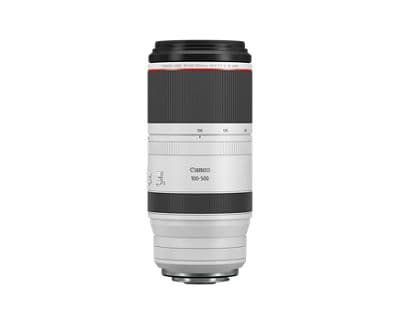
Is This a 70-200 Day, or a 600mm Day?
A 70-200 hangtag is the wrong first question. Events at f/2.8, or wildlife at 500–600mm, is the reach you work. Then shop Gavler's live ranking.
Samyang's 60-180mm f/2.8 Is the Cheapest Way Into Sony's f/2.8 Telephoto Club
Samyang's AF 60-180mm f/2.8 FE gives Sony a constant-aperture telephoto for about $1,000 and 730g — a third the price of the 70-200mm GM atop our list.