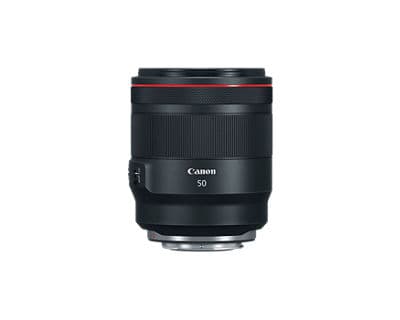
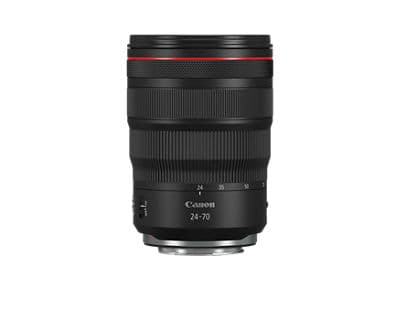
Canon RF 24-70mm f/2.8L IS USM.
Canon's only standard zoom with image stabilization in this class. A do-everything workhorse for the R5 and R5 Mark II.
The Verdict.
Gavler Meta-Score
“The RF 24-70mm f/2.8L IS is Canon's workhorse zoom, and the built-in stabilization gives it a genuine advantage for handheld shooters that no competitor matches. The optical quality meets L-series standards, and the IS + IBIS combination is transformative for low-light event work. The premium price is the trade-off for a feature set that no other standard zoom offers.”
The Gavler Verdict
The Gavler Review.
Canon RF 24-70mm f/2.8L IS USM Review: The Only Stabilized Standard Zoom
The Canon RF 24-70mm f/2.8L IS USM ranks number 8 on Gavler's Best Camera Lenses list with a 8.8. It's built for Canon shooters — event photographers, photojournalists, documentary shooters — who regularly work handheld in low light and want a standard zoom that won't force a tripod. The trade-off is price: at roughly $2,400, it's the most expensive lens in its class, and Digital Camera World's verdict captured the tension neatly: "it's frankly a damned fine lens, it's also a damned expensive one."
What it is
The RF 24-70mm f/2.8L IS holds a distinction no rival standard zoom shares: built-in optical image stabilization. Sony and Nikon's 24-70mm f/2.8 lenses rely entirely on their cameras' in-body stabilization, but Canon's optical IS delivers up to 5 stops on its own, and pairs with the R5 and R5 Mark II's IBIS for a combined effect. The L-series build brings weather sealing, a fluorine-coated front element, and Canon's Nano USM focus motor, which Digital Camera World described as "as close to silent as things get, with fast focus acquisition and super smooth focus following" — a real advantage for both stills autofocus and video work.
In use
Digital Camera World's hands-on testing highlighted two genuine upgrades over the older EF-mount version: focus breathing suppression and closer minimum focus. "The fact that the RF 24-70mm doesn't breathe is a very fine feather to its bow," the review noted, calling it especially valuable for video work where breathing artifacts are distracting. Minimum focus distance improved substantially too — down to 21cm at the wide end from 38cm on the EF lens, with maximum magnification improving from 0.21x to 0.3x.
Center sharpness impressed across the board: "Wide open at f/2.8, it's slightly sharper in the first half of its zoom range, but there's very little in it... it's easily sharp enough at f/2.8 that you wouldn't hesitate to use this lens wide open." Edge sharpness is where the lens falls short of its price tag. Digital Camera World's lab results were direct: "the edge sharpness at 70mm remains very average, though, and it's a mildly disappointing performance from a premium professional lens." The review added the caveat that this "is fine (perhaps even preferable) for portraiture" but noted "those for whom corner sharpness is important won't be as wowed."
Strengths
The stabilization advantage is real and measurable. Combined with body IBIS, it enables handheld shooting at shutter speeds that would otherwise demand a tripod or monopod — a genuine differentiator for wedding, event, and documentary photographers who can't always control their light. The-Digital-Picture's testing reached a similar conclusion about the practical payoff: the 5-stop IS "enables dramatically better results with still or slow-moving subjects in low light." Color fringing and distortion are both well controlled and correct cleanly in software, and the L-series build quality — weather sealing, robust construction — holds up to daily professional use.
The trade-offs — who should skip it
The price is the central trade-off, and it's steep even within Canon's own L-series lineup. Digital Camera World's cons list was blunt: "Hefty price tag" and "Average edge sharpness." Studio and tripod-based shooters who don't need handheld stabilization get little practical benefit from the IS and are paying a real premium over third-party alternatives — Sigma's 24-70mm f/2.8 Art runs roughly $1,099 in RF mount, less than half the price, for optics that are competitive if not quite identical. Landscape and architecture photographers who care about corner-to-corner sharpness at the telephoto end should also weigh the edge-sharpness compromise carefully before paying the L-series premium.
How it compares
On Gavler's Best Camera Lenses list, the closest style match is the Fujifilm XF 56mm f/1.2 R WR, ranked 9 — a different focal length and system entirely, but a similar story of a premium, weather-sealed lens whose price is justified by a specific optical advantage rather than blanket superiority. For a genuine value alternative within reach of Canon RF shooters, the Tamron 28-75mm f/2.8 Di III VXD G2, ranked 7 on the same list, delivers near-professional-grade sharpness for a fraction of the Canon's price, at the cost of the Canon's unique optical stabilization and the extra 5mm of reach at the long end.
The Gavler verdict
The RF 24-70mm f/2.8L IS USM is Canon's workhorse standard zoom, and the built-in stabilization gives it a genuine, quantifiable advantage that no competing 24-70mm f/2.8 can match — that's worth the premium for photographers who regularly shoot handheld in challenging light. The optical performance is strong through the center of the frame, though the merely average edge sharpness at 70mm keeps it from being an unqualified win at this price. If you shoot Canon and need the IS, this is the lens to buy. If you shoot from a tripod or don't need optical stabilization, the far cheaper Sigma alternative deserves serious consideration first.
Common Questions
For Canon shooters who work handheld in low light, yes — Gavler scores it 8.8 and it remains the only standard f/2.8 zoom in its class with built-in optical stabilization. Digital Camera World called it "a damned fine lens," though also "a damned expensive one," so the value case depends on how much you use the IS.
Edge sharpness at the telephoto end. Digital Camera World's lab testing found "the edge sharpness at 70mm remains very average, though, and it's a mildly disappointing performance from a premium professional lens" — fine for portraits, less ideal for corner-critical landscape work.
It's still useful. Canon's current EOS R bodies combine the lens's 5-stop optical IS with in-body stabilization for a coordinated effect, and Digital Camera World noted the addition of stabilization is "a real game-changer — especially given that the two (current) EOS R bodies both lack IBIS" at the lens's 2019 launch.
Where to Buy.
Prices checked regularly
90-day price history
Price History
Steady at $2,399 for the entire 90-day tracking window — no increases, no discounts, across 91 tracked days.
Tracked daily across retailers. Vote Want itabove and we’ll alert you the moment the price drops.
Some links are affiliate links — Gavler may earn a commission. This never affects rankings or scores. Learn more.
Precision Engineering
Built-In Optical IS
Up to 5 stops of optical image stabilization — the only standard f/2.8 zoom with IS, working synergistically with body IBIS.
L-Series Build Quality
Weather-sealed, fluorine-coated front element, and robust construction built for daily professional use.
Nano USM Autofocus
Smooth, silent AF for video with decisive acquisition for stills — full compatibility with Eye Control AF.
Technical Specifications
The Scoreboard
Experts value the unique IS advantage and L-series reliability. Community scores reflect the higher price compared to Sony and Sigma alternatives, and optical performance that is strong but not class-leading.
Cast Your Vote
Do you think Canon RF 24-70mm f/2.8L IS USM deserves the #8 spot in Best Camera Lenses?
Global Critique
“Image quality is slightly better than its EF predecessor, and the 5-stop image stabilization enables dramatically better results with still or slow-moving subjects in low light.”
“This lens will grow on you — superb central sharpness and the unique advantage of built-in IS, though the corners stay a touch unrefined for demanding landscape work.”
“Optically very good, with the bonus of optical stabilization that remains unique in this lens class.”
More from Best Camera Lenses.
See how other top picks compare in this category.