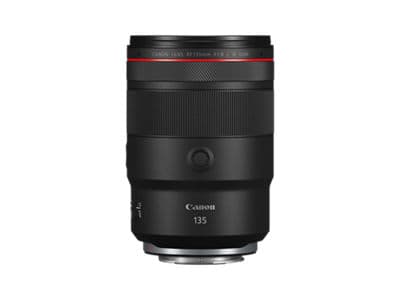
Canon RF 135mm f/1.8L IS USM.
Canon's modern 135mm with image stabilization. The longer-reach portrait option for R-system shooters who already own the 85mm L.
The Verdict.
Gavler Meta-Score
“The sharpest lens OpticalLimits says it has ever tested, and the only 135mm f/1.8 in its class with optical stabilization — a real handheld low-light edge for Canon shooters. You pay for it in size, price, and a slightly nervous transition-zone bokeh reviewers single out.”
The Gavler Verdict
The Gavler Review.
Canon RF 135mm f/1.8L IS USM Review: The Only Stabilized Lens in Its Class
The Canon RF 135mm f/1.8L IS USM ranks number 10 on Gavler's Best Portrait Lenses list with an 8.4, and it arrived with a feature no rival 135mm f/1.8 offers: real optical stabilization. OpticalLimits called it "one of the sharpest - if not the sharpest - lens that we've ever tested," and PetaPixel's hands-on review found the image quality "superb, featuring excellent color rendition, fantastic background defocus (bokeh), edge-to-edge sharpness, and no or next-to-no chromatic aberration or vignetting." The trade-offs are size, price, and — reviewers agree on this one specifically — an absurdly oversized bundled lens hood.
What it is
Canon's RF 135mm uses 17 elements in 12 groups, including three Ultra-Low Dispersion elements, paired with Air Sphere Coating to control ghosting and flare. Nano USM autofocus motors drive focus with what PetaPixel describes as a "near (but not totally) silent" motor — quiet enough for most shooting, though video shooters selecting on-camera audio should account for it. At 935 grams, PetaPixel measured it "about 15 grams lighter than the Sony 135mm GM," making the weight difference between the two systems' flagship 135mm primes essentially a wash.
The real headline is stabilization: PetaPixel measured "5.5 stops of image stabilization" from the lens alone, "and works in conjunction with the stabilization in the R6 Mark II to provide up to eight stops." That's a category-defining feature, since neither the Sony FE 135mm f/1.8 GM nor the Sigma 135mm f/1.8 Art offer any optical stabilization at all. At $2,099, it commands a real premium — a control ring replaces a traditional aperture ring, which PetaPixel's reviewer found "particularly noticeable having just shot with Fuji and Sony lenses that feature such dials."
In use
Image quality lives up to the specification sheet. PetaPixel's real-world portrait testing found the lens "upsettingly sharp" for headshot work, with "excellent skin tone accuracy and a fantastic amount of detail," and "very little distance needed between subject and background to defocus the photo" at f/1.8. OpticalLimits' more technical lab testing backs this up with one of the strongest sharpness results the site has recorded for any lens, at any price.
The stabilization is where this lens genuinely separates itself from every rival in the class. PetaPixel's low-light handheld testing found it made "a huge difference" — "being able to handhold a lens in low light while being confident the field of view would stay stable enough to maintain a lock on a subject's eye made shooting the lens much more accessible than any other system I've used." Their direct comparison to Sony is blunt: "Even Sony's superb 135mm lens can't touch the stability found in the Canon system, as Sony's 135mm G Master lacks optical image stabilization."
The complaints are specific rather than fundamental. OpticalLimits flags "a curious flaw" in the bokeh: some "technical" rendering in the focus-transition zone — the area between sharp focus and full blur — that shows a touch more busy-ness than the smoothest 135mm primes achieve. And every reviewer who has handled this lens mentions the hood. PetaPixel doesn't mince words: "That is one BIG lens hood," describing it as "massive, silly, repurposed" from Canon's 600mm super-telephoto, adding 76 grams for what amounts to more shading than the lens could ever need. Their prediction: "I suspect some customers will leave their lens hood at home rather than bring it in their camera bag."
Strengths
- Stabilization no rival in this class offers. PetaPixel's measured 5.5 stops (up to 8 with IBIS) is a genuine, unique advantage for handheld low-light portrait and event work.
- Sharpness that reviewers call some of the best they've tested, at any price. Both OpticalLimits and PetaPixel independently rated this lens among the sharpest they've ever handled.
- A control ring built for fast, tactile adjustment. Even without a traditional aperture ring, PetaPixel found the customizable barrel-mounted ring genuinely useful for quick setting changes mid-shoot.
The trade-offs — who should skip it
- A comically oversized hood. PetaPixel's verdict is unambiguous — it's borrowed from a 600mm lens and most photographers will simply leave it at home.
- No physical aperture ring. Unlike Fuji and Sony primes in the same category, aperture control lives on a control ring rather than a dedicated dial, a real ergonomic difference for photographers who've built muscle memory around physical aperture rings.
- Slightly nervous transition-zone bokeh. OpticalLimits' "curious flaw" is a minor but real knock against otherwise best-in-class rendering, worth auditioning before you buy if silky-smooth defocus is your top priority.
How it compares
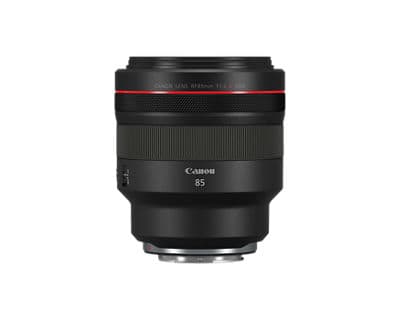
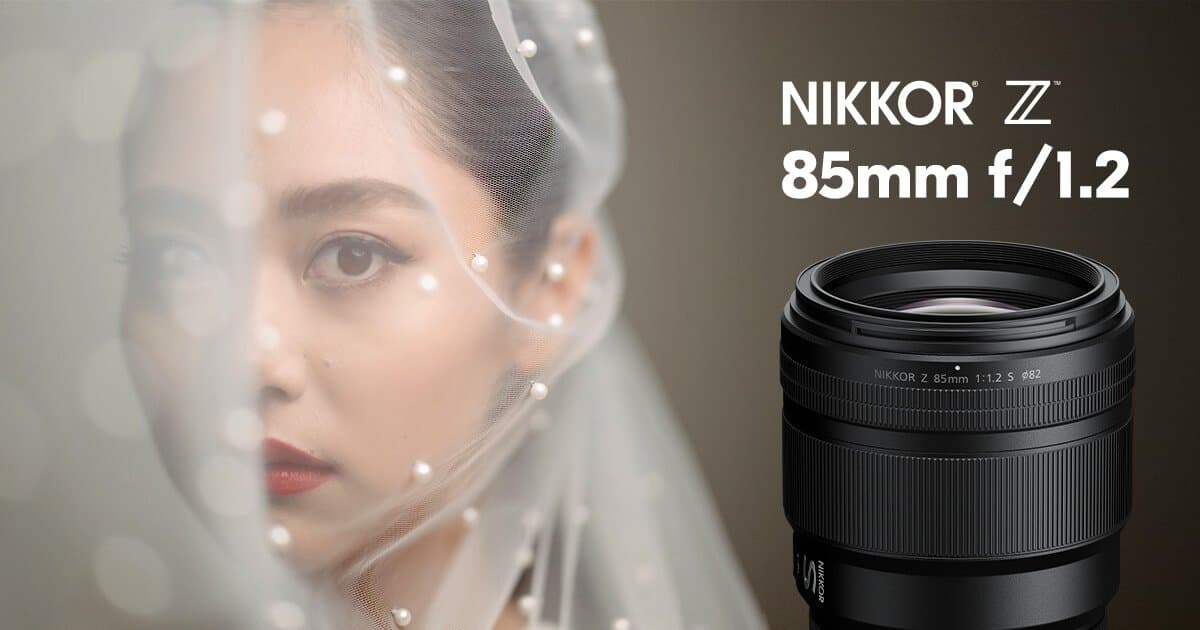
On the same Best Portrait Lenses list, the Sony FE 135mm f/1.8 GM ranks 9, just above the Canon — OpticalLimits calls its performance "almost impeccable" too, and it's marginally lighter, but it has no stabilization at all, the exact gap the Canon exists to close. The Sigma 85mm f/1.4 DG DN Art at rank 7 is a different focal length and a very different price point — DxOMark found it "practically as sharp in the center wide-open" as Nikon's $2,799 Z 85mm f/1.2 S for roughly a third of the cost, the budget-conscious alternative for photographers who don't need the reach of a 135mm.
Within Canon's own RF lineup, there's effectively no alternative — Canon's third-party lens restrictions mean this is the only 135mm f/1.8 available to R-system shooters, making the real comparison Sony and Sigma's rival systems rather than anything else on the Canon side.
The Gavler verdict
An 8.4 for a lens that does something genuinely unique in its class: real optical stabilization on a fast 135mm prime, paired with sharpness OpticalLimits ranks among the best it has ever tested. The honest trade-offs — an oversized hood, no physical aperture ring, and slightly busy transition-zone bokeh — are specific complaints rather than dealbreakers. For Canon R-system portrait, wedding, and event shooters, especially anyone who already owns the RF 85mm f/1.2 and wants longer reach with genuine handheld stability, it's the standout pick.
Common Questions
For Canon R-system portrait and wedding photographers, yes. OpticalLimits called it 'one of the sharpest - if not the sharpest - lens that we've ever tested,' and it's the only 135mm f/1.8 in its class with optical image stabilization. It ranks number 10 on Gavler's Best Portrait Lenses list with an 8.4 at $2,099.
A lot, according to PetaPixel's hands-on testing: 'The lens provides 5.5 stops of image stabilization and works in conjunction with the stabilization in the R6 Mark II to provide up to eight stops.' Neither the Sony nor Sigma 135mm rivals offer any optical stabilization at all, making this a genuine handheld low-light advantage unique to Canon.
The lens hood. PetaPixel calls it 'massive, silly, repurposed' from Canon's 600mm RF lens, adding 76 grams and predicting 'some customers will leave their lens hood at home rather than bring it in their camera bag.' OpticalLimits separately flags a 'curious flaw' — some 'technical bokeh' in the focus transition zone.
Where to Buy.
Prices checked regularly
90-day price history
Price History
Steady at $2,099 for the entire 90-day tracking window — no increases, no discounts, across 91 tracked days.
Tracked daily across retailers. Vote Want itabove and we’ll alert you the moment the price drops.
Some links are affiliate links — Gavler may earn a commission. This never affects rankings or scores. Learn more.
Precision Engineering
5.5-Stop IS (8 with IBIS)
The only 135mm f/1.8 with optical stabilization: PetaPixel measured 5.5 stops on its own, rising to roughly eight stops paired with an R6 Mark II's in-body IS.
Class-Leading Sharpness
17 elements in 12 groups with three UD elements produce what OpticalLimits called one of the sharpest results it has ever tested — edge to edge, wide open at f/1.8.
9-Blade Aperture, 82mm Filter
A 9-blade rounded diaphragm and Air Sphere Coating deliver smooth bokeh and strong flare control, though transition-zone rendering can look slightly busy.
Technical Specifications
The Scoreboard
Critics rate it at or near the sharpest lens they have tested, and its 5.5-stop IS (up to eight with IBIS) is unmatched in the class; the noted trade-offs are some 'technical' transition-zone bokeh, a comically oversized hood, and a high price.
Cast Your Vote
Do you think Canon RF 135mm f/1.8L IS USM deserves the #10 spot in Best Portrait Lenses?
Global Critique
“The Canon RF 135mm f/1.8 L IS USM is one of the sharpest - if not the sharpest - lens that we've ever tested.”
“The lens provides 5.5 stops of image stabilization and works in conjunction with the stabilization in the R6 Mark II to provide up to eight stops.”
“Unsurprisingly, the image quality from the lens is superb, featuring excellent color rendition, fantastic background defocus (bokeh), edge-to-edge sharpness, and no or next-to-no chromatic aberration or vignetting.”
“A curious flaw is the 'technical bokeh' in the focus transition zone.”
More from Best Portrait Lenses.
See how other top picks compare in this category.
How Close Do You Stand to the Face?
An f/1.2 hangtag is the wrong first question. 50mm, 85mm, or 135mm is the distance you work. Then shop Gavler's live ranking.
The Best Portrait Lenses in 2026, Ranked by the Photographers Who Shoot Faces for a Living
Canon, Nikon, Sony, and Sigma's fastest 50mm, 85mm, and 135mm primes — Gavler's community ranks the portrait lenses worth the money, from $1,199 to $2,799.