The Verdict
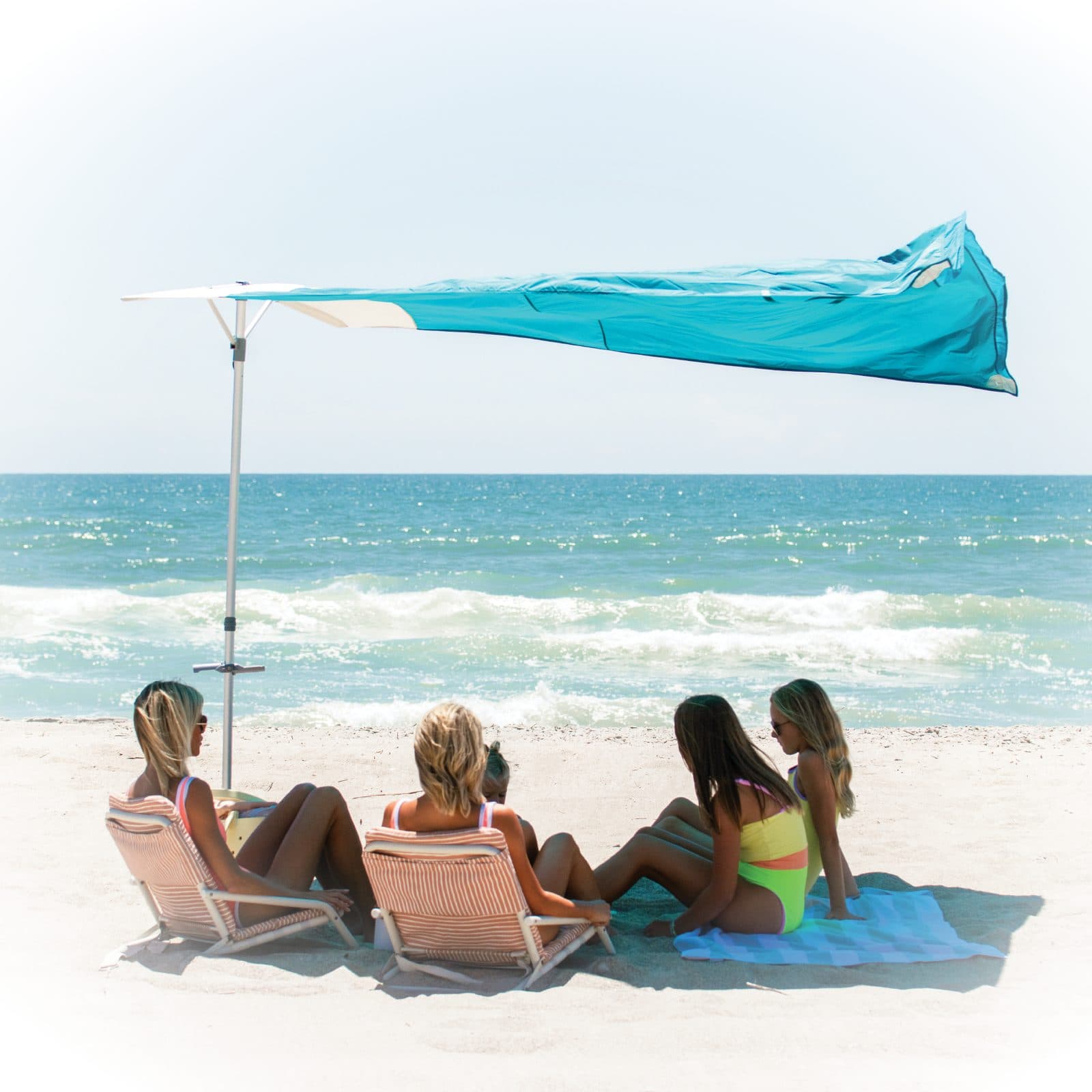
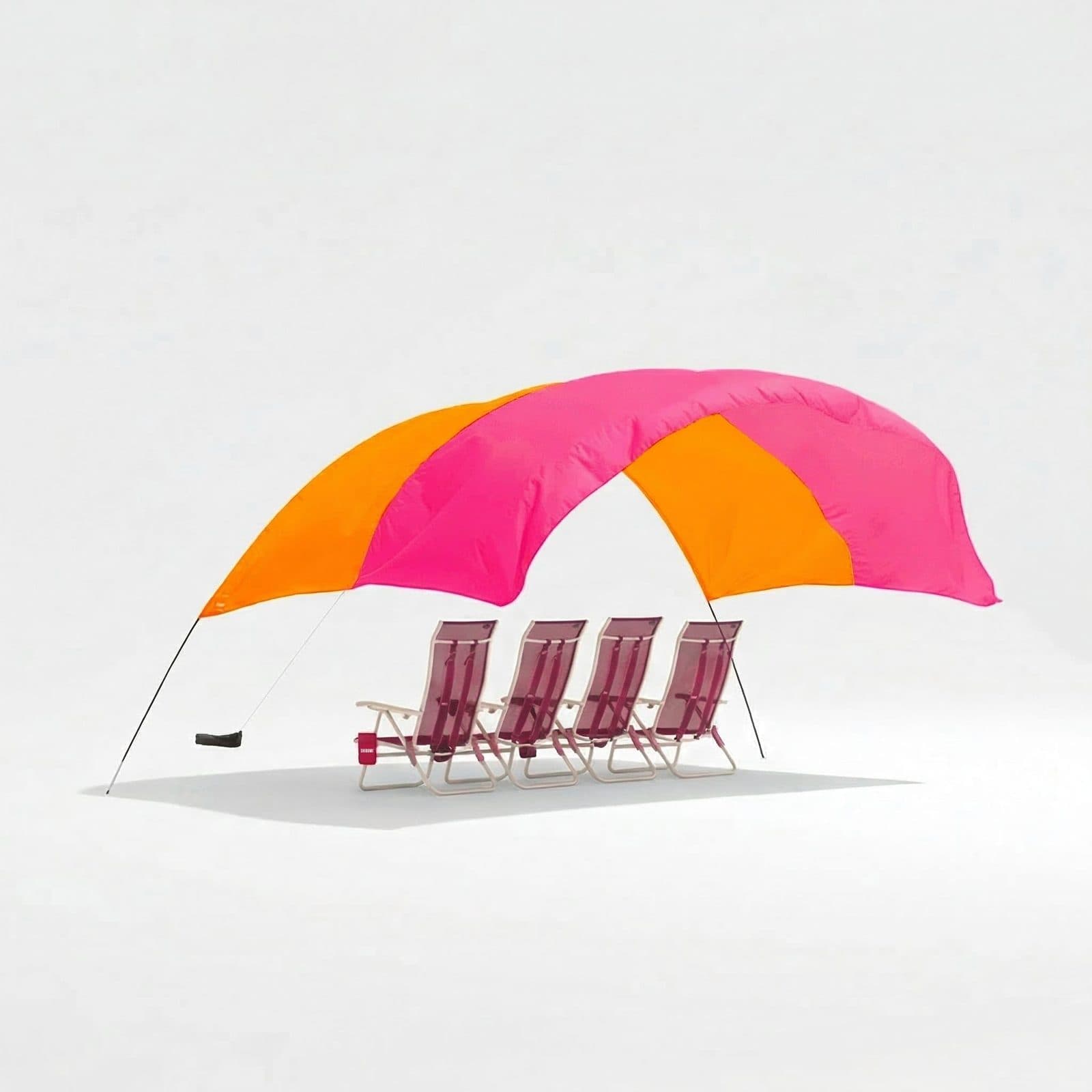
“A single-pole canopy that catches the breeze to billow into the largest shaded footprint we tested — and gets more stable as wind picks up, not less.”
14% STABLE
Beach umbrellas and stake-out canopies ranked for wind resistance, shade coverage, portability, and value.
“A single-pole canopy that catches the breeze to billow into the largest shaded footprint we tested — and gets more stable as wind picks up, not less.”
14% STABLE
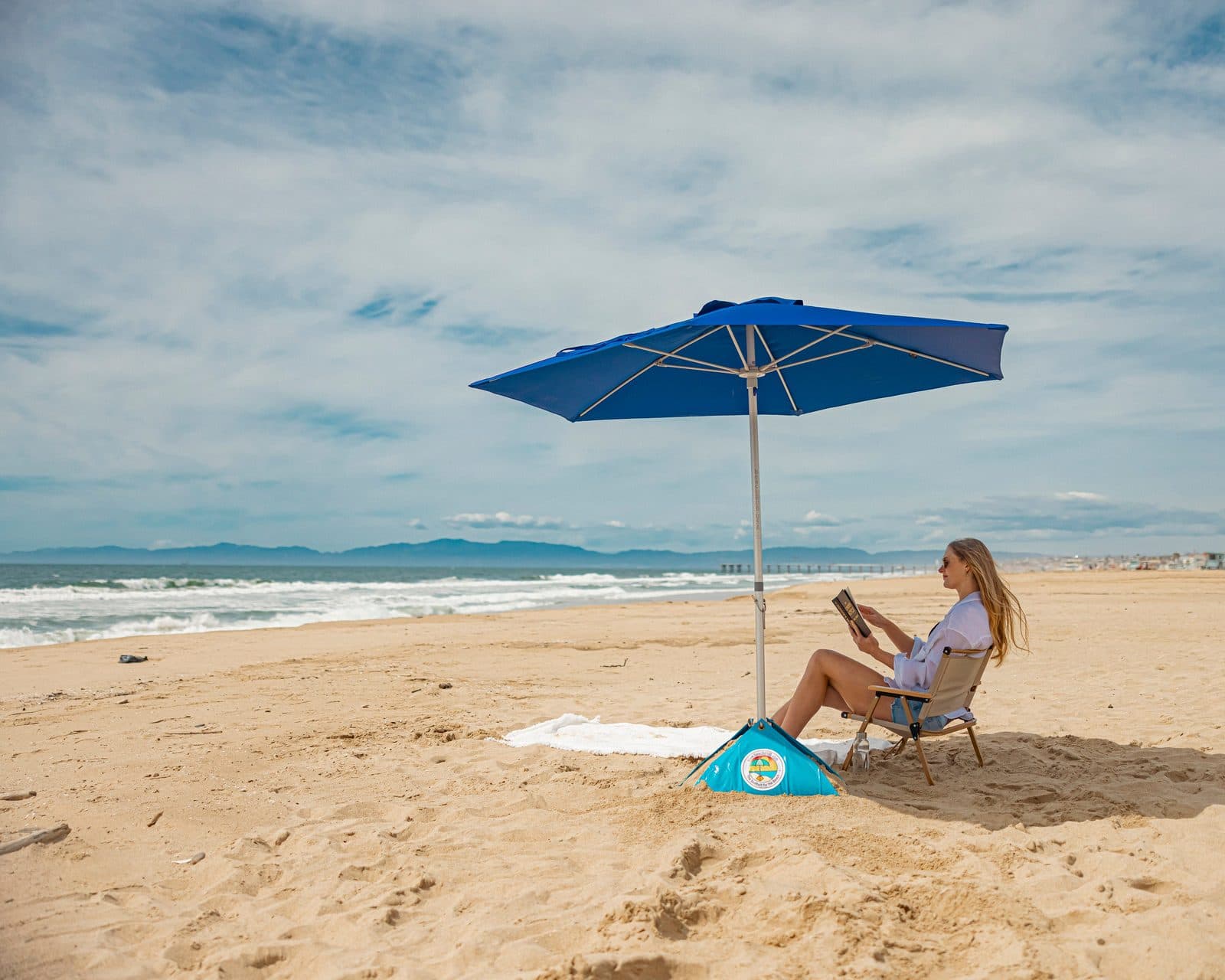
“The stability gold standard: its fillable ballast base is tested to 44 mph (beyond ASTM), so it stays planted on days that send spike umbrellas cartwheeling.”
13% STABLE
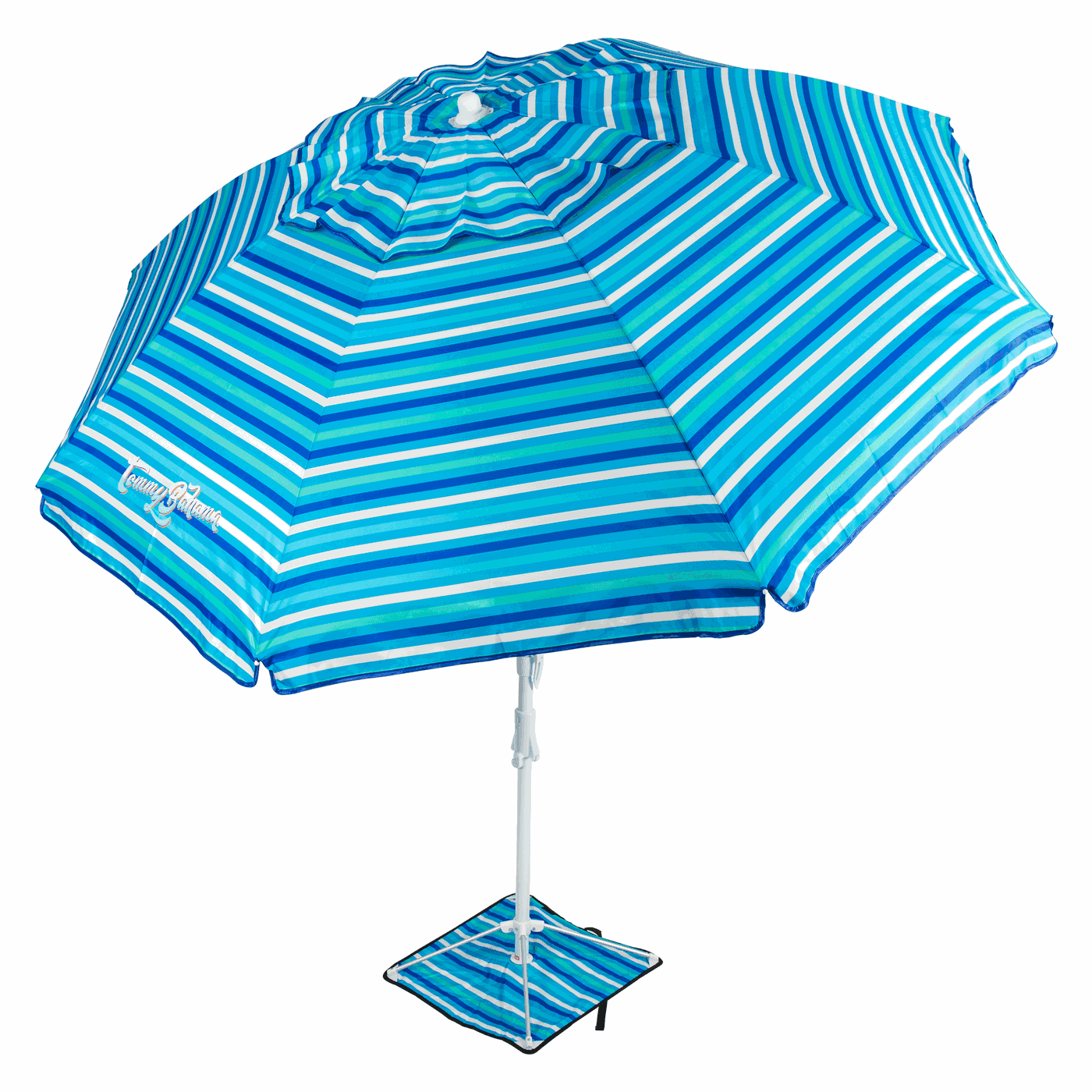
“The default mainstream pick: integrated screw-in sand anchor, reliable tilt, and a vented SPF 100+ canopy at a price most beachgoers should just buy.”
15% STABLE
“The sun-protection specialist — dermatologist-recommended UPF 50+ fabric that blocks ~98% of UVA/UVB. The choice when shade quality matters most.”
9% STABLE
“A half-tent hybrid: zip-down side panels, wind windows, and stakes turn it into a near-enclosed shelter — the pick for families wanting wind, sun, and spray protection in one.”
10% STABLE
“Wind-driven design that sets up in under a minute and is engineered to flex rather than fight gusts — the easiest serious wind umbrella to live with.”
8% STABLE
“The buy-it-for-a-decade premium option: marine-grade acrylic canopy and a heavy aluminum frame built to resort/commercial spec. Unmatched for a beach house.”
6% STABLE
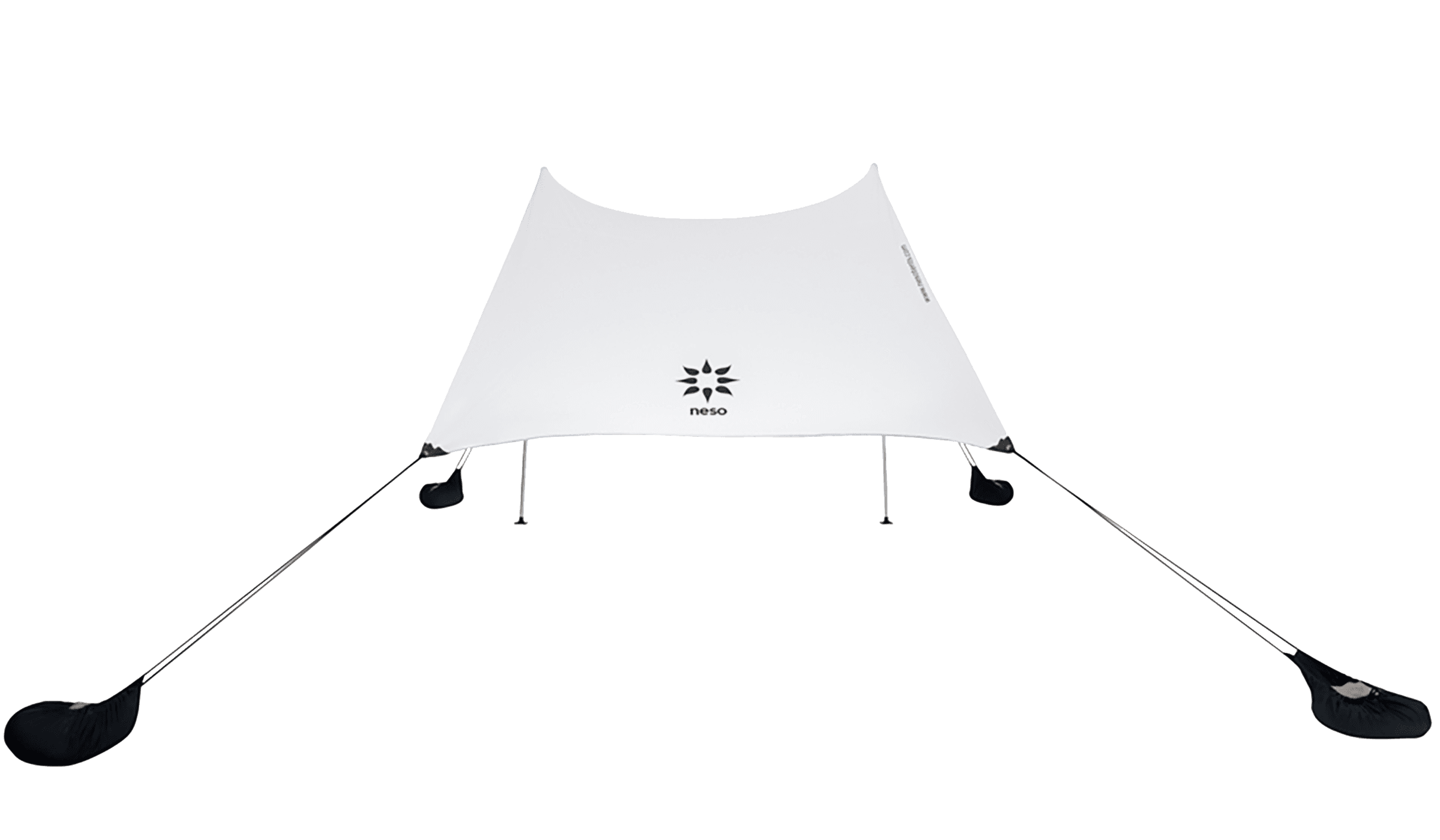
“A pole-free stake-out canopy (9'×9', 6.5 lb) that packs to a small sack and anchors with sand-filled corner pockets — the portability champion for hike-in beaches.”
8% STABLE
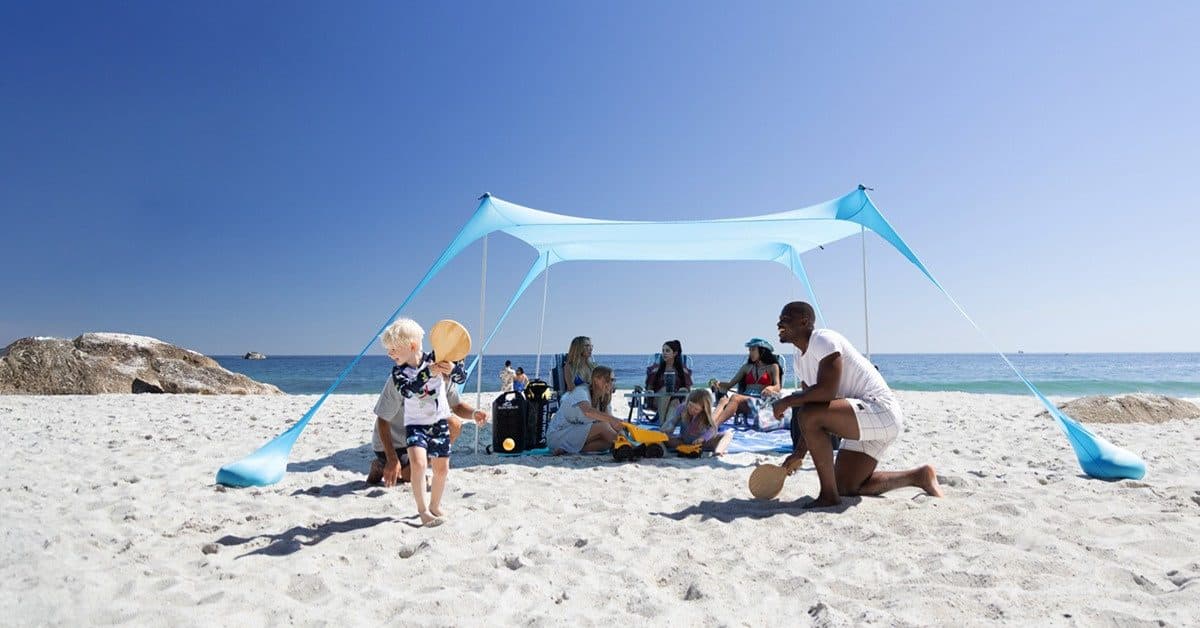
“The crowd-favorite stake-out shade for groups: huge footprint, sand-pocket anchoring, and a price well under the premium canopies — built for staking out a base camp.”
10% STABLE
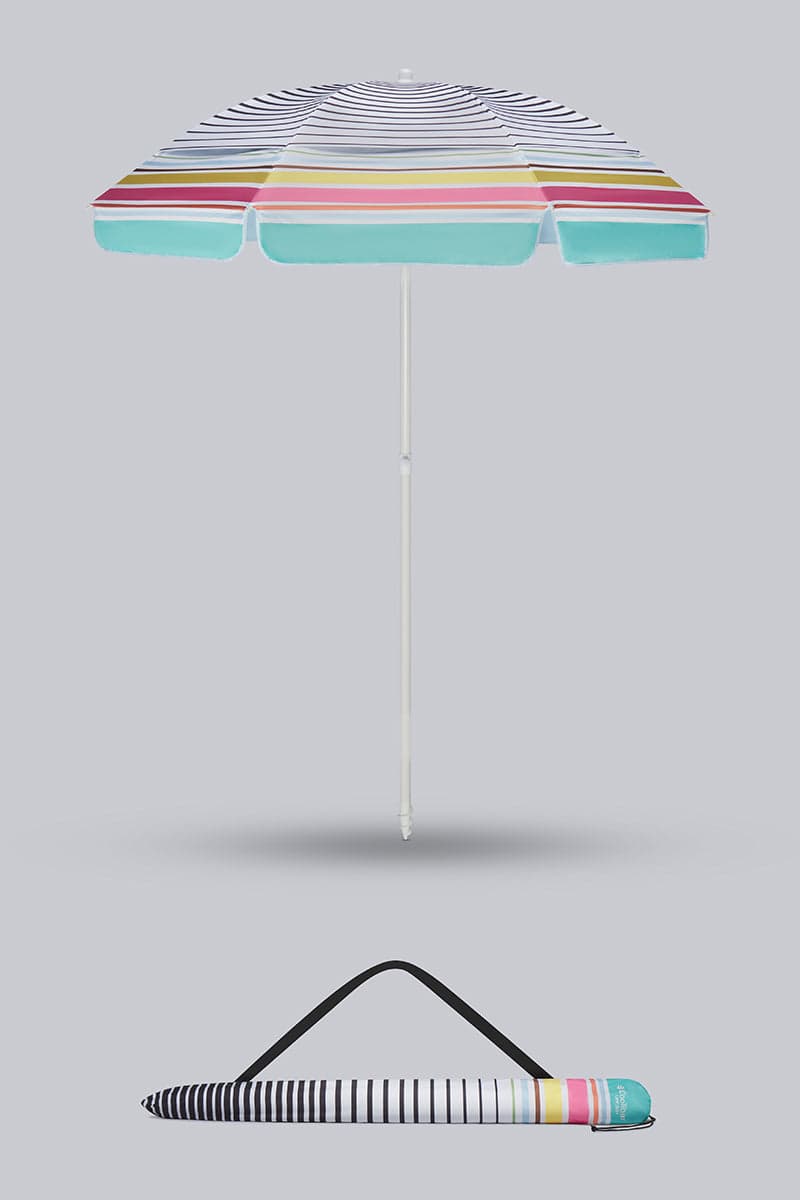
“The budget benchmark — integrated sand-anchor screw and a wind-vented tilting canopy deliver most of what the $50–60 mainstream umbrellas do for less.”
7% STABLE
Umbrellas with a weighted or fillable base (like the beachBUB) or a wind-driven canopy (Shibumi Shade, Solbello) dramatically outperform spike-only umbrellas in wind. The beachBUB's ballast base is tested to 44 mph. Stake-out canopies anchored with sand pockets (Neso, Sun Ninja) are also far more secure than a pole pushed into loose sand.
The good ones do. Look for a stated UPF 50+ rating — Coolibar, Tommy Bahama, and Neso all rate UPF 50+, blocking roughly 98% of UV. A thin, unrated generic canopy can let significant UV through, so the canopy fabric matters as much as the size of the shade it casts.
Pole umbrellas (Tommy Bahama, Rio) are the fastest to deploy for one or two people. Stake-out canopies (Neso Grande, Sun Ninja) cover more people and ride out wind better, but take longer to anchor and are easier to set up with a second pair of hands. Choose the umbrella for quick solo trips and the canopy for families or windy beaches.
Use a sand anchor or auger, bury the base deep, and angle the canopy into the wind so it deflects gusts rather than catching them like a sail. Weighted-base models such as the beachBUB and stake-out canopies anchored with sand pockets are inherently far more secure than a plain pole pushed into loose sand.
A 6.5–7 ft canopy shades one or two beach chairs, which is plenty for a couple. For families and groups, an 8 ft or larger umbrella, or a stake-out canopy like the Neso Grande (9'×9') or Sun Ninja, gives enough coverage for several people and gear.
For frequent use or windy, UV-intense beaches, yes — premium models like the Frankford, Coolibar, and beachBUB last for years and stay put in conditions that defeat cheaper umbrellas. For just a few trips a season, a Tommy Bahama or Rio delivers most of the practical value for far less money.
Think a product deserves a spot on this list? Submit a formal proposal with documented specs and the community will review it.