The 10 Best Mechanical Keyboards in 2026, Ranked by the People Who Type on Them All Day
Keycult, Mode, HHKB, Keychron, Wooting, NuPhy, Realforce. The mechanical keyboards worth the desk space in 2026 — by build, layout, and switch reality.
Published April 2026, refreshed June 2026 — Amazon Prime Day is T-11. Below: the mechanical keyboards from Gavler's Best Mechanical Keyboards list worth buying right now, ranked by community vote and sorted by what the keyboard needs to do.
The mechanical keyboard market in 2026 finally settled into clear tiers. The boutique category — Keycult, Mode, HHKB — is where the highest scores live but where availability gates real purchases. The prosumer tier — Keychron Q-series, Ducky One 3, NuPhy hall-effect — is where most enthusiasts actually shop, and where the build quality, gasket-mount acoustics, and hot-swap sockets that defined custom boards three years ago are now standard at $150-250. The competitive-gaming tier is now its own category entirely, defined by the Wooting 80HE and the hall-effect switches that made traditional mechanical boards feel laggy overnight. And the typing-specialist tier — HHKB, Realforce — survives because Topre key feel converts skeptics and never gets old.
What follows are the keyboards from Gavler's Best Mechanical Keyboards list worth buying for the rest of 2026, ranked by community vote and sorted by what the keyboard actually has to do — earn your desk space, survive a five-year switch swap cycle, or hold the line in a competitive match.
The Endgame Pick — Keycult No. 2 Rev. 2 $850
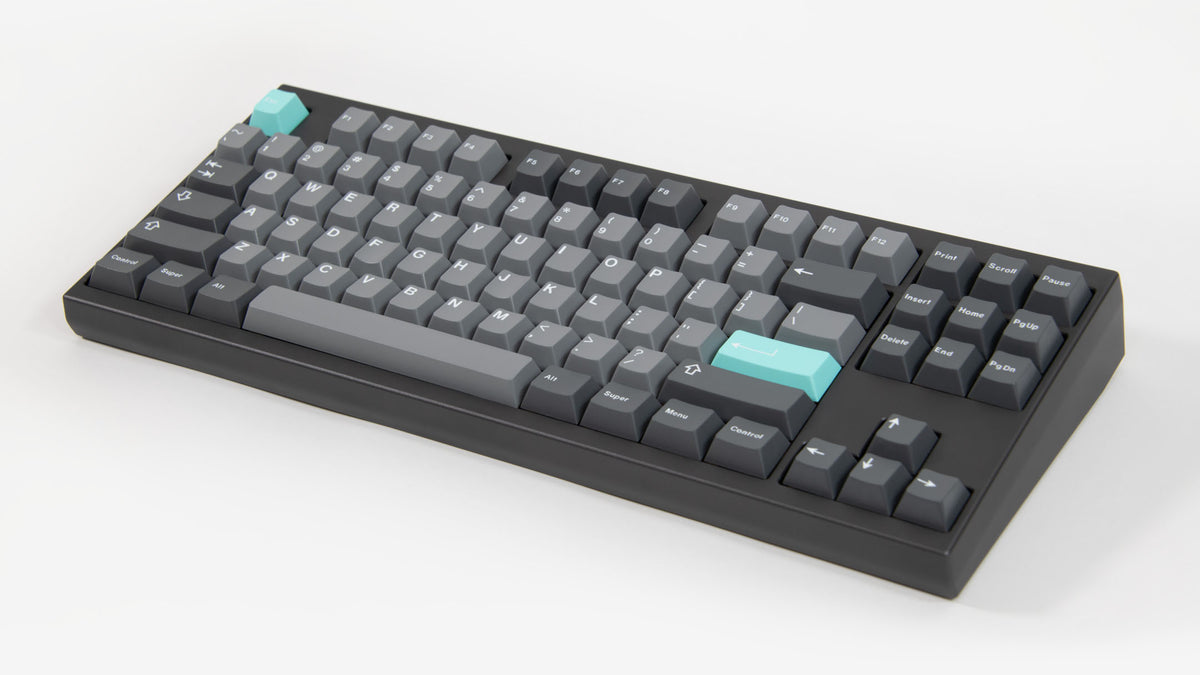
Keycult No. 2 Rev. 1
Exceptional build quality with a unique dampening gasket system for a premium typing feel.
Amazon affiliate · price subject to change
This is the highest score on Gavler — a 9.9 from the community — and the only board on this list with the word "endgame" attached to it across enthusiast forums. The No. 2 Rev. 2 is a fully CNC-machined aluminum board built in limited production runs by Keycult, with weight distribution, acoustic engineering, and machining tolerances that put it in a category above every prosumer board on this list. The typing sound signature is the part that converts skeptics — a low, controlled thock with no chassis ring, the result of internal foam stack tuning that no mass-produced board reliably replicates.
The catch is availability. Keycult sells in limited runs, the aftermarket on r/mechmarket regularly trades units at $1,200 or more, and the Drop limited runs at $899 sell out within minutes. This is the board enthusiasts work up to over years rather than buy on a Tuesday. For buyers who care more about typing on the best example of what a keyboard can be than about ever using it, the Keycult is the right answer. Everyone else should buy something below.
The Realistic Top Pick — Mode SixtyFive $349
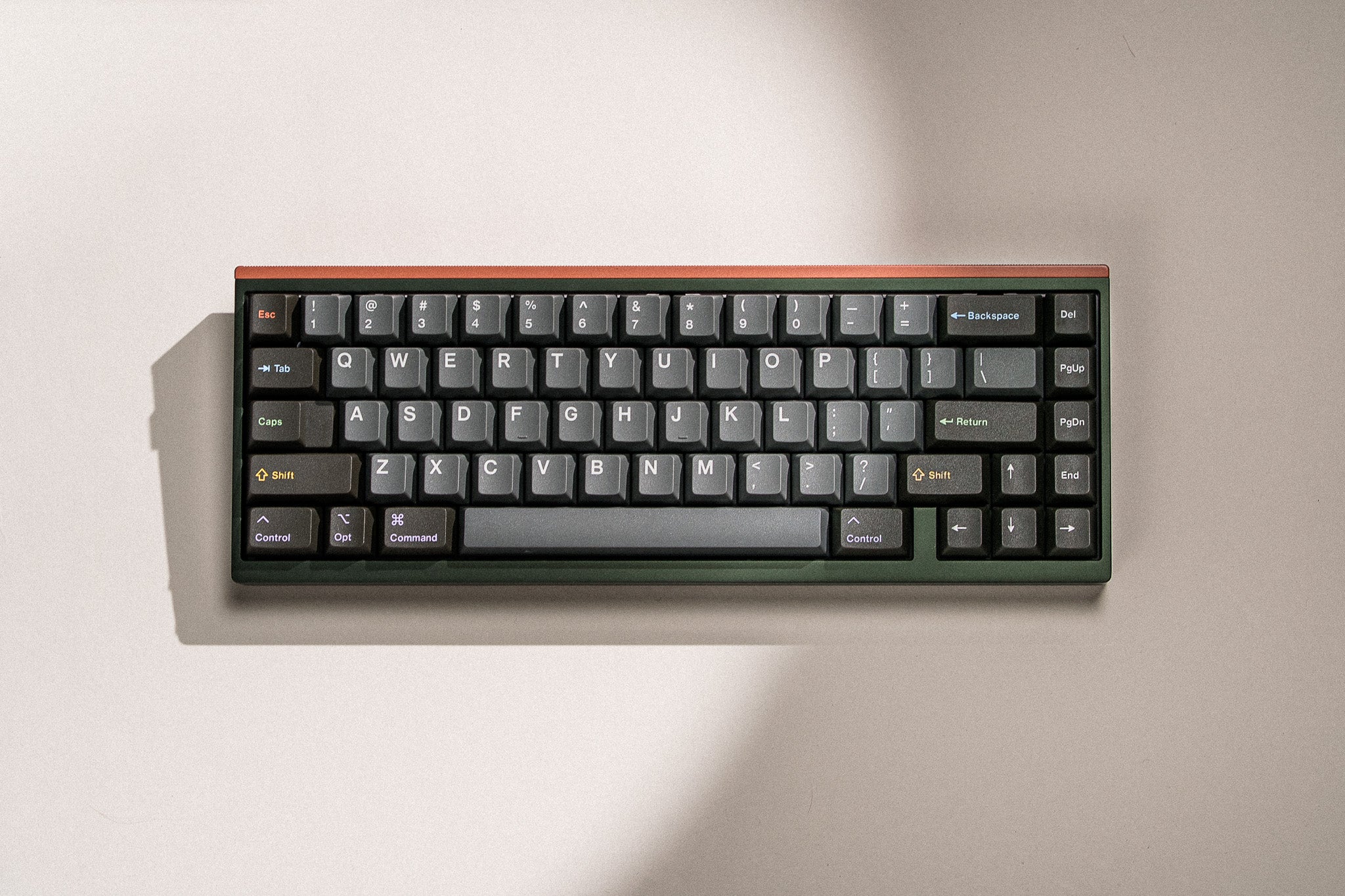
Mode SixtyFive
Magnetic assembly, gasket mount, and endless configuration options — the keyboard for people who know exactly what they want.
Amazon affiliate · price subject to change
This is the board to buy if you want the best keyboard you can actually order. Mode Designs ships the SixtyFive as a configurable 65% board with real custom-keyboard fundamentals — gasket-mounted PC plate or aluminum plate options, weighted brass or stainless steel internal weights, FR4 plate spec for acoustic tuning, and an aluminum case finished to standards that match boutique boards at twice the price. The community ranks it second overall at 9.5, but on practical "would actually buy this" terms it is the consensus number-one pick.
The 65% layout — alphanumerics, arrow cluster, no function row — is the right layout for most desk setups and the natural step up from a TKL once you adapt to the function-layer muscle memory. The SixtyFive ships in colorways that age well, the build is rigid without being heavy, and the sound profile out of the box rewards lubed stock switches. For buyers who want a real custom keyboard without joining a group buy or paying boutique markups, the SixtyFive is the answer. The single most-recommended board on the list.
The Typist's Cult Classic — HHKB Professional Hybrid Type-S $328
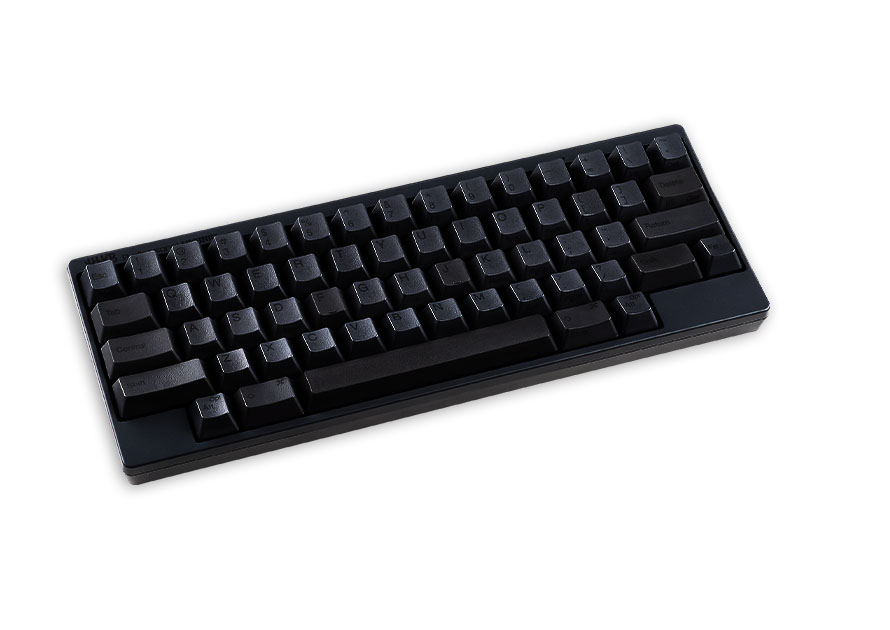
HHKB Professional Hybrid
Electrostatic capacitive switches deliver a unique tactile feel that converts skeptics into devotees.
Amazon affiliate · price subject to change
The HHKB is the keyboard that plays by no one else's rules. Topre electrostatic capacitive switches instead of MX-style mechanicals — a fundamentally different actuation that combines the smoothness of a rubber dome over a spring with the tactile resolution of a quality mechanical. The layout is the second part of the cult — 60% with no dedicated arrow keys, control where the caps lock is, and the function-layer commands burned into long-term users' fingers within a week.
Ranked third at 9.1 community score, the HHKB is the right pick for serious typists, programmers, and anyone who has worked through the layout's learning curve enough to never go back. The Hybrid Type-S adds Bluetooth multi-device pairing and silenced switches that drop typing volume to roughly half of any MX-switched board on this list — the rare premium keyboard quiet enough to use on a video call. The 45g Topre switches feel weighted but fatigue-resistant. For buyers willing to relearn a layout in exchange for a typing experience nothing else replicates, the HHKB is the right pick.
The Prosumer Default — Keychron Q1 Ultra $230
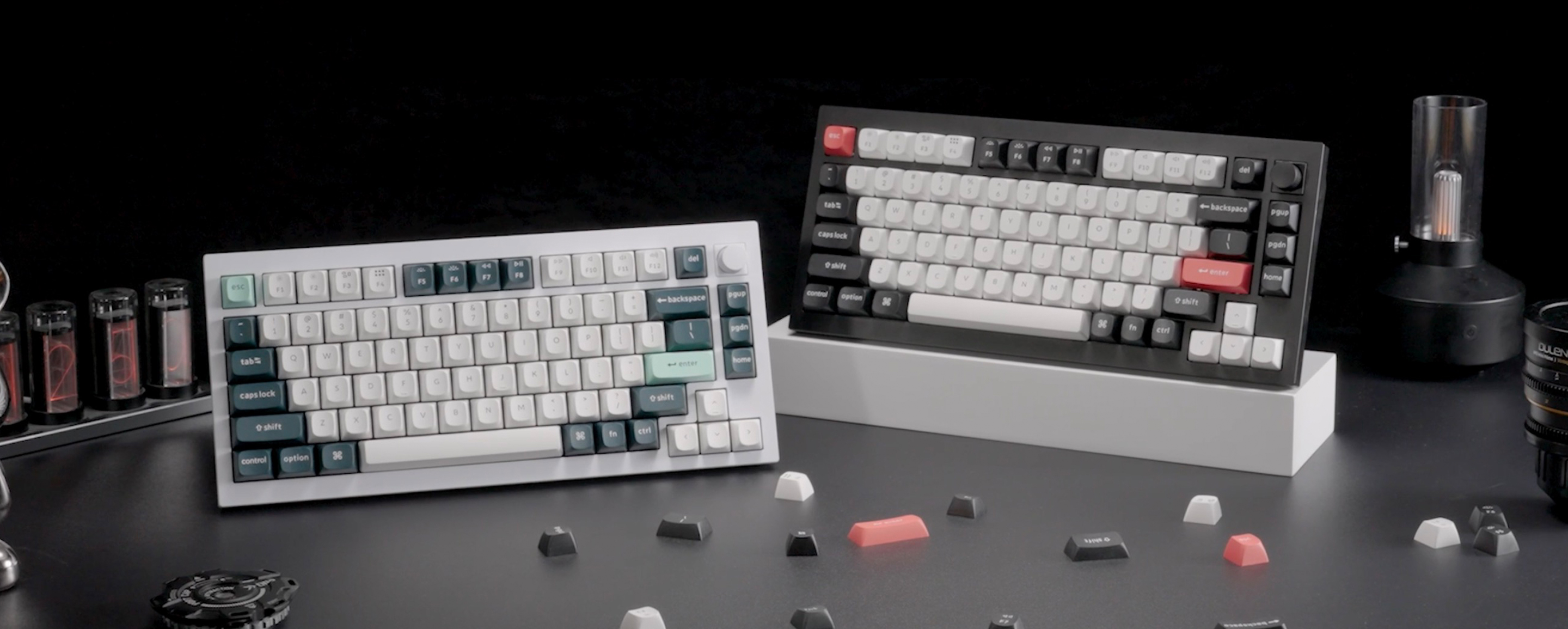
Keychron Q1 Ultra
8K wireless polling, 660-hour battery, and Silk POM switches in a CNC aluminum 75% — the Q1 Pro's successor rewrites the rules of wireless custom keyboards.
Amazon affiliate · price subject to change
If the SixtyFive is the realistic top pick, the Q1 Ultra is the realistic everyone-buys-this pick. Keychron's Q-series essentially defined the $200-250 prosumer keyboard category — full aluminum case, gasket-mount construction, hot-swap sockets, QMK/VIA firmware, and increasingly competitive stock switches. The Ultra variant adds 8 kHz polling and triple-mode connectivity (USB-C, Bluetooth 5.1, and 2.4 GHz wireless) over the standard Q1, which closes the last gap between Keychron and gaming-focused boards like the Wooting.
Ranked fourth at 8.7 community score, the Q1 Ultra is the most cross-functional board on this list. It handles typing well, gaming well, and works across three operating systems without compromise. The 75% layout retains the function row that 65% boards drop, which makes it the practical pick for buyers who use function keys in productivity apps. For buyers comparing it head-to-head with hall-effect alternatives, see our Keychron Q1 Ultra vs Wooting 80HE breakdown. The default prosumer recommendation.
The Durable Workhorse — Ducky One 3 TKL $139
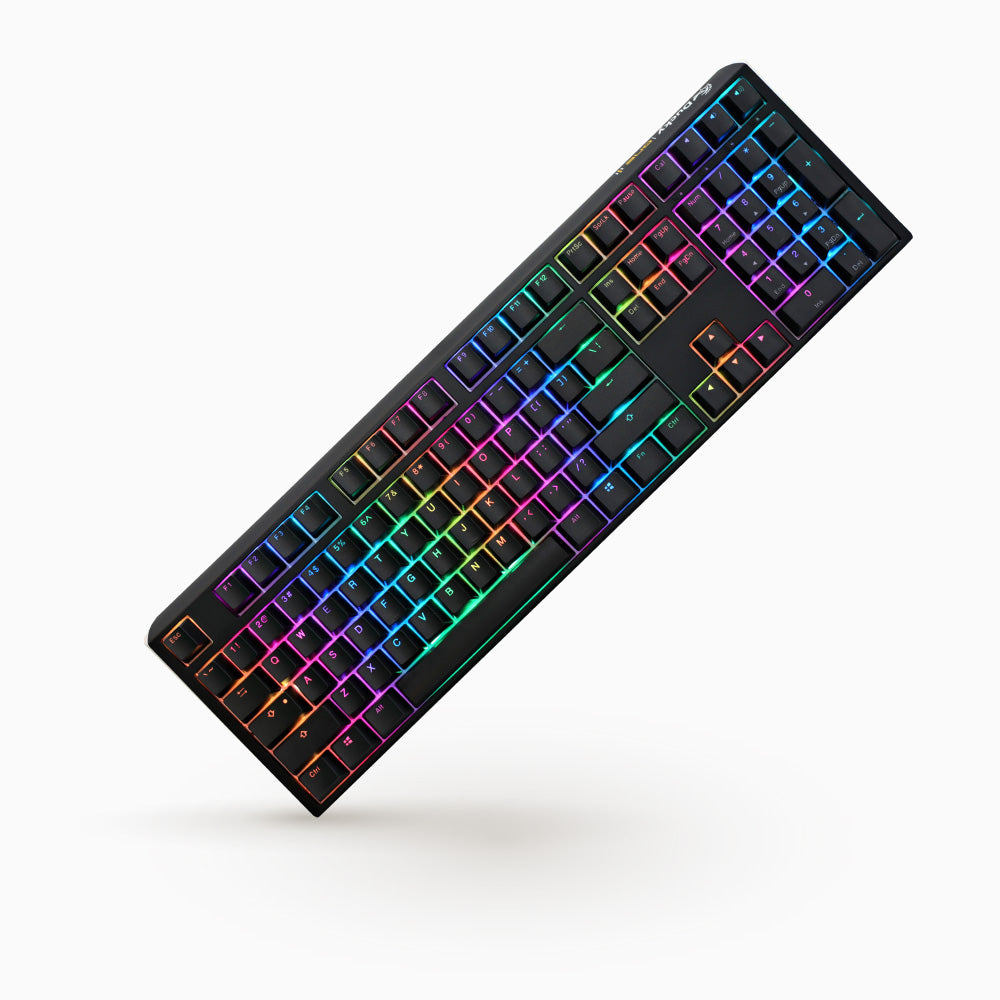
Ducky One 3 TKL
Hot-swappable sockets and double-shot PBT keycaps at a mainstream price — the enthusiast's entry point.
Amazon affiliate · price subject to change
Ducky's One 3 TKL is the keyboard most enthusiasts recommend when the budget is real and the goal is something that lasts. The double-shot PBT keycaps will not shine after years of use, the Cherry MX switches are pre-lubed and stable, and the build feels more solid than the $139 price implies. Ranked fifth at 8.4 community score, the One 3 TKL is the bridge between mass-market mechanical keyboards and the enthusiast tier — quality fundamentals without the boutique markup.
The tenkeyless layout retains the function row and arrow cluster while dropping the numpad, which is the right layout for most gaming and productivity setups. The colorways have aged well — Ducky's design team understands restraint in a category that does not always — and the optional clicky, tactile, and linear switch variants all ship with quality factory tuning. For buyers under $150 who want a board that disappears into the workflow rather than demands attention, the Ducky is the right pick.
The Competitive-Gaming Benchmark — Wooting 80HE $200
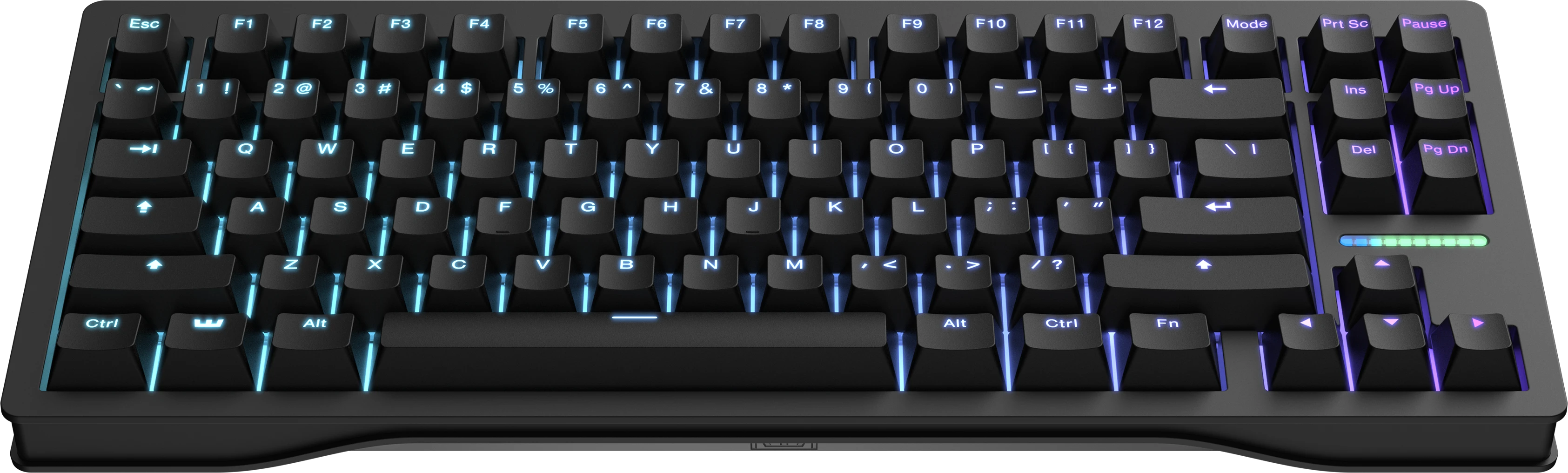
Wooting 80HE
8kHz polling and true rapid trigger redefine competitive input precision.
Amazon affiliate · price subject to change
The Wooting 80HE redefined what competitive gamers expect from input devices. Lekker hall-effect switches replace traditional MX-style contact-closure with continuous analog position reporting, which enables Wooting's headline feature: rapid trigger, where switches reset and re-actuate based on direction of travel rather than at a fixed point. The practical effect in Counter-Strike 2 and Valorant is faster counter-strafing than any traditional mechanical board can match — and Wootility, Wooting's companion software, exposes per-key actuation point adjustment from 0.1mm to 4.0mm, dual-press bindings, and analog curves for racing and flight sim use.
Ranked sixth at 8.3 community score, the 80HE skews high among gamers and lower among typists. The 80% TKL form factor with aluminum-framed gasket-dampened case typing feel closer to premium mechanical boards than the earlier analog generation it succeeded. The 8 kHz polling rate matches flagship gaming mice and eliminates the latency floor that 1,000 Hz USB keyboards have carried for years. For competitive players the 80HE is the benchmark; for thocky typing sessions, the Mode SixtyFive or HHKB above is the right pick instead.
The Hall-Effect Value Pick — NuPhy Field75 HE $150
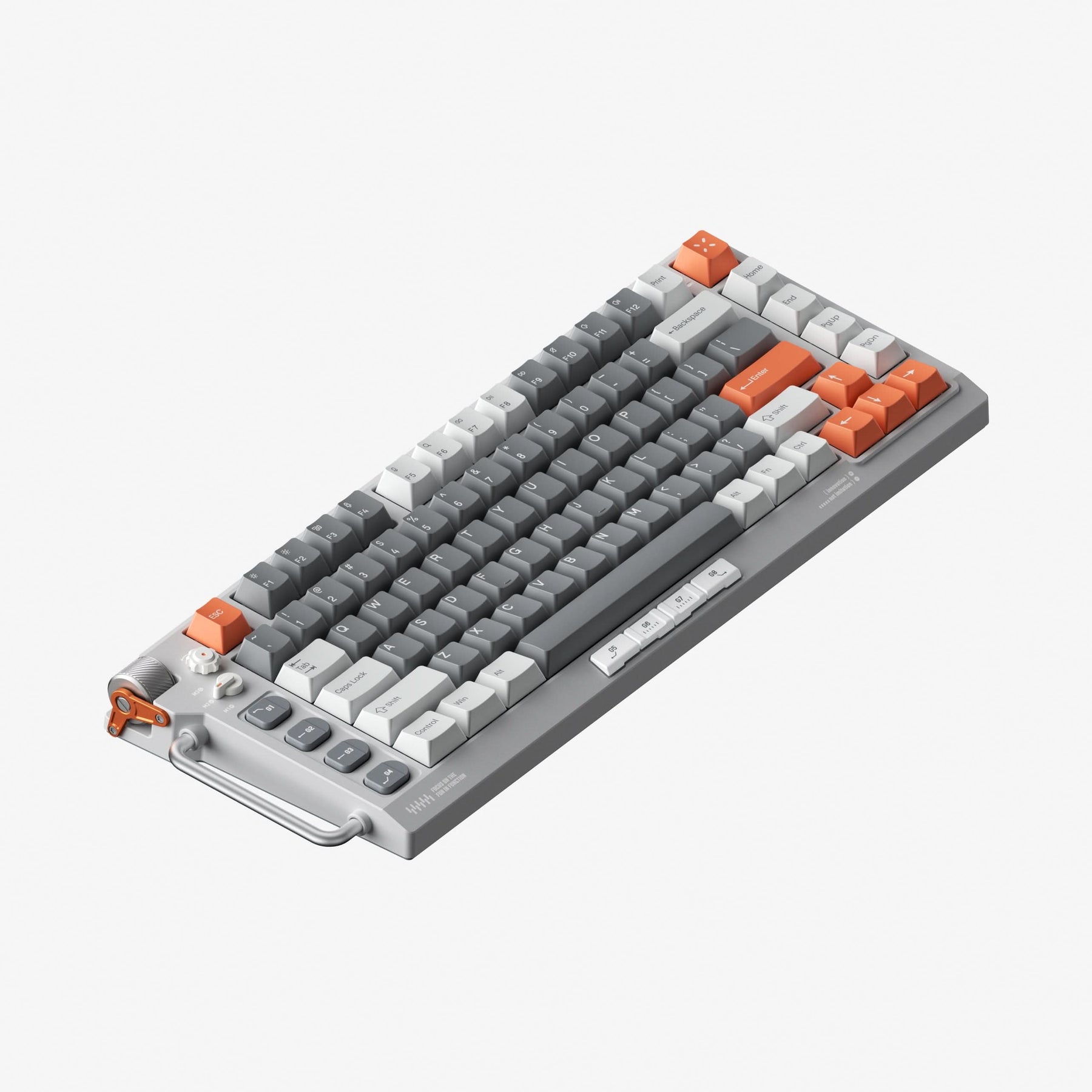
NuPhy Field75 HE
75% form factor with 8kHz polling and adjustable actuation.
Amazon affiliate · price subject to change
The Field75 HE is the answer to wanting Wooting-level performance without the Wooting price. NuPhy distills hall-effect gaming into a compact 75% form factor with 0.1mm to 4.0mm adjustable actuation, 8 kHz polling matching the 80HE, and a solid aluminum frame. The 75% layout retains arrow keys and the function row while saving the desk space the 80% TKL costs — for buyers cross-shopping between the 80HE and the Field75 HE, the form factor difference is the deciding factor.
Ranked seventh at 8.1 community score, the Field75 HE is the right entry point to rapid-trigger gaming. The Wooting firmware is more mature and the ecosystem more polished — Wootility integration is the gold standard — but the NuPhy delivers 90 percent of the gaming experience at 75 percent of the price. For buyers who want hall-effect performance in a 75% layout, the Field75 HE is the right pick. The undervalued gaming-keyboard option on this list.
The Full-Size Hall-Effect Pick — Keychron Q6 HE $250
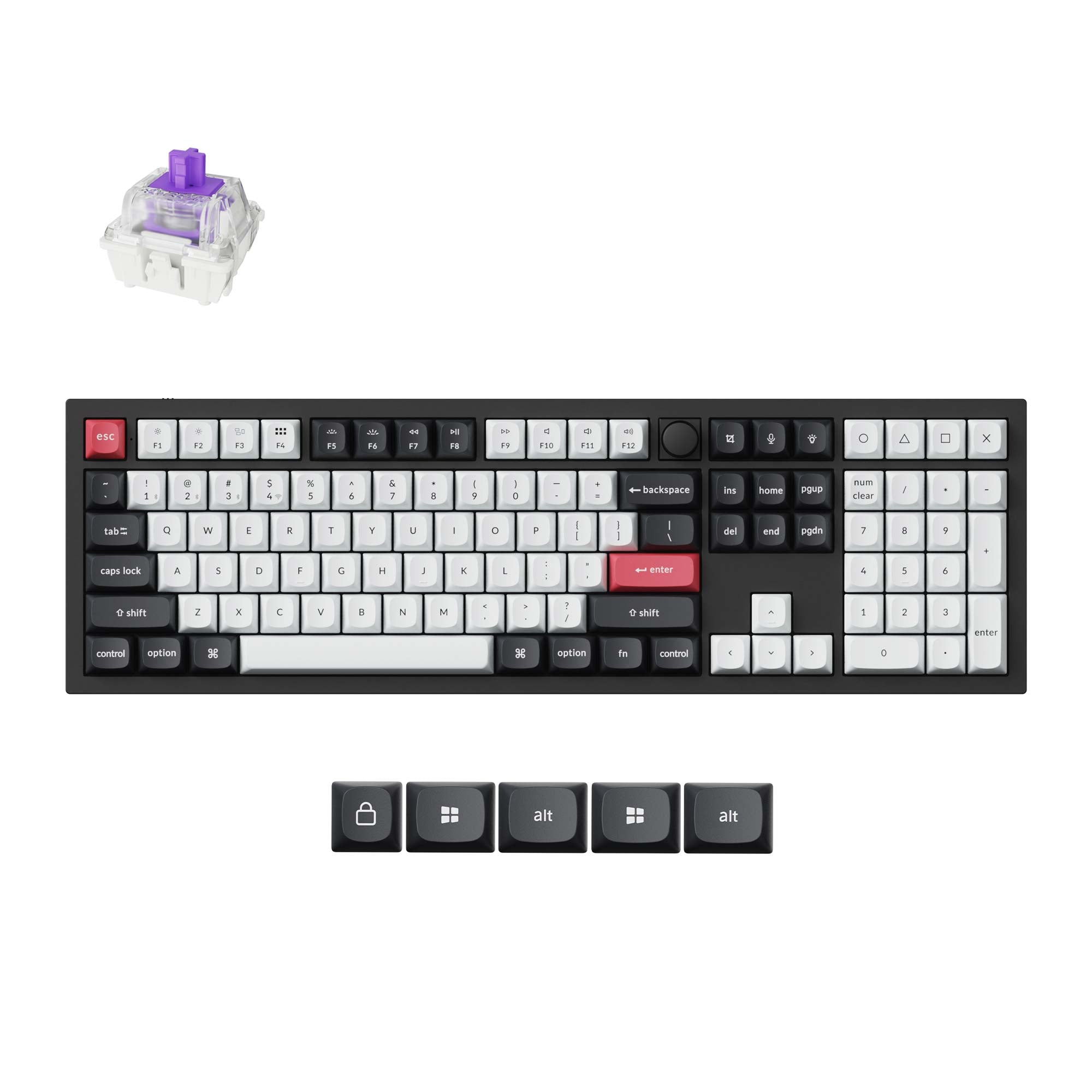
Keychron Q6 HE
Premium aluminum full-size with Gateron magnetic switches and gasket mount.
Amazon affiliate · price subject to change
The Q6 HE fills a gap the enthusiast market had ignored: a full-size hall-effect keyboard with premium build quality and a real numpad. Most hall-effect boards skew TKL or 75% because competitive gamers do not need numpads — but for accountants, video editors, spreadsheet-heavy workflows, and 10-key data entry, the full-size form factor remains essential. Gateron magnetic switches deliver the same adjustable actuation behavior as Lekker switches, gasket mount construction keeps acoustics controlled despite the larger chassis, and the aluminum case matches Keychron's Q-series build quality.
Ranked eighth at 8.0 community score, the Q6 HE is a narrow but underserved category leader. Buyers who do not need a numpad will find the Keychron Q1 Ultra above and the Wooting 80HE more cost-effective; buyers who do need one will find this is the only full-size board with hall-effect precision in a premium chassis. The right pick for spreadsheet-heavy or numerically-driven workflows that still want the gaming-input upgrade.
The Underrated Sleeper — Leopold FC660M PD $119
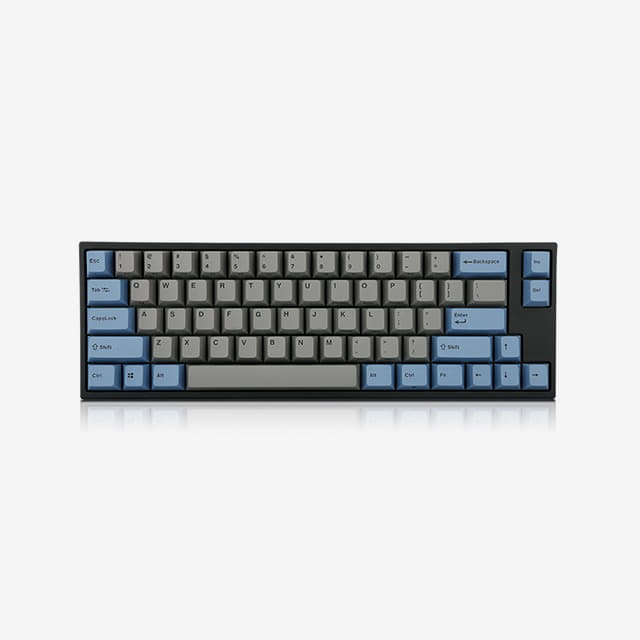
Leopold FC660M PD
Leopold's compact 65% layout with Cherry MX switches, PBT doubleshot keycaps, and sound-dampening pads.
Amazon affiliate · price subject to change
The Leopold FC660M PD is the most undervalued board on this list. Korean-made by Leopold with double-shot PBT keycaps, a high-density ABS case that produces a surprisingly controlled sound profile, and Cherry MX switches that ship pre-lubed from the factory — the build quality at $119 punches above the prosumer tier. Ranked ninth at 7.9 community score but with a 93 community rating, the FC660M PD scores higher with people who own it than the ranking suggests.
The 65% layout retains arrow keys and a navigation cluster while dropping the function row, which makes it the natural pick for typists who want a compact board without learning HHKB's function-layer commands. The colorways skew traditional rather than trendy, the keycap profile is OEM-standard, and the board will not draw attention to itself in any environment. For buyers under $150 who care most about typing feel and build quality rather than gaming performance or RGB, the FC660M PD is the sleeper pick. The board most enthusiasts wish more people knew about.
The Premium Topre Alternative — Realforce R3 $259
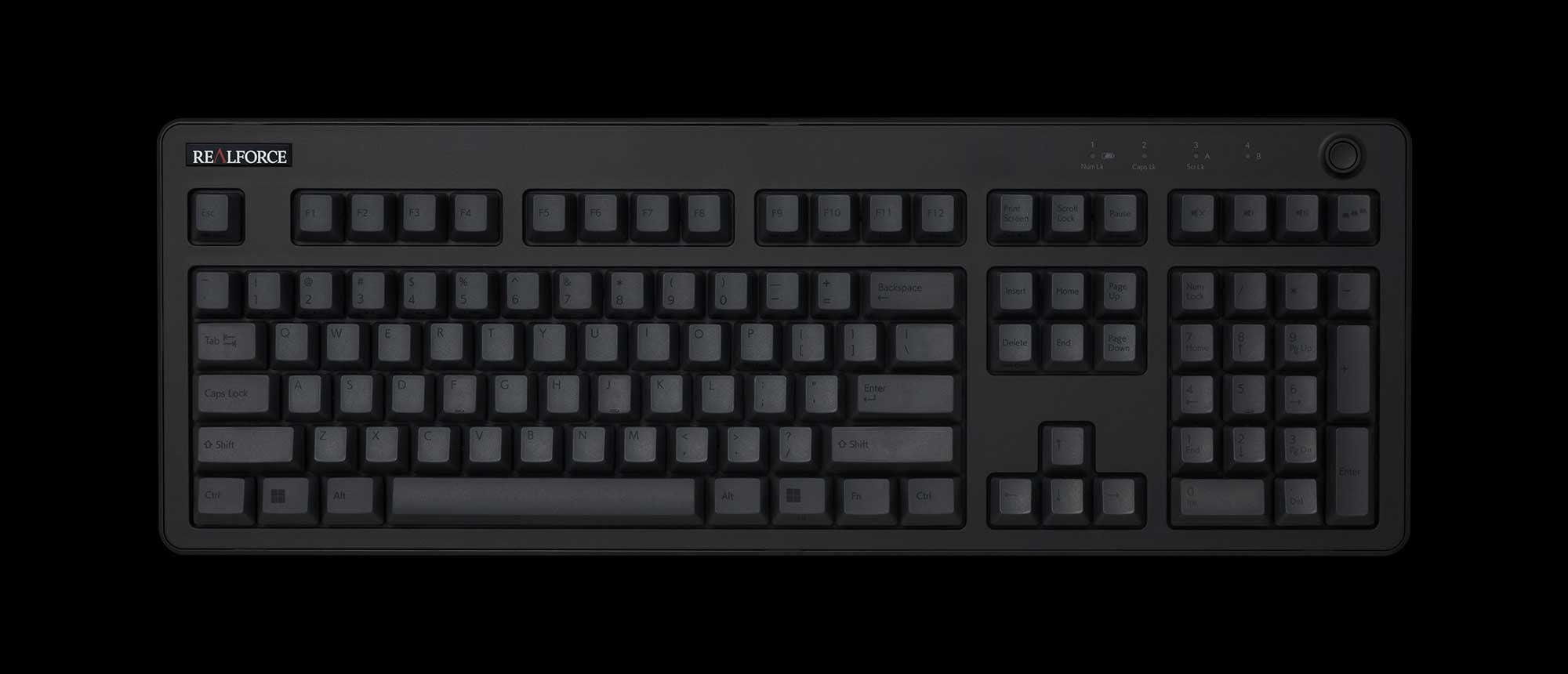
Realforce R3
Topre's electrostatic capacitive switches in a modern wireless package with per-key actuation customization.
Amazon affiliate · price subject to change
The Realforce R3 is the answer for buyers who want Topre key feel but find HHKB's 60% layout untenable. Topre Corporation builds the R3 with the same electrostatic capacitive switches as the HHKB, in a standard TKL or full-size layout with dedicated arrow keys and a function row — the typing experience without the layout learning curve. The R3 ships in variable-weight (30g, 45g, 55g) configurations that let buyers tune actuation force to their typing style, which neither HHKB nor any MX-switched board on this list offers.
Ranked tenth at 7.8 community score with a 90 community rating, the R3 is the second cult-classic typing pick on this list. The build feels solid without being heavy, the keycap legends use sublimation printing that resists wear over years, and the Bluetooth wireless variant adds multi-device pairing for buyers who switch between laptops. The trade-off versus the HHKB is layout familiarity for the Topre purity tax — the R3 costs $259 vs HHKB's $328 but the HHKB has the more devoted following. For Topre-curious buyers unwilling to give up arrow keys, the Realforce is the right pick.
Which One Should You Buy
For most buyers, the Mode SixtyFive at $349 is the right answer — the highest-rated board on Gavler you can actually order without joining a Discord queue, with build quality and acoustics that justify the price.
For the boutique buyer who wants the highest-rated board period, the Keycult No. 2 Rev. 2 holds the 9.9 ceiling — be prepared to wait for a limited run or pay aftermarket premium.
For the Topre-curious typist, the HHKB Professional Hybrid Type-S is the dedicated cult pick at $328; the Realforce R3 at $259 is the layout-friendly alternative.
For the cross-functional prosumer who wants one board for typing, gaming, and three operating systems, the Keychron Q1 Ultra at $230 is the default.
For competitive gamers, the Wooting 80HE at $200 is the hall-effect benchmark; the NuPhy Field75 HE at $150 is the 75%-layout value pick.
For under $150, the Ducky One 3 TKL at $139 is the durable workhorse; the Leopold FC660M PD at $119 is the underrated 65% sleeper.
Architecture first — switch feel vs layout, then gasket vs plate, then wireless vs wired. The full decision tree is in our Mechanical Keyboard Buying Guide. Compare ranks, prices, and community scores on the Best Mechanical Keyboards list. Cross-shopping switches and form factors? See the Keychron Q1 Ultra vs Wooting 80HE head-to-head and the broader Computing category for adjacent picks. The screen next to the board is a different architecture — 1440p vs 4K, then the panel — on the gaming-monitor buying guide; then shop Best Gaming Monitors.
See all 10 products ranked by the community
Best Mechanical Keyboards
See Full Rankings →285 community votes cast
Common Questions
For most buyers, the Mode SixtyFive at $349 is the right answer. It is the highest-rated keyboard on Gavler that you can actually order without joining a Discord drop queue or paying aftermarket markups. The community consensus places it as the board most enthusiasts actually recommend when a friend asks what to buy. The Keycult No. 2 Rev. 2 holds the top score at 9.9, but its limited production runs and $850 entry price make it an aspirational rather than practical pick. For typing-only buyers, the HHKB Professional Hybrid Type-S delivers the most distinctive feel on the list thanks to its Topre switches. For competitive gamers, the Wooting 80HE's hall-effect rapid trigger is the input benchmark.
Yes — and for anyone typing more than three hours a day, the question is no longer whether to buy one but which one. Entry-level enthusiast boards now start around $120 with hot-swap sockets, aluminum cases, gasket-mount construction, and quality stock switches that were premium features five years ago. Mid-range boards in the $200-350 range deliver build quality, acoustics, and customization that membrane and rubber-dome keyboards cannot reach at any price. Boards in this price range routinely last a decade with switch swaps along the way, which makes the cost-per-year math attractive even before factoring in the typing-experience upgrade.
Switch choice depends on use case. Linear switches (smooth, no bump) are the popular pick for fast typists and competitive gamers — Gateron Yellows and Cherry MX Reds are the common defaults. Tactile switches (a noticeable bump without an audible click) are the typist's preference — Boba U4Ts and Holy Pandas are the boutique standards, Cherry MX Browns the mainstream option. Clicky switches (audible click) deliver the most feedback but are unwelcome in shared offices. Most boards on this list ship hot-swappable, so committing to one switch family is no longer permanent. Hall-effect switches like the Lekker on the Wooting 80HE are a fourth category — analog rather than binary, used primarily for competitive gaming.
The Wooting 80HE at $200 is the gaming benchmark. Its Lekker hall-effect switches enable rapid trigger, which resets and re-actuates based on direction of travel rather than at a fixed reset point — the practical effect is faster counter-strafing in Counter-Strike 2 and Valorant than any traditional mechanical board can match. The 8,000 Hz polling rate matches flagship gaming mice and eliminates the latency floor that 1,000 Hz USB keyboards have lived with for a decade. For buyers who want hall-effect performance in a 75% layout, the NuPhy Field75 HE at $150 is the value alternative. For traditional mechanical gaming feel, the Ducky One 3 TKL remains the durable workhorse at $139.
Under $150, the Ducky One 3 TKL at $139 and the NuPhy Field75 HE at $150 are the two right answers. The Ducky offers conventional Cherry MX switches in a tenkeyless layout with double-shot PBT keycaps and a build quality that punches well above its price. The NuPhy delivers hall-effect performance with adjustable actuation in a compact 75% form factor — unprecedented at $150. The Leopold FC660M PD at $119 is the underrated third option for typists who want a 65% layout with the Topre-adjacent rubber-dome-over-membrane feel without the HHKB premium. Below $100, the enthusiast experience genuinely degrades — buy at $120 or wait.
Rankings come from community votes by people who own and use these keyboards daily. Each person gets exactly one vote on the Best Mechanical Keyboards list — pick the board you would recommend above all others. Your vote moves, it does not stack, so the rankings reflect current sentiment rather than accumulated hype. No affiliate commissions or manufacturer sponsorships influence the order. The expert score and the community score sit next to each pick on the live list so buyers can see when expert and enthusiast consensus diverge — and on this category, they often do.
For mainstream-brand boards, yes. Amazon Prime Day 2026 runs June 23-26, and Keychron, Ducky, NuPhy, and Wooting all participate in Prime Day pricing through Amazon or their own direct stores. Expect 10-20 percent off MSRP on Keychron Q-series, Ducky One 3 variants, and NuPhy 75% boards. Boutique boards — Keycult, Mode Designs, HHKB — do not discount and never go on sale; if you want one of those, buy at MSRP or wait for the next group buy. Realforce R3 occasionally drops 10-15 percent at Amazon Japan during Prime Day windows for buyers willing to handle the import.
Products Mentioned
Jump to the full ranking and community verdict for each pick named above.
- Wooting 80HEComputing · Best Mechanical Keyboards
- Mode SixtyFiveComputing · Best Mechanical Keyboards
- HHKB Professional HybridComputing · Best Mechanical Keyboards
- Keychron Q1 UltraComputing · Best Mechanical Keyboards
- Ducky One 3 TKLComputing · Best Mechanical Keyboards
- NuPhy Field75 HEComputing · Best Mechanical Keyboards
- Keychron Q6 HEComputing · Best Mechanical Keyboards
- Leopold FC660M PDComputing · Best Mechanical Keyboards
- Realforce R3Computing · Best Mechanical Keyboards