The Best Binoculars in 2026, Ranked by People Who Actually Glass With Them
Swarovski, Zeiss, Vortex, Nikon. Gavler's birders and hunters rank the binoculars worth carrying — by glass, not brand mythology.
Updated June 26, 2026 — Spring migration has given way to breeding season, summer wildlife watching, and early scouting for fall hunts, so the glass stays in heavy rotation — and the rankings haven't budged. The Swarovski NL Pure 10x42 holds #1 on the strength of the widest field of view of any full-size binocular and class-leading edge-to-edge resolution; the Zeiss SFL 10x40, a frequent best-overall pick for its optics-per-ounce, anchors the top three alongside the Victory SF. Premium glass earns its keep most in the low-light hours at dawn and dusk — exactly when summer wildlife is moving.
Good binoculars disappear in your hands. You stop seeing the optic and start seeing the bird, the elk, the rings of Saturn. Bad binoculars remind you every second that you're looking through a tube. The problem is that every manufacturer claims HD glass and ED elements, and the spec sheet tells you almost nothing about the actual viewing experience.
So we asked the people who spend hours behind eyecups. Gavler's binocular rankings come from birders, hunters, and astronomers who've used their glass in the field across seasons and conditions. No sponsored placements. Just votes.
How the Rankings Work
One vote per person on the Best Binoculars list. Pick the binocular you'd recommend if someone asked you — just one. Upgraded your glass? Move your vote. The result is a ranking that reflects what real users stand behind right now.
The Top Picks: What the Community Stands Behind
Swarovski NL Pure 10x42 — The Gold Standard
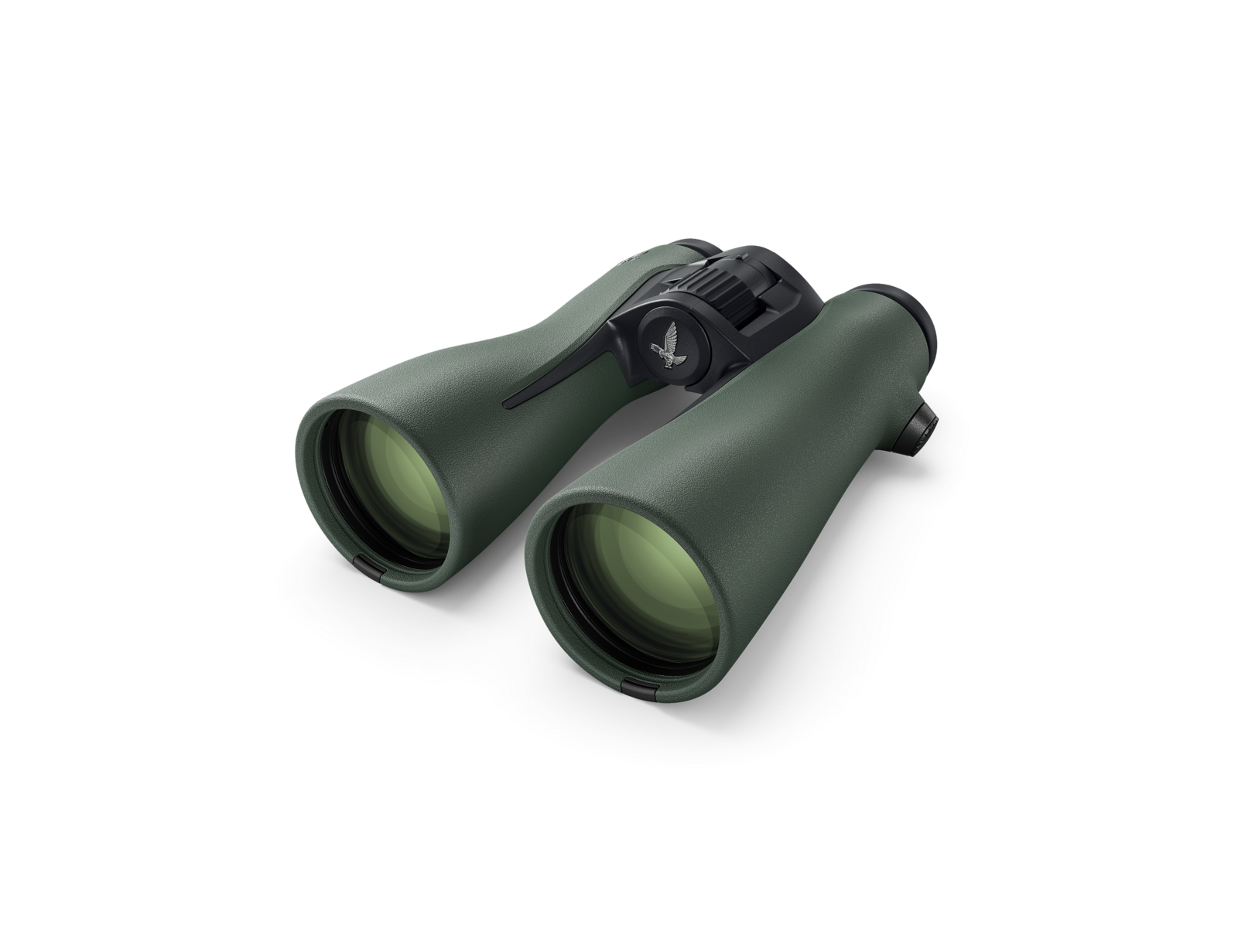
Swarovski NL Pure 10x42
Near-zero distortion with stunning color rendering — the benchmark for all others.
Amazon affiliate · price subject to change
The NL Pure isn't just sharp in the center — it's sharp everywhere. Swarovski's field flattener technology delivers an image that stays crisp from the center to the very edge of an absurdly wide 369-foot field of view at 1,000 yards. Color fidelity is reference-grade. Low-light performance borders on unfair.
At 9.8, this is one of the highest scores on any Gavler list, full stop. The community knows these cost more than a decent used car. They voted anyway. When you've looked through NL Pures, everything else feels like a compromise.
Zeiss Victory SF 10x42 — The Ergonomic Masterpiece
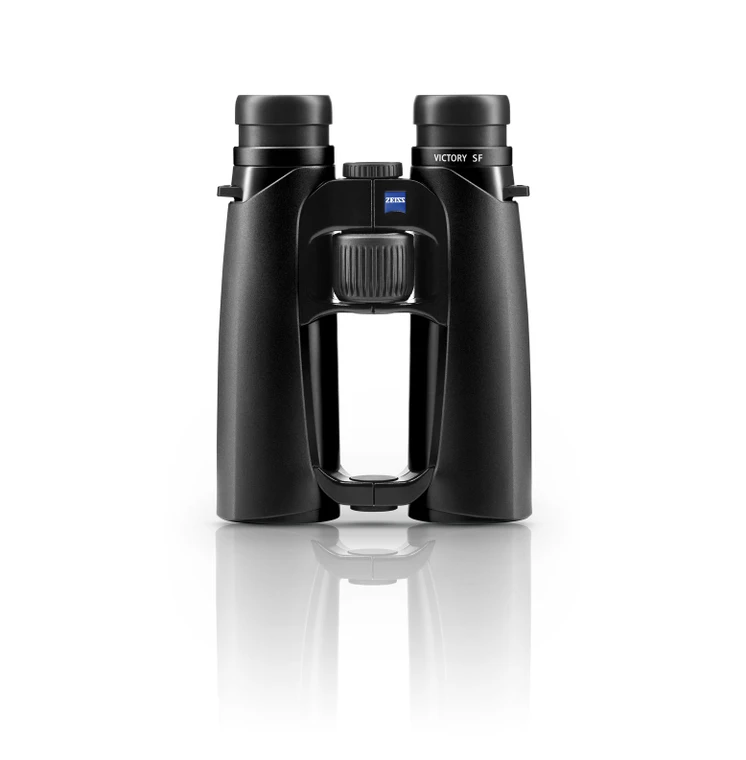
Zeiss Victory SF 10x42
An alpha-class birder's glass with a wide 360-foot field and deliberately rear-weighted balance that steadies long glassing sessions — the main rival to the Swarovski NL Pure, usually for a few hundred less.
Amazon affiliate · price subject to change
Zeiss built the Victory SF around how your hands actually hold binoculars. The center of gravity sits closer to your eyes, reducing wrist strain during extended glassing sessions. The Ultra-FL glass delivers Zeiss's signature color rendition — slightly warmer than Swarovski, which some birders genuinely prefer.
The 9.6 score reflects a community that values comfort alongside optical excellence. If you glass for four hours at a time, the SF's ergonomics aren't a luxury — they're the reason your arms still work at the end of the day.
Zeiss SFL 10x40 — The Lightweight Revelation

Zeiss SFL 10x40
Zeiss alpha glass in a lighter 40mm, 22-ounce body — nearly the Victory SF's clarity in a pair you'll actually carry all day.
Amazon affiliate · price subject to change
At just 22 ounces, the SFL rewrites what's possible in a compact binocular. Zeiss used their ultra-high-definition glass in a package that weighs 30% less than the Victory SF without sacrificing meaningful optical quality. The image is bright, sharp, and contrasty — not quite NL Pure territory, but remarkably close for something this light.
The 9.5 score reveals a community truth: the best binocular is the one you actually carry. A 30-ounce binocular left at camp helps no one. The SFL goes everywhere.
The Glass Ceiling: Diminishing Returns
The community rankings expose an interesting pattern. The jump from $300 glass to $1,000 glass is enormous — sharper images, better coatings, dramatically improved low-light performance. The jump from $1,000 to $2,500 is real but smaller. The jump from $2,500 to $3,500 is detectable mostly at the edges. Know where your sensitivity threshold sits before spending.
Buying Guide: What to Consider
Magnification isn't free. Higher magnification means narrower field of view and more image shake from hand tremor. 8x is steadier and easier to find subjects with. 10x gets you closer detail. 12x is genuinely hard to hold steady without a tripod. For most uses, the community settles on 10x as the best compromise.
Objective lens size determines low-light performance. A 42mm lens gathers enough light for dawn and dusk. A 32mm lens is lighter but struggles in dim conditions. A 56mm lens is a low-light weapon but heavy. Match the glass to when you'll use it — dawn hunters and astronomers need bigger objectives.
Eye relief matters if you wear glasses. Anything under 15mm of eye relief will vignette with eyeglasses. The top three picks all offer 16mm or more. If you wear glasses, check this spec before anything else — no amount of optical quality matters if you can't see the full image.
See all 10 products ranked by the community
Best Binoculars
See Full Rankings →313 community votes cast
Common Questions
According to Gavler's community, the Swarovski NL Pure 10x42 is the top-rated binocular in 2026 with a 9.8 score. Its edge-to-edge sharpness, color fidelity, and wide field of view set it apart from everything else on the market. The Zeiss Victory SF 10x42 and Zeiss SFL 10x40 round out the top three.
For most people, yes. 10x magnification is strong enough for birding, hunting, and general wildlife observation. The 42mm objective lens gathers enough light for dawn and dusk use without making the binocular too heavy. 8x42 offers a wider field of view and steadier image if you don't need the extra magnification.
The community is split — but the rankings speak clearly. Premium glass from Swarovski and Zeiss delivers noticeably better edge sharpness, color accuracy, and low-light performance. The difference is most apparent at dawn, dusk, and when glassing for hours. Budget binoculars cause eye fatigue faster. That said, a $500 binocular today is dramatically better than a $500 binocular from ten years ago.
The Swarovski NL Pure 10x42 dominates birding votes for its massive field of view and razor-sharp image across the entire frame. The Zeiss SFL 10x40 is the community's favorite lightweight birding option — perfect for all-day carries. Both resolve fine feather detail that cheaper optics blur.
Rankings are determined entirely by community votes. Each user gets one vote on the Best Binoculars list — pick the one binocular you'd recommend above all others. No affiliate commissions or sponsorships influence the rankings.
Products Mentioned
Jump to the full ranking and community verdict for each pick named above.