Nike Pegasus 42.
The safe default that no longer wins on merit. Grip, upper comfort and toebox room are all genuinely improved, and a moderate stack keeps the ride natural and predictable for heel strikers. But the new full-length Air Zoom unit added little in RunRepeat's lab, the shoe is still heavy, and it took another price rise to $145 — the Novablast 6 is more shoe for less money.
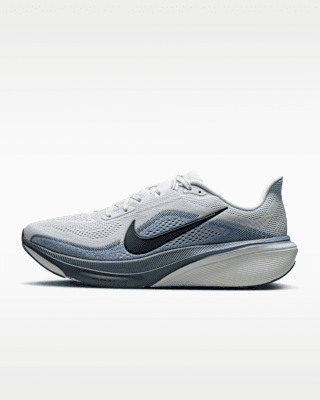
The Verdict.
Gavler Meta-Score
“A good shoe that has been overtaken. Buy it if you are a Pegasus loyalist or a heel striker who wants a moderate, predictable stack and a roomier upper than the Peg 41. Do not buy it expecting the new Air Zoom unit to transform the ride — the lab testing says it does not — and if you are choosing on merit rather than habit, the Novablast 6 is lighter, faster and $5 cheaper.”
The Gavler Verdict
The Gavler Review.
Nike Pegasus 42 Review: A Better Version of a Shoe Being Overtaken
The Nike Pegasus 42 sits fifth on Gavler's Best Running Shoes list with an 8.8, and it's a genuinely better shoe than the 41 in the two places that mattered most: the upper is softer and roomier, fixing the most common complaint about last year's model, and traction is meaningfully improved. Buy it if you're a Pegasus loyalist or a heel striker who wants a moderate, predictable stack. Skip the marketing pitch that the new Air Zoom unit changes the ride — RunRepeat's lab testing found it adds little — and if you're shopping on merit rather than brand habit, the Asics Novablast 6 is lighter, scores similarly, and costs $5 less.
What it is
The Pegasus has been Nike's default answer to "what running shoe should I buy" for two decades, and the v42 is best understood as a competent continuation of that role rather than a reinvention. It sits at a moderate stack height — noticeably lower than the max-stack super-trainers that dominate the upper half of Gavler's running-shoe list — which keeps the ride natural and predictable in a way those shoes deliberately are not. That moderate-stack approach is exactly why RunRepeat rated it ideal specifically for heel strikers, a footstrike pattern that benefits from a lower, more stable platform than max-cushion shoes typically offer.
Nike's marketing for this generation centers on a curved, full-length Air Zoom air unit running the length of the midsole — a genuine engineering change from the outgoing model's more localized air pockets. It's the kind of feature that reads well in a launch press release. Whether it actually changes the experience underfoot is a separate question, and it's the one RunRepeat's lab set out to answer directly.
In use and performance
Two upper changes are real, verified improvements. RunRepeat both liked the comfier upper and the improved grip, and the roomier toebox and forefoot fix the single most common complaint runners had about the Pegasus 41 — a fit that ran tight through the midfoot. Breathability is good, and build quality across the shoe is solid, consistent with a two-decades-old model line that Nike has refined incrementally rather than rebuilt from scratch.
The headline feature is where the shoe disappoints relative to its own marketing. RunRepeat's lab conclusion, after direct performance testing, was that the new full-length Air Zoom unit adds little from a performance standpoint, leaving the ride familiar rather than exciting. That's a specific, tested finding, not a vague impression — the lab ran the shoe through its standard protocol and came away unconvinced that the redesigned air unit changes how the shoe rides in any measurable way.
Two other findings compound the underwhelming take on the "new" part of the Pegasus 42. RunRepeat found the shoe still feels heavy, and it lacks forefoot shock absorption — both persistent Pegasus criticisms that a genuinely reworked air unit might have been expected to address, and didn't. And it arrived with another price increase, now $145 at Nike, continuing a multi-year trend of the Pegasus getting more expensive without a correspondingly bigger leap in performance.
Strengths
RunRepeat's own summary of the shoe is the fairest available verdict: this is a better version of the Pegasus, but rivals are evolving quickly and this update does not fully keep pace. Within that framing, the real strengths are concrete. The upper is a genuine comfort upgrade — roomier, softer, better ventilated — and the improved outsole traction is a safety-relevant fix that matters in wet or uneven conditions. The moderate stack height keeps the ride grounded and predictable, which is exactly the trait heel-striking runners who've never liked the wobblier feel of max-stack super-trainers are looking for. And two decades of Pegasus production means sizing, fit consistency, and retail availability are as dependable as any shoe on this list.
Trade-offs — who should skip it
The core disappointment is proportional to the marketing: Nike sold this generation on a reworked air unit, and RunRepeat's lab testing found it adds little to the actual ride. If the redesigned Air Zoom unit is the reason you'd upgrade from an older Pegasus, that reason doesn't hold up under testing. The shoe still feels heavy and still lacks forefoot shock absorption — both known Pegasus limitations that carried through this generation rather than being resolved. And at $145, after another price increase, the value case against a lighter, similarly-rated rival is weaker than it's been in past Pegasus generations.
How it compares
One rank below on the same list, the Nike Alphafly 3 represents an entirely different category of shoe — a max-stack racing platform, not a daily-mileage workhorse — and isn't really a cross-shop candidate against the Pegasus 42's job description. The more relevant comparison is the shoe RunRepeat's own data points toward directly: the Asics Novablast 6, which scores well across daily and even tempo duty, is lighter, and costs $5 less than the Pegasus 42. For a runner without existing brand loyalty to Nike, that's the harder shoe to argue against on pure merit.
The Gavler verdict
Score: 8.8/10. The Pegasus 42 is not a bad shoe — it's a better shoe than the 41 in the upper and traction, and a dependable daily trainer for heel strikers who want a moderate, predictable stack. But the marketing centerpiece, the reworked Air Zoom unit, tested as making little real difference, and the shoe carries the same weight and forefoot cushioning limitations as before, now at a higher price. If you've run in Pegasus for years and want more of the same with a better upper, you'll be satisfied. If you're choosing on merit alone, look at the Novablast 6 first.
Common Questions
It's worth it if you're already a Pegasus runner who wants the same dependable, moderate-stack ride with a roomier, more comfortable upper. RunRepeat's lab rated it a strong 90 for daily running. It's a harder sell on pure merit at $145, since RunRepeat found the new full-length Air Zoom unit adds little to the actual ride and the Novablast 6 scores similarly for less money.
The biggest functional change is a softer, roomier upper that fixes the most common complaint about the 41 — a tight forefoot. Traction is also improved. The headline marketing feature, a new curved full-length Air Zoom air unit, is present but RunRepeat's lab testing found it adds little from a performance standpoint versus the outgoing model.
Buy the Novablast 6 if you're choosing on merit alone — it's lighter, livelier according to RunRepeat's testing, and $5 cheaper. Buy the Pegasus 42 if you're a heel striker who's run in Pegasus for years, values the moderate and predictable stack height, or simply prefers Nike's fit and sizing.
Where to Buy.
Prices checked regularly
90-day price history
Price History
Steady at $145 for the entire 90-day tracking window — no increases, no discounts, across 90 tracked days.
Tracked daily across retailers. Vote Want itabove and we’ll alert you the moment the price drops.
Some links are affiliate links — Gavler may earn a commission. This never affects rankings or scores. Learn more.
Precision Engineering
Curved Full-Length Air Zoom Unit
Nike's headline update — but RunRepeat's lab found it adds little from a performance standpoint, leaving the ride familiar.
Roomier Upper Than Peg 41
More forefoot and toebox space, addressing the most common complaint about the previous generation.
Improved Waffle Outsole
High-abrasion rubber and flex grooves; traction is one of the clearest year-over-year gains.
Technical Specifications
The Scoreboard
The 8.8 is the lowest score among the daily trainers here and reflects a specific expert finding rather than a vague one: RunRepeat determined that the marquee full-length Air Zoom unit adds little in performance terms, and paired that with criticisms of weight, forefoot shock absorption and a second consecutive price increase. Genuine improvements to traction, upper comfort and toebox room keep it credible.
Cast Your Vote
Do you think Nike Pegasus 42 deserves the #11 spot in Best Running Shoes?
Global Critique
“The new full-length Air Zoom unit adds little from a performance standpoint, leaving the ride familiar rather than exciting.”
“While this is a better version of the Pegasus, rivals are evolving quickly and this update does not fully keep pace.”
“We really liked the comfy upper plus the improved grip.”
“Cons: Feels heavy, Lacks forefoot shock absorption”
More from Best Running Shoes.
See how other top picks compare in this category.

What Kind of Running Shoe Do Your Miles Actually Need?
A carbon plate is the wrong first question. Daily trainer vs max-cushion vs stability vs race-day super shoe is the job. Then shop Gavler's live ranking.
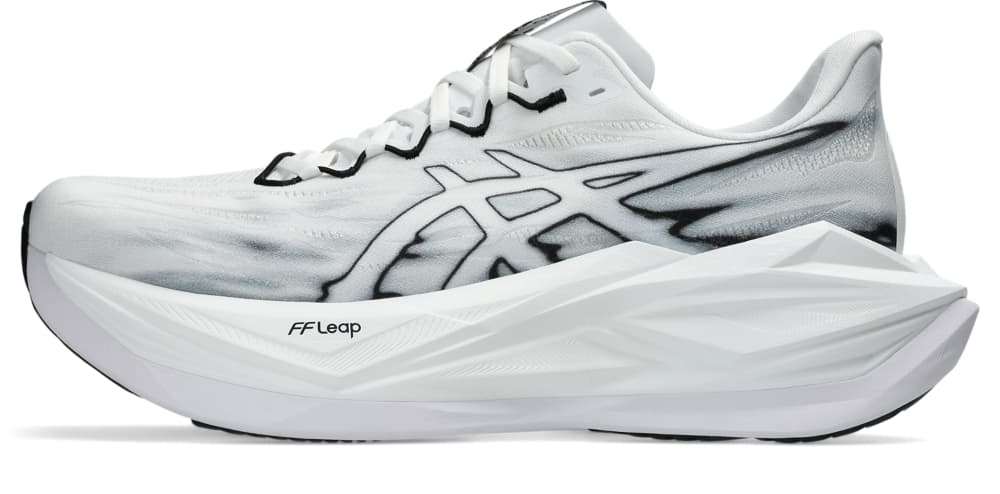
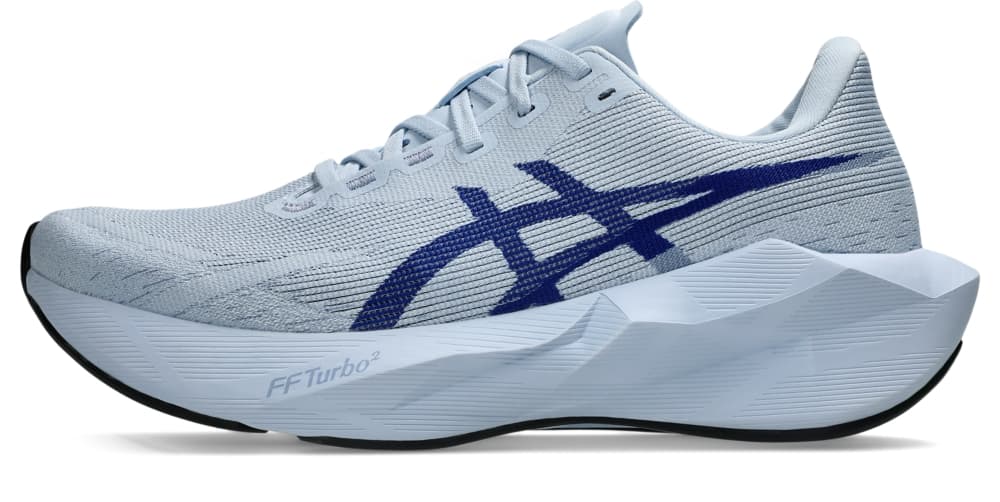
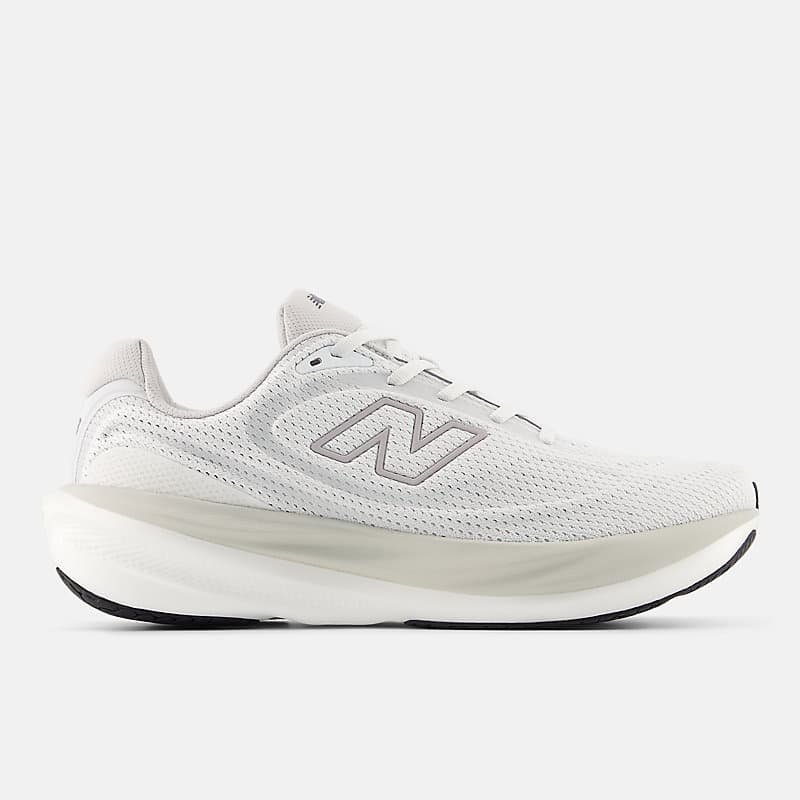
Superblast 3 vs Vomero 18 vs Novablast 6: The Best Daily Trainer of 2026 Costs $155, and It Isn't the Nike
Three shoes dominate every 2026 daily-trainer list: one's a recovery shoe in a trainer's badge, one costs $55 too much, one spec sheet won't survive a caliper.
The $500 Running Shoe Is Not the Fastest One. A $300 Shoe Is Lighter, and a $170 Shoe Is the Smart Buy.
Adidas broke the super-shoe price ceiling at $500. Every outlet that tested it says buy cheaper — and the lab data says the benefit was never about price.
The Best Running Shoes in 2026, Ranked by Runners Who Actually Race Them
Nike, Asics, Hoka, Saucony. Gavler's running community ranks the shoes worth lacing — from $140 daily trainers to $285 marathon weapons.