Kraken Kinetic Recovery Rope.
30-foot kinetic energy recovery rope rated to 19,000 lbs — stretches under load to store energy, then releases for a gentle, progressive pull that's easier on frames.
The Verdict.
Gavler Meta-Score
“The Kraken Kinetic Recovery Rope is the vehicle-to-vehicle extraction tool that physics demands. Kinetic energy storage and progressive release protects both vehicles from the shock loading that static straps inflict. At $189, it's insurance for frame rails, recovery points, and bumpers. Pair with soft shackles for the safest possible vehicle-to-vehicle recovery setup.”
The Gavler Verdict
The Gavler Review.
Kraken Kinetic Recovery Rope Review: The Physics-Backed Way to Pull a Stuck Truck
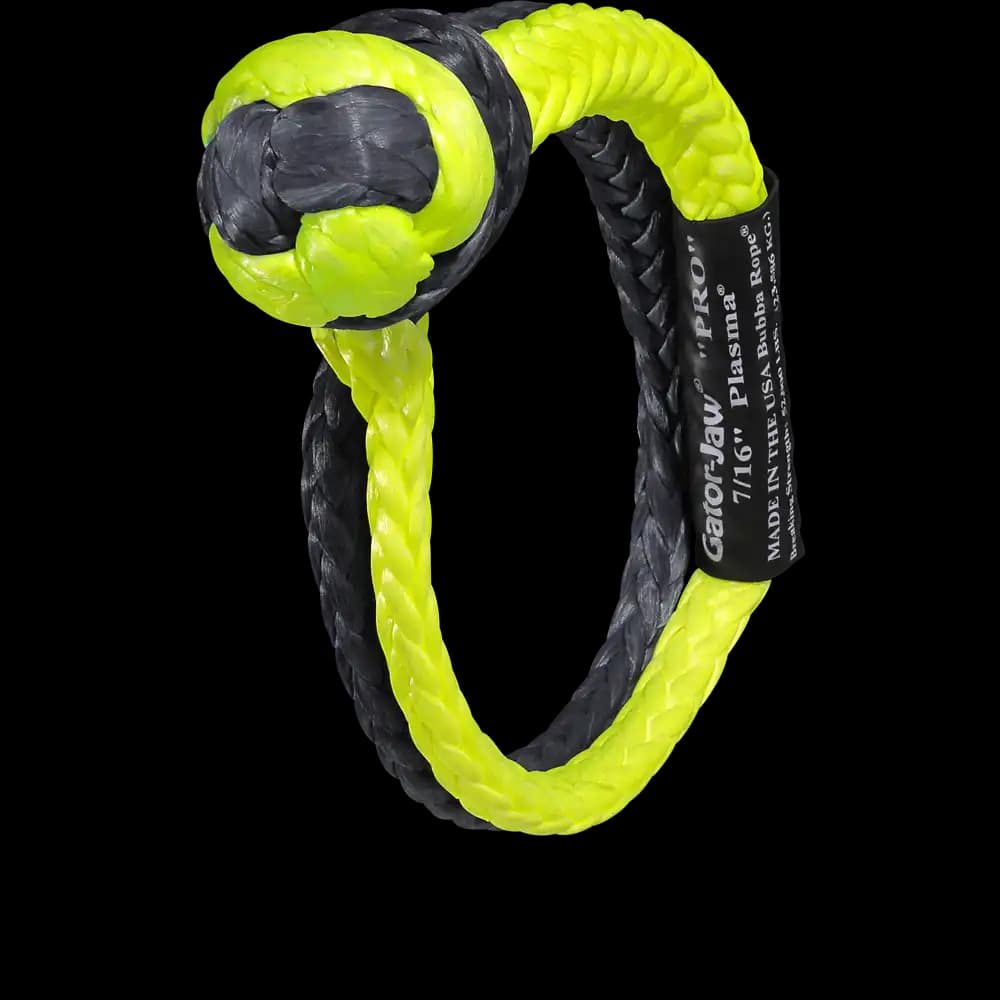
The Kraken Kinetic Recovery Rope ranks number 10 on Gavler's Best Overlanding Recovery Gear list with an 8.2, closing out the list as the dedicated vehicle-to-vehicle extraction tool. Gavler's own verdict is straightforward about why it's here: "The Kraken Kinetic Recovery Rope is the vehicle-to-vehicle extraction tool that physics demands. Kinetic energy storage and progressive release protects both vehicles from the shock loading that static straps inflict." Buy it if your recovery kit currently relies on a static tow strap for buddy-vehicle pulls — at $189, it's real insurance for frame rails and recovery points. Pair it with a soft shackle like the Bubba Rope Gator-Jaw rather than a steel clevis, and you've built the safest realistic vehicle-to-vehicle setup on this list.
What it is
Every static tow strap has the same physical flaw: it doesn't stretch, so when a recovery vehicle accelerates and hits the end of the strap, the full force of that impact transfers instantly into both vehicles' frames, recovery points, and hitches. Kinetic rope fixes this with material science rather than technique. The Kraken's double-braided nylon construction stretches 20 to 30% under load, storing energy during the initial pull and releasing it progressively rather than all at once. The stuck vehicle gets pulled smoothly instead of jerked violently, and the peak force on both vehicles' attachment points drops accordingly. At 30 feet long and three-quarters of an inch in diameter, with a minimum breaking strength of 19,000 lbs and sewn eye loops on each end, it's built to standard kinetic-rope spec — nothing exotic, just a rope engineered to stretch and release the right way, repeatedly.
In use
The mechanics of the pull are the whole story here. With a static strap, the tow vehicle accelerates, hits the strap's full length, and transmits near-instant peak force into whatever it's attached to — that's the physics behind snapped recovery points and bent bumpers. A kinetic rope changes the shape of that force curve entirely: the tow vehicle accelerates into the rope's stretch, the rope absorbs and stores that energy, and the release builds progressively rather than spiking. Gavler's baseline research describes the practical difference as "genuinely easier on frame-mounted recovery points, bumpers, and hitches" — a meaningful distinction for anyone who's watched a static strap yank a shackle mount clean off a bumper.
The 30-foot length keeps meaningful distance between vehicles during the pull, which matters both for the physics of the stretch and for keeping the tow vehicle's tires and undercarriage clear of whatever got the first vehicle stuck. The sewn eye loops accept standard shackles or soft shackles without adapters, so it drops into an existing recovery kit without forcing new hardware purchases.
Strengths
- 20 to 30% stretch under load stores kinetic energy and releases it progressively, eliminating the shock loading that static straps transmit directly into frames and recovery points.
- 19,000 lbs minimum breaking strength from double-braided nylon holds up across repeated recovery cycles rather than degrading after the first hard pull.
- 30-foot length with sewn eye loops on both ends keeps safe vehicle separation and accepts standard or soft shackles without extra hardware.
The trade-offs — who should skip it
- You only do short, controlled pulls. Gavler's scoreNote acknowledges some overlanders still prefer static straps for short, controlled pulls where the extra stretch and setup distance aren't needed.
- You're on a tight budget and already own a static strap. At $189, the Kraken costs roughly six times what a basic static tow strap runs — worthwhile insurance for frame rails, but a real premium over the cheaper alternative.
- You're recovering solo. A kinetic rope requires a second vehicle to pull against; solo travelers stuck without backup need a winch and, in open terrain, a Deadman Earth Anchor instead.
How it compares
The Kraken sits at the bottom of Gavler's Best Overlanding Recovery Gear list by score, but that reflects its narrower use case, not its execution — it's a purpose-built vehicle-to-vehicle tool on a list mostly built around solo self-recovery gear like winches and traction boards. Paired with the Bubba Rope Gator-Jaw, a soft shackle that ranks fourth on the same list at 9.2, the Kraken becomes part of the safest realistic buddy-pull setup available: a rope that won't shock-load the frame, attached with a shackle that won't turn into shrapnel if something does go wrong. Against a basic static strap, the case for the Kraken is entirely about physics rather than convenience — static straps are cheaper and simpler, but they transmit force in a way that genuinely risks the hardware on both trucks.
The Gavler verdict
An 8.2, with an 82 expert consensus and an 84 community rating, reflecting a tool that does its specific job well without being universally necessary. Gavler's scoreNote is fair to both sides: praised for gentler extraction forces, with some overlanders still preferring static straps for short, controlled pulls. The honest recommendation is to own both — a kinetic rope for vehicle-to-vehicle extraction, a static strap for winch extension and tree protection — and let the situation dictate which one comes off the spool. At $189, the Kraken is the one that protects the hardware you can't easily replace on the trail.
Common Questions
Yes, if your recovery kit currently relies on a static tow strap for vehicle-to-vehicle pulls. Gavler's verdict calls it 'the vehicle-to-vehicle extraction tool that physics demands,' since its stretch-and-release action protects both trucks from shock loading. It ranks tenth on Gavler's Best Overlanding Recovery Gear list with an 8.2, and at $189 it's real insurance for frame rails and recovery points.
A static strap doesn't stretch, so when the tow vehicle hits the end of it, the full force transfers instantly into both vehicles' frames and recovery points. A kinetic rope like the Kraken stretches 20 to 30% under load, storing energy during the pull and releasing it progressively instead of all at once — a smoother, less violent extraction for both trucks.
It carries a minimum breaking strength of 19,000 lbs, built from double-braided nylon rated 3/4 inch in diameter and 30 feet long, with sewn eye loops on each end that accept standard shackles or soft shackles without extra hardware.
Yes. They do different jobs — kinetic rope is for vehicle-to-vehicle extraction, while a static strap is better suited for winch extension and tree protection. A complete recovery kit carries both rather than treating one as a replacement for the other.
Where to Buy.
Prices checked regularly
90-day price history
Price History
Steady at $189 for the entire 90-day tracking window — no increases, no discounts, across 91 tracked days.
Tracked daily across retailers. Vote Want itabove and we’ll alert you the moment the price drops.
Some links are affiliate links — Gavler may earn a commission. This never affects rankings or scores. Learn more.
Precision Engineering
20-30% Stretch Under Load
Stores kinetic energy during pull and releases progressively — no shock loading on frames and recovery points.
19,000 lbs Breaking Strength
Double-braided nylon handles repeated recoveries without degradation — consistent stretch over hundreds of cycles.
30-Foot Length with Sewn Eyes
Adequate vehicle separation during extraction — sewn eye loops accept shackles without additional hardware.
Technical Specifications
The Scoreboard
Praised for gentler extraction forces. Some overlanders still prefer static straps for short, controlled pulls.
Cast Your Vote
Do you think Kraken Kinetic Recovery Rope deserves the #10 spot in Best Overlanding Recovery Gear?
Global Critique
“The difference between kinetic and static recovery is night and day — smooth extraction versus violent jerking.”
“Kraken rope quality is excellent — consistent stretch after two years of regular use.”
“Every recovery kit needs a kinetic rope — your frame rails will thank you.”
More from Best Overlanding Recovery Gear.
See how other top picks compare in this category.