Bubba Rope Gator-Jaw.
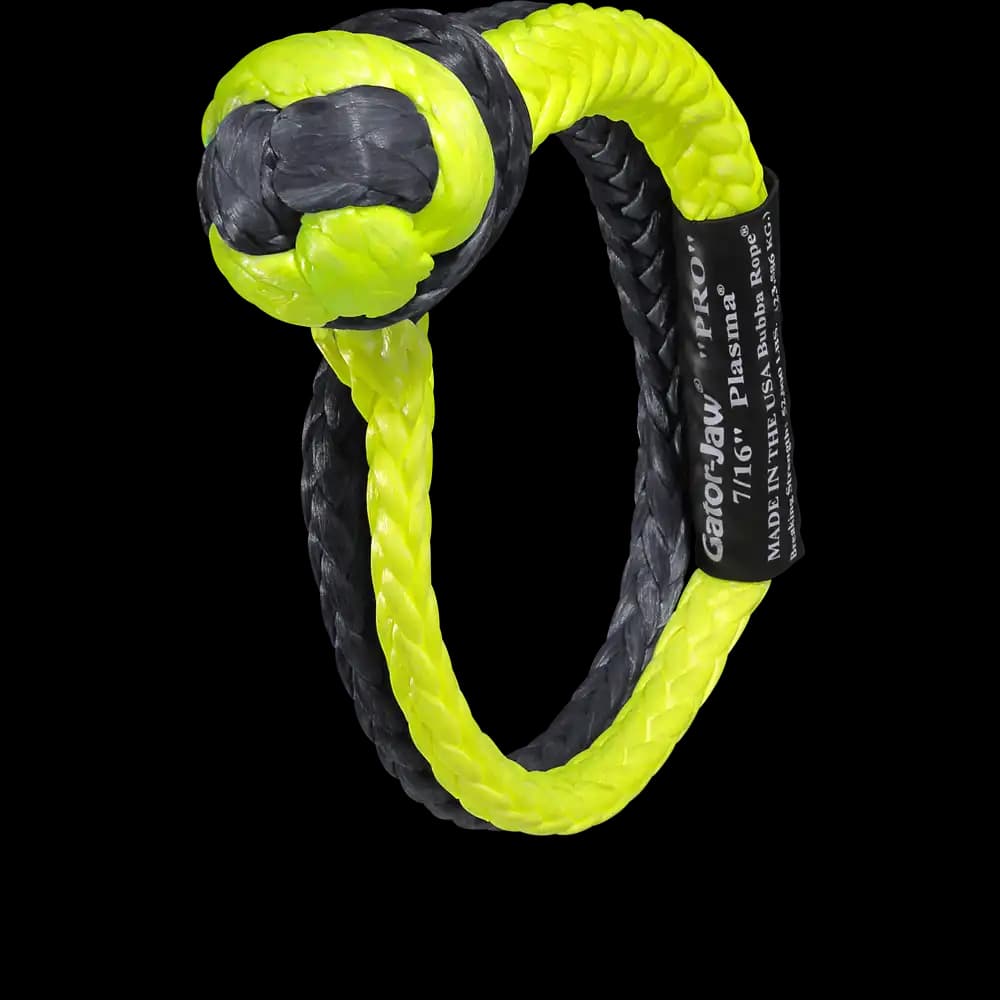
Synthetic soft shackle rated to 52,300 lbs — replaces steel D-rings with a lightweight, non-marring alternative that won't become a projectile in failure.
The Verdict.
Gavler Meta-Score
“The Bubba Rope Gator-Jaw is the modern replacement for steel D-ring shackles in recovery operations. Higher breaking strength, fraction of the weight, faster to rig, and dramatically safer in failure. At $79, it's the safety-conscious upgrade that every recovery kit needs — carry multiples, use them everywhere steel shackles used to go.”
The Gavler Verdict
The Gavler Review.
Bubba Rope Gator-Jaw Review: The 79-Dollar Steel Shackle Replacement
The Bubba Rope Gator-Jaw ranks fourth on our Best Overlanding Recovery Gear list with a 9.2, and it solves a problem most overlanders don't think about until a recovery goes wrong: the steel D-ring shackle in their kit is both heavier and more dangerous in failure than it needs to be. At $79 for a plasma-coated Dyneema shackle rated to 52,300 lbs, Overland Journal called it simply "the best implementation available" among soft shackles. The one honest trade-off is durability against sharp edges and abrasion, where traditionalists still reach for steel — which is why Gavler recommends carrying both rather than replacing steel entirely.
What it is
The Gator-Jaw is a synthetic soft shackle built from plasma-coated Dyneema fiber, designed to replace a traditional steel D-ring shackle in vehicle recovery rigging. Instead of a pin and clevis, it uses a stopper-knot and loop connection: push the knot through the loop to rig a secure connection, reduce tension and pull it back through to release. That mechanical simplicity matters most in the conditions recovery actually happens in — cold weather, when steel shackle pins freeze or cross-thread, or low light, when fumbling with a pin costs real time.
The material is the whole story on strength-to-weight. Dyneema's fiber strength lets the Gator-Jaw hit a 52,300-lb minimum breaking strength at roughly 4 ounces — Gavler's verified spec — while a comparable 3/4-inch steel D-ring shackle weighs over a pound and breaks at a lower rated load. Expedition Portal put the physics in perspective: "52,000+ lbs in something that fits in your palm — Dyneema physics are genuinely impressive." A plasma coating adds abrasion resistance, and UV stabilizers protect against degradation from sitting on a roof rack or bumper for months at a time.
In use
The safety case is the reason this product exists, and it's the case every reviewer leads with. A steel shackle that fails catastrophically under winch tension becomes a multi-pound metal projectile traveling at speed — a well-documented and genuinely dangerous failure mode in vehicle recovery. A synthetic soft shackle removes that risk structurally rather than procedurally: there's no rigid metal mass to become a missile if something upstream lets go. GearJunkie's summary distills the trade-off cleanly: "Faster to rig, safer in failure, lighter to carry — there's no downside versus steel for most recovery points."
Day-to-day usability backs up the safety pitch. The knot-and-loop connection rigs faster than threading and tightening a steel shackle pin, and it doesn't rely on a moving metal part that can seize, rust, or cross-thread. That's a bigger deal than it sounds in practice — cold-weather recoveries where gloved hands are fighting a frozen pin are exactly when a faster, simpler connection earns its keep. Reviewers who've used both consistently describe reaching for the soft shackle first once they've made the switch, with Expedition Portal noting elsewhere in the category that once you've rigged with a comparable quick-connect system, "you'll wonder why hooks still exist" on older recovery hardware — the same instinct applies to steel shackles once a Dyneema alternative is in the kit.
Strengths
- 52,300 lbs of rated strength at roughly 4 ounces. Dyneema's strength-to-weight ratio lets you carry several soft shackles where one steel D-ring used to go, with headroom well above most vehicle recovery loads.
- Not a projectile risk in failure. The core safety advantage over steel — synthetic fiber doesn't become a lethal metal missile if a connection point fails under tension.
- Faster to rig in bad conditions. The stopper-knot connection works when cold hands and frozen steel pins don't, a real advantage in winter recovery scenarios.
- Floats and won't rust. Being non-metallic means no corrosion from repeated wet use and no risk of losing it in mud or water the way a dropped steel shackle can disappear.
The trade-offs — who should skip it
The honest limitation is abrasion and edge resistance. A synthetic fiber shackle is more vulnerable to a sharp rock edge or a damaged, burred recovery point than a solid steel D-ring is — Gavler's scoring notes reflect this directly, pointing out that "some traditionalists prefer steel for durability around sharp edges." That's a real, physical trade-off, not just old-guard resistance to change: Dyneema fiber can be cut or abraded in ways that forged steel resists.
At $79, it's also a meaningful premium over a basic steel D-ring shackle that can be bought for a fraction of the price — the value proposition here is safety and convenience, not cost savings. And a soft shackle isn't a complete recovery kit on its own; it solves the connection-point problem specifically, not traction, winching force, or the rest of what a full recovery setup requires.
The practical answer isn't choosing one over the other — it's carrying both. Use the Gator-Jaw as your default connection point, and keep a steel shackle in the kit for recovery points with sharp or damaged edges where synthetic fiber is the wrong tool.
How it compares
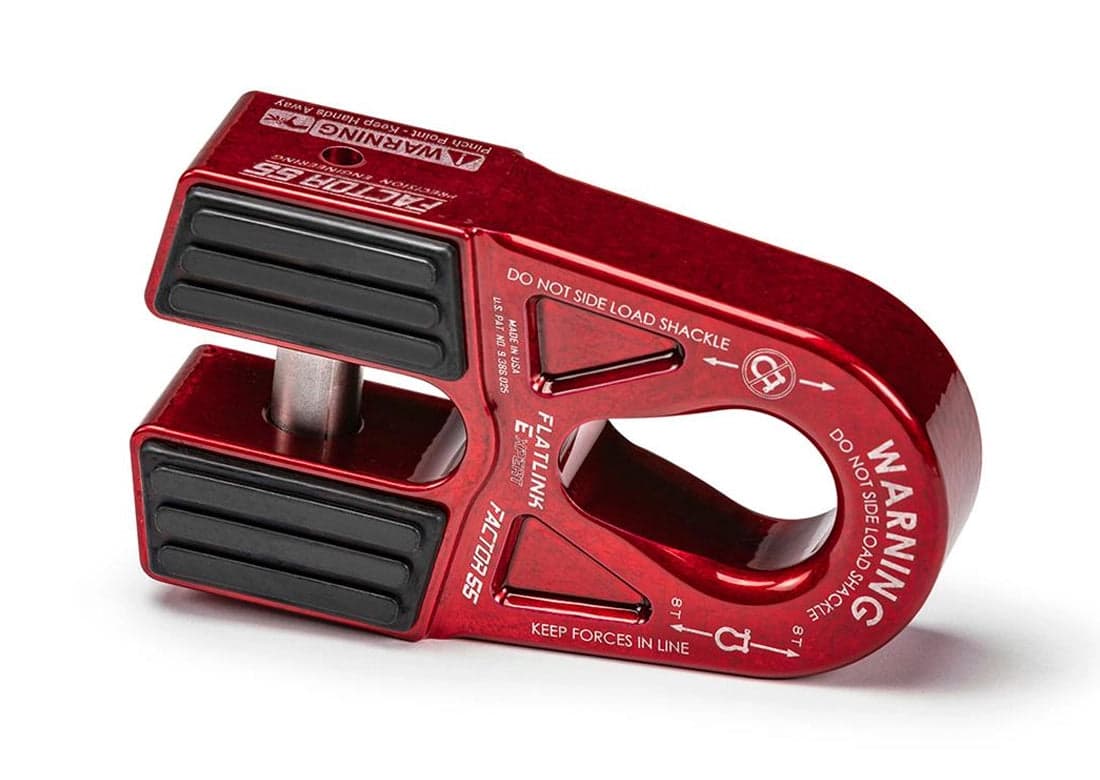
On the same list, the Factor 55 FlatLink E at rank three solves an adjacent problem in the same recovery chain — it eliminates the steel winch hook itself, the same projectile-risk logic applied to the other end of the line. The two pair naturally: a FlatLink E at the winch and a Gator-Jaw at the recovery point removes hook and shackle failure risk from both ends of a pull. Our Factor 55 FlatLink E review covers that half of the setup in full.
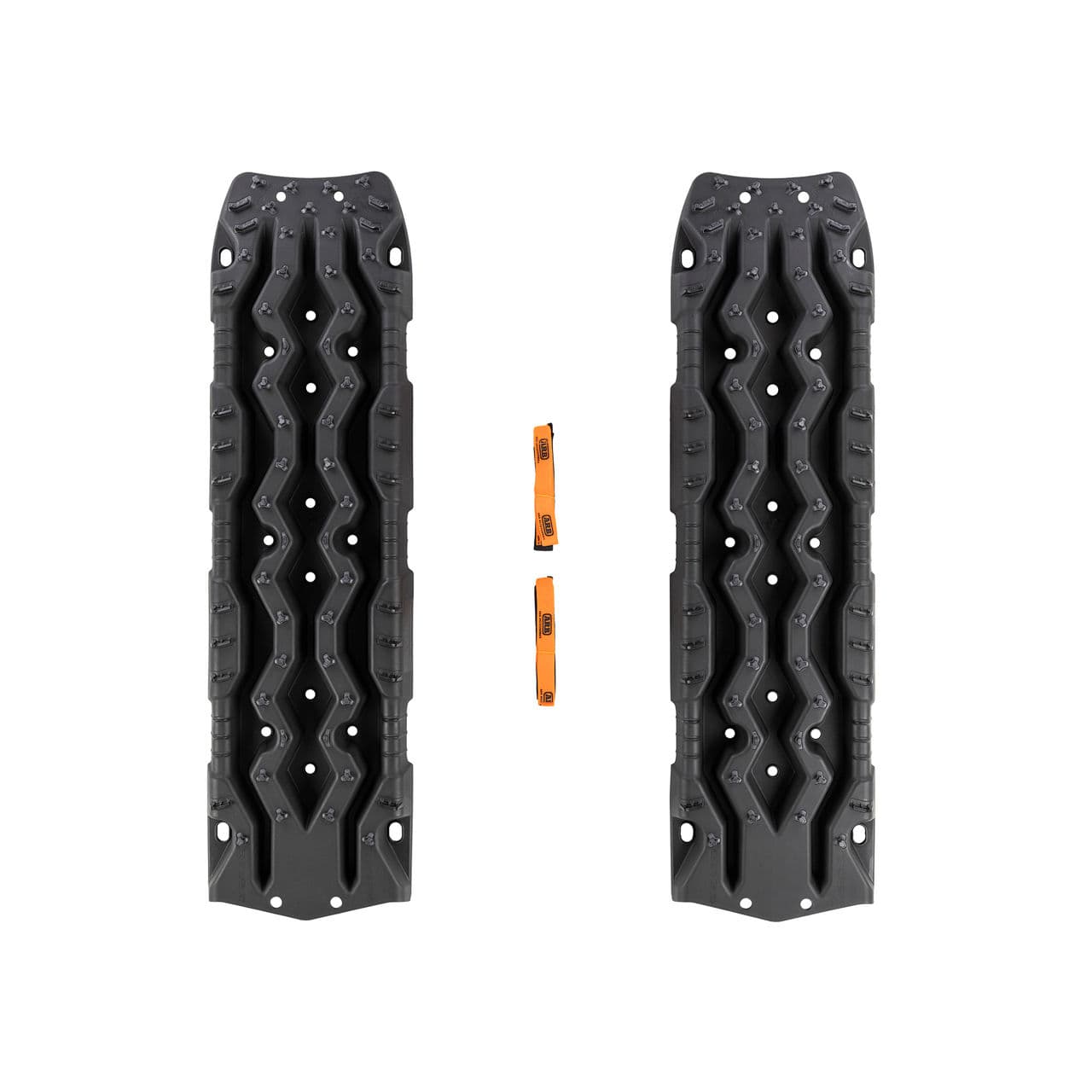
The Hi-Lift X-Treme Jack 48" at rank five is a different category of tool entirely — a mechanical jack, winch, clamp, and spreader rather than a connection-point upgrade — but it's a common companion purchase for building out a complete overlanding recovery kit alongside soft shackles and a fairlead upgrade.
The Gavler verdict
A 9.2, reflecting close to universal agreement across the recovery-gear press: Overland Journal, Expedition Portal, and GearJunkie all land on the same conclusion despite testing independently. At $79, the Bubba Rope Gator-Jaw is a safety-conscious upgrade with genuine physics behind it — higher breaking strength than most steel equivalents, a fraction of the weight, and no projectile risk if a recovery goes wrong. Carry at least two alongside your steel shackles, and use them everywhere steel doesn't have a specific edge-durability advantage.
Common Questions
For anyone doing vehicle recovery with steel D-ring shackles, yes. It ranks fourth on Gavler's Best Overlanding Recovery Gear list with a 9.2, rated to 52,300 lbs of minimum breaking strength at about 4 ounces. Overland Journal called it 'the best implementation available' among soft shackles, and at $79 it's a low-cost swap for a component most overlanders never think to upgrade.
Yes, specifically in failure mode. A steel shackle that fails under load can become a fast-moving metal projectile; a synthetic Dyneema soft shackle like the Gator-Jaw does not. GearJunkie summarized the case plainly: 'Faster to rig, safer in failure, lighter to carry — there's no downside versus steel for most recovery points.'
Gavler's guidance is to carry both. Soft shackles like the Gator-Jaw are lighter, quick-release, and safer in failure, which makes them the better default for most recovery points. Traditionalists still prefer steel around sharp edges or abrasive rock, where a soft shackle's synthetic fiber is more vulnerable than steel — carrying two or more of each covers both scenarios.
Where to Buy.
Prices checked regularly
90-day price history
Price History
Steady at $79.00 for the entire 90-day tracking window — no increases, no discounts, across 91 tracked days.
Tracked daily across retailers. Vote Want itabove and we’ll alert you the moment the price drops.
Some links are affiliate links — Gavler may earn a commission. This never affects rankings or scores. Learn more.
Precision Engineering
52,300 lbs Breaking Strength
Exceeds most steel D-ring shackles while weighing approximately 4 ounces — carry four in a pocket.
Non-Projectile in Failure
Synthetic fiber doesn't become a lethal steel missile at speed — the fundamental safety advantage over metal.
Quick-Release Stopper Knot
Faster to rig than threading a steel shackle pin — especially in cold weather when pins freeze or cross-thread.
Technical Specifications
The Scoreboard
Universally praised for safety and convenience. Some traditionalists prefer steel for durability around sharp edges.
Cast Your Vote
Do you think Bubba Rope Gator-Jaw deserves the #4 spot in Best Overlanding Recovery Gear?
Global Critique
“Soft shackles are the future of recovery rigging — the Gator-Jaw is the best implementation available.”
“52,000+ lbs in something that fits in your palm — Dyneema physics are genuinely impressive.”
“Faster to rig, safer in failure, lighter to carry — there's no downside versus steel for most recovery points.”
More from Best Overlanding Recovery Gear.
See how other top picks compare in this category.