ARB TRED Pro Recovery Boards.
Fiberglass-reinforced nylon recovery boards with aggressive nodule design and integrated leash points — the boards trusted by expedition teams worldwide.
The Verdict.
Gavler Meta-Score
“The ARB TRED Pro boards are the recovery boards that expedition teams choose when failure isn't an option. The fiberglass-reinforced construction, aggressive nodules, and integrated leash system justify the premium over Maxtrax for serious overlanders. At $299/pair, they're insurance — the kind you're grateful for the one time you need it.”
The Gavler Verdict
The Gavler Review.
ARB TRED Pro Recovery Boards Review: The Insurance Policy You Deploy
The ARB TRED Pro Recovery Boards sit at number one on our Best Overlanding Recovery Gear list with a 9.6, and the case for them is the case for insurance: you buy them hoping to never truly need them, and you are grateful for the extra engineering the one time you do. At $299 a pair, they cost more than most off-brand boards on the market, but the fiberglass-reinforced construction, aggressive dual-side nodules, and integrated leash system are the reasons expedition teams — the people for whom a failed recovery isn't an inconvenience but a real problem — keep choosing them. Buy these if you overland in mud, snow, or remote terrain where board failure has consequences. If you mostly air down on dry sand and want to save $20, the Maxtrax MKII a few spots down the same list is a legitimate alternative.
What it actually is
A recovery board's entire job is simple: give a spinning tire something to bite into when it's buried in sand, mud, or snow. The engineering difference between a good board and a bad one shows up entirely under load, which is exactly the moment a board's price tag stops being an abstraction.
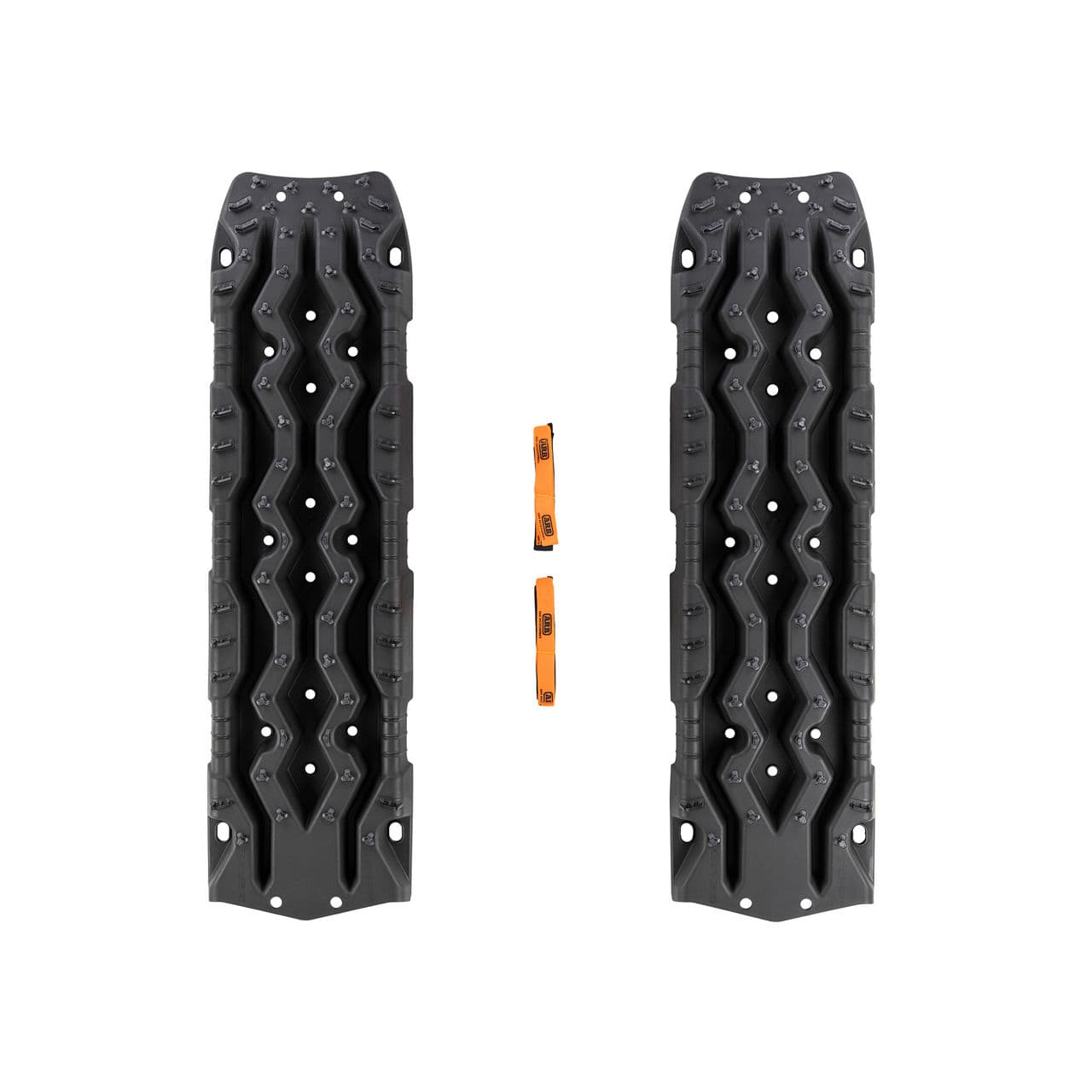
The TRED Pro is built from fiberglass-reinforced nylon, the material choice that separates premium boards from the flat, brittle plastic boards sold at big-box auto stores. Under the weight of a spinning tire, fiberglass-reinforced nylon flexes and returns to shape instead of cracking — a distinction that matters the second time you use a board, not the first. The nodule pattern runs on both sides, so the board grips terrain and tire simultaneously rather than presenting one "up" side and a smooth, useless "down" side. And the integrated leash points are the detail most competitors skip: a strap that keeps the board tethered to the vehicle so it doesn't shoot out the back under aggressive wheel spin, which is both a lost-tool problem and, at the wrong moment, a safety problem.
Each board is 44.5 inches long and weighs 8.8 lbs, sized to work across everything from a Wrangler to a full-size truck, and rated to 4,400 lbs of vehicle weight per board.
In use
The real test of a recovery board isn't the spec sheet — it's what happens in the three minutes after a tire buries itself in wet mud with no cell signal and no second vehicle nearby. That's the scenario Expedition Portal's reviewers pointed to directly: "The TRED Pro is the board I trust when there's no cell service and no backup plan." That's a specific, credible endorsement, not marketing copy — it's a reviewer describing the exact failure mode a recovery board exists to prevent.
Overland Journal's testing zeroed in on the nodule design specifically, noting the TRED Pro "grips better in wet mud than any competitor we tested — the leash system is the cherry on top." That's the two features working together: aggressive grip gets the tire moving, and the leash keeps the board where it needs to be through the whole recovery rather than launching backward the instant the tire finds traction.
Longevity is the other half of the equation, since a recovery board only proves its worth over years of exposure, not one good recovery. GearJunkie's long-term take: "Three years of roof-rack exposure, dozens of recoveries, zero signs of failure — worth every dollar over budget boards." UV-stabilized material that survives years of Australian-engineered sun exposure is the reason ARB can make that durability claim in the first place — this isn't a board designed for a mild climate.
Where it shines
- Flex-without-snap construction. Fiberglass-reinforced nylon bends under load and returns to shape, which is the entire reason premium boards outlast cheap ones. A cracked board is a board that fails at the exact moment you need it most.
- The leash system is a genuine safety feature, not a gimmick. Boards that eject under wheel spin are both a lost-gear problem and a real hazard to anyone standing nearby. TRED Pro is one of the few boards in the category that solves this natively rather than requiring an aftermarket strap.
- Dual-side nodules that grip tire and terrain at once. Mud, sand, and snow behave very differently, and a board that only grips one of the two surfaces (tire or ground) is only half doing its job.
The trade-offs — who should skip it
This is the best recovery board in the category for serious use, not the cheapest way to check the box, and the honest reasons to consider something else are specific:
- You only air down on dry, packed sand. If your terrain is forgiving and boards rarely eject on their own, the leash system's advantage shrinks, and the Maxtrax MKII — about a pound lighter per board and $20 cheaper — is a perfectly credible alternative.
- You're outfitting on a tight budget and this is your first recovery kit. $299 is a real expense. If it's genuinely a stretch, a cheaper starter board is better than no board at all — just plan to upgrade before you take on serious mud or snow trips.
- You need boards purely as a lift/traction aid on flat gravel, not for genuine extraction. In that narrow use case, the fiberglass-reinforced engineering is overkill you're paying for and not using.
How it compares
Within its own list, the TRED Pro's most direct rival is the Maxtrax MKII, the board that arguably created the premium category in the first place. Maxtrax counters with a slightly longer traction surface, a pound less weight per board, and the widest mounting-accessory ecosystem in the category — but it ships without an integrated leash system, requiring aftermarket straps to match TRED Pro's retention. The $20 price gap between them is essentially the price of that leash system.
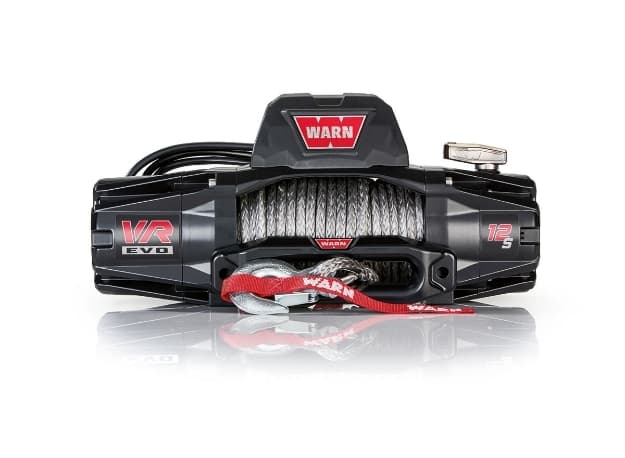
The more interesting comparison isn't board-to-board, though — it's board-to-winch. The Warn VR EVO 12-S Winch sits directly below TRED Pro at rank 2 on the same list, and the two tools solve different recovery scenarios: boards get you unstuck in under two minutes with no anchor point required, while a winch handles the deeper, heavier extractions boards can't. Most serious overland recovery kits carry both rather than choosing one.
The Gavler verdict
A 9.6, near the top of the entire recovery-gear list, and the number reflects near-universal agreement among off-road reviewers and long-term owners alike. The ARB TRED Pro boards aren't the cheapest way to satisfy "I own recovery boards" — they're the boards built for the day the recovery actually matters. The fiberglass-reinforced construction, dual-side grip, and integrated leash system are specific, verifiable advantages over budget alternatives, and years of owner-reported durability back up the premium price. Buy them if you take overlanding seriously enough that a failed board isn't an acceptable outcome; the only real objection — Maxtrax's slightly lower price and lighter weight — is a narrow one that mostly matters if you never leave dry sand.
Common Questions
Yes, for anyone who overlands in terrain where a stuck vehicle means real consequences. At 299 dollars for a pair, TRED Pros cost more than off-brand boards, but the fiberglass-reinforced nylon flexes under load instead of snapping, and every board is tested to 4,400 pounds of vehicle weight. Reviewers who have run them for years report zero failures after dozens of recoveries and years of roof-rack UV exposure — the kind of durability that off-brand boards rarely match.
Both are excellent, and the honest answer is that you are choosing between two premium options, not a good one and a bad one. TRED Pro's integrated leash system keeps the board pinned under the tire during violent wheel spin, which matters most in mud where boards eject easily. Maxtrax MKII is about a pound lighter per board and has the wider mounting-accessory ecosystem, but needs aftermarket straps for the same retention. Sand-only overlanders can save 20 dollars with Maxtrax; mud-and-snow overlanders should pay for the leash system.
Yes — they solve different problems. A winch needs an anchor point (a tree, another vehicle, a buried Deadman anchor) and takes several minutes to rig. Recovery boards work in open desert or beach sand where there is nothing to winch against, and a self-recovery with boards takes under two minutes. The ARB TRED Pro sits at rank 1 and the Warn VR EVO 12-S winch at rank 2 on Gavler's Best Overlanding Recovery Gear list for a reason — most serious kits carry both.
Each board is tested to 4,400 pounds of vehicle weight, which comfortably covers everything from a stock Jeep Wrangler to a loaded full-size truck. The 44.5-inch length and 8.8-pound-per-board weight are sized to work across that range without the board flexing so much that the tire loses purchase mid-recovery.
Where to Buy.
Prices checked regularly
90-day price history
Price History
Steady at $299 for the entire 90-day tracking window — no increases, no discounts, across 91 tracked days.
Tracked daily across retailers. Vote Want itabove and we’ll alert you the moment the price drops.
Some links are affiliate links — Gavler may earn a commission. This never affects rankings or scores. Learn more.
Precision Engineering
Fiberglass-Reinforced Nylon
Flexes under load without snapping — returns to shape for repeated recoveries where budget boards break.
Integrated Leash Points
Keeps board positioned under tire during recovery — prevents dangerous shoot-out under wheel spin.
Dual-Side Aggressive Nodules
Grips tire and terrain simultaneously — works in mud, sand, and snow where smooth boards fail.
Technical Specifications
The Scoreboard
Near-universal recommendation from off-road reviewers. Community confirms durability across years of hard use.
Cast Your Vote
Do you think ARB TRED Pro Recovery Boards deserves the #1 spot in Best Overlanding Recovery Gear?
Global Critique
“The TRED Pro is the board I trust when there's no cell service and no backup plan.”
“ARB's nodule design grips better in wet mud than any competitor we tested — the leash system is the cherry on top.”
“Three years of roof-rack exposure, dozens of recoveries, zero signs of failure — worth every dollar over budget boards.”
More from Best Overlanding Recovery Gear.
See how other top picks compare in this category.