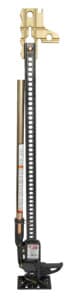
Hi-Lift X-Treme Jack 48".
Farm jack, winch, clamp, and spreader in one 30-lb cast-iron package that's saved more stuck vehicles than any single recovery device in off-road history.
The Verdict.
Gavler Meta-Score
“The Hi-Lift X-Treme is the mechanical multi-tool that belongs on every overlanding vehicle. Nothing else lifts, pulls, clamps, and spreads with zero electronics or hydraulics to fail. The learning curve is real — practice at home — but once mastered, it's the most versatile single recovery tool available at any price.”
The Gavler Verdict
The Gavler Review.
Hi-Lift X-Treme Jack 48" Review: The Mechanical Multi-Tool Every Overlander Should Carry
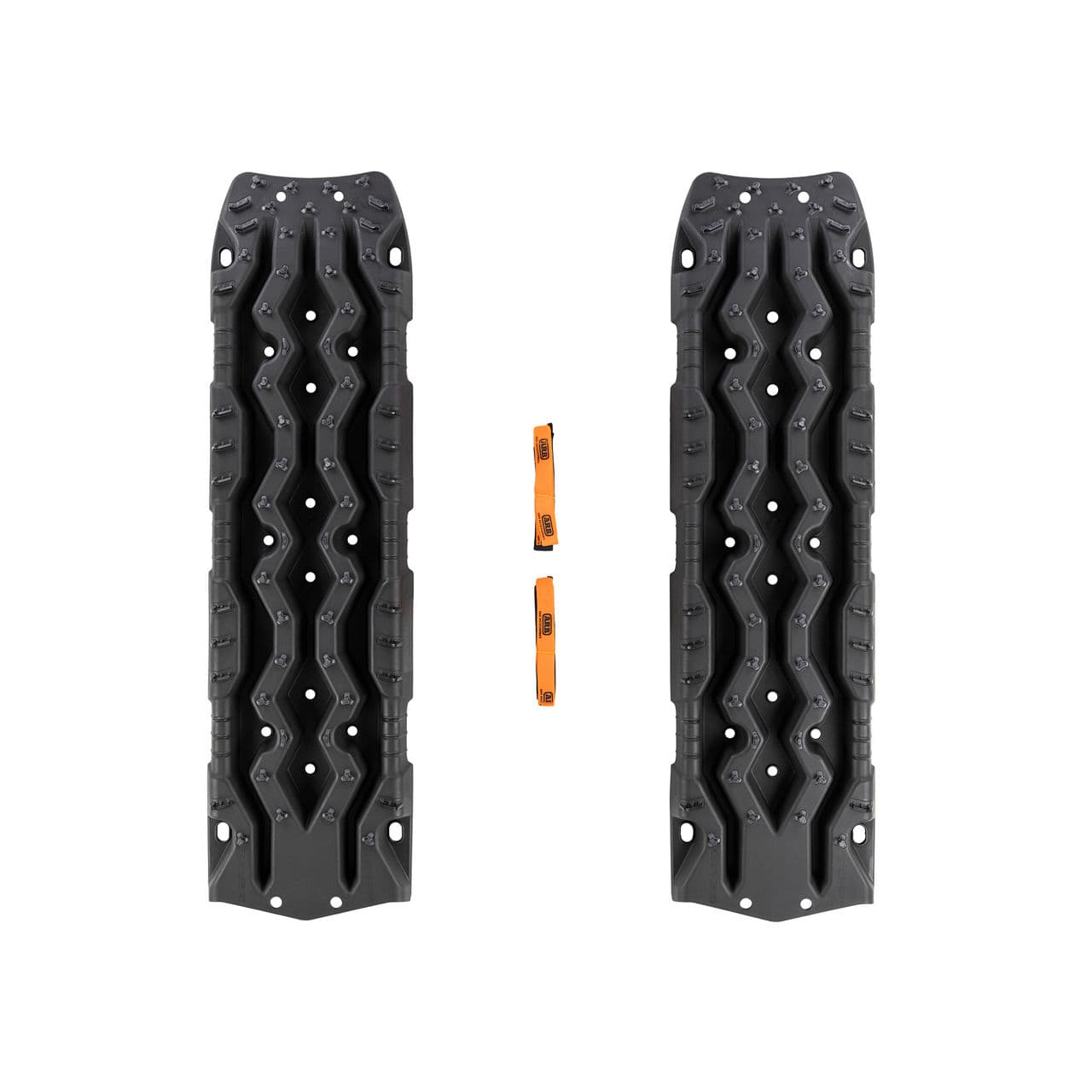
The Hi-Lift X-Treme Jack 48" ranks number 5 on Gavler's Best Overlanding Recovery Gear list with a 9.1, and the case for it is that no other single tool on that list does as many jobs. Gavler's own verdict is direct: "The Hi-Lift X-Treme is the mechanical multi-tool that belongs on every overlanding vehicle. Nothing else lifts, pulls, clamps, and spreads with zero electronics or hydraulics to fail. The learning curve is real — practice at home — but once mastered, it's the most versatile single recovery tool available at any price." Buy it if you wheel in terrain where a purely mechanical, no-battery-required tool matters. Skip the learning curve at your own risk — this is a tool that rewards preparation and punishes shortcuts, but the ARB TRED Pro Recovery Boards at the top of this same list are a better first purchase if you want something with a near-zero learning curve before you add a Hi-Lift to the kit.
What it is
The X-Treme Jack 48" is a modern variant of a design that has barely changed since 1905: a ratcheting mechanical jack built from cast iron and stamped steel that lifts or pulls a vehicle from ground level up to 48 inches of height. There's no motor, no hydraulic fluid, no battery — just a climbing pin engaging a steel standard, one roughly three-quarter-inch click at a time. That mechanical simplicity is the entire point. A hydraulic bottle jack can fail if a seal degrades in the cold; a battery-powered tool can fail if the battery is dead. A Hi-Lift fails only if the operator misuses it.
The "X-Treme" designation over the standard Hi-Lift adds three things: a powder-coated finish for corrosion resistance, a wider base for stability on soft or uneven ground, and a longer handle for added mechanical advantage. Those upgrades cost about $50 over the base model — a fair premium specifically for vehicles that spend real time in wet or coastal conditions, where an unfinished cast-iron jack will start rusting within a season. At 30 lbs and rated to 7,000 lbs of lifting/pulling capacity, it's not a light tool, but it's built to survive abuse that would destroy a scissor jack in one use.
In use
The Hi-Lift's reputation comes from doing more than one job with the same tool, and the outlets that cover recovery gear consistently frame it that way. Expedition Portal's take is the simplest version of the argument: "If I could only carry one recovery tool, it would be the Hi-Lift — nothing else does this many jobs." Overland Journal frames the design's longevity as a feature rather than an accident: "120 years of the same basic design because mechanical advantage doesn't need firmware updates." Trail4Runner's framing gets at the honest caveat that comes with all that versatility: "Learn it at home, respect it on trail — the Hi-Lift rewards preparation with unmatched versatility."
That caveat is the real story in Gavler's own data. The 90 expert consensus reflects near-universal agreement on capability; the 88 community rating is nearly as high, but the scoreNote is specific about where the friction actually is — "some newer overlanders find the learning curve intimidating." In practice, that means the jack itself performs exactly as advertised across all four functions, but the tool demands the operator understand what they're doing before they need it. As a jack, it lifts a vehicle on uneven terrain where a bottle jack has no stable base to work from. As a winch, a chain or strap attachment turns it into a horizontal pulling tool rated to 5,000 lbs. As a clamp, it compresses bent bumpers and frame components back into rough alignment. As a spreader, it pushes obstacles out of the way or separates jammed components. None of that requires electricity, and none of it works safely without the operator understanding the stored energy in the mechanism first.
Strengths
- Four genuinely different recovery functions in one 30-lb tool. Jack, winch, clamp, and spreader each solve a real trail problem, and none of the other tools on this list does more than one of them.
- 7,000 lbs of mechanical advantage with nothing to fail electronically. In terrain far from cell service or a spare battery, that reliability is the entire value proposition.
- Cast iron and stamped-steel construction built for abuse. The design has survived 120-plus years of field use essentially unchanged because there's little left to improve on the core mechanism.
- Precise, incremental positioning. Each climbing-pin click moves roughly three-quarters of an inch — finer control than most hydraulic systems offer, which matters when you're lifting a vehicle on an uneven surface.
The trade-offs — who should skip it
- You're not willing to practice with it before you need it. The Hi-Lift's failure mode isn't the tool — it's an untrained operator meeting a high center of gravity and stored mechanical energy for the first time on trail. If you won't spend twenty minutes in a driveway learning it, this isn't the right tool for you yet.
- You want a single-purpose, zero-learning-curve traction solution. For that, the ARB TRED Pro Recovery Boards or Maxtrax MKII Recovery Boards elsewhere on this list solve the most common "stuck" scenario with essentially no skill requirement.
- Weight and bulk are a hard constraint on your build. At 30 lbs and 48 inches long, it's not a small item to mount, and vehicles already tight on rack space or cargo room should weigh that against how often they'd realistically use the winch and clamp functions versus a lighter, single-purpose tool.
How it compares
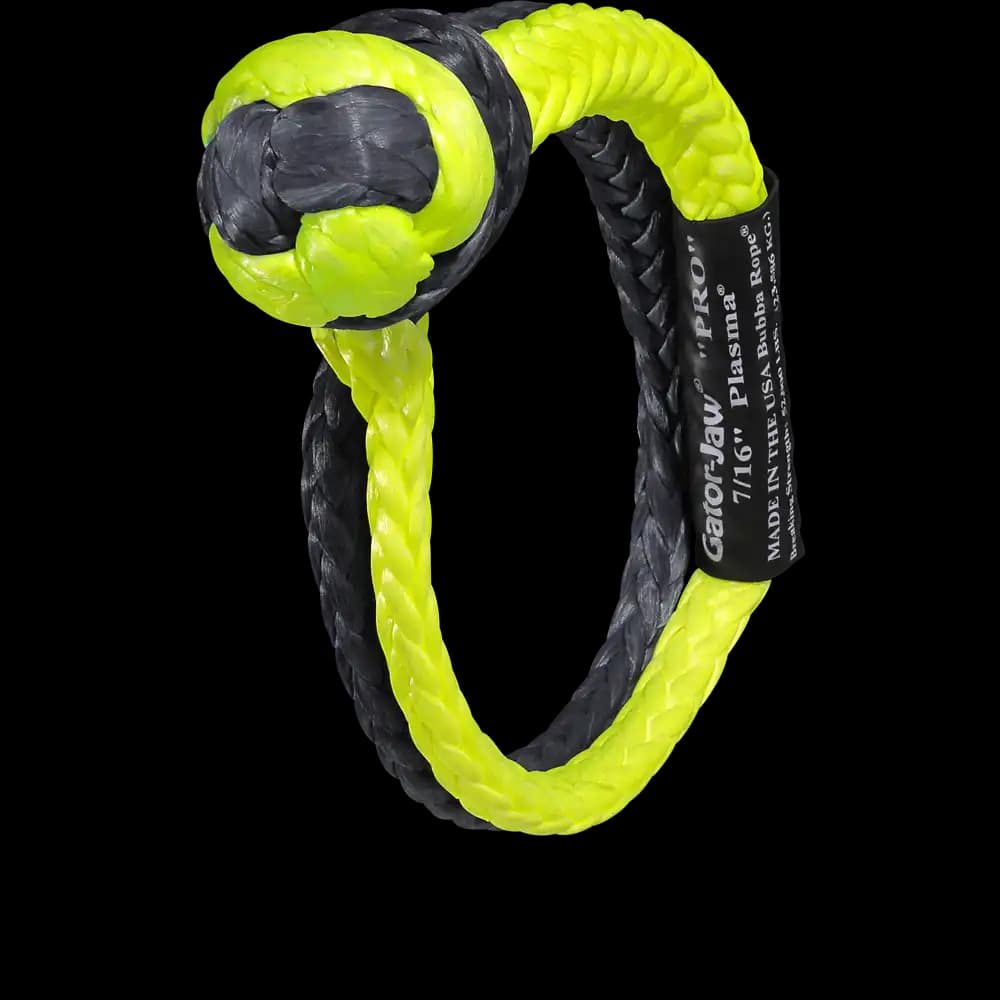
Against the recovery boards that dominate the top of this list — the ARB TRED Pro Recovery Boards at rank 1 with a 9.6, and the Maxtrax MKII Recovery Boards at rank 6 with a 9.0 — the Hi-Lift isn't really a competitor, it's a complement. Boards solve the single most common recovery scenario, a tire spinning without traction, faster and with less skill required. The Hi-Lift solves the scenarios boards can't touch: lifting a vehicle to change a tire on a canted trail, pulling a vehicle sideways off an obstacle, or straightening a bent bumper well enough to keep driving. The Bubba Rope Gator-Jaw at rank 4, a $79 shackle built for kinetic recovery ropes, occupies a similar complementary role — it's the connector for a completely different recovery method, not a substitute for what the Hi-Lift does.
Most serious overlanding kits end up carrying a Hi-Lift alongside boards and a shackle rather than choosing between them, because each tool covers a failure mode the others don't. At $149, the X-Treme's place on this list reflects that reality: it's not competing to be the single best recovery item, it's earning its spot as the one tool on the list that does four different jobs.
The Gavler verdict
A 9.1, with a 90 expert consensus and an 88 community rating — both scores converge on the same conclusion from slightly different angles. Reviewers rate the capability near the top of the category; owners confirm it holds up, with the honest asterisk that the learning curve is real for anyone new to the tool. The Hi-Lift X-Treme Jack 48" isn't the easiest recovery item on this list to pick up and use correctly on day one, but it's the one that does the most once you have. Practice it at home, and it earns a permanent spot on the vehicle.
Common Questions
Yes, for anyone who wheels far enough from help that a purely mechanical backup matters. It ranks fifth on Gavler's Best Overlanding Recovery Gear list with a 9.1. Gavler's own verdict calls it 'the mechanical multi-tool that belongs on every overlanding vehicle,' and Expedition Portal put it more bluntly: 'If I could only carry one recovery tool, it would be the Hi-Lift — nothing else does this many jobs.'
The X-Treme adds a powder-coated finish for corrosion resistance, a wider base for better stability on soft ground, and a longer handle for extra mechanical advantage. It costs about $50 more than the standard Hi-Lift — worth it specifically for vehicles that spend time in wet or coastal environments where an unfinished cast-iron jack will rust.
It can be if you skip learning it first. The mechanism stores real energy, the tool has a high center of gravity when lifting, and there are pinch points that demand attention. Gavler's scoreNote on this exact product flags that some newer overlanders find the learning curve intimidating — the fix is practicing in a driveway before you ever need it on trail, not avoiding the tool.
They solve different problems and most serious overlanding kits carry both. Recovery boards get a stuck vehicle unstuck by adding traction under the tire; the Hi-Lift lifts, winches, clamps, and spreads — jobs boards can't do at all, like changing a tire on uneven ground or pulling a vehicle sideways off an obstacle.
Where to Buy.
Prices checked regularly
90-day price history
Price History
Steady at $149 for the entire 90-day tracking window — no increases, no discounts, across 91 tracked days.
Tracked daily across retailers. Vote Want itabove and we’ll alert you the moment the price drops.
Some links are affiliate links — Gavler may earn a commission. This never affects rankings or scores. Learn more.
Precision Engineering
4-in-1: Jack, Winch, Clamp, Spreader
Lifts vehicles, pulls horizontally, compresses bent parts, and spreads obstacles — one tool, four critical functions.
7,000-lb Mechanical Advantage
Pure ratcheting mechanical force — no electronics, hydraulics, or pneumatics to fail in remote conditions.
Cast Iron + Steel Construction
120+ year design heritage because cast iron handles abuse that breaks modern alternatives.
Technical Specifications
The Scoreboard
Legendary reputation and versatility praised universally. Some newer overlanders find the learning curve intimidating.
Cast Your Vote
Do you think Hi-Lift X-Treme Jack 48" deserves the #5 spot in Best Overlanding Recovery Gear?
Global Critique
“If I could only carry one recovery tool, it would be the Hi-Lift — nothing else does this many jobs.”
“120 years of the same basic design because mechanical advantage doesn't need firmware updates.”
“Learn it at home, respect it on trail — the Hi-Lift rewards preparation with unmatched versatility.”
More from Best Overlanding Recovery Gear.
See how other top picks compare in this category.