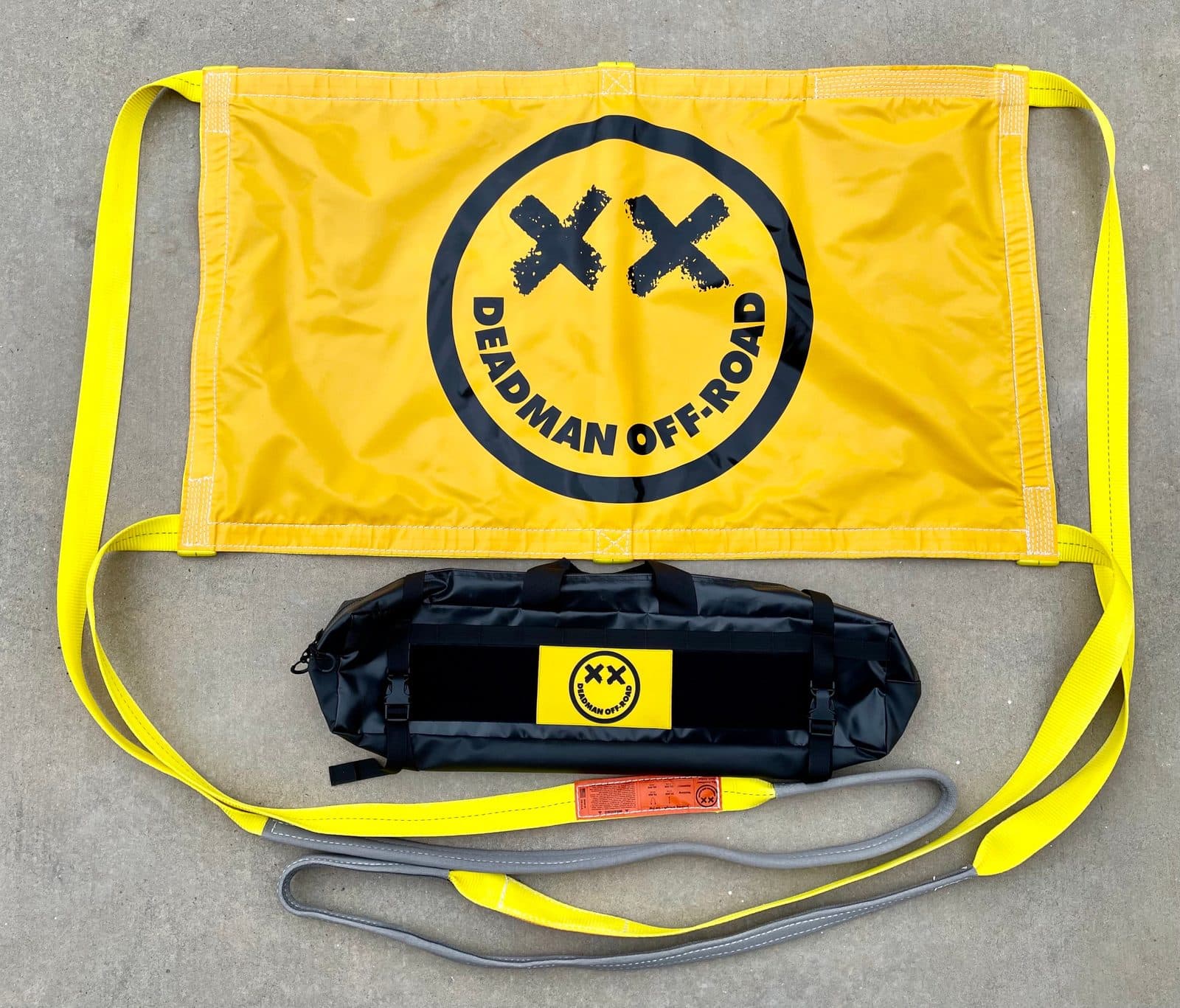
Deadman Earth Anchor.
Buried ground anchor for winching when no trees or vehicles are available — the self-rescue solution for open desert and beach recoveries.
The Verdict.
Gavler Meta-Score
“The Deadman Earth Anchor is the self-rescue solution for open terrain. When there's nothing to winch against, bury this plate and winch yourself out. It's terrain-specific insurance — essential for beach and desert overlanders, less relevant for forest and mountain trails. At $149, it fills the only gap in an otherwise complete winch setup.”
The Gavler Verdict
The Gavler Review.
Deadman Earth Anchor Review: Self-Rescue When There's Nothing to Winch Against
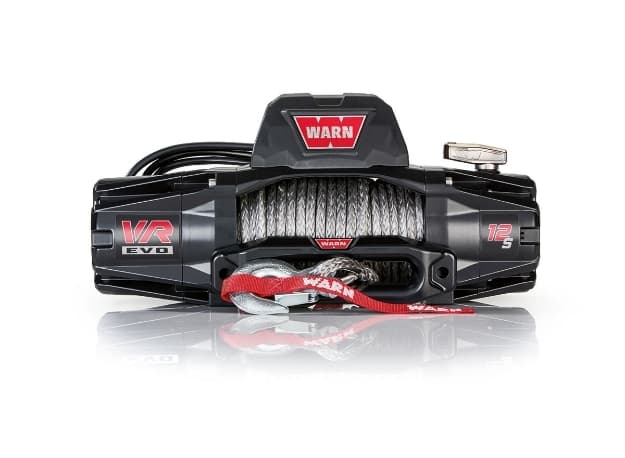
The Deadman Earth Anchor ranks number 9 on Gavler's Best Overlanding Recovery Gear list with an 8.4, and it fills a gap the rest of the list can't: what do you winch against when there's nothing to winch against? Gavler's own verdict lays out the logic plainly: "The Deadman Earth Anchor is the self-rescue solution for open terrain. When there's nothing to winch against, bury this plate and winch yourself out. It's terrain-specific insurance — essential for beach and desert overlanders, less relevant for forest and mountain trails." Buy it if you regularly drive sand, desert, or grassland routes without trees or boulders nearby — pair it with a winch like the Warn VR EVO 12-S and you've closed the one gap that trail-only recovery kits leave open. Skip it if your trips stay on forested or rocky mountain trails, where a tree strap already solves this problem for free.
What it is
Every vehicle winch shares the same limitation: it needs something to pull against. On a forest trail, that's a tree. On a technical rock trail, it might be another vehicle or a boulder. But drive out onto an open beach, into a desert wash, or across grassland, and that anchor point simply doesn't exist — which is exactly the terrain where soft sand and loose ground are most likely to swallow a tire past the axle. The Deadman Earth Anchor solves this with straightforward physics rather than electronics or moving parts: a flat steel plate, buried 12 to 18 inches deep, resists horizontal pulling force in proportion to the weight of soil piled on top of it. An attached strap runs from the buried plate up to the surface, where it accepts a standard winch hook or shackle. There's nothing to charge, calibrate, or maintain — just a plate, a strap, and however much sand or clay you're willing to move on top of it.
In use
Deployment is manual labor, not gear-shed convenience: dig a hole, lay the plate flat, run the strap up and out at an angle toward the stuck vehicle, then bury the plate under 12 to 18 inches of compacted earth. Gavler's baseline research puts total setup time at 5 to 10 minutes with a collapsible shovel — genuinely fast when the alternative is calling for a tow truck in terrain a tow truck may not be able to reach either. The catch is that a shovel isn't optional; without one, the Deadman is just a steel plate in the truck bed.
Real-world feedback backs up the concept. Overland Bound wrote that "the Deadman saved us on a beach recovery where nothing else could have worked — worth every dollar," and Expedition Portal frames it as precautionary gear: "insurance for desert travel — you hope you never need it, but you're grateful when you do." GearJunkie's take gets at why it works at all: "simple concept, reliable execution — bury it, winch against it, get unstuck." The common thread across all three: nobody's raving about elegance, they're confirming it does the one job it exists for.
Strengths
- Buried winch anchor point where none exists. 12 to 18 inches of packed soil above the plate creates genuine winching resistance in terrain that otherwise offers nothing to pull against.
- The only self-rescue option on this list for beaches, deserts, and grasslands, where trees and rock anchors simply aren't available.
- Simple, failure-resistant design. A flat plate and a strap, with no electronics or moving parts to break in the field.
The trade-offs — who should skip it
- You mostly drive forested or rocky mountain trails. Trees and boulders already provide free winch points; the Deadman solves a problem you don't have. Put the $149 toward the ARB TRED Pro Recovery Boards instead, which solve traction loss rather than anchor absence.
- You're not carrying a shovel. The Deadman is dead weight without one — a collapsible shovel is a mandatory companion purchase, not an accessory.
- You wheel in rocky or frozen ground. The 12 to 18 inch burial depth assumes diggable earth; in frozen or rocky soil, digging becomes impractical fast, and the plate loses most of its holding power.
How it compares
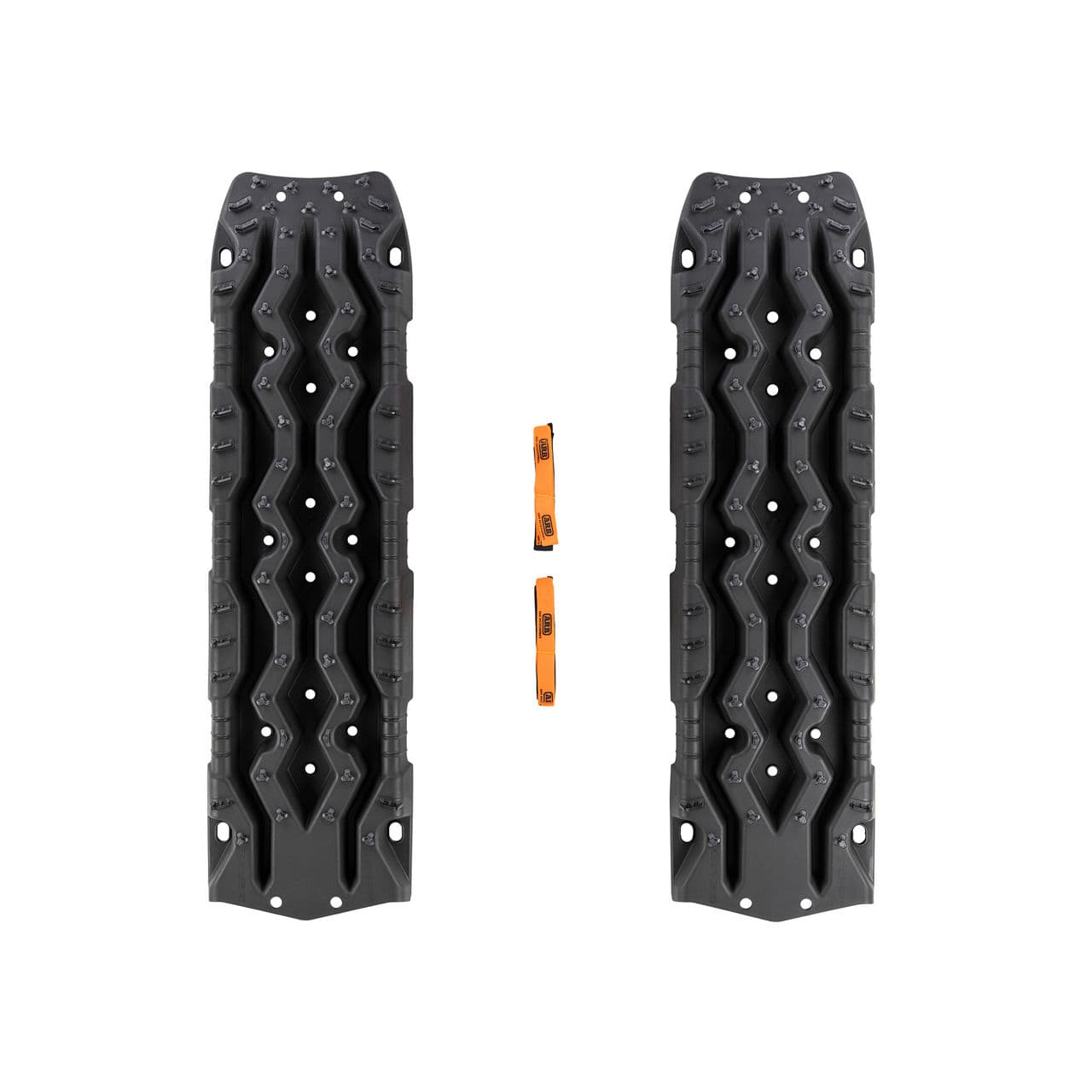
On a list topped by the ARB TRED Pro Recovery Boards at 9.6 and the Warn VR EVO 12-S Winch at 9.5, the Deadman sits near the bottom of the ranking at 8.4 for an honest reason: it's the most situational item on the list, not the least capable one. The TRED boards solve traction loss on almost every trip; the Warn winch is the core recovery tool a Deadman depends on. The Deadman only earns its keep on the specific subset of trips where the winch has nothing to bite into. That's also true of its closest neighbor on the list, the Kraken Kinetic Recovery Rope at rank 10 — both are terrain- and scenario-specific tools that round out a kit rather than anchor it. The difference is that a kinetic rope only requires a second vehicle; a Deadman requires nothing but ground to dig into, which is precisely why solo desert and beach travelers tend to rate it higher than trail-club overlanders who almost always have a buddy vehicle nearby.
The Gavler verdict
An 8.4, with an 83 expert consensus and an 85 community rating that runs slightly ahead of it — Gavler's scoreNote captures the split cleanly: "praised as essential for desert/beach travel. Lower scores from forest-trail overlanders who rarely need it." That divergence is the review in miniature. This isn't a universal recommendation; it's terrain-specific insurance. If your routes include open sand, desert wash, or grassland where nothing exists to winch against, the Deadman is the cheapest peace of mind on this entire list. If they don't, skip it without a second thought and spend the $149 elsewhere.
Common Questions
Only if your routes include terrain without trees or boulders to winch against — beaches, deserts, and open grassland. Gavler's verdict calls it 'terrain-specific insurance — essential for beach and desert overlanders, less relevant for forest and mountain trails.' At $149, it ranks ninth on Gavler's Best Overlanding Recovery Gear list with an 8.4, and it's the one item on that list that isn't for everyone by design.
You dig a hole, lay the steel plate flat, run the attached strap up and out at an angle toward your vehicle, and bury the plate under 12 to 18 inches of earth. The weight of soil packed above the plate resists horizontal pulling force, giving a winch something solid to pull against. Setup takes 5 to 10 minutes with a shovel.
Compactable soil — sand, clay, and loam — is where it performs best, since those materials pack down over the buried plate to create real holding resistance. Rocky or frozen ground makes digging impractical and undercuts the anchor's effectiveness, so it's a poor match for those conditions.
Yes — a collapsible shovel is a required companion tool, not an optional accessory. Without one, the Deadman is just a steel plate riding in the truck bed. Budget the extra purchase alongside the $149 anchor if you don't already carry one.
Where to Buy.
Prices checked regularly
90-day price history
Price History
Steady at $149 for the entire 90-day tracking window — no increases, no discounts, across 91 tracked days.
Tracked daily across retailers. Vote Want itabove and we’ll alert you the moment the price drops.
Some links are affiliate links — Gavler may earn a commission. This never affects rankings or scores. Learn more.
Precision Engineering
Buried Winch Anchor Point
Creates a winch attachment where none exists — 12-18 inches of buried soil provides sufficient resistance for vehicle extraction.
Open Terrain Self-Rescue
The only self-recovery solution for beaches, deserts, and grasslands where trees and rocks are absent.
Simple Physics, Reliable Results
Flat plate + buried soil = horizontal resistance. No electronics, no failure modes beyond physics.
Technical Specifications
The Scoreboard
Praised as essential for desert/beach travel. Lower scores from forest-trail overlanders who rarely need it.
Cast Your Vote
Do you think Deadman Earth Anchor deserves the #9 spot in Best Overlanding Recovery Gear?
Global Critique
“The Deadman saved us on a beach recovery where nothing else could have worked — worth every dollar.”
“Insurance for desert travel — you hope you never need it, but you're grateful when you do.”
“Simple concept, reliable execution — bury it, winch against it, get unstuck.”
More from Best Overlanding Recovery Gear.
See how other top picks compare in this category.