The Verdict
“The benchmark hard-shell expansion RTT. Sleeps four with a 60-second pop-up, integrated mattress, and the build quality that defined the modern overland tent category.”
15% STABLE
Hard-shell, soft-shell, and hybrid RTTs — from the iKamper benchmark to the Smittybilt budget pick. Curated for overland travelers, weekend campers, and full-expedition rigs.
“The benchmark hard-shell expansion RTT. Sleeps four with a 60-second pop-up, integrated mattress, and the build quality that defined the modern overland tent category.”
15% STABLE
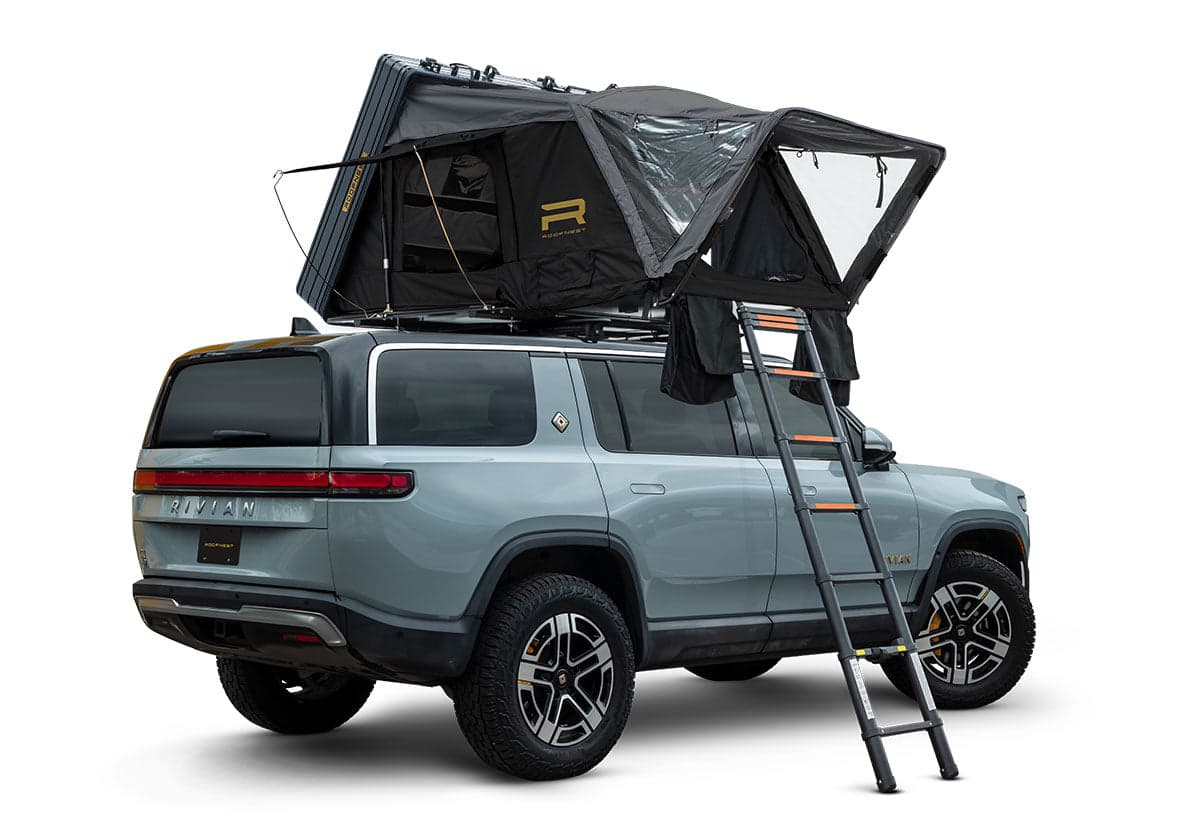
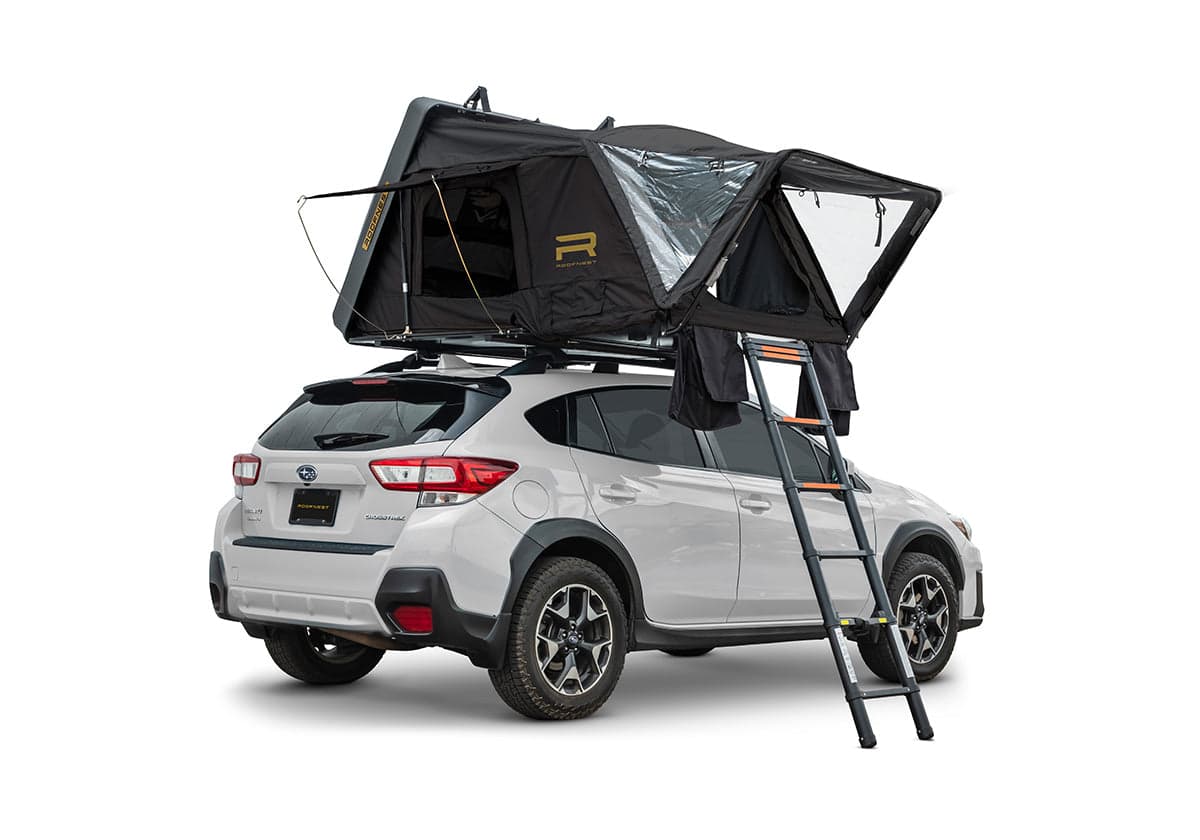
“Aluminum hybrid 2-person — Roofnest's 2025 successor to the Falcon Pro. Aerodynamic hard-shell profile with the venting and access of a soft-shell.”
11% STABLE
“Soft-shell 2-person that sleeps wider and ventilates better than competing hard-shells. The popular choice for buyers who want maximum interior space without the AluCab price tag.”
13% STABLE
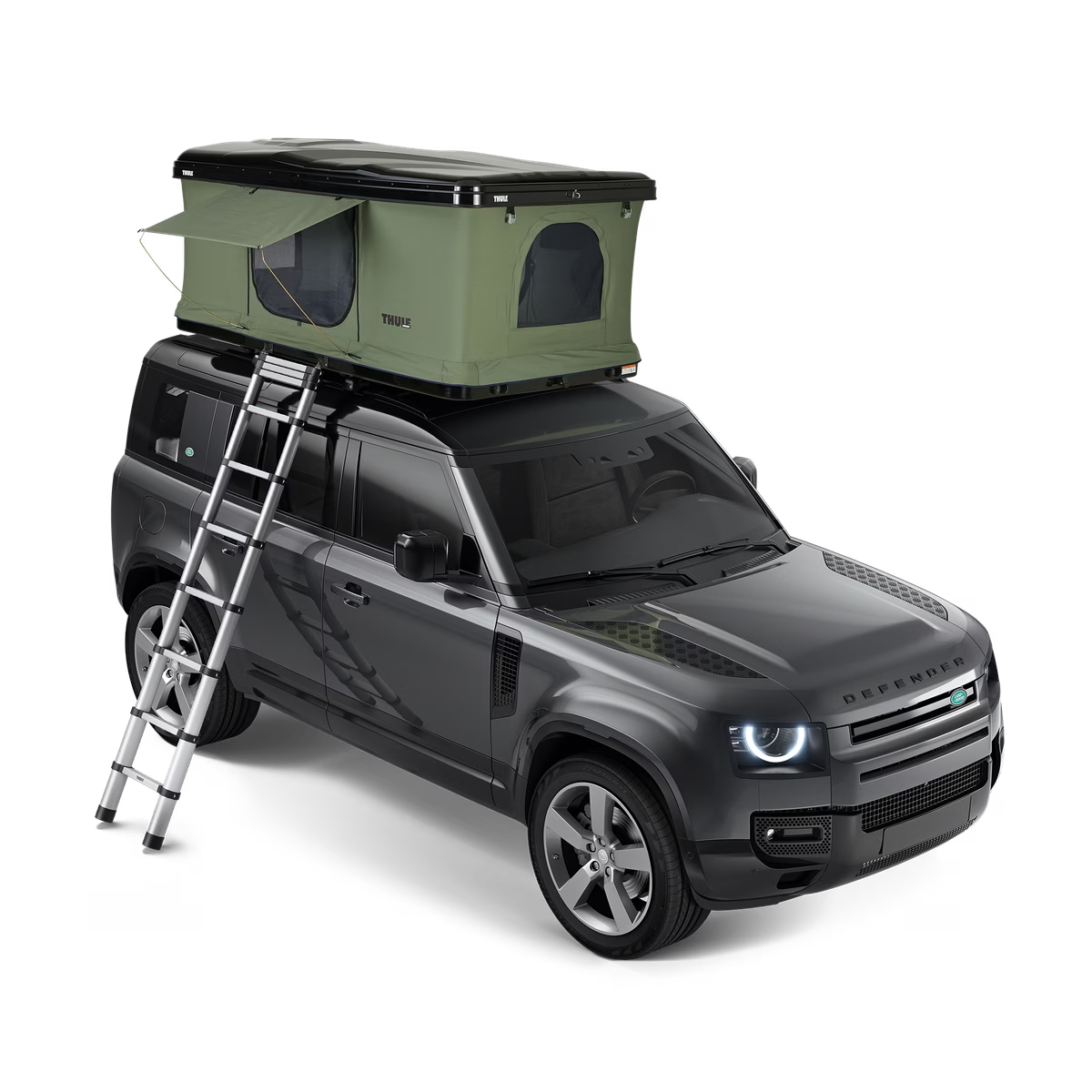
“Thule's premium hard-shell entry. Wedge profile keeps rooftop fuel economy reasonable, and the integrated ladder geometry is among the smoothest in the category.”
9% STABLE
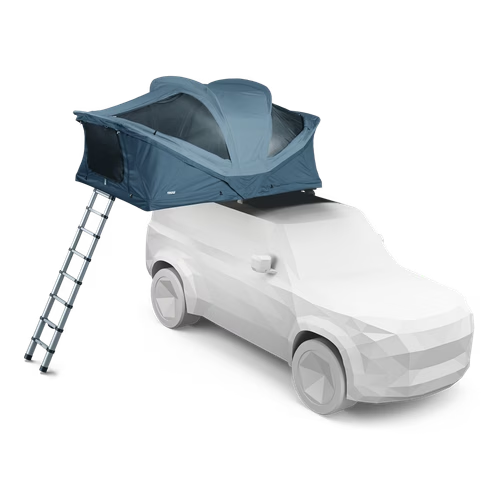
“Soft-shell volume leader. Thule's full-warranty support and dealer network make this the highest-volume RTT in North America for buyers who value brand pedigree.”
14% STABLE
“South African-built aluminum expedition shell — fully insulated, solar-ready, integrated heater vent. The full-expedition tier for buyers running Africa or Iceland.”
7% STABLE
“Cascadia Vehicle Tents' flagship soft-shell. Domestically produced, family-sized 4-person interior, with the install and accessory ecosystem CVT has built since 2009.”
8% STABLE
“Classic family soft-shell with integrated annex — extends the camp footprint without adding a separate ground tent. The Honda Civic of overland tents.”
10% STABLE
“Aussie-spec soft-shell with the Light Suppression Technology blackout fabric. The pick for desert/equatorial overlanders who actually need a dark tent at sunrise.”
6% STABLE
“$1,500 buys you a competent soft-shell RTT with the Smittybilt warranty. The budget pick that gets new overlanders out the door without the AluCab/iKamper price tag.”
6% STABLE
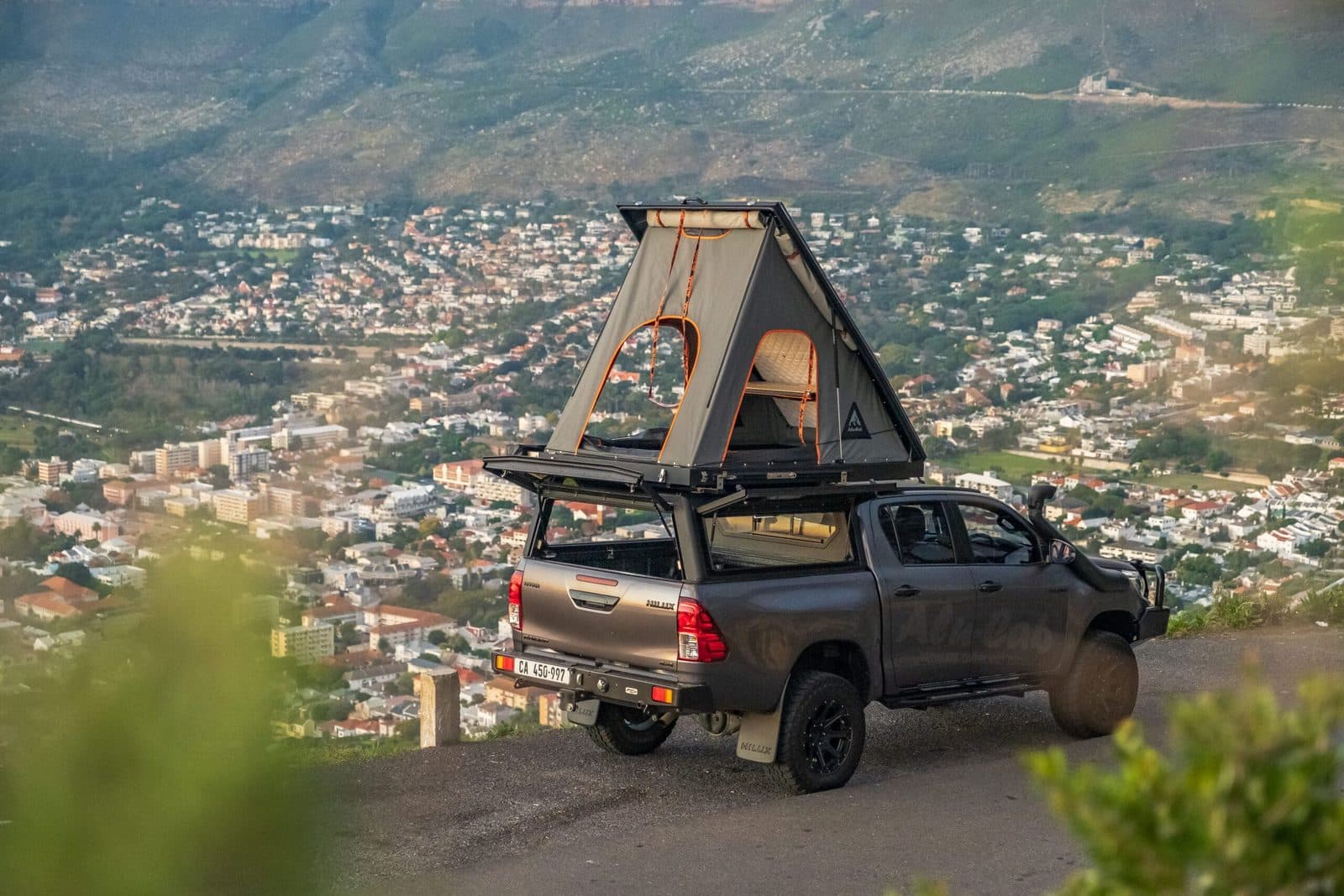
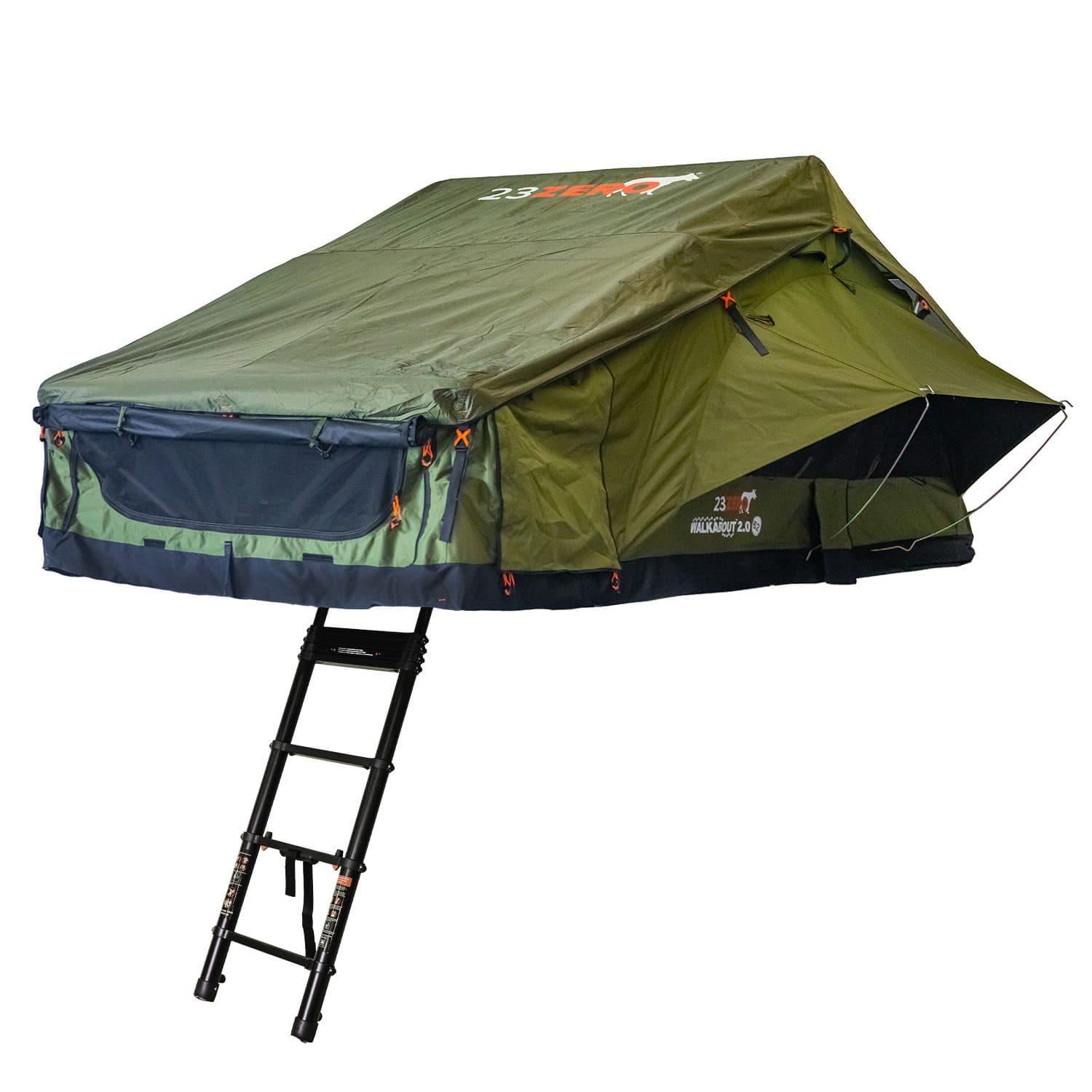
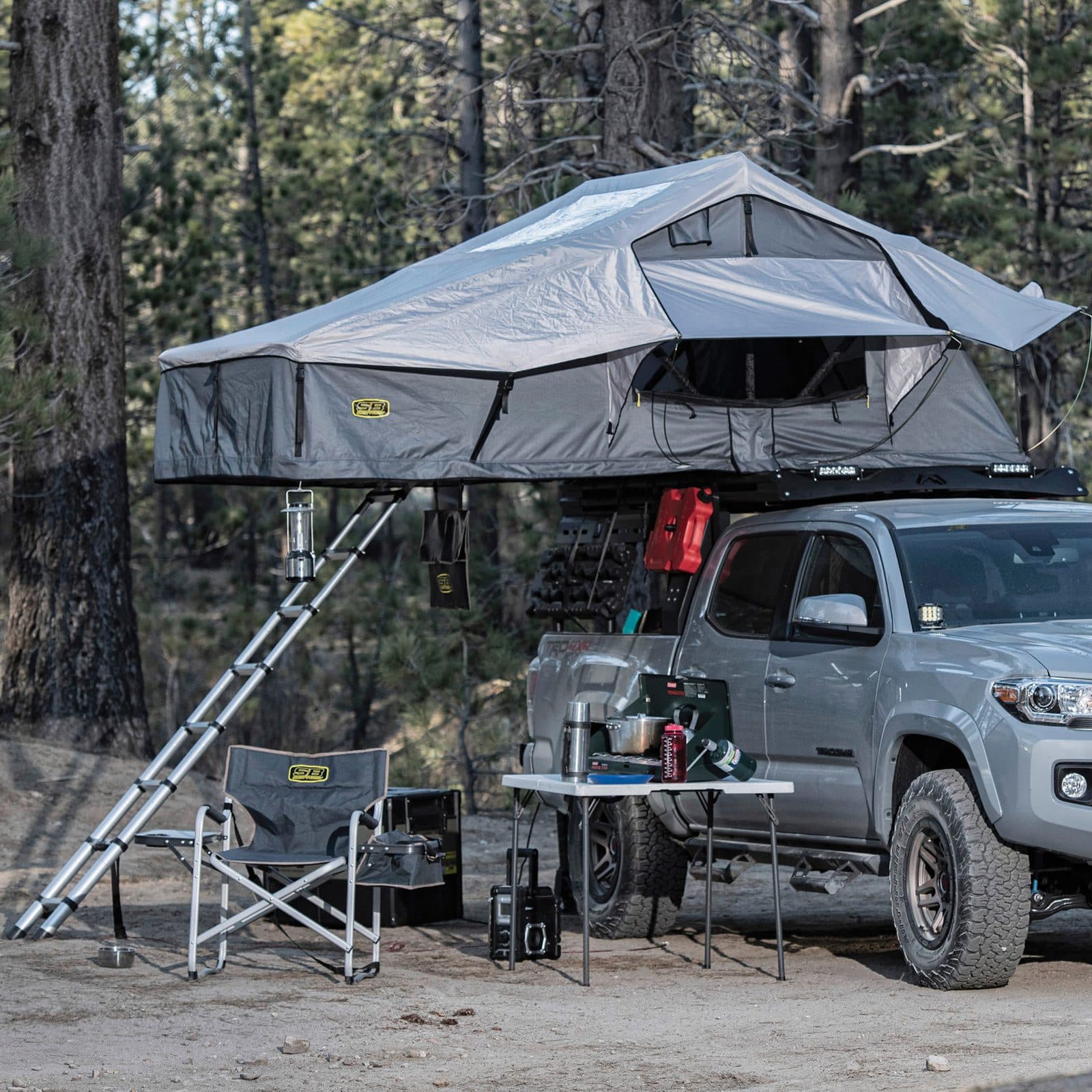
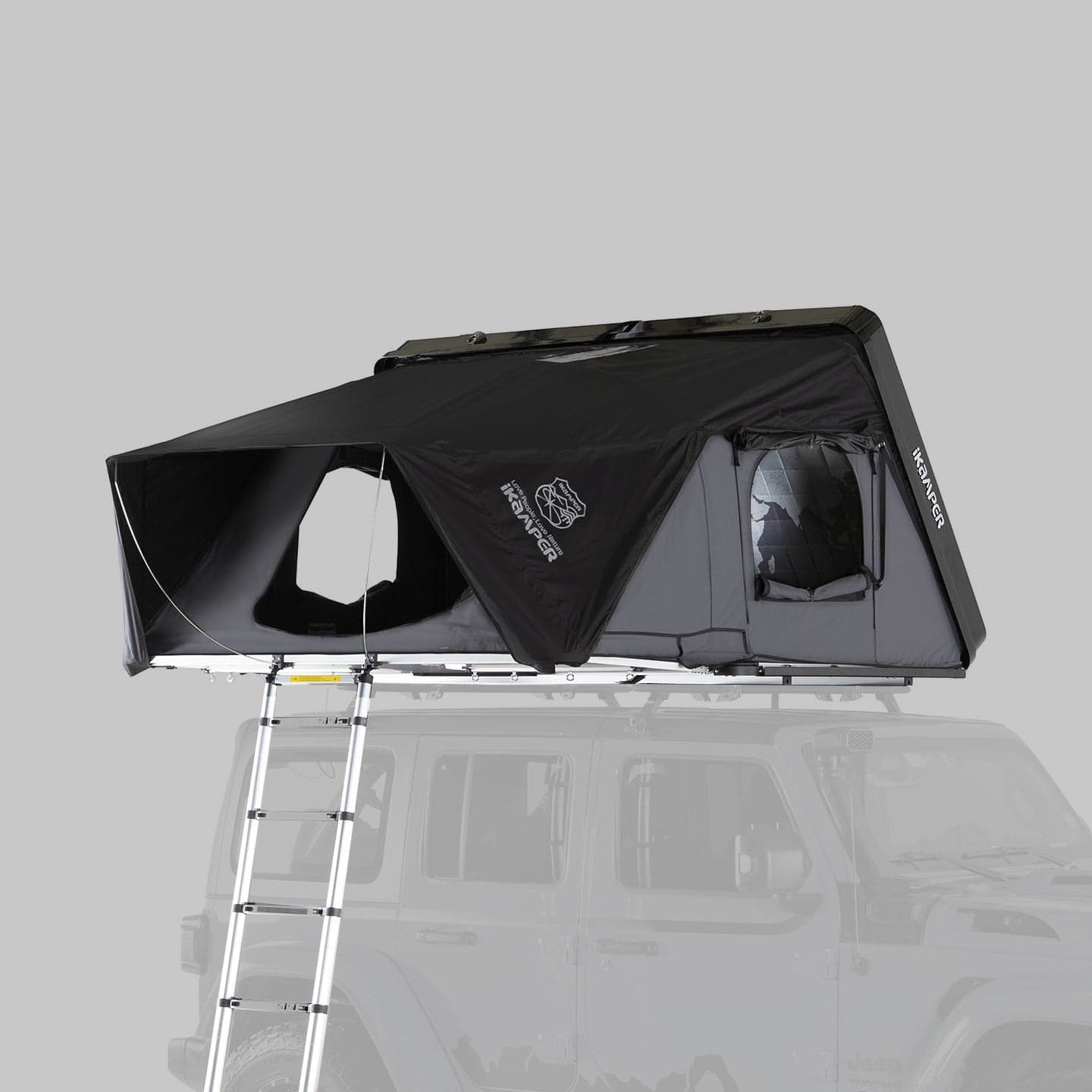
Hard-shells (iKamper Skycamp 3.0, Roofnest Condor Overland 2 Air, Thule Basin, AluCab Gen 3-R) deploy in 30-60 seconds, have lower aerodynamic drag (3-5 mpg penalty vs. 5-8 for soft-shells), and weather better in long-term storage. Soft-shells (Roofnest Condor 2, Thule Approach M, CVT Mt. Shasta Summit, Tepui Autana 3, 23Zero Walkabout 72, Smittybilt Gen2 Overlander XL) sleep wider, have more interior volume, ventilate better in hot conditions, and cost meaningfully less. Hard-shells are the right pick if you camp 1-2 nights at a time and care about setup speed; soft-shells are the right pick if you base-camp for 3+ nights at a time and want maximum interior comfort. There's no single right answer — it's a use-case decision.
Most modern SUVs and pickup trucks can support a rooftop tent, but two specs matter: dynamic load (weight rating while moving) and static load (weight rating when parked). Dynamic load is the constraint — most factory crossbar systems are rated for 165-220 lb dynamic, and a typical RTT weighs 120-185 lb before adding two adults' bodyweight. Static load is much higher (typically 600+ lb) so the parked-tent-with-people scenario is fine. For smaller SUVs (Subaru Outback, Toyota RAV4, Honda CR-V), the Roofnest Condor 2 and Thule Approach M are the most compatible options. For larger SUVs and trucks, all 10 picks on this list will fit. Always confirm your specific vehicle's roof rating in the owner's manual before purchase.
Optional but useful. An annex extends the tent's covered footprint at ground level — most useful for storing gear out of weather, changing clothes in privacy, or sleeping additional people (kids, dogs). The Tepui (Thule) Autana 3 ships with an integrated annex; the Roofnest Condor 2, CVT Mt. Shasta Summit, and others sell annex accessories for $300-450. An awning is a separate piece — typically a side-mounted shade structure (like a Front Runner Wing or ARB awning) that creates an outdoor living space next to your vehicle. Both are quality-of-life upgrades rather than necessities. For first-time buyers, get the tent first and decide on annex/awning after a season of use.
Yes, but with caveats. Most soft-shell RTTs (Condor 2, Approach M, Mt. Shasta Summit, Autana 3) work down to ~25°F with the right sleeping bag and pad. Below 25°F, the canvas walls don't insulate enough to keep interior temperatures manageable — you're sleeping in a thin canvas envelope with significant convective heat loss. Hard-shell RTTs do somewhat better because the rigid panels insulate more, but only the AluCab Gen 3-R Expedition is fully insulated for true winter use (its walls are R-12 sandwich aluminum panels with an integrated heater vent). For backcountry winter camping, a 4-season ground tent or a hard-shell expedition camper trailer are typically better choices than an RTT.
Hard-shells deploy in 30-60 seconds — open the latches, lift the shell, secure the ladder. The advertised times are achievable in real-world conditions. Soft-shells take 3-6 minutes for an experienced user — unfold the cover, deploy the canvas, set up the ladder, secure the rain fly. First-time setup of any RTT typically takes 15-20 minutes as you learn the sequence; second and third setups drop to the steady-state time. The Smittybilt Gen2 Overlander XL is the slowest to deploy in this list at 5-6 minutes; the iKamper Skycamp 3.0 is the fastest at 60 seconds.
Rankings combine expert review aggregation with community voting. Each tent receives a Gavler Score (out of 10) based on professional reviews evaluating build quality, setup time, interior volume, weather resistance, dealer/warranty support, and price-to-performance ratio. Community members cast one vote per list, so rankings reflect actual overlander preferences across hard-shell aerodynamic picks, soft-shell volume leaders, and budget entry-points.
Think a product deserves a spot on this list? Submit a formal proposal with documented specs and the community will review it.