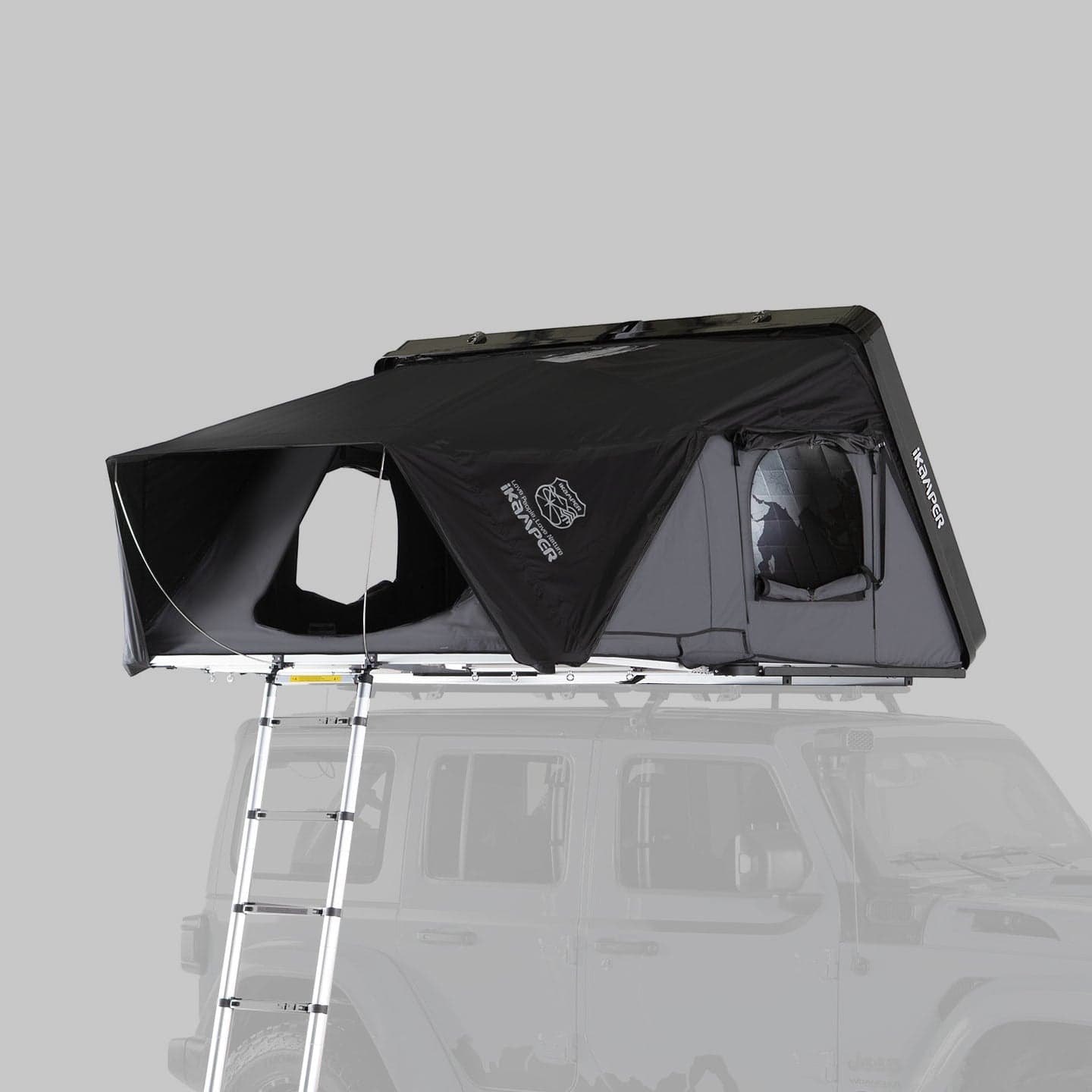
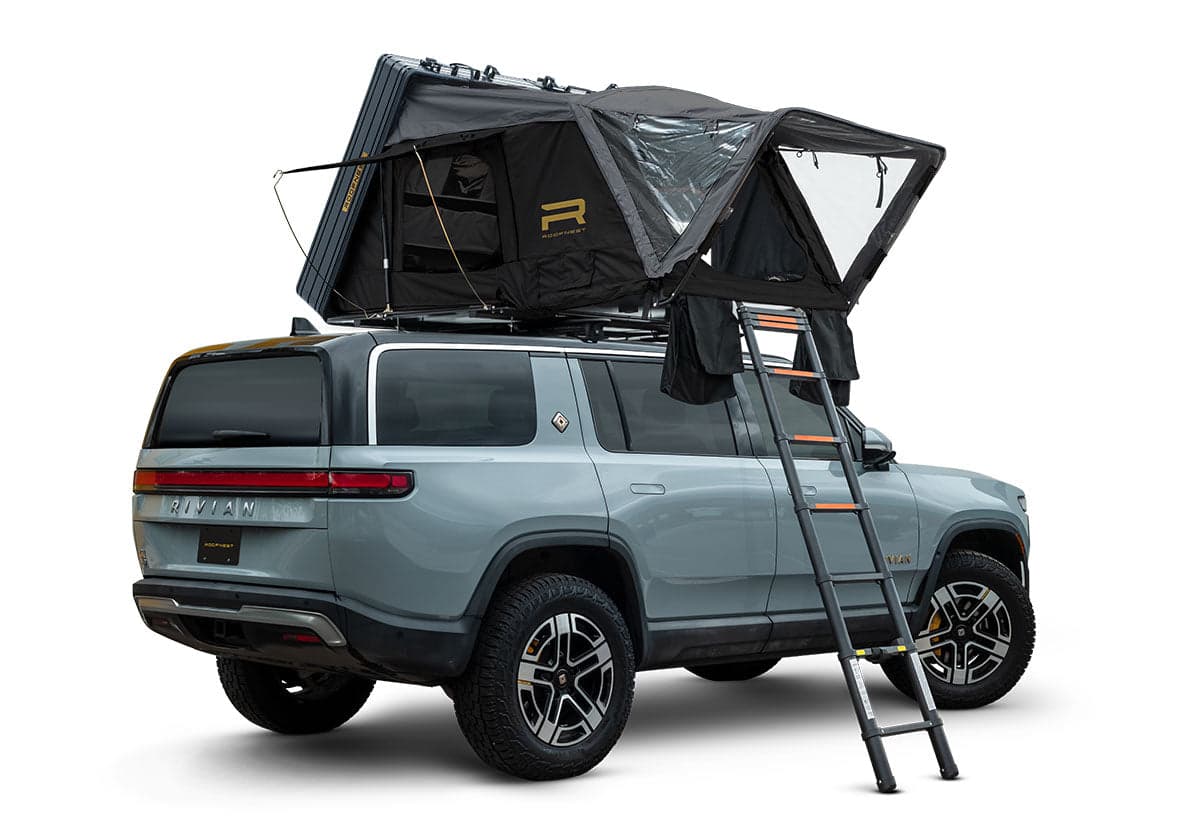
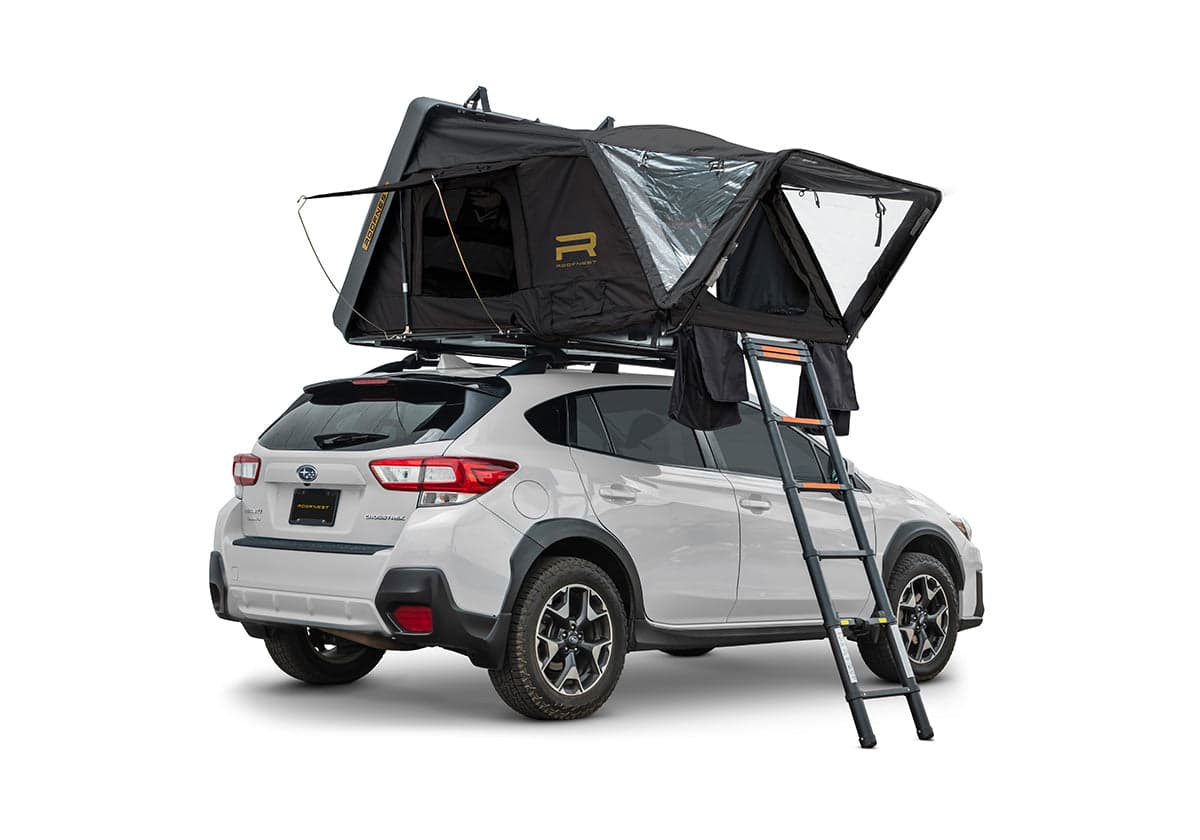
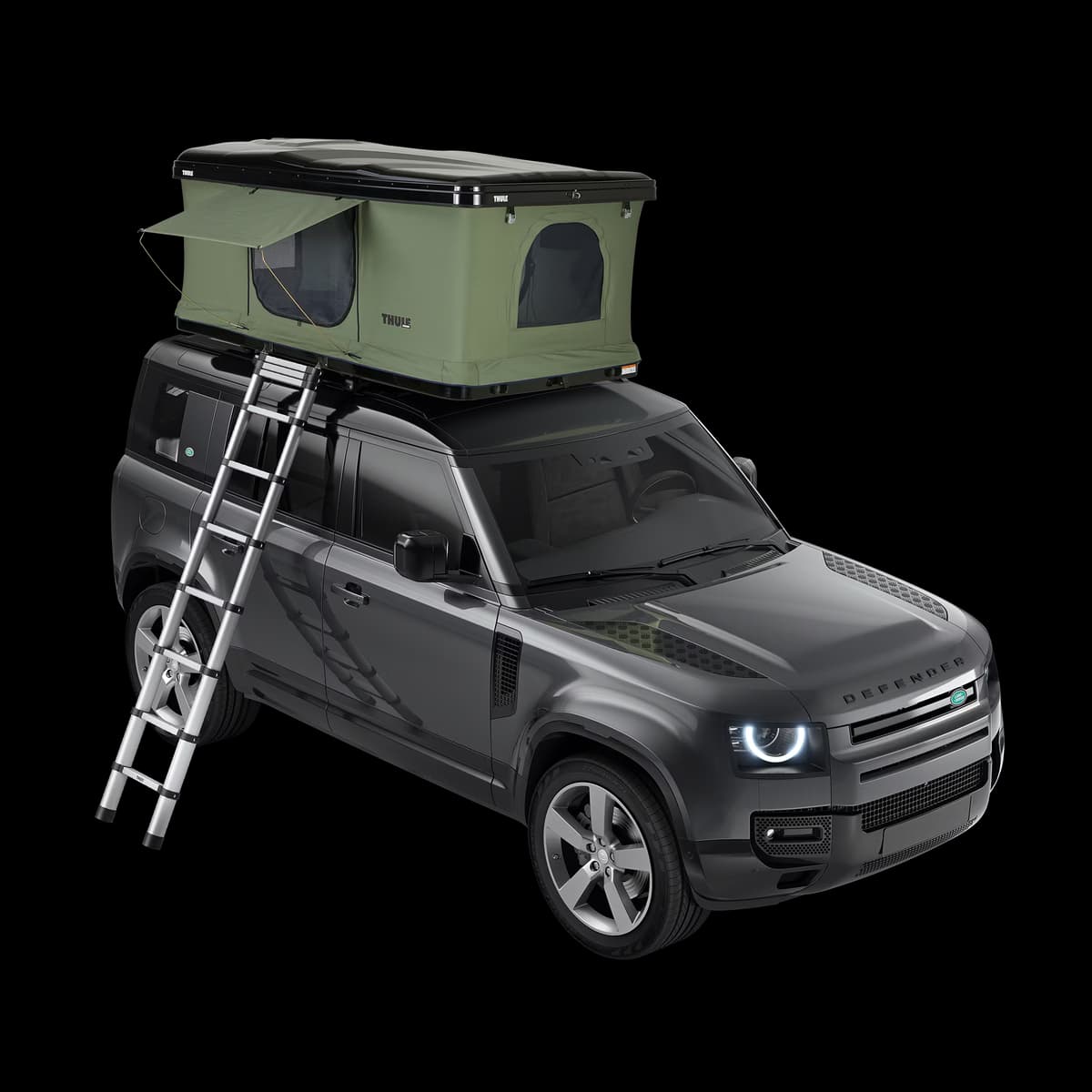
CVT Mt. Shasta Summit.
Domestically produced 4-person soft-shell with the install ecosystem CVT has built since 2009. Family-sized interior.
The Verdict.
Gavler Meta-Score
“The family-overlanding pick. 4-person interior with bunk-bed accessory compatibility, domestic production, and 15+ years of family-camping refinements. Setup time is the trade-off; family-focused features are the differentiator.”
The Gavler Verdict
The Gavler Review.
CVT Mt. Shasta Summit Review: The Rooftop Tent Built for Families, Not Weekend Trips
The CVT Mt. Shasta Summit ranks number 7 on Gavler's Best Rooftop Tents list with an 8.1, and Gavler's own verdict is unambiguous about who it's for: "The family-overlanding pick. 4-person interior with bunk-bed accessory compatibility, domestic production, and 15+ years of family-camping refinements. Setup time is the trade-off; family-focused features are the differentiator." Buy it if you're outfitting a family rig and camp often enough that a genuinely wide interior and a kid-specific sleeping accessory matter more than a fast pitch. Skip it if you want near-instant deployment, in which case the iKamper Skycamp 3.0 at rank 1 opens in roughly a minute for a higher price.
What it is
Cascadia Vehicle Tents has been building rooftop tents in Bend, Oregon since 2009 — well before the current overland-tent boom turned the category into a crowded field of imported soft-shells and hard-shells. The Mt. Shasta Summit is the company's family flagship: a 4-person soft-shell tent with a 96-inch-wide interior, wide enough that two adults and two kids can actually sleep without shoulders brushing the canvas walls. At $3,200, it sits mid-pack on price within this list, positioned to compete most directly with the iKamper Skycamp 3.0 rather than the budget soft-shells further down the rankings.
The tent uses CVT's bi-fold soft-shell design: unfold the base, and the canvas structure tensions into shape, with a 55mm foam mattress built into the floor. A 750-lb static load rating covers the gear most families actually stack on a roof rack — awnings, extra water, folding chairs — without requiring a separate cargo solution. The headline feature, and the one that shows up nowhere else in this category, is the optional bunk-bed annex: a hanging accessory that creates a separate, stand-up sleeping compartment for kids below the main tent, rather than cramming everyone into one shared space. It's a small addition on paper but a meaningful one in practice for anyone who has tried to get two kids to fall asleep next to two adults in a single tent compartment.
In use
The honest trade-off with any bi-fold soft-shell is setup time, and the Mt. Shasta Summit doesn't hide from it: 4-5 minutes for an experienced user, compared to the roughly 60-second deployment of a hard-shell wedge tent like the iKamper Skycamp 3.0. The closed-profile soft-shell also sits taller on the roof rack than a low-profile hard-shell, which means more wind drag and a small fuel-economy hit on the highway — a real but modest cost that's typical of every bi-fold soft-shell, not unique to CVT.
What that setup-time penalty buys back is capacity and family-specific refinement. Gavler's scoreNote on this product is direct about the divergence: "Family-overlanding owners rate this much higher than generalist roundups. The bunk-bed accessory is unique to the category." That's the pattern across CVT's owner base more broadly — the company's soft-shell tents show up disproportionately on family-oriented overland builds, where the extra width and the annex ecosystem matter more than raw deployment speed. Expedition Portal's assessment of the category lands on the same point: "The family-focused RTT — the bunk-bed accessory is unique in the category." GearJunkie's take on the brand's staying power reinforces why that matters: "15+ years of refinement on the family-camping use case shows."
For a family running 20 to 40 camping nights a year, the math favors the Mt. Shasta Summit. You set up once per trip, not once per night, so a 4-5 minute pitch amortizes into an afterthought over a 3-night weekend. For someone doing frequent 1-night travel stops — a work trip that involves a highway pull-off to sleep, for instance — that same setup time is a real annoyance, and a hard-shell earns its premium.
Strengths
- The 96-inch-wide interior is a genuine 4-person width, not a marketing number stretched to fit. Two adults and two kids can sleep without the shoulder-to-canvas contact that plagues narrower soft-shells.
- The bunk-bed annex accessory is unique in this category. No other tent on Gavler's Best Rooftop Tents list offers a comparable stand-up, separate sleeping compartment built specifically for kids.
- Domestic Oregon production simplifies warranty and parts. The 5-year warranty routes through CVT's Bend, Oregon headquarters rather than an overseas distributor, which matters when you need a replacement part or a warranty claim resolved quickly.
- A 750-lb static load rating covers a genuinely loaded family roof rack — awnings, water jugs, camp chairs — without forcing a second storage solution.
The trade-offs — who should skip it
- You need fast, single-night deployment. At 4-5 minutes to set up, the Mt. Shasta Summit is built for basecamp-style trips, not quick highway pull-offs. The iKamper Skycamp 3.0 opens in about a minute and is the better fit if speed is the priority, though it costs roughly $1,200 more.
- You're camping solo or as a couple. The 96-inch width and bunk-bed compatibility are family-specific advantages; a smaller, lighter tent will be cheaper and easier to live with if there are no kids in the sleeping arrangement.
- You want the lowest wind drag on the highway. Like every bi-fold soft-shell, the closed profile is taller than a hard-shell wedge design, which means more drag and a small fuel-economy cost on long highway stretches.
How it compares
Within this list, the iKamper Skycamp 3.0 at rank 1 is the Mt. Shasta Summit's closest real competitor for family use — both fold open to a genuinely wide interior, but the iKamper's hard-shell design deploys in roughly a minute versus CVT's 4-5 minutes, for about $1,200 more. Two ranks down, the Tepui (Thule) Autana 3 takes a different approach to family capacity: a smaller 3-person tent with an annex that extends the footprint, backed by a much larger install base and cheaper replacement parts, at $700 less than the Mt. Shasta Summit. Choosing between the three comes down to what your family actually needs: raw interior width and a dedicated kids' sleeping space (CVT), fast deployment (iKamper), or the lowest long-term cost of ownership (Tepui).
The Gavler verdict
An 8.1, with an 82 expert consensus and an 84 community rating — a gap that widens further among owners who specifically camp with families, where the bunk-bed annex and interior width consistently outscore what generalist gear roundups give the tent credit for. The Mt. Shasta Summit isn't the fastest tent to pitch on this list, and CVT doesn't pretend otherwise. What it is: the rooftop tent built by people who have spent 15-plus years solving the specific, unglamorous problem of getting a family of four comfortably to sleep on top of a vehicle. If that's the actual use case, it's the right buy.
Common Questions
Yes, specifically for families who camp often. It ranks seventh on Gavler's Best Rooftop Tents list with an 8.1, and Gavler's own verdict calls it 'the family-overlanding pick' — a 96-inch-wide interior that genuinely sleeps two adults and two kids, plus a bunk-bed annex accessory that's unique in the category. The trade-off is setup time: 4-5 minutes versus the 60 seconds of a hard-shell like the iKamper Skycamp 3.0.
Buy the iKamper Skycamp 3.0 if fast, near-instant deployment matters more than anything else — its hard-shell design opens in about 60 seconds. Buy the CVT Mt. Shasta Summit if you camp with kids often enough that the bunk-bed annex and 15-plus years of family-specific refinement outweigh a 4-5 minute setup.
It's an optional accessory that hangs from the tent and creates a separate, stand-up sleeping compartment for kids, distinct from the main tent above. It's the single feature that most differentiates the Mt. Shasta Summit from every other tent on this list — no competitor offers a comparable family-specific sleeping arrangement.
Cascadia Vehicle Tents builds the Mt. Shasta Summit in Bend, Oregon, where the company has operated since 2009. The 5-year warranty is handled directly through CVT's Bend headquarters rather than an overseas distributor, which matters for parts and warranty claims.
Where to Buy.
Prices checked regularly
90-day price history
Price History
Steady at $3,200 for the entire 90-day tracking window — no increases, no discounts, across 91 tracked days.
Tracked daily across retailers. Vote Want itabove and we’ll alert you the moment the price drops.
Some links are affiliate links — Gavler may earn a commission. This never affects rankings or scores. Learn more.
Precision Engineering
96-Inch Wide Interior
Genuine 4-person sleeping width — adults and kids without shoulders touching canvas.
Bunk-Bed Annex Compatible
Optional bunk-bed annex sleeps kids in a separate stand-up compartment — unique in the category.
Domestic Oregon Production
Built in Bend, Oregon with 5-year warranty handled through CVT HQ.
Technical Specifications
The Scoreboard
Family-overlanding owners rate this much higher than generalist roundups. The bunk-bed accessory is unique to the category.
Cast Your Vote
Do you think CVT Mt. Shasta Summit deserves the #7 spot in Best Rooftop Tents?
Global Critique
“The family-focused RTT — the bunk-bed accessory is unique in the category.”
“15+ years of refinement on the family-camping use case shows.”
More from Best Rooftop Tents.
See how other top picks compare in this category.