Soto Amicus with Igniter.
A 3.5-ounce canister-top burner with reliable piezo ignition for about $50 — the backpacking stove that embarrasses gear costing three times more.
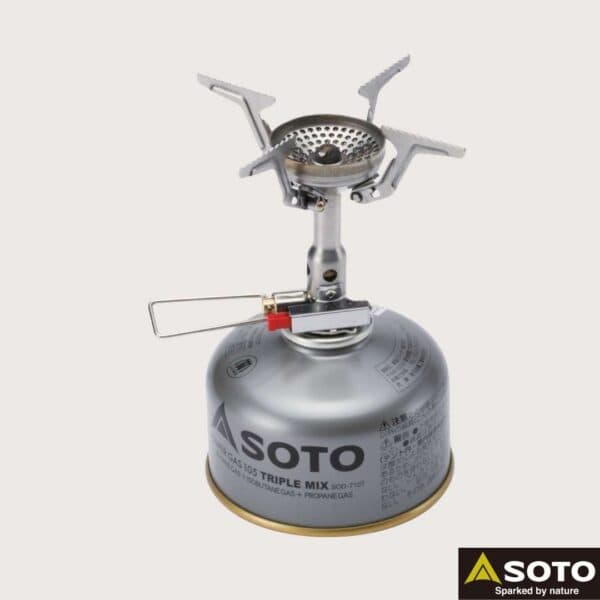
The Verdict.
Gavler Meta-Score
“Sarah Lin's take: the value backpacking burner that embarrasses gear costing three times more — 2.9 ounces, a reliable protected piezo igniter, and roughly 11,000 BTU for about $50. Its concave burner shelters the flame better than most upright stoves, though a hard wind will still slow it down.”
The Gavler Verdict
The Gavler Review.
Soto Amicus with Igniter Review: The $50 Stove That Makes Pricier Burners Hard to Justify
The Soto Amicus with Igniter ranks number 9 on Gavler's Best Camping Stoves list with a 7.9, and it earns that spot by doing something unglamorous but valuable: it makes far pricier backpacking stoves hard to justify. For about $50 you get a 2.9-ounce canister-top burner, a protected piezo igniter, and roughly 11,000 BTU of output — numbers that would be unremarkable on their own, except Gavler's Lead Curator for Outdoor, Sarah Lin, calls it "the value backpacking burner that embarrasses gear costing three times more," and OutdoorGearLab backs that up directly, saying the Amicus "scores favorably across every metric — ultralight, compact, easy to use, and it performed well in our boil, wind, and fuel-efficiency tests." It is not, however, a stove for everyone: it's an open upright burner, not an enclosed windproof system, and that distinction matters more than the price tag suggests.
What it is
The Amicus is Soto's budget canister stove, sitting below the pricier Windmaster in the brand's lineup but sharing much of its DNA. It screws directly onto a standard isobutane canister, folds down to something you can drop into a mug, and unfolds four sturdy pot-support arms that lock into place with small spring hooks. SectionHiker's Philip Werner, who has reviewed both stoves, puts the comparison plainly: the Amicus is "a very nice canister stove for camping and backpacking with all of the capabilities of the more expensive Soto Windmaster, except replaceable pot stand feet." The headline feature is the concave, semi-enclosed burner head — a shape borrowed from the Windmaster's wind-resistant design — paired with Soto's "Stealth" piezo igniter, which routes its ignition wire up through the stove's center post rather than along an exposed external wire. That routing is a small engineering detail, but it's the reason the igniter tends to survive rough handling that would snap or corrode a cheaper design.
In use
The core performance numbers are consistent across independent testing: roughly 11,000 BTU of output, about 1.5 hours of burn time on an 8-ounce canister, and a calm-air liter boil in around four minutes. CleverHiker's own numbers back this up almost exactly — "a calm liter boiled in about 4:20" — which lines up with We Are Explorers' Jess Barlow finding the stove "managed to boil one litre of water in just under four minutes during ideal conditions, which is impressive for a stove at this price point." Both reviewers stopped short of calling the stove effortless, though. Barlow found the flame "temperamental if there's any more than a slight breeze," and CleverHiker's windy-day test is the more dramatic data point: the same liter that boiled in 4:20 calm took "roughly thirteen and a half minutes" in wind. That's not a rounding error — it's the single biggest thing to understand about this stove before buying it.
The igniter fares better in day-to-day use than the wind resistance does. SectionHiker's Werner notes the internal wire routing is "protecting it from impact and creating reliable lighting performance," and multiple long-term Trailspace reviewers report first- or second-click starts that held up over months of regular use, including one who called it "excellent" after a multi-week Pacific Crest Trail stretch through sandstorm-prone desert. Barlow's field experience was slightly less clean, noting the igniter "occasionally... needed more than a few hits to produce a flame" — a reminder that piezo igniters, even good ones, are a convenience rather than something to depend on exclusively. Most experienced reviewers carry a lighter regardless of which stove they're using.
Strengths
The value case is straightforward and repeatedly confirmed: OutdoorGearLab has given the Amicus its Best Buy award, and Live For The Outdoors calls it "the compact, budget-friendly sibling of our best-in-test backpacking stove — a lot of capable stove for very little money." At 2.9 ounces it disappears in a pack, and its four-pronged, spring-locked pot supports are unusually stable for something this light — SectionHiker specifically credits the wide, four-inch support spread for handling larger cookware like a titanium pasta pot without wobbling, something plenty of ultralight stoves in this weight class can't claim. The concave burner head is doing real work, too: it's a meaningfully better wind baffle than a flat upright burner, even if it isn't a substitute for a proper windscreen or an enclosed system. And the simmer control is genuinely usable rather than an afterthought — multiple reviewers, including long-term Trailspace users, praise its ability to hold a low, steady flame for actual cooking rather than just boiling water.
The trade-offs — who should skip it
The honest caveat is wind, and it shows up in every serious test of this stove. CleverHiker is direct about it: "Impressive for the price, but not the most windproof." This isn't a stove flaw so much as a category limitation — it's an open, upright burner, and no amount of clever burner-head geometry turns that into an enclosed system. If you regularly cook on exposed alpine ridgelines, above treeline, or in consistently gusty coastal conditions, you will spend real time crouched behind a rock or a pack shielding the flame, or carrying a separate windscreen to compensate. There's also a secondary trade-off worth naming: this is a boil-and-simmer burner with no integrated pot or cook system, so you're responsible for pairing it with your own cookware, unlike all-in-one systems that handle wind sealing and heat efficiency together by design.
How it compares
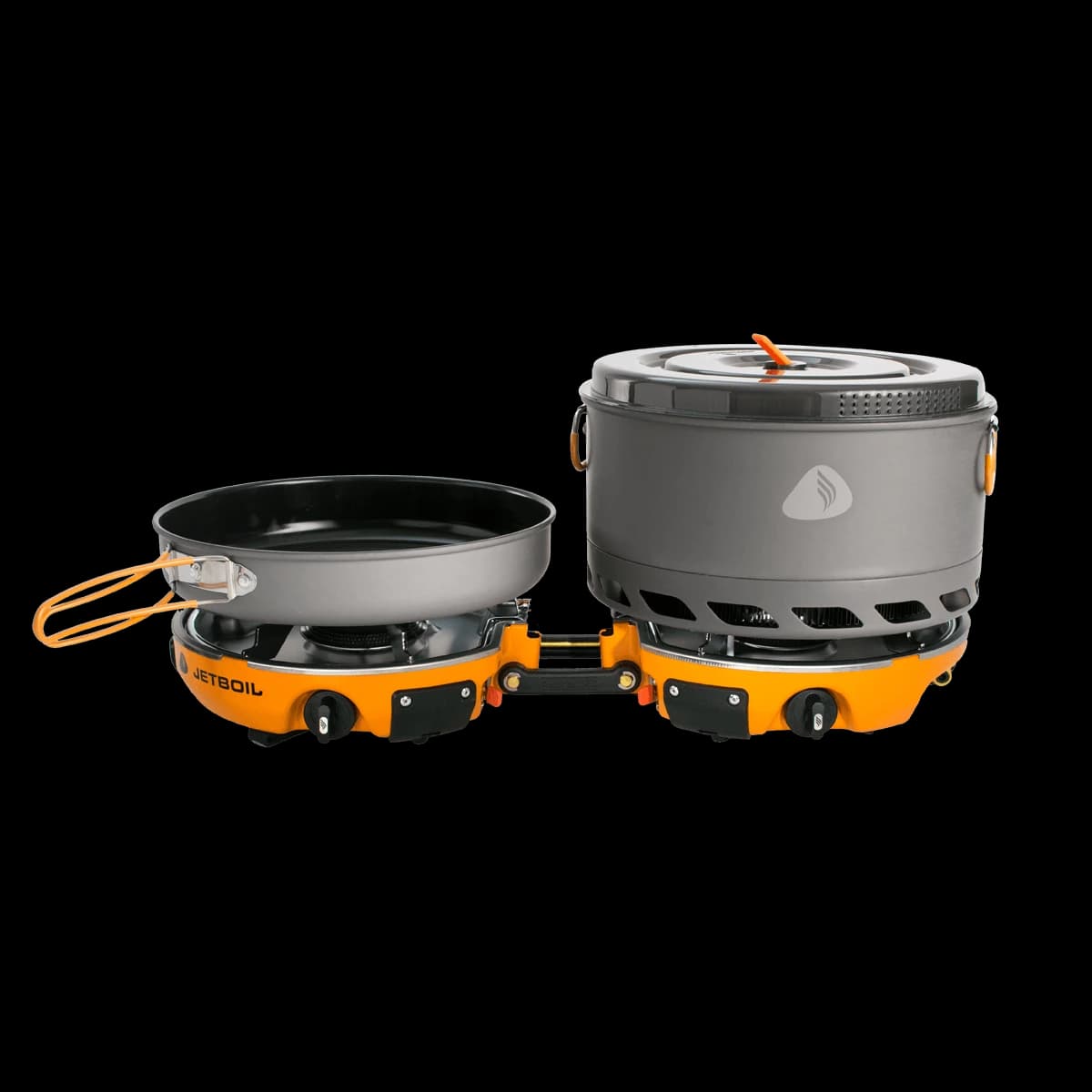
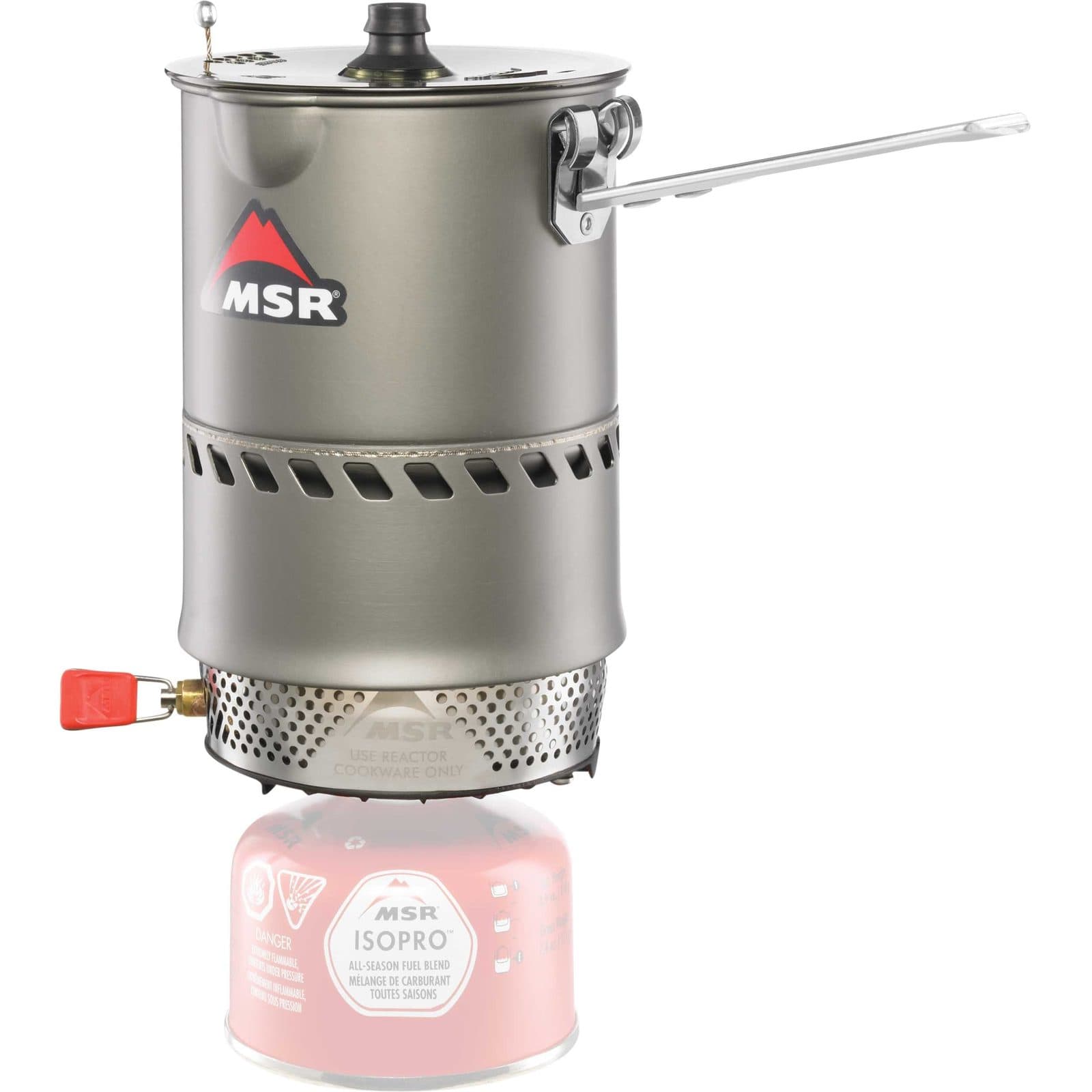
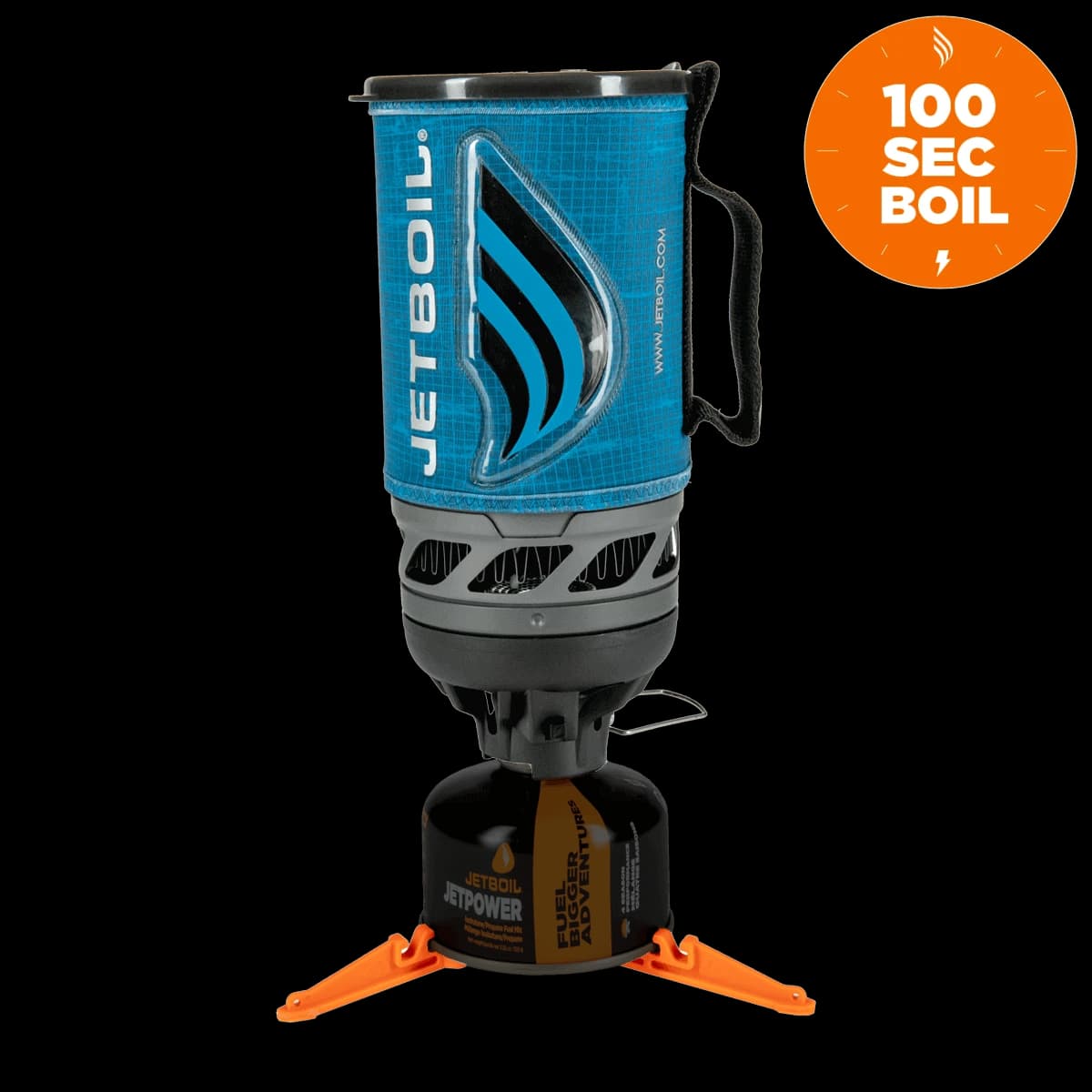
The clearest contrast on Gavler's list is the MSR WindBurner Personal, ranked number 5 with a 9.0. Where the Amicus uses a partially shielded open flame, the WindBurner seals its burner entirely inside the pot's own heat exchanger — the same fundamental approach MSR uses in its Reactor line — so wind genuinely can't reach the flame at all. That buys real, tested reliability in bad weather, but it costs considerably more, weighs more, and locks you into its own integrated pot rather than letting you mix and match cookware. The Jetboil Flash 1.8L sits in similar territory: fast, wind-resistant thanks to its own enclosed heat-exchanger design, and built around a dedicated pot rather than an open burner. Both are the better choice if wind and altitude are a near-daily reality on your trips. But for three-season backpacking where a bit of wind is occasional rather than constant, the Amicus's open, flexible, dramatically cheaper setup is a fair trade, and it's the reason it keeps winning "Best Buy" nods rather than outright category wins.
The Gavler verdict
A 7.9 for a stove that does exactly what a budget backpacking burner should: it's light, it lights reliably, it simmers better than its price suggests, and its concave burner head buys real — if incomplete — wind resistance. The trade-off is honest rather than hidden: in a real breeze, boil times can nearly quadruple, and campers who regularly face exposed, gusty conditions should look at an enclosed system like the WindBurner Personal instead. But for the large majority of three-season trips where wind is the exception rather than the rule, the Amicus with Igniter remains one of the easiest recommendations on this list — a stove that costs a third of the price of its rivals and rarely feels like it.
Common Questions
Yes, for most three-season backpackers who want a light, cheap, reliable stove and don't mind babysitting it in a stiff breeze. It ranks number 9 on Gavler's Best Camping Stoves list with a 7.9. OutdoorGearLab's verdict sums up why: it 'scores favorably across every metric — ultralight, compact, easy to use' and earned their Best Buy award. If you regularly cook on exposed, windy ridgelines, a fully enclosed system will serve you better.
No, and no reviewer claims otherwise. Its concave burner head genuinely helps versus a plain upright burner, but CleverHiker measured a windless liter boil around 4:20 that stretched to roughly thirteen and a half minutes in a stiff breeze, and We Are Explorers' Jess Barlow found the stove 'temperamental if there's any more than a slight breeze,' needing the gas cranked up to hold a flame. Treat it as wind-resistant, not wind-proof.
Mostly, yes. SectionHiker's Philip Werner notes the ignition wire runs through the stove's center post, 'protecting it from impact and creating reliable lighting performance,' and Trailspace reviewers report consistent first- or second-strike starts over months of use. That said, We Are Explorers found it occasionally needed 'more than a few hits to produce a flame' in the field — worth carrying a lighter as backup, which most reviewers do regardless of igniter brand.
Where to Buy.
Prices checked regularly
90-day price history
Price History
Steady at $45.00 for the entire 90-day tracking window — no increases, no discounts, across 91 tracked days.
Tracked daily across retailers. Vote Want itabove and we’ll alert you the moment the price drops.
Some links are affiliate links — Gavler may earn a commission. This never affects rankings or scores. Learn more.
Precision Engineering
Stealth Piezo Igniter
A protected push-button igniter tucks into the stove body so it's less prone to snapping off than exposed sparkers — lights reliably without a lighter.
2.9 oz Packable Burner
At 81 grams it folds to fit inside a small cook pot, giving near-ultralight weight for roughly a third the price of premium canister stoves.
Wind-Resistant Concave Burner
A semi-enclosed concave burner head shelters the flame better than most upright canister stoves, earning OutdoorGearLab's Best Buy award.
Technical Specifications
The Scoreboard
A repeat budget-pick winner (OutdoorGearLab Best Buy): reviewers praise the weight, price, reliable igniter, and better-than-expected wind resistance, with the only real caveat being that a strong breeze still slows the boil.
Cast Your Vote
Do you think Soto Amicus with Igniter deserves the #9 spot in Best Camping Stoves?
Global Critique
“Scores favorably across every metric — ultralight, compact, easy to use, and it performed well in our boil, wind, and fuel-efficiency tests. Our Best Buy.”
“Impressive for the price, but not the most windproof — a calm liter boiled in about 4:20, while a windy one took roughly thirteen and a half minutes.”
“The compact, budget-friendly sibling of our best-in-test backpacking stove — a lot of capable stove for very little money.”
More from Best Camping Stoves.
See how other top picks compare in this category.
Pick a Camping Stove for the Way You Cook Outside
BTU hangtags are the wrong first question. Match canister backpacking, tabletop propane, or wood-burning to how you cook outside.
The Best Camping Stoves in 2026, Ranked by People Who Actually Cook Outdoors
Jetboil, MSR, Camp Chef, Coleman. Gavler's campers rank the stoves worth carrying — for backpackers, basecamps, and car-camp kitchens.