MSR Reactor Stove System.
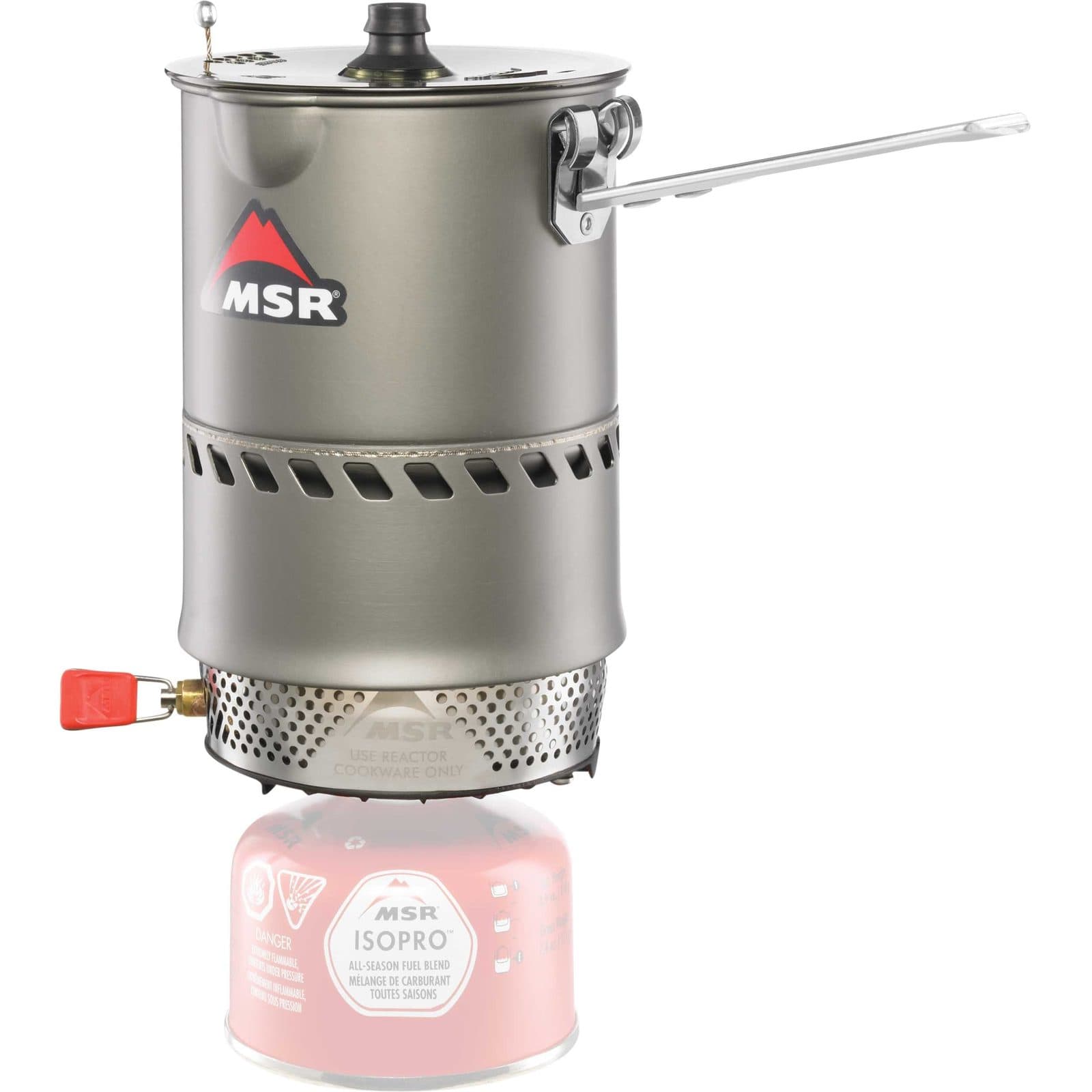
MSR's pressurized radiant burner sits fully enclosed in the pot's heat exchanger, so it holds its boil in wind and cold that stall open stoves — the fastest system here for melting snow, though it boils rather than simmers.
The Verdict.
Gavler Meta-Score
“Sarah Lin's take: the system to beat for melting snow and boiling in wind and cold. OutdoorGearLab found 'none have better wind-resistance or heat output' among canister stoves. Choose it for winter and alpine trips where a fast, unstoppable boil is the whole job — just don't expect it to simmer, and pack a lighter, because there is no igniter.”
The Gavler Verdict
The Gavler Review.
MSR Reactor Stove System Review: The Fastest Snow-Melter in Backpacking
The MSR Reactor Stove System ranks number 3 on Gavler's Best Camping Stoves list with a 9.3, and it holds that spot for one specific, well-earned reason: nothing else in this category boils water faster in wind and cold. Built around a pressurized radiant burner sealed inside the pot's own heat exchanger, the Reactor shrugs off conditions that stall open-flame stoves entirely. OutdoorGearLab's testing puts it bluntly: "of all isobutane stoves, none have better wind-resistance or heat output." That makes it a fixture on alpine and winter trips — but it's worth being clear-eyed that this is a boiling tool, not a cooking stove, and the honest trade-offs matter for anyone deciding whether to buy it.
What it is
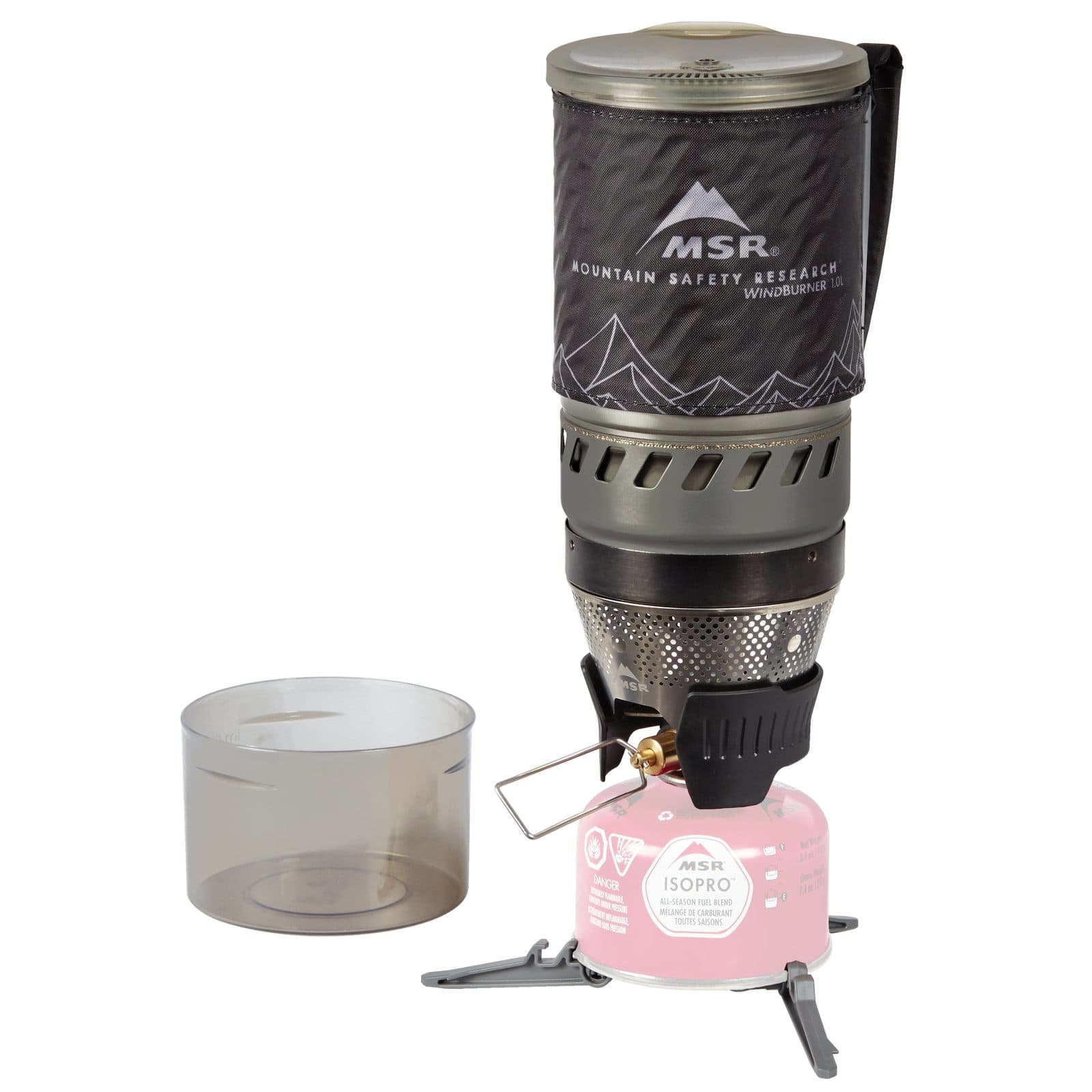
The Reactor's defining feature is its enclosed radiant burner: instead of an exposed flame under an open pot, the burner head sits sealed inside the base of the included pot, where a heat exchanger traps and directs the heat upward. Because wind can't reach the flame, performance barely dips outdoors compared to a sheltered test bench. OutdoorGearLab clocked half a liter to a boil in about 90 seconds and rated it the fastest snow-melter in their entire test group — the reason it shows up so often on winter mountaineering and ski touring kit lists. A built-in pressure regulator keeps fuel output steady as the canister cools and empties, which is the mechanism behind its reputation for reliable cold-weather performance. It ships in 1.0L, 1.7L, and 2.5L pot configurations and runs on standard isobutane canisters.
In use
SectionHiker's Philip Werner, who owns and has personally tested the stove over time, sums up the trade-off cleanly: "The MSR Reactor Stove System is not the lightest weight backpacking stove available or the most flexible because it can't simmer, but it boils water really fast and is 40% more efficient than most other pot & canister stove combinations." That efficiency claim is echoed across the board — this is a stove engineered for one job, and it does that job about as well as a canister stove can.
The Great Outdoors magazine's David Lintern, testing in UK mountain conditions, calls it "the most wind-resistant 'stove system' I've ever used," but frames the overall picture with a caveat worth taking seriously: "It's a one-trick pony and it's expensive, but if you have the budget the Reactor is nigh on perfect for short, sharp missions to the mountains, especially in winter." His testing also confirms the boil-only limitation in practical terms — "ten-minute rice requires two or three boil/rest cycles" rather than a continuous simmer, and "it's easy to burn food" if you try to push past what the burner is designed to do.
SectionHiker's longer-term use surfaced two smaller field annoyances: the pot lid's handle "slips out of its ball lock easily during transport," and — confirming the spec sheet — there's no igniter, so a firesteel or lighter is mandatory. One older Switchback Travel field report is worth flagging as a genuine counterpoint to the Reactor's cold-weather reputation: on a ski mountaineering trip, their Reactor "failed to light at temperatures below 5°F," while a companion MSR WindBurner lit fine on the same fuel canister at the same time. That's a single data point against a broader consensus of reliable cold performance, but it's a real report worth knowing about if you're planning a trip where a failed stove is a serious problem.
Strengths
Raw speed and wind resistance are the Reactor's whole reason for existing, and by every account checked for this review, it delivers on both. The enclosed heat exchanger genuinely works — this isn't marketing language, it's the physical reason wind stops mattering the way it does with an open burner. For anyone whose job is melting snow into drinking water on an exposed ridge, that's not a nice-to-have, it's the entire point of the purchase.
The trade-offs — who should skip it
This is a boil-only stove, full stop. If you want to cook actual meals — simmer a sauce, reduce a curry, cook rice properly — SectionHiker and The Great Outdoors both confirm the burner tends to sputter or go out entirely when you try to turn it down low. Skip the Reactor if real cooking matters to you; the enclosed-burner MSR WindBurner Personal, built on similar technology, offers meaningfully better simmer range. There's no igniter in the box, so budget for a separate lighter or firesteel. And at roughly 15 ounces for the burner and 1.7L pot, it's heavier than a minimalist backpacking setup — a real consideration for anyone counting grams on a summer trip where wind resistance isn't the deciding factor.
How it compares
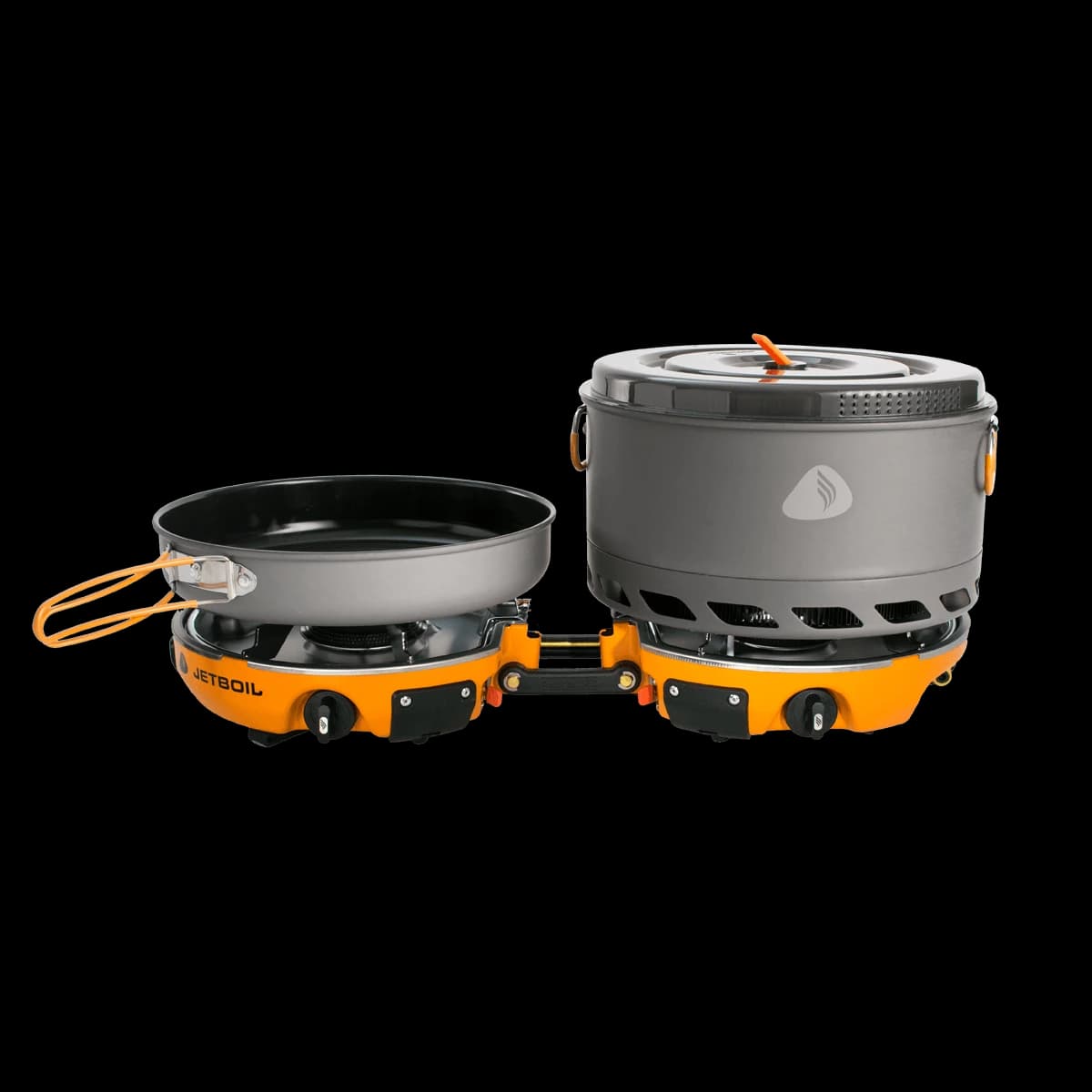
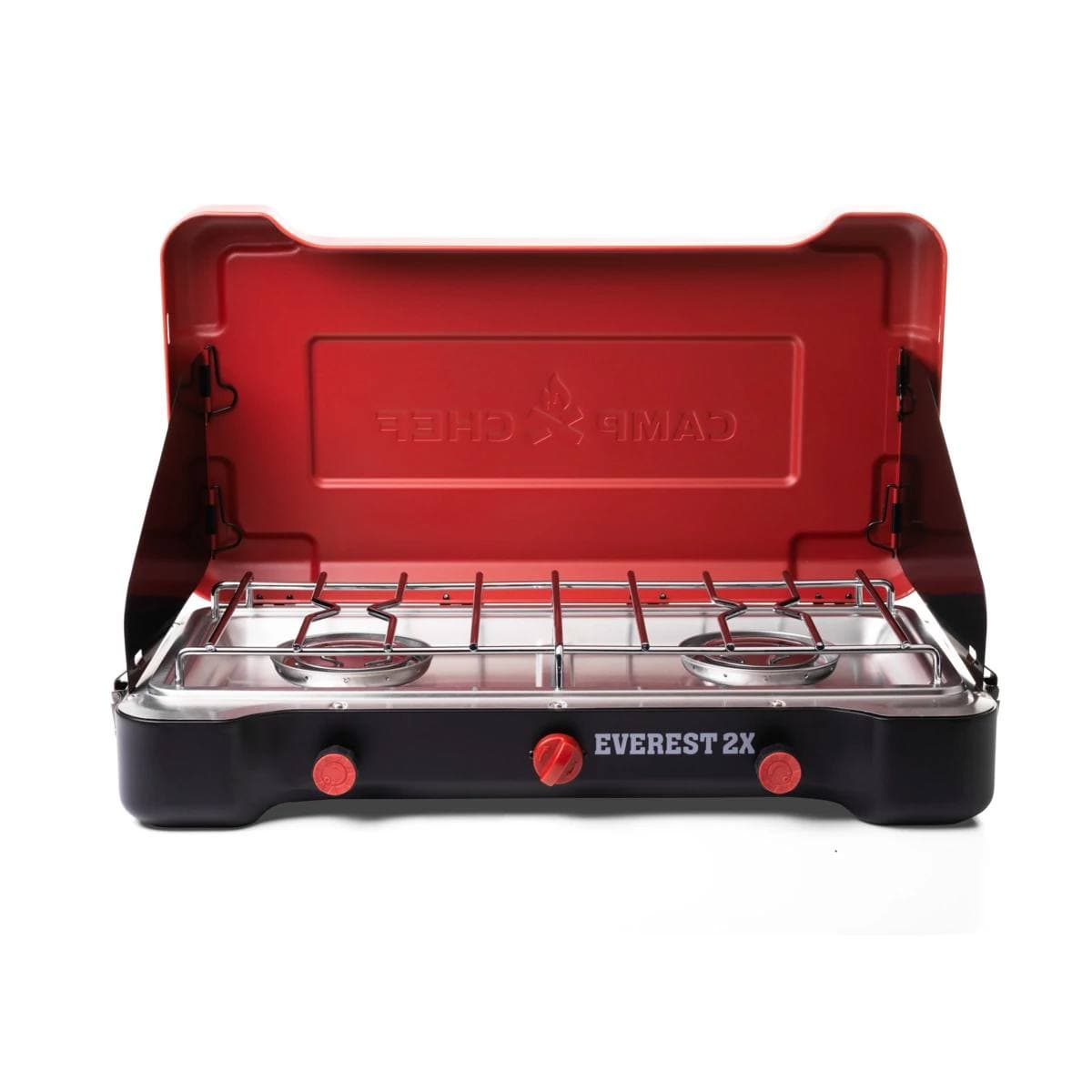
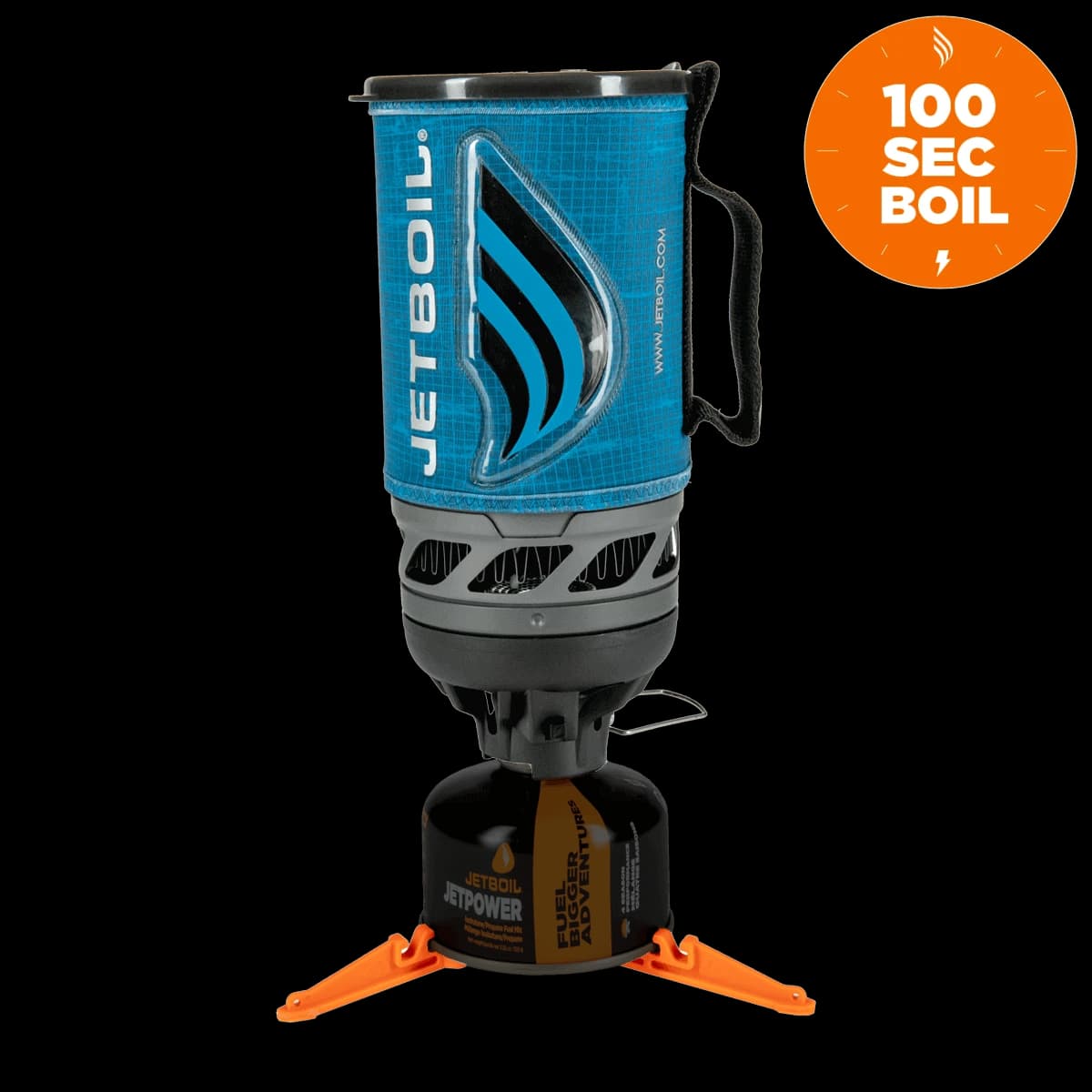
The closest sibling on this list is the MSR WindBurner Personal at rank 5, which shares the Reactor's enclosed-burner wind resistance but trades some raw boil speed for a genuinely usable simmer — SectionHiker's own comparison notes the WindBurner is "the more versatile and affordable option," while the Reactor wins if you specifically need the stronger burner or a larger-capacity pot. For campers who don't need boil-only speed at all, the Jetboil Genesis Basecamp System and Camp Chef Everest 2X at the top of this list offer real cooking flexibility the Reactor was never designed to provide.
The Gavler verdict
A 9.3 for a stove that does exactly one thing — boil water fast in terrible conditions — better than almost anything else sold. Choose the Reactor specifically for winter camping, alpine trips, and snow-melting where speed and wind resistance are the whole job. If you want to cook rather than rehydrate, look at the WindBurner Personal or step up to a proper two-burner instead — and either way, pack a lighter, because there's no igniter in the box.
Common Questions
Yes, if winter camping, alpine trips, or melting snow for water is a regular part of your kit list. It ranks number 3 on Gavler's Best Camping Stoves list with a 9.3, and OutdoorGearLab says 'none have better wind-resistance or heat output' among the isobutane canister stoves they've tested. It's a boil-only tool, not a cooking stove — if you want to simmer real meals, look elsewhere.
It's genuinely boil-only. SectionHiker's testing found the stove tends to go out entirely when you try to turn the gas down low, and The Great Outdoors magazine reported that even ten-minute rice needs two or three separate boil-and-rest cycles rather than a continuous simmer. If you want to cook rather than rehydrate, the MSR WindBurner Personal offers meaningfully better simmer control from the same enclosed-burner family.
Mostly, but not universally. MSR built it around a pressure regulator specifically to hold output as the canister cools, and most reviewers rate it as the class leader for snow-melting and cold-weather performance. One older Switchback Travel field report did note a failure to light below 5°F on a ski mountaineering trip when a companion MSR WindBurner lit fine on the same fuel — worth knowing as a data point, even though it isn't the typical experience reported elsewhere.
No. Every reviewer checked for this review confirms there's no built-in igniter — you need to carry a lighter or firesteel. SectionHiker argues this isn't really a downside since built-in igniters tend to fail anyway, but it's a real omission at this price point.
Where to Buy.
Prices checked regularly
90-day price history
Price History
Tracked at $70.00 across 90 tracked days — currently $269 at the retailers above.
Tracked daily across retailers. Vote Want itabove and we’ll alert you the moment the price drops.
Some links are affiliate links — Gavler may earn a commission. This never affects rankings or scores. Learn more.
Precision Engineering
Enclosed Radiant Burner
The burner head sits sealed inside the pot's heat exchanger, so wind can't reach the flame — OGL calls its wind resistance and heat output unmatched among canister stoves.
Sub-90-Second Boil
OutdoorGearLab clocked half a liter to a boil in about 1.5 minutes and rated it the fastest snow-melter in its test group.
Cold-Weather Pressure Regulator
A built-in regulator keeps fuel output steady as the canister cools and empties — the reason it holds performance below freezing. No igniter, so carry a lighter.
Technical Specifications
The Scoreboard
OutdoorGearLab rates it the fastest snow-melter and most wind-resistant canister stove they have tested; SectionHiker and Adventure Alan echo it as a winter/alpine specialist. Knocks: boil-only (weak simmer), ~15-oz weight, and no built-in igniter.
Cast Your Vote
Do you think MSR Reactor Stove System deserves the #3 spot in Best Camping Stoves?
Global Critique
“From the moment you fire up the stove, you'll experience lightning-fast boil times and faster snow melt than any other option.”
“Of all isobutane stoves, none have better wind-resistance or heat output — the perfect tool for the coldest, stormiest conditions.”
“Best-in-class heat transfer and snow melting make it our pick for winter camping, though it's heavy and lacks an igniter.”
More from Best Camping Stoves.
See how other top picks compare in this category.
Pick a Camping Stove for the Way You Cook Outside
BTU hangtags are the wrong first question. Match canister backpacking, tabletop propane, or wood-burning to how you cook outside.
The Best Camping Stoves in 2026, Ranked by People Who Actually Cook Outdoors
Jetboil, MSR, Camp Chef, Coleman. Gavler's campers rank the stoves worth carrying — for backpackers, basecamps, and car-camp kitchens.