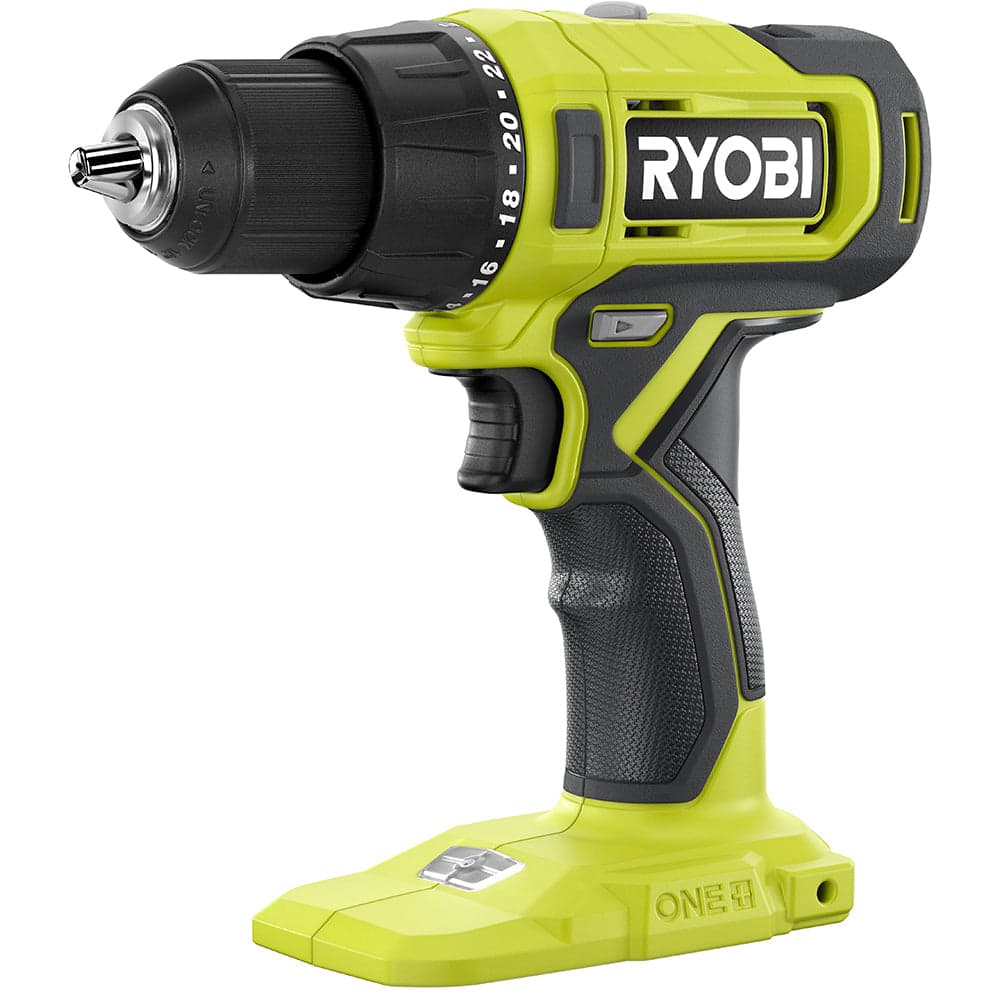
Ryobi PCL206B 18V ONE+.
The best budget drill on the market. 515 in-lbs of torque (independently verified on a certified torque wrench), a 2-speed gearbox, and access to Ryobi's massive 300+ tool ONE+ ecosystem.
The Verdict.
Gavler Meta-Score
“The cheapest drill here that actually hits its rating — an independent torque-wrench test confirmed the 515 in-lb claim, which is not a given at this price. Buy it if you use a drill a few times a year and want onto the ONE+ battery platform cheaply. Skip it if you drill regularly: the brushed motor runs hot under sustained low-speed load and runtime per charge is the shortest on this list.”
The Gavler Verdict
The Gavler Review.
Ryobi PCL206B 18V ONE+ Review: A Budget Drill That Actually Hits Its Torque Rating
The Ryobi PCL206B 18V ONE+ ranks number 8 on Gavler's Best Power Drills list with an 8.5 — the highest score of any budget pick on the list, and one earned by something rare at this price: an independently verified torque claim. House Digest put a certified torque wrench on it and confirmed the drill meets its 515 in-lb rating. At $46-64, it's the drill for someone who uses a drill a handful of times a year and wants the cheapest legitimate way onto Ryobi's 300-plus-tool 18V ONE+ battery platform — not the drill for someone drilling daily.
What it is
The PCL206B is a brushed-motor drill/driver with a 1/2-inch keyless ratcheting chuck, a 24-position clutch, and a 2-speed gearbox topping out at 1,750 RPM. It's rated for 515 in-lbs of torque, weighs about 2.6 pounds bare, and runs on Ryobi's 18V ONE+ battery platform — the same batteries that power the brand's entire 300-plus-tool lineup, from lawn equipment to shop tools. It's the direct successor to the discontinued Ryobi P215, with real, specific upgrades: a higher and apparently battery-independent torque rating, better-included batteries with a charge-level meter, a ratcheting clutch instead of a non-ratcheting one, and a 3-year warranty.
In use
House Digest's testing is the most rigorous independent look at this drill, and it's worth walking through because the results are unusually specific for a sub-$70 tool. Testers anchored a wall with French doors into both concrete and steel, drilled wall studs for wiring with spade and auger bits, and bored repeatedly through the full 5.5-inch width of SPF 2x6 lumber — tasks demanding enough to bog down plenty of drills. The PCL206B handled the wood work described as "close to effortless," struggled appropriately with tasks better suited to impact drivers and hammer drills (driving self-drilling screws into steel, pre-drilling concrete for anchors), and got through everything in between without complaint.
The torque-wrench test is the headline result. Testers dialed a certified 1/2-inch drive torque wrench up incrementally until the drill could no longer break it loose, landing at 46 foot-pounds — about 552 inch-pounds — against Ryobi's 515 in-lb rating. That's a real number from a real test, not a marketing claim taken on faith, and it's the reason this drill scores as high as it does relative to its price.
Two genuine annoyances showed up in extended use. The onboard LED work light only stays lit while the trigger is actively pressed — most drills keep the light on for several seconds after you release the trigger — which means pulsed, careful fastening work produces a distracting strobe effect as the light flickers with each trigger squeeze. And bits came loose from the chuck repeatedly early in testing, which turned out to be a technique issue rather than a defect: the common "hold the sleeve, power the drill until it clicks" tightening method most people use doesn't fully seat a bit on this drill. Ryobi's manual specifies hand-tightening the sleeve clockwise until it clicks on its own — once testers switched to that method, bits held through repeated full-speed bursts with no further slippage.
Running the drill at its lowest speed setting for more than a few seconds also produces real heat and the smell of a stressed motor — an expected trade-off of the brushed-motor design rather than a defect, but a real limitation for anyone doing sustained low-speed work like driving long lag screws.
Strengths
- A torque rating that actually holds up. Independent torque-wrench testing confirmed the drill meets its 515 in-lb claim — not a given in this price tier.
- A genuinely useful upgrade over its predecessor. Better batteries with a charge meter, a ratcheting clutch, and a validated torque rating all represent real improvements over the outgoing P215.
- Access to the widest single-battery tool ecosystem at this price. Every battery purchased carries forward across Ryobi's entire 300-plus-tool ONE+ lineup.
- Competent at real DIY tasks. Testing across wood, steel, and concrete-adjacent work found it capable everywhere a drill this size reasonably should be.
The trade-offs — who should skip it
The brushed motor is the honest ceiling on this drill, and it shows up exactly where you'd expect: heat and runtime under sustained load. If you're drilling regularly — daily or near-daily use, professional or heavy-DIY work — the brushed motor's shorter lifespan, lower efficiency, and heat buildup under sustained low-speed torque make it the wrong tool. Ryobi's own brushless models (the PSBDD02 and PBLDD02B) sit one tier up and solve exactly this problem, as does stepping up to a cross-platform brushless option.
The chuck-tightening quirk, while solvable once you know the fix, is a real first-use frustration that catches people off guard — a bit flying loose at 1,000-plus RPM is not a minor annoyance the first time it happens. And the strobing worklight is a small but persistent irritation during any fastening work that involves pulsing the trigger rather than holding it steady.
It's also worth flagging plainly: no dedicated tool-testing outlet like Pro Tool Reviews, ToolGuyd, or Tool Box Buzz has published a full hands-on review of this specific model — it shows up in buying guides and as a baseline comparison point, but the deepest independent testing available is House Digest's torque-wrench work and Consumer Reports' lab results. That's a thinner evidence base than most drills on this list carry, and it's worth knowing going in.
How it compares
For buyers who want to stay on Ryobi's ONE+ platform but need more sustained performance, Ryobi's own brushless PSBDD02 and PBLDD02B are the direct upgrade path — same battery ecosystem, without the brushed motor's heat and runtime ceiling.
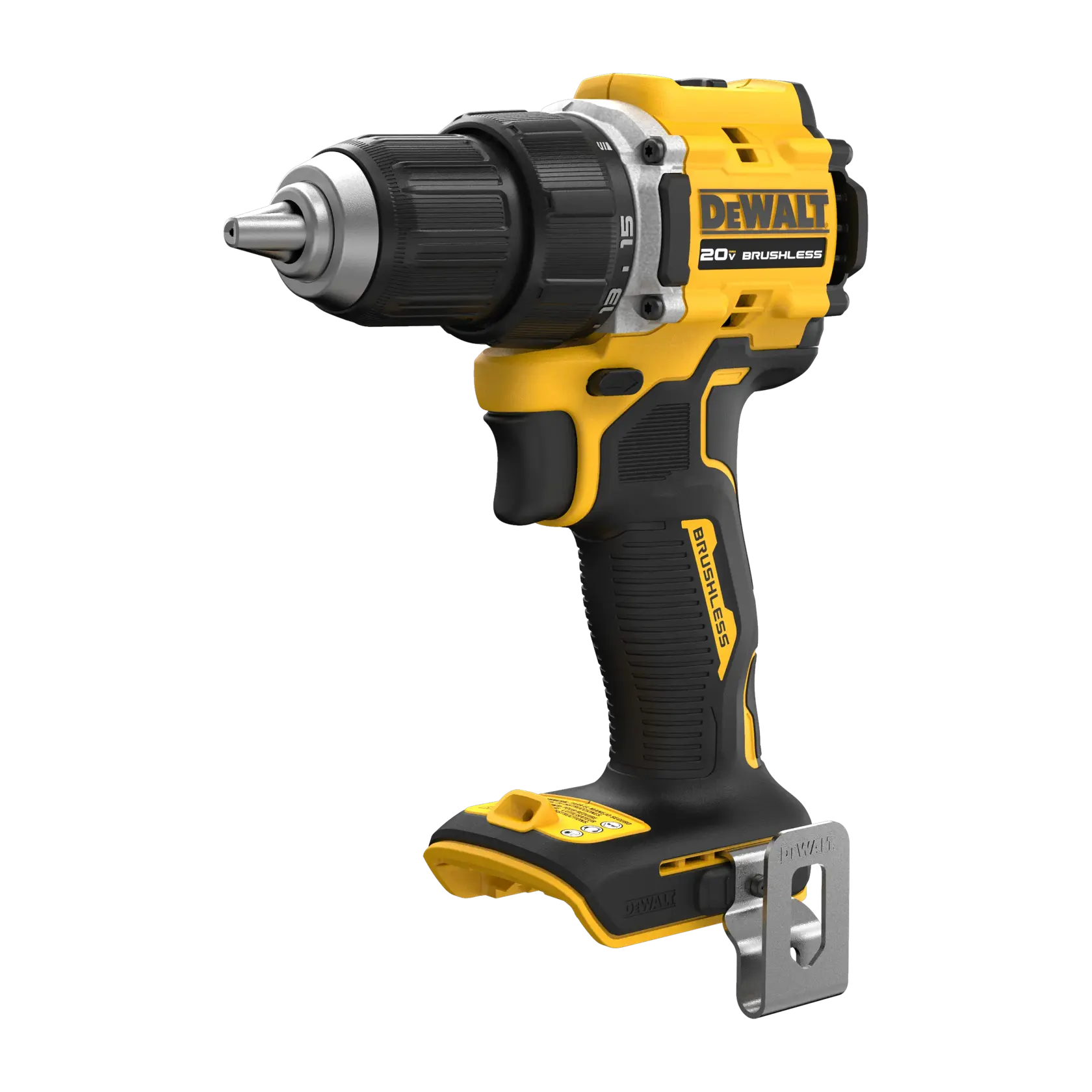
For a cross-platform comparison at a modest step up in price, the DeWalt DCD794B ATOMIC 20V MAX, ranked 4 on Gavler's power drill list, delivers a brushless motor and a notably more compact design — the right move if you're starting a battery platform from scratch and want brushless performance without paying professional-tier prices. The trade is leaving Ryobi's uniquely broad tool ecosystem behind, so factor in whether you already own — or plan to buy — other ONE+ tools before switching platforms.
The Gavler verdict
The Ryobi PCL206B earns its rank 8 spot by doing something most sub-$70 drills don't: backing up its spec sheet under independent testing. Buy it if you drill a few times a year, want the cheapest legitimate entry onto the ONE+ battery platform, and can live with a brushed motor's limitations. Skip it if you drill regularly enough that motor heat and battery runtime under sustained load will actually matter — at that point, Ryobi's own brushless models or a cross-platform option like the DeWalt DCD794B are worth the extra money.
Common Questions
Yes, for occasional home use — and unusually, its torque claim actually checks out. House Digest tested it against a torque wrench certified accurate within 4% and found: 'The last setting at which we successfully clicked it over was 46 foot-pounds, or about 552 inch-pounds. Ryobi rates the drill at 515 inch-pounds, so it met its claims.'
It can, specifically at low speed under sustained use. House Digest's hands-on testing found that 'running the drill at its lowest speed for more than a few seconds makes the drill housing noticeably hot, and the motor emits that familiar hot-electric-motor smell that usually presages a power tool's decline' — a real limitation of its brushed motor design.
Almost always a tightening-technique issue, not a defect. House Digest discovered that the common hold-and-drive method most people use to tighten keyless chucks doesn't fully seat the bit on this drill; Ryobi's manual specifies hand-turning the sleeve clockwise until it clicks, which — once followed — held bits securely through repeated full-speed bursts in their testing.
Where to Buy.
Prices checked regularly
90-day price history
Price History
Steady at $46.00 for the entire 90-day tracking window — no increases, no discounts, across 91 tracked days.
Tracked daily across retailers. Vote Want itabove and we’ll alert you the moment the price drops.
Some links are affiliate links — Gavler may earn a commission. This never affects rankings or scores. Learn more.
Precision Engineering
515 in-lbs, Confirmed on a Certified Wrench
House Digest clicked it over at 46 ft-lbs — about 552 in-lbs — against a wrench certified accurate within 4%, so the rating holds.
24-Position Clutch and a Ratcheting 1/2" Chuck
Fastening control and chuck spec normally reserved for drills costing twice as much. The chuck body is plastic, not metal.
18V ONE+ — 300+ Tool Battery Platform
Every battery bought here carries over to Ryobi's full 18V lineup, which is the widest single-battery range at this price tier.
Technical Specifications
The Scoreboard
Score reflects a thin independent evidence base, and the disclosure matters more than the number here. No dedicated tool-testing outlet (Pro Tool Reviews, ToolGuyd, Tool Box Buzz, Tools In Action) has published a hands-on review of this model — PTR lists it spec-only in a buying guide, and ToolGuyd references it only as the baseline Ryobi benchmarks newer tools against. The two real tests are House Digest's torque-wrench measurement and Consumer Reports' lab (numeric CR scores are paywalled; only their published test conclusions are used). Price note: $64 bare, verified on Ryobi's own store as of 2026-09-02 (was mislabeled $46 in this record until this session).
Cast Your Vote
Do you think Ryobi PCL206B 18V ONE+ deserves the #8 spot in Best Power Drills?
Global Critique
“The last setting at which we successfully clicked it over was 46 foot-pounds, or about 552 inch-pounds. Ryobi rates the drill at 515 inch-pounds, so it met its claims, assuming our margin of error was 10% or less. (The wrench was factory-certified to be accurate within 4%.)”
“Running the drill at its lowest speed for more than a few seconds makes the drill housing noticeably hot, and the motor emits that familiar hot-electric-motor smell that usually presages a power tool's decline.”
“With top speeds of 1750 RPM and max torque levels of 515 in-lbs, this model, at least on paper, outperforms the PSBDD02. However, its brushed motor is a limitation for some, as brushless options offer higher performance, longer lifespans, and less motor maintenance.”
“Fast at drilling holes and driving screws. Moderately powerful, but still capable of handling most jobs easily. Limited run time per battery charge.”
More from Best Power Drills.
See how other top picks compare in this category.
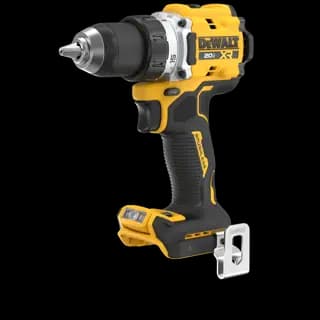
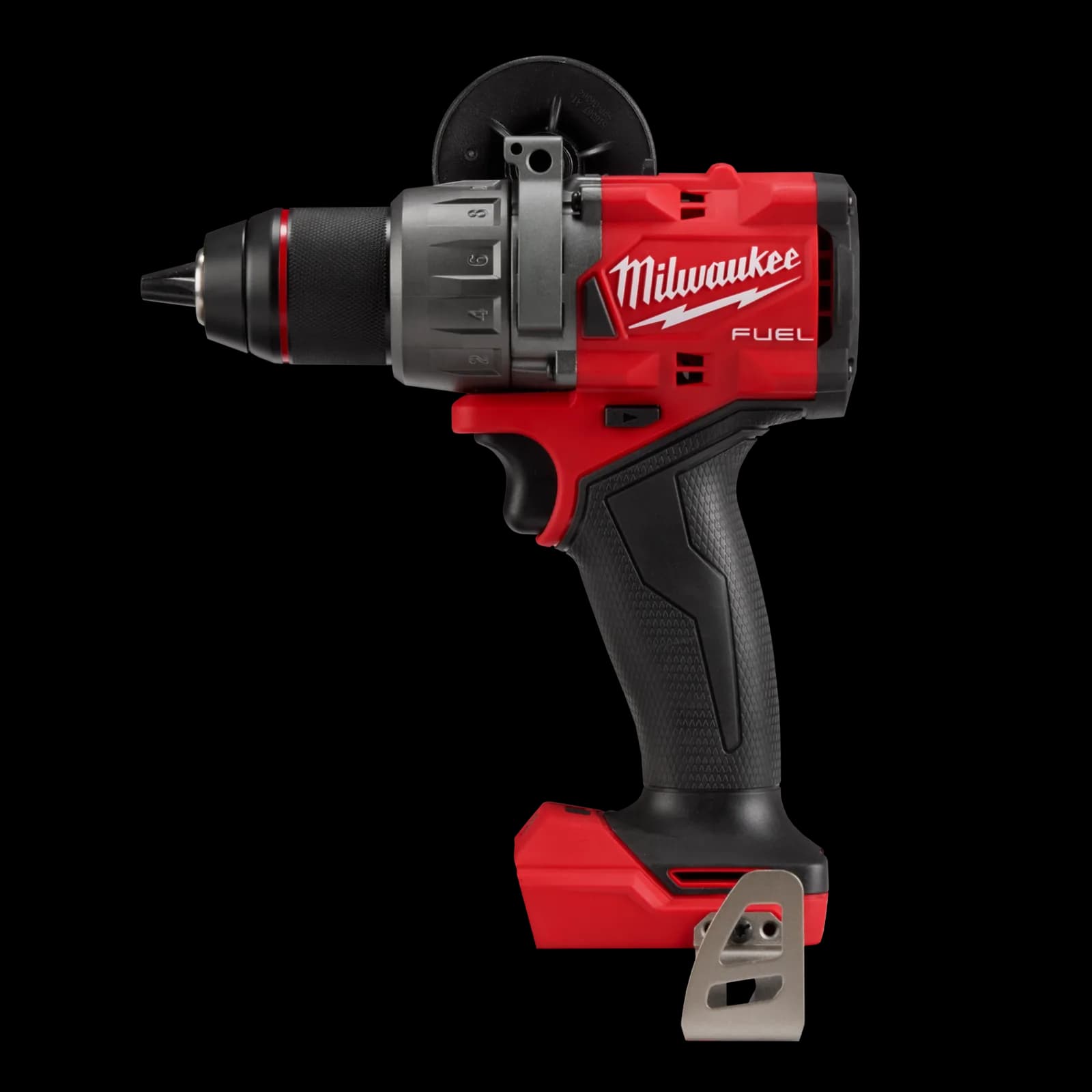
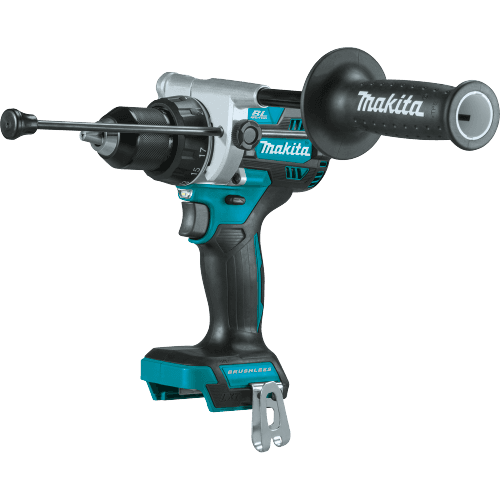
Compact, Hammer, or Jobsite — What Drill Do You Need?
A torque hangtag and a 20V sticker are the wrong first question. Compact cordless vs hammer vs brushless jobsite vs budget is the tool. Shop Gavler's live ranking.
The Best Tech Gifts for Dads in 2026, by What He'll Actually Use
Six Father's Day tech gifts pulled from Gavler's community-ranked lists. Six categories, six price points, zero gadgets that end up in a drawer.
The Best Power Drills in 2026, Ranked by People Who Actually Build Things
DeWalt, Milwaukee, Makita, Bosch, Ryobi. Gavler ranks the cordless drills worth owning in 2026 — for pros, DIYers, and tight-budget builds.