The Truth About Dyson Air Purifiers - Comparison to Cheaper Options (v3)
Consumer Analysis
Dyson's flagship purifier with catalytic formaldehyde destruction, sealed HEPA H13, and whisper-quiet operation.
Gavler Meta-Score
“Dyson has done what no other purifier brand has managed: make air purification feel like a premium technology experience rather than a medical necessity. The formaldehyde catalytic filter is a genuine innovation — not a gimmick — and the engineering required to move this much air this quietly is remarkable. Yes, it's expensive, but for allergy sufferers or anyone in a newly renovated home, it's the definitive answer.”
The Gavler Verdict
Dyson Purifier Big Quiet Formaldehyde Review: Purification That Disappears Into the Room
The Dyson Purifier Big Quiet Formaldehyde sits at number one on our Best Air Purifiers list with a 9.7, and the name is not marketing filler — it is a precise description of what the machine does. It is big (rated for up to 1,076 square feet), it is quiet (56 dB even at full output), and it destroys formaldehyde rather than merely filtering particulates. Buy it if you're purifying a large space, dealing with allergies, or living in a home with lingering formaldehyde off-gassing from new furniture, flooring, or fresh paint. If your space is smaller and formaldehyde isn't a concern, the Levoit Core 600S covers the fundamentals for a quarter of the price. For anyone who needs the full job done and can afford it, this is the definitive answer.
Air purifiers have mostly converged on the same formula — a HEPA filter, a fan, maybe a carbon layer for odors. The Big Quiet Formaldehyde adds a genuinely new component: a solid-state catalytic filter that chemically converts formaldehyde into water and CO2 as air passes through it, continuously, without ever saturating or needing replacement. That distinguishes it from activated carbon, which absorbs gases until it's full and then needs swapping. Formaldehyde is a common and persistent indoor pollutant — off-gassed by new furniture, engineered wood, carpet adhesive, and fresh paint — and most purifiers simply don't address it at all.
Layered on top of that catalytic filter is sealed HEPA H13 filtration capturing 99.95% of ultrafine particles down to 0.1 microns, and Dyson's Cone Aerodynamics airflow system, which is the engineering behind the "quiet" half of the name: it projects purified air throughout the room while keeping noise at a whisper-quiet 56 dB even on the highest setting. A real-time LCD readout displays PM2.5, PM10, VOC, NO2, and formaldehyde (HCHO) levels as the machine works, and Dyson claims that data is accurate within 5% of standalone monitors — a claim independently checked and confirmed by Reviewed.com's testing. At $919, it's priced like the flagship it is.
The number that matters most day to day is the noise floor. Ideal Home specifically flagged this unit as "Dyson's quietest and most powerful air purifier," noting it produces noticeably less sound at equivalent airflow than smaller Dyson models — which is the opposite of what you'd expect from a purifier rated for over 1,000 square feet. TechRadar's summary captures the whole product in five words: "big, quiet, powerful and pricey." That's not faint praise dressed up as a joke; it's an accurate spec sheet.
The formaldehyde claim is the part worth scrutinizing hardest, because it's the feature nobody else in the category offers at this scale. TechRadar calls the catalytic filter "a genuine differentiator," and the mechanism — continuous chemical conversion rather than passive absorption — means the purifier doesn't lose effectiveness against formaldehyde over time the way a carbon-only unit eventually does. Reviewed.com's real-time-monitoring findings back up the display's credibility: if the on-unit LCD tracks within 5% of a dedicated air quality monitor, you're not just buying purification, you're buying an accurate diagnostic tool for your home's air.
Tech Advisor's take is the most useful framing for shoppers on the fence: "For large spaces only, but if that's your use case, nothing else comes close to this combination of purification and quiet operation." That's the core trade-off in one sentence — this is a large-room specialist, not a compact bedroom unit.
This is the best air purifier on Gavler's list, not the right purifier for every room, and the honest reasons to look elsewhere are specific:
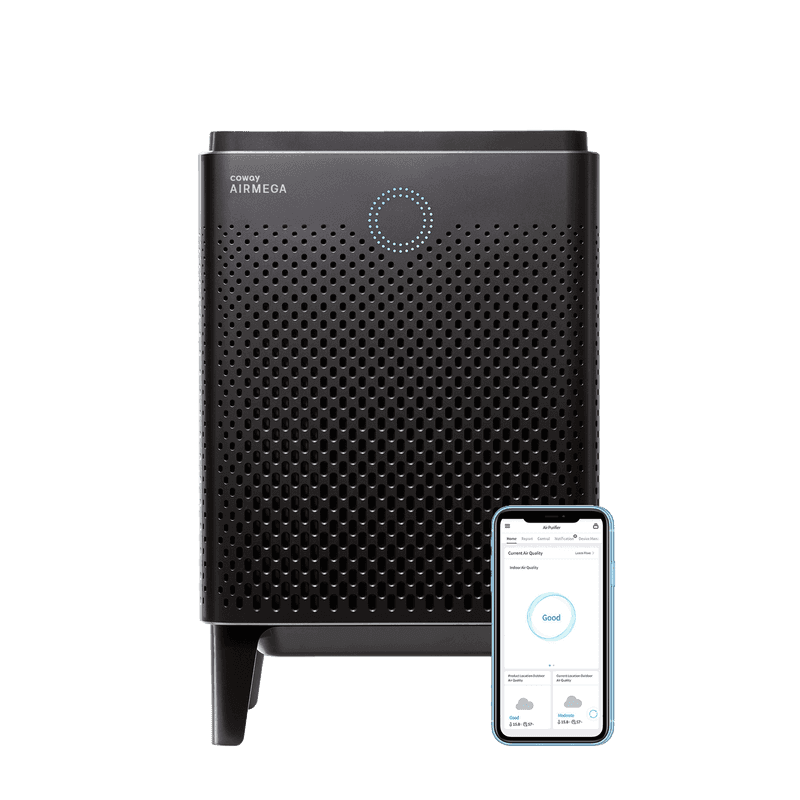
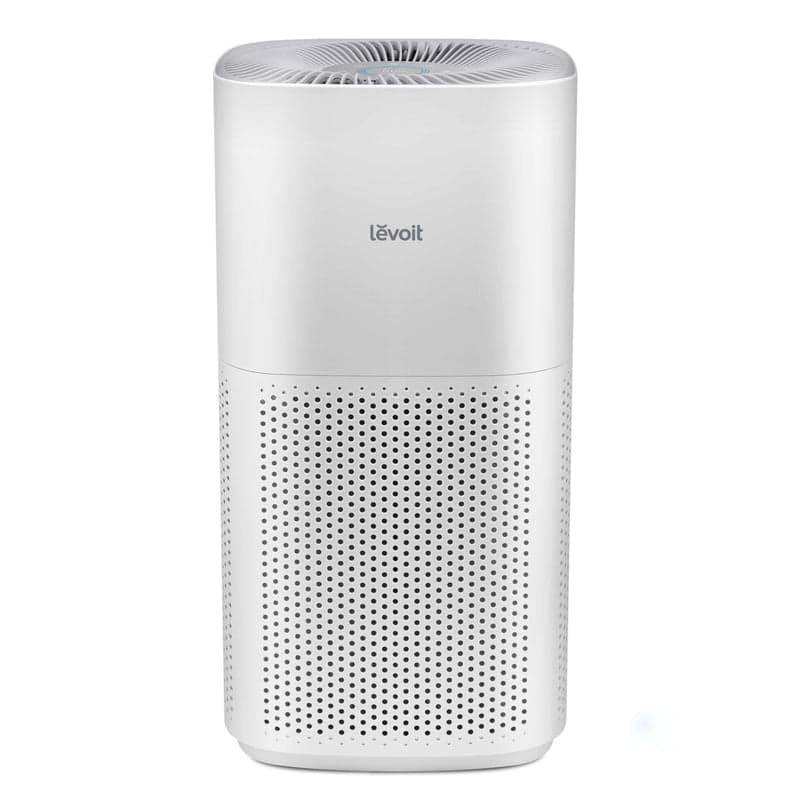
The Blueair Blue Max 3350i at number two covers even more ground — up to 2,592 square feet via HEPASilent Ultra filtration — and is the pick if raw coverage is the priority over Dyson's formaldehyde chemistry or real-time readout. The Coway Airmega 400S at number three is the value alternative: a dual-filter design with a satisfying color-changing air quality ring, at roughly half the Dyson's price, for buyers who want strong performance without the flagship premium. The Levoit Core 600S further down the list is the budget entry point — genuine H13 HEPA filtration and smart app control for $219, ideal for a single room rather than a whole floor.
None of those three touch formaldehyde the way the Dyson does. That's the actual decision: pay for the catalytic layer and the quiet, data-rich flagship experience, or save several hundred dollars on a purifier that handles particulates just as capably.
A 9.7, reflecting near-unanimous critical praise for a purifier that solves a problem — formaldehyde — that most competitors don't even attempt. The Dyson Purifier Big Quiet Formaldehyde earns its price with engineering you can measure: 56 dB at full output, 99.95% HEPA H13 capture, and a catalytic filter that never needs replacing. It is not the purifier for a small room or a tight budget, and it doesn't need to be — buy it when your space and your air quality problem are both big enough to justify it. For allergy sufferers, new-home owners, and anyone purifying an open floor plan, this remains the definitive answer.
For allergy sufferers, anyone in a newly renovated or newly furnished home, or anyone purifying a large open-plan space, yes. It ranks first on Gavler's Best Air Purifiers list with a 9.7, driven by a catalytic filter that permanently destroys formaldehyde and a 56 dB operating volume that's rare at this airflow. At $919, it's a premium purchase — if you don't have a formaldehyde source (new furniture, fresh paint, engineered wood) or a large room to cover, a cheaper HEPA-only purifier like the Levoit Core 600S covers the basics for a fraction of the price.
It's a solid-state catalytic filter that chemically converts formaldehyde molecules into water and CO2 as air passes through, rather than trapping and holding the gas the way activated carbon does. Because it destroys rather than absorbs, it doesn't saturate or need replacing the way a carbon filter eventually does — Dyson's own spec sheet lists it as never needing replacement, while the sealed HEPA H13 layer still needs swapping roughly every 12 months.
56 dB at maximum fan speed, which is the headline claim and the one independent reviewers keep confirming. TechRadar and Reviewed.com both single out the noise-to-airflow ratio as the standout engineering result — most purifiers moving comparable air volume are noticeably louder on their top setting. On lower, automatic-mode speeds it drops well below that, to something closer to background hum.
Buy the Dyson if formaldehyde destruction, real-time pollutant readouts, and whisper-quiet operation at 1,076 square feet of coverage matter to you and the price is not the deciding factor. Buy the Coway if you want serious dual-HEPA performance at $499 instead of $919 and don't need the catalytic formaldehyde layer — Coway's community score (94) actually edges out its expert score (92), a sign that owners rate its long-term reliability and filter costs highly even without Dyson's headline feature.
Prices checked regularly
90-day price history
Steady at $919 for the entire 90-day tracking window — no increases, no discounts, across 91 tracked days.
Tracked daily across retailers. Vote Want itabove and we’ll alert you the moment the price drops.
Some links are affiliate links — Gavler may earn a commission. This never affects rankings or scores. Learn more.
Solid-state catalytic filter continuously converts formaldehyde into water and CO2 — never needs replacing, never loses effectiveness.
Displays PM2.5, PM10, VOC, NO2, and HCHO levels in real time — data accurate within 5% of standalone monitors per reviewer testing.
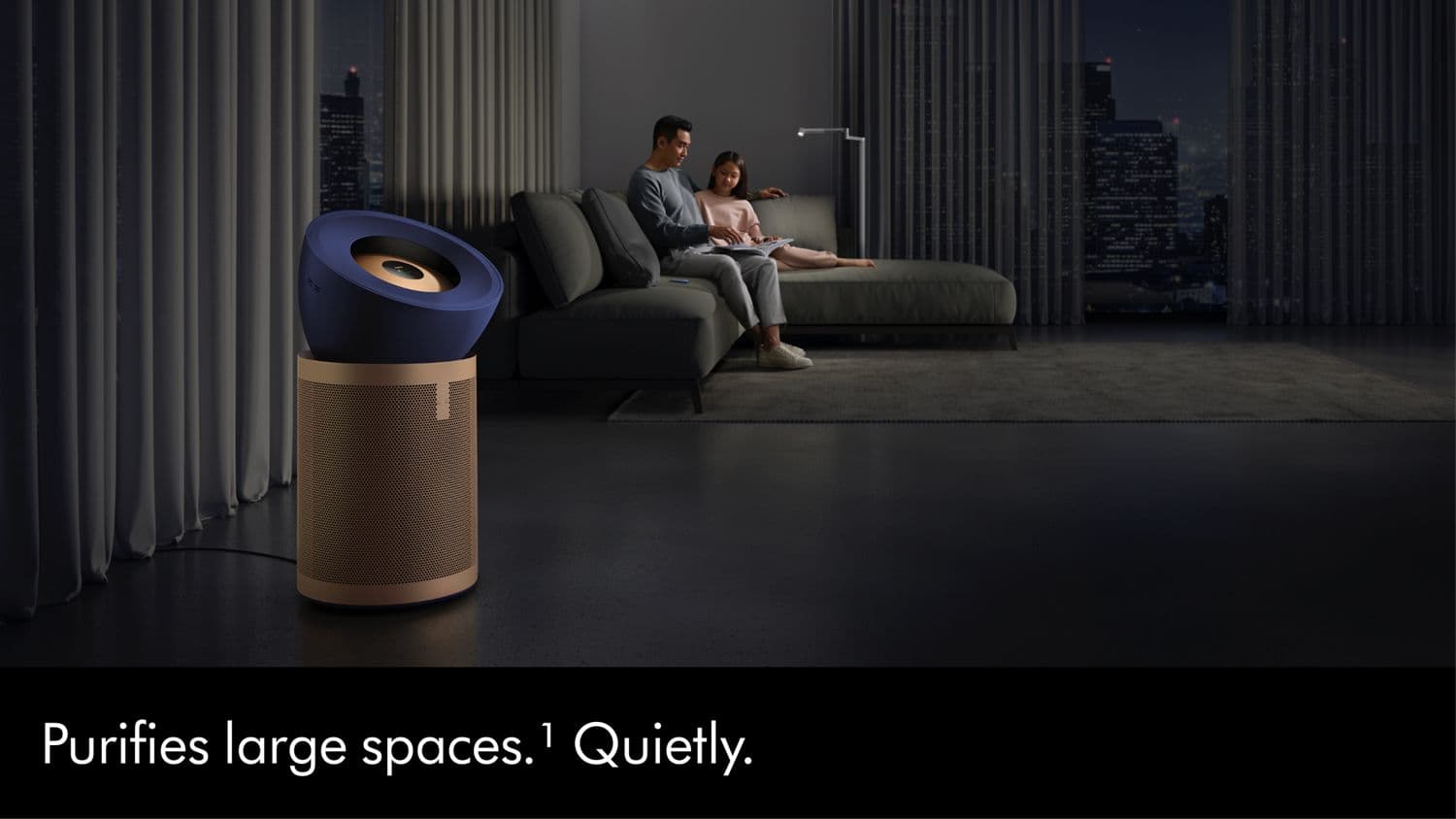
Projects purified air throughout rooms up to 1,076 sq ft at whisper-quiet levels — noticeably quieter than smaller Dyson models at equivalent airflow.
Experts unanimously praise the formaldehyde destruction and quiet operation. TechRadar calls it 'big, quiet, powerful and pricey.' Community flags the premium price but acknowledges best-in-class performance. Reviewed.com and Ideal Home both highlight the whisper-quiet operation as a standout.
Do you think Dyson Purifier Big Quiet Formaldehyde deserves the #1 spot in Best Air Purifiers?
“Earns its name — big, quiet, powerful and pricey. The formaldehyde-destroying filter is a genuine differentiator.”
“The Big and Quiet Formaldehyde is great — real-time air quality data feeds to the Dyson app, accurate within 5% of standalone monitors.”
“Dyson's quietest and most powerful air purifier — produces noticeably less sound at equivalent airflow than smaller models.”
“For large spaces only, but if that's your use case, nothing else comes close to this combination of purification and quiet operation.”
Watch
Hand-picked from creators we trust — playable inline.
The Truth About Dyson Air Purifiers - Comparison to Cheaper Options (v3)
Dyson Big+Quiet Formaldehyde Review - Is it Worth $1000?
Dyson Big and Quiet + Formaldehyde Air Purifier Review: The Best Air Purifier for VOCs?
Dyson Purifier Big+Quiet Formaldehyde BP03 Extra Large #dyson #airpurifier #amazon #home
Review: Dyson Big + Quiet Formaldehyde purifier
Dyson Big and Quiet Formaldehyde Air Purifier Review - A Breath of Fresh Air!
See how other top picks compare in this category.
Smoke is blanketing the western US again. An air purifier helps more than you'd think — but only if you buy for Smoke CADR and true HEPA, and ignore the ionizer hype.
Dyson logos and 99.99% stickers are the wrong first question. Bedroom-quiet vs living-room CADR vs open-plan is the room job. Then shop Gavler's live ranking.
Dyson, Blueair, Coway, Levoit, IQAir. Gavler's community ranks the air purifiers worth buying for allergies, wildfire smoke, and everyday indoor air.