Bosch GSR18V-400B12.
Bosch's compact successor delivers 400 in-lbs torque in a 6.3-inch body with brushless efficiency. The best precision drill for tight spaces.
The Verdict.
Gavler Meta-Score
“The lightest real drill in this group at under two pounds bare, and the one to pick when fatigue and access matter more than force. But TechGearLab could not get it to finish a lag screw and scored its driving 4.9 out of 10 — this is a precision tool, and buying it for heavy fastening will disappoint. At $119 for the kit with a battery, it is honest value for what it actually is.”
The Gavler Verdict
The Gavler Review.
Bosch GSR18V-400B12 Review: The Lightest Drill Here, With a Real Ceiling
The Bosch GSR18V-400B12 ranks 9th on Gavler's Best Power Drills list with an 8.4, and it earns that spot on a single, honest premise: it is the lightest real drill in the field, built for the buyer who fights fatigue and tight access more than raw torque. Bosch advertises it at under two pounds bare, and TechGearLab — the only outlet we could find that has put it on instruments — bored through a door with a hole saw in 56 seconds flat. The trade-off is just as documented: the same test could not get it to finish driving a lag screw. This is a precision tool wearing a compact drill's body, and buying it expecting a framing drill's muscle is where the disappointment starts.
What it is
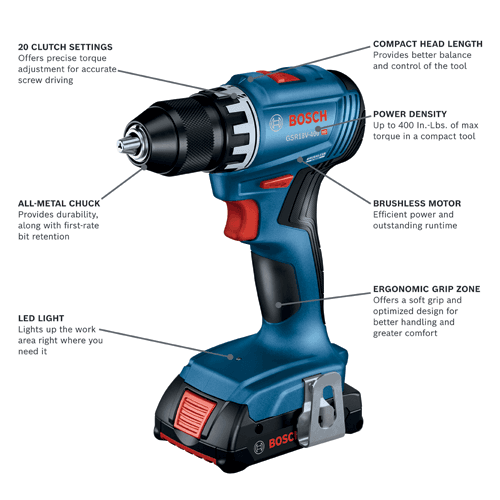
Bosch built the GSR18V-400B12 around one number: 400 in-lbs of max torque from a tool the company advertises at under two pounds. The bare tool measures 1.95 lbs and 6.3 inches long, with a 1/2-inch all-metal keyless chuck, a brushless motor, 20 clutch settings, and two speeds — 0-500 and 0-1,900 RPM. The "B12" suffix denotes the kit configuration: one 2.0Ah battery, a charger, a belt clip, and a soft bag. Bosch also sells a two-battery version, the GSR18V-400B22, for buyers who want a spare on hand.
At $119, it undercuts most brushless compacts in this category, and the pitch is straightforward — cabinet installers, electricians, furniture assemblers, and anyone doing overhead fastening will feel the weight difference within the first hour of use. This is not a drill built to compete on torque; it's built to disappear in your hand.
In use
TechGearLab's numbers are the most useful data point here, because they're the only independent bench test this drill has received. In the low-speed, high-torque setting, it bored a hole through a door with a hole saw in 56 seconds — TechGearLab specifically noted that the high-speed setting "lacks the torque required to complete the task," which tells you where the usable power actually lives on this tool. That's a real, repeatable strength: fast, controlled boring when you stay in the right gear.
The ceiling shows up just as clearly. TechGearLab's testers ran a lag-screw driving test and reported the Bosch "was not able to completely drive a lag screw and tapped out with just over one and a half inches to go with the high torque setting." That translated to a 4.9-out-of-10 driving score and an 11th-of-22 overall placement in their test group — a middling result for a drill that's genuinely excellent at the narrower job it was built for.
The other complaint worth flagging is the chuck. TechGearLab's testers "were not fans of a strange jaw design that doesn't seem to add any holding improvements and makes it easier to inadvertently secure smaller bits at an angle or out of center." That's a real usability gripe, not a nitpick — an off-center bit is exactly the kind of small annoyance that compounds over a full day of detail work.
Strengths
- Genuinely the lightest drill in this class. At 1.95 lbs bare, the weight difference is felt immediately in overhead work, ladder work, and long sessions of repetitive fastening — this is the drill your wrist notices you're not fighting.
- Fast, controlled boring in the right gear. 56 seconds through a door with a hole saw on the low-speed setting is a legitimately strong result, and it's the number that should anchor expectations for what this tool does well.
- Compact head length. At 6.3 inches, it fits into cabinet interiors and tight stud bays that longer drills can't reach without an extension.
- 20-position clutch and two-speed gearing. For assembly and finish work, the fine control matters more than outright torque, and this drill has enough adjustment range to dial in delicate fastening without stripping screws.
The trade-offs — who should skip it
- Anyone buying it for heavy fastening. The lag-screw result is not a marginal miss — TechGearLab's testers got within an inch and a half and stalled. If your work regularly involves large lag bolts, structural screws, or repeated heavy-torque driving, this drill will disappoint you on the job, not just on a spec sheet.
- Buyers who want a second opinion before purchasing. This is the honest caveat in Gavler's own scoring: TechGearLab is the only outlet we could find that has bench-tested this specific model. Pro Tool Reviews, ToolGuyd, Tool Box Buzz, Tools In Action, and Consumer Reports have not published independent tests of it as of this review, so the score rests on one instrumented test plus Bosch's own published specifications rather than a multi-outlet consensus.
- Anyone bothered by an imprecise chuck. If you frequently swap small bits, the jaw design TechGearLab flagged is a real day-to-day annoyance, not a one-time observation.
How it compares
The closest sibling on Gavler's list is the Milwaukee M18 2801-20 Compact Drill, ranked 10th at $129. The Milwaukee is heavier at 3.4 lbs with its battery — nearly double the Bosch's bare weight — but it delivers 500 in-lbs of max torque against the Bosch's 400, and it buys into Milwaukee's larger M18 battery ecosystem, which matters if you already own M18 tools. Pro Tool Reviews, which bench-tested the Milwaukee, found its own torque underwhelming relative to spec — averaging 121 in-lbs in soft-torque testing against an expected 250 — so neither drill in this weight class is actually a heavy-fastening tool; they're both fundamentally lighter-duty compacts wearing bigger numbers on the box. The real difference between them is ecosystem and grams, not muscle: buy the Bosch for the lightest possible tool in your hand, buy the Milwaukee if you're already standardized on M18 batteries and can tolerate the extra weight.
The Gavler verdict
An 8.4 that reflects a drill doing one job — lightweight precision work — better than almost anything else in its price range, while being honest about a documented ceiling on heavy driving. TechGearLab's numbers back up both halves of that story: a 56-second hole-saw bore that shows real capability, and a lag screw the drill couldn't finish that shows exactly where the limit sits. At $119 for a kit with a battery, charger, and bag, it's fair value for a tool that does what it claims — as long as what you need is access and control, not torque. Buy it for cabinetry, electrical, and overhead assembly work; buy something else if your projects regularly call for driving large fasteners into dense material.
Common Questions
For precision and access work, yes. It ranks 9th on Gavler's Best Power Drills list with an 8.4, and the case is weight: at 1.95 lbs bare, it's the lightest drill in the group, and TechGearLab bored a door hole with a hole saw in 56 seconds on the low-speed, high-torque setting. It's a poor fit for heavy fastening — the same test found it couldn't finish driving a lag screw.
Not reliably. TechGearLab, the only outlet to have bench-tested this model, reported that it 'was not able to completely drive a lag screw and tapped out with just over one and a half inches to go with the high torque setting.' At 400 in-lbs max torque, it's built for cabinetry, electrical, and assembly work — not framing or heavy structural fastening.
Buy the Bosch if weight and compactness are the priority — at 1.95 lbs bare it's roughly half the Milwaukee's 3.4-lb (with battery) weight, though the Milwaukee edges it on paper with 500 in-lbs of max torque against the Bosch's 400. Buy the Milwaukee if you want the lowest-cost entry into the M18 battery platform and don't mind the extra weight; buy the Bosch if fatigue and overhead access matter more than raw driving power or ecosystem lock-in.
Where to Buy.
Prices checked regularly
90-day price history
Price History
Steady at $119 for the entire 90-day tracking window — no increases, no discounts, across 91 tracked days.
Tracked daily across retailers. Vote Want itabove and we’ll alert you the moment the price drops.
Some links are affiliate links — Gavler may earn a commission. This never affects rankings or scores. Learn more.
Precision Engineering
1.95 lbs Bare — 400 in-lbs
Bosch's own framing: up to 400 in-lbs of torque from less than 2 lbs of tool. The lightest drill on this list by a clear margin.
6.3-Inch Head, All-Metal Chuck
A 1/2-inch all-metal keyless chuck in a 6.3-inch body. TechGearLab's testers criticized the jaw design for letting small bits seat off-center.
20-Position Clutch, 2 Speeds
0-500 and 0-1,900 RPM with 20 clutch settings — the fine control that makes it a cabinetry and assembly tool rather than a framing one.
Technical Specifications
The Scoreboard
The 8.4 reflects excellent weight-to-torque and compactness against a documented ceiling on heavy driving. Transparency note: TechGearLab is the only outlet we could find that has bench-tested this model — Pro Tool Reviews, ToolGuyd, Tool Box Buzz, Tools In Action and Consumer Reports have not — so the score rests on one instrumented test plus Bosch's published specifications rather than a consensus.
Cast Your Vote
Do you think Bosch GSR18V-400B12 deserves the #9 spot in Best Power Drills?
Global Critique
“It only required 56 seconds to bore a hole through a door using a hole saw, which it did in the low-speed, high-torque setting, as the high-speed setting lacks the torque required to complete the task.”
“Unfortunately, the Bosch 18V Compact was not able to completely drive a lag screw and tapped out with just over one and a half inches to go with the high torque setting.”
“Our testers were not fans of a strange jaw design that doesn't seem to add any holding improvements and makes it easier to inadvertently secure smaller bits at an angle or out of center.”
“It's not quite the torque monster some heavy-duty users might want, but it shines for quick tasks where portability, comfort, and precision matter more than raw strength.”
More from Best Power Drills.
See how other top picks compare in this category.
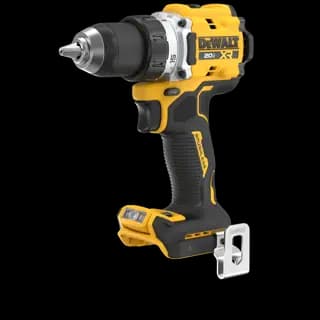
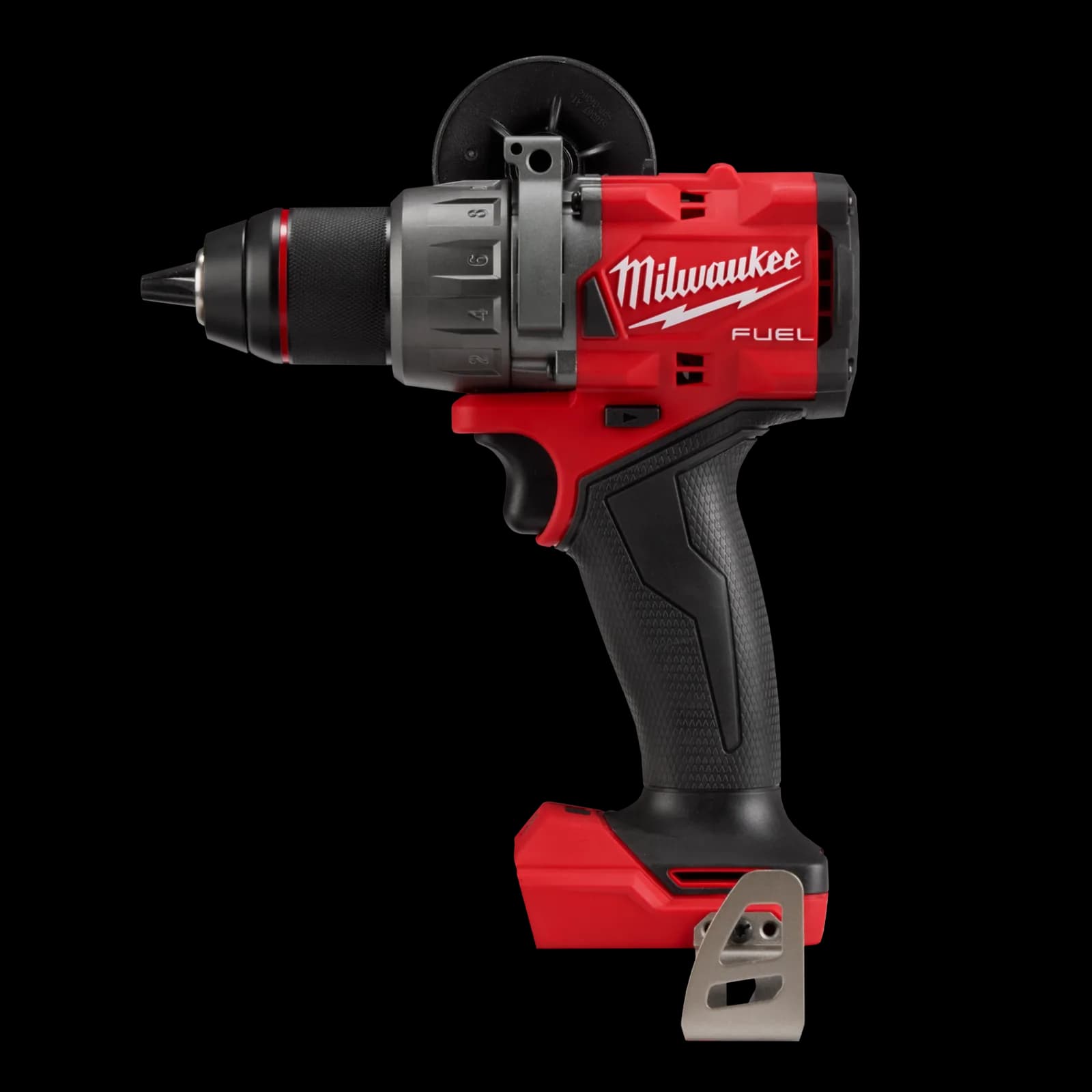
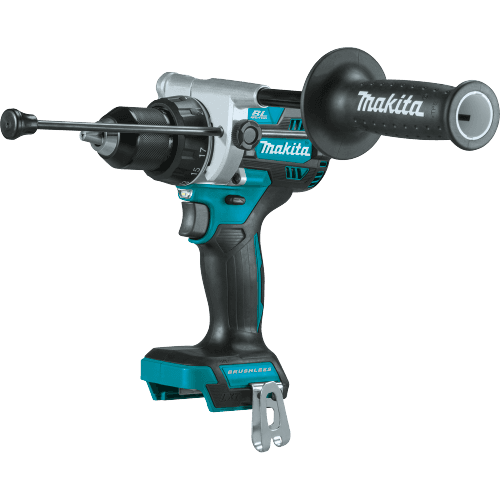
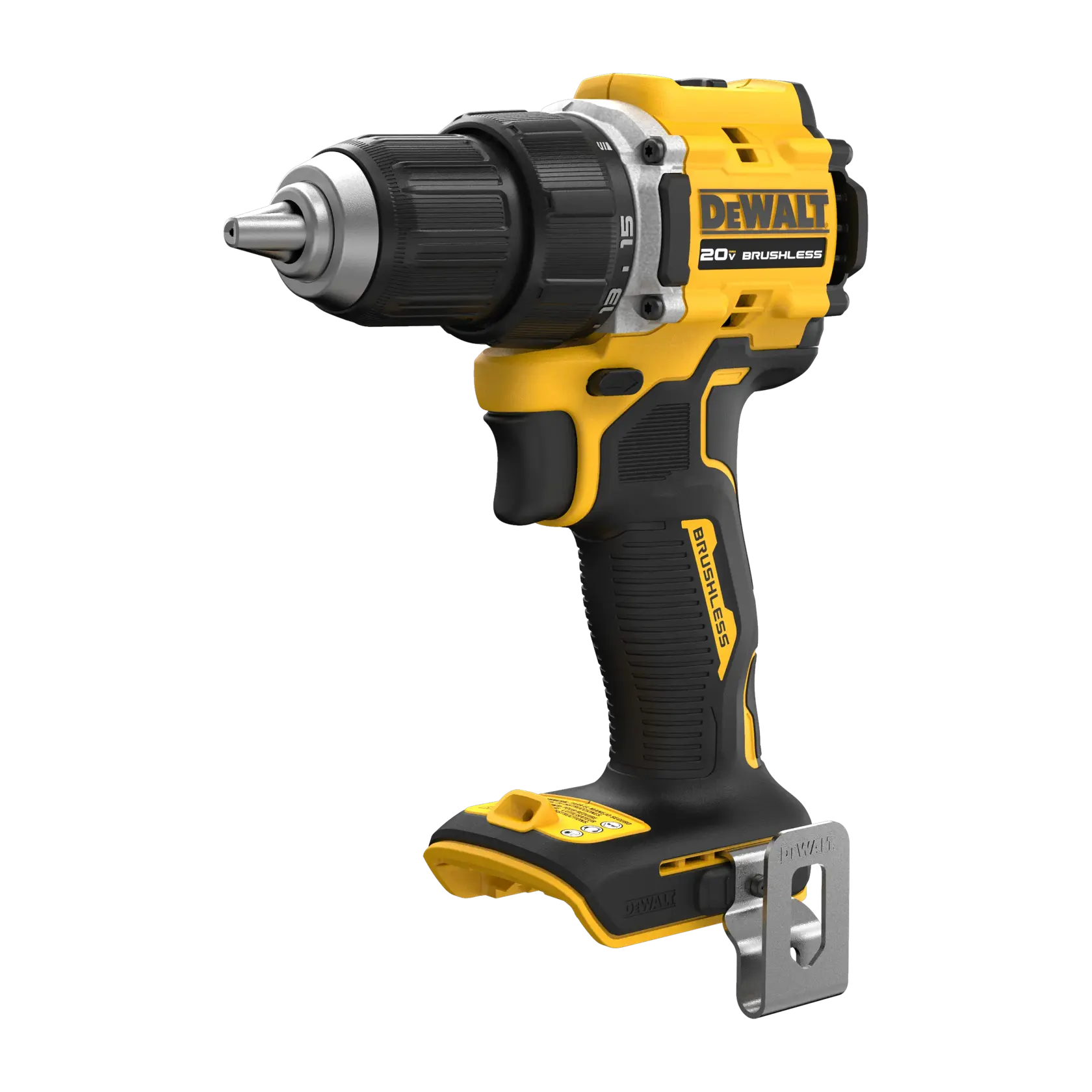
Compact, Hammer, or Jobsite — What Drill Do You Need?
A torque hangtag and a 20V sticker are the wrong first question. Compact cordless vs hammer vs brushless jobsite vs budget is the tool. Shop Gavler's live ranking.
The Best Tech Gifts for Dads in 2026, by What He'll Actually Use
Six Father's Day tech gifts pulled from Gavler's community-ranked lists. Six categories, six price points, zero gadgets that end up in a drawer.
The Best Power Drills in 2026, Ranked by People Who Actually Build Things
DeWalt, Milwaukee, Makita, Bosch, Ryobi. Gavler ranks the cordless drills worth owning in 2026 — for pros, DIYers, and tight-budget builds.