The Verdict
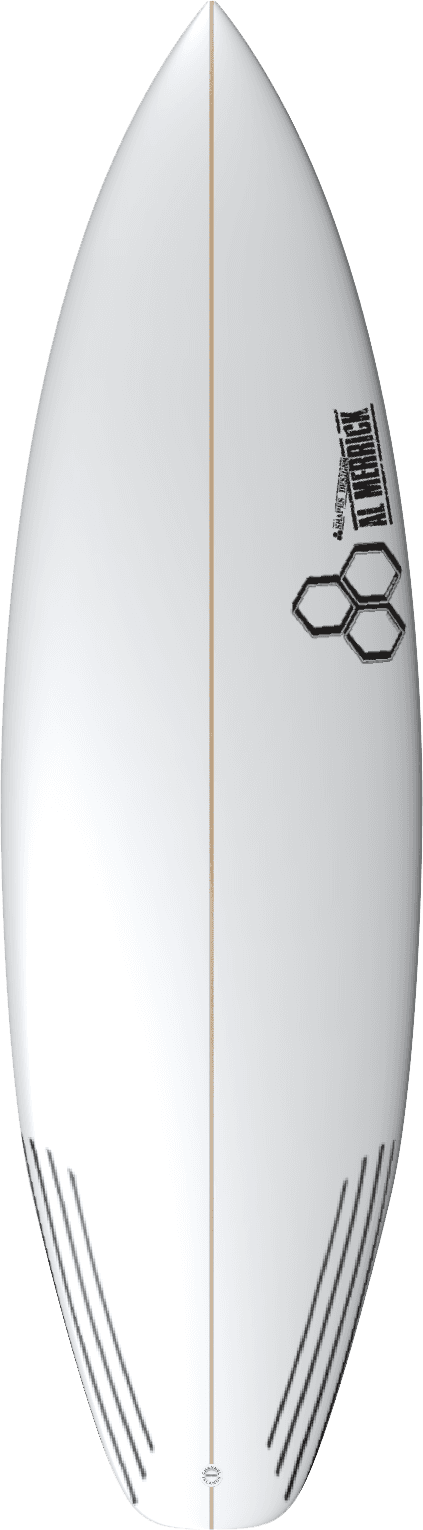
“Al Merrick's Sampler blends the Biscuit's paddle power with a refined tail rocker for above-the-lip surfing. The squash tail and subtle hip keep it loose in the pocket while the fuller outline paddles into everything.”
15% STABLE
High-performance shortboards, fun-shape hybrids, and beginner foam boards — shaped for every wave and skill level.

“Al Merrick's Sampler blends the Biscuit's paddle power with a refined tail rocker for above-the-lip surfing. The squash tail and subtle hip keep it loose in the pocket while the fuller outline paddles into everything.”
15% STABLE

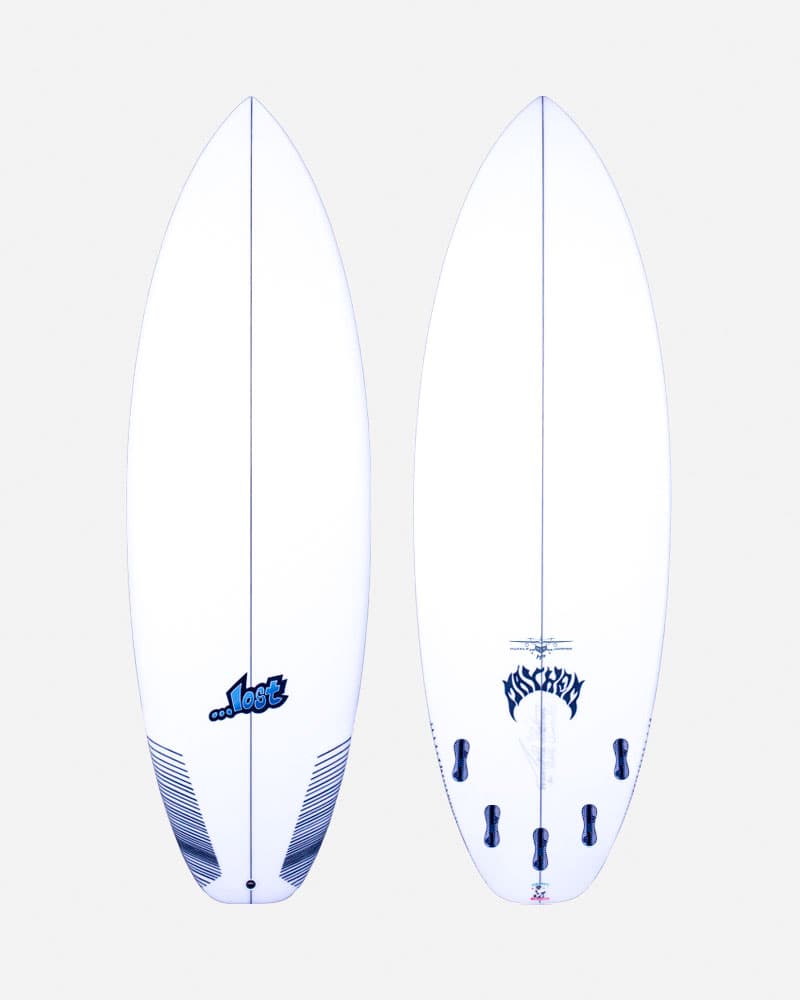
“Matt Biolos refined the original Puddle Jumper with a pulled-in nose and performance tail rocker for more vertical surfing. It catches waves like a fish but surfs rail-to-rail like a proper shortboard.”
13% STABLE

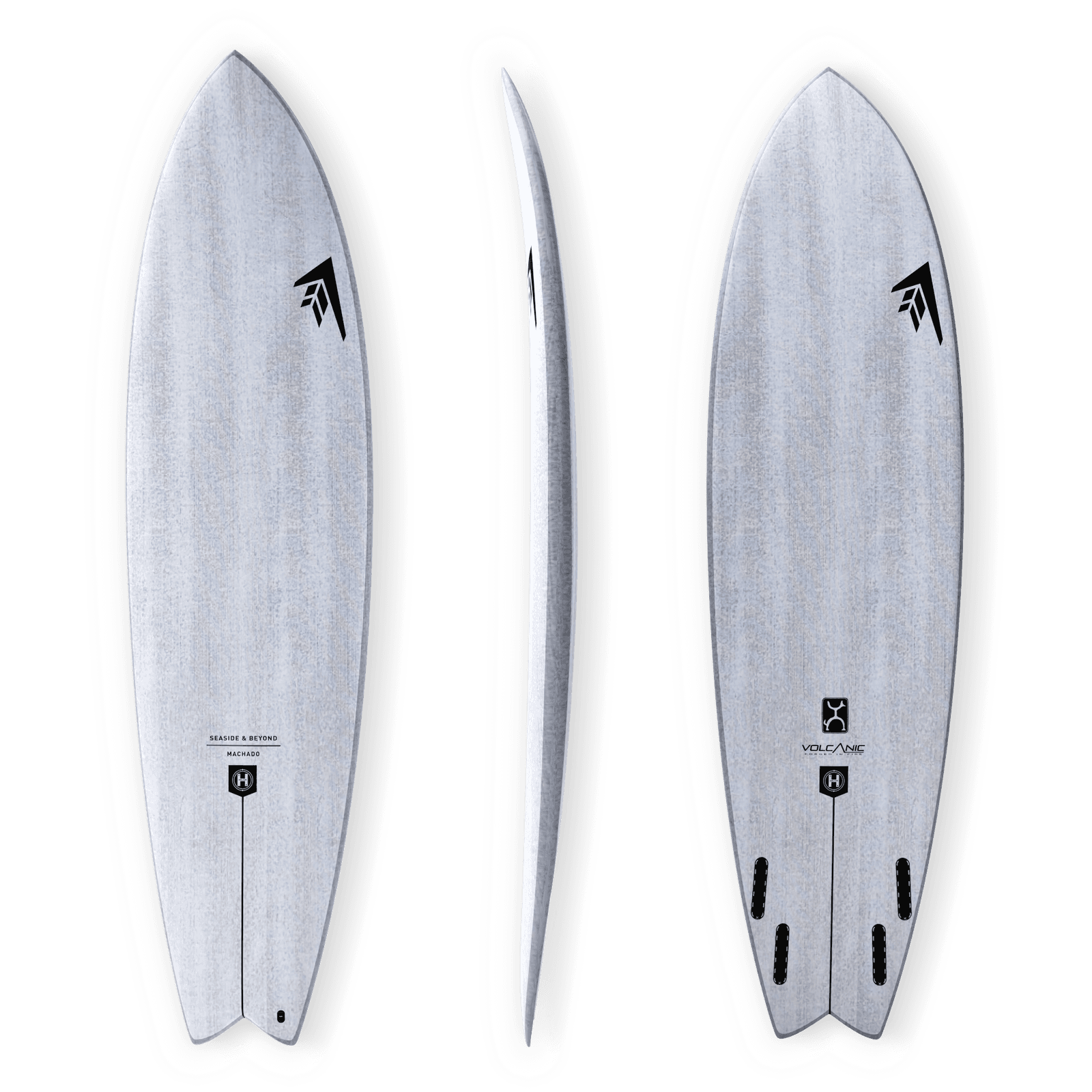
“Dan Mann's Seaside gets the 'Beyond' treatment with added length and a five-fin convertible setup. Firewire's Helium construction keeps it featherweight while adding the durability that PU boards can't match.”
11% STABLE

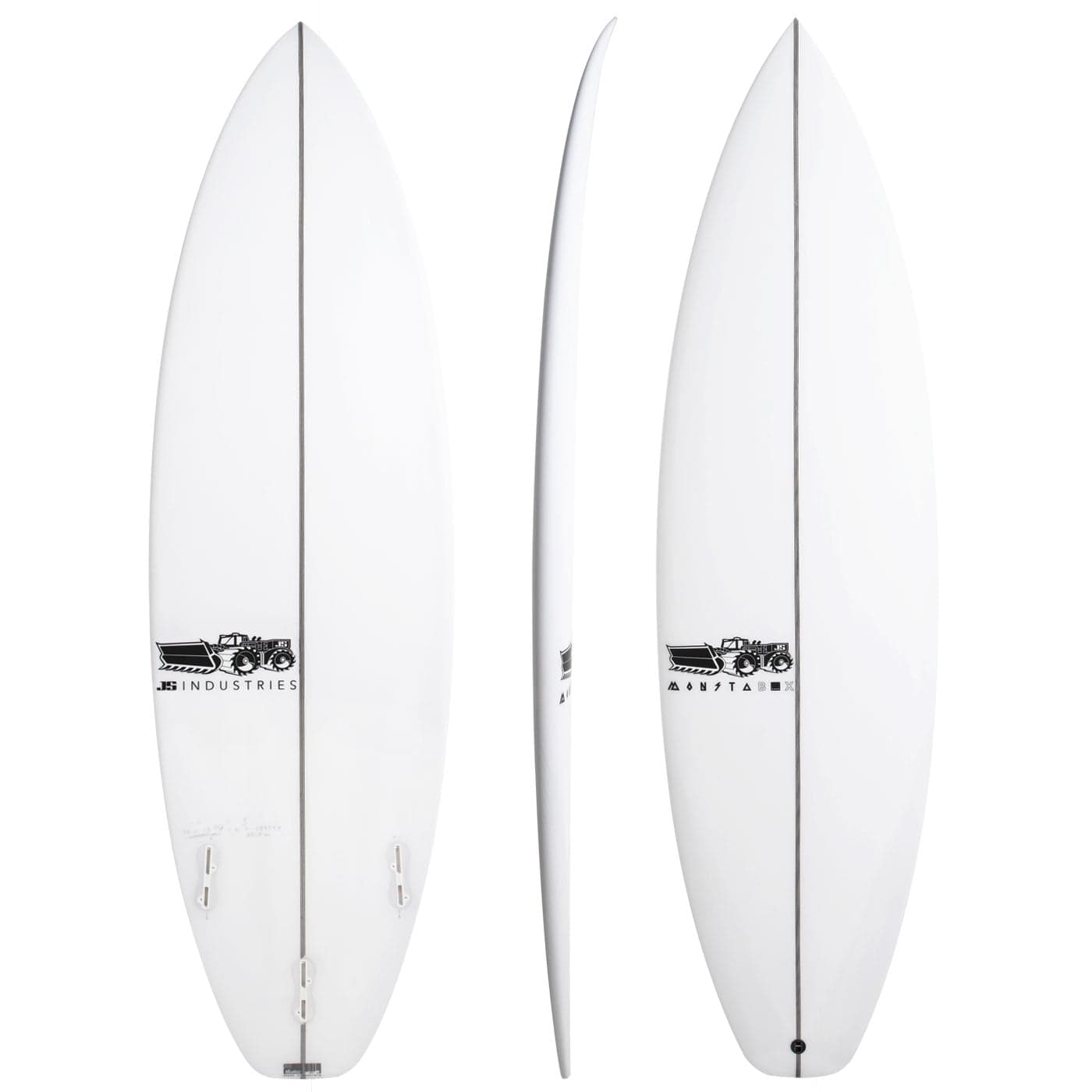
“Jason Stevenson's Monsta Box pairs a flat deck with a vee-to-concave bottom, giving it drive through flat sections where most hybrids stall. The swallow tail adds hold in hollow waves up to head-high.”
10% STABLE

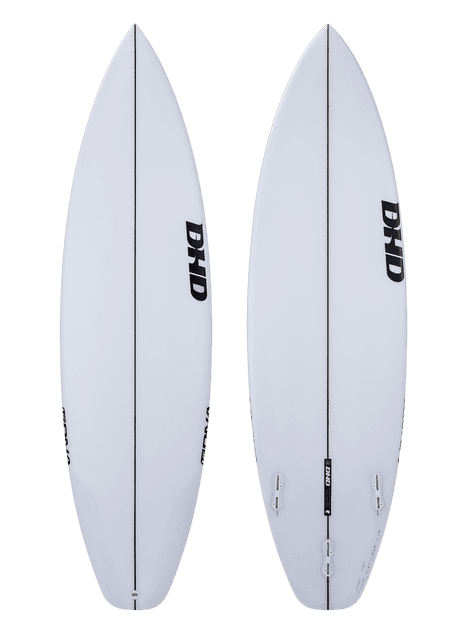
“Darren Handley's design for Mick Fanning — a pure performance shortboard with single-to-double concave and medium rocker. Three world titles were won on variations of this template, and the DNA distills it to its essence.”
12% STABLE

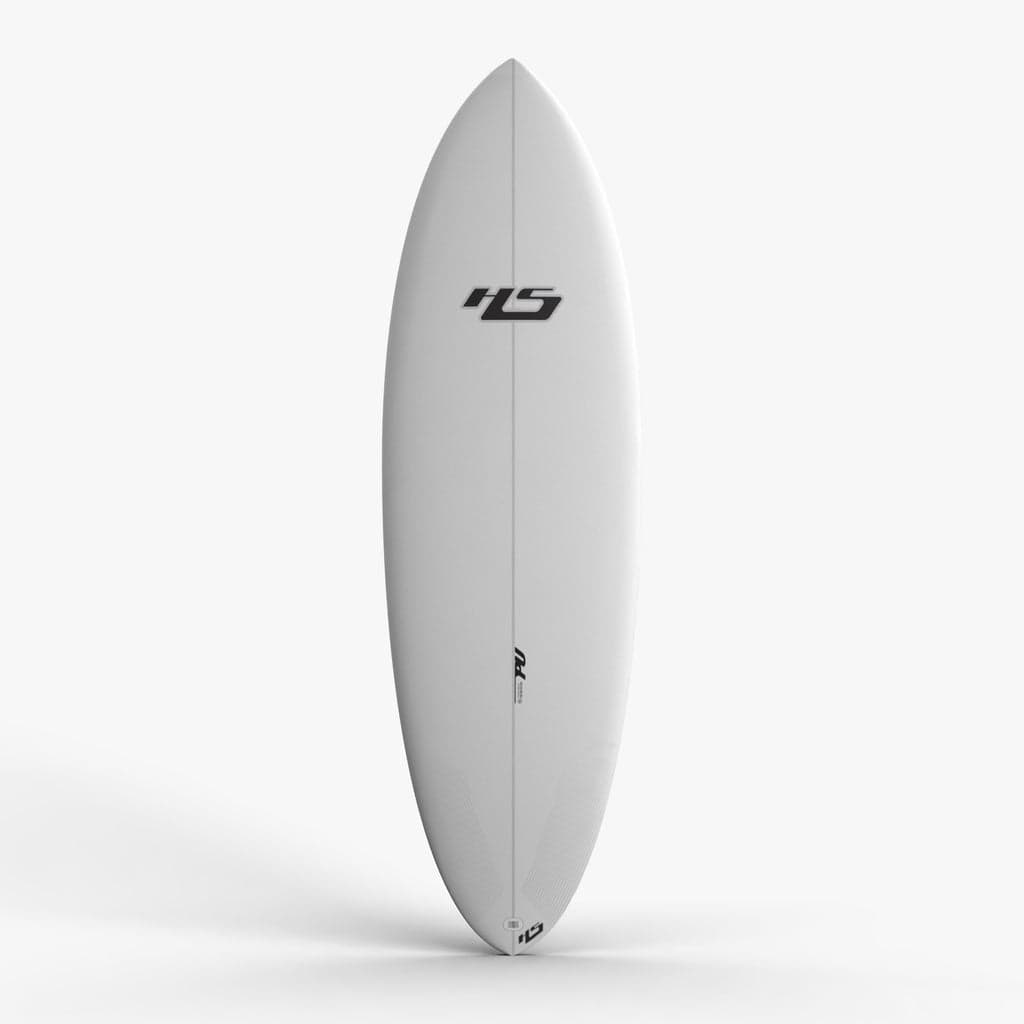
“The Hypto Krypto's round tail and generous volume make it the crossover board that surfers of all levels gravitate toward. FutureFlex construction gives it a lively flex pattern that traditional PU can't replicate.”
9% STABLE

“Album's asymmetrical design gives different rail curves for frontside and backside turns, matching how your body actually rotates. It's a conversation starter in the lineup and genuinely changes how you approach waves.”
8% STABLE

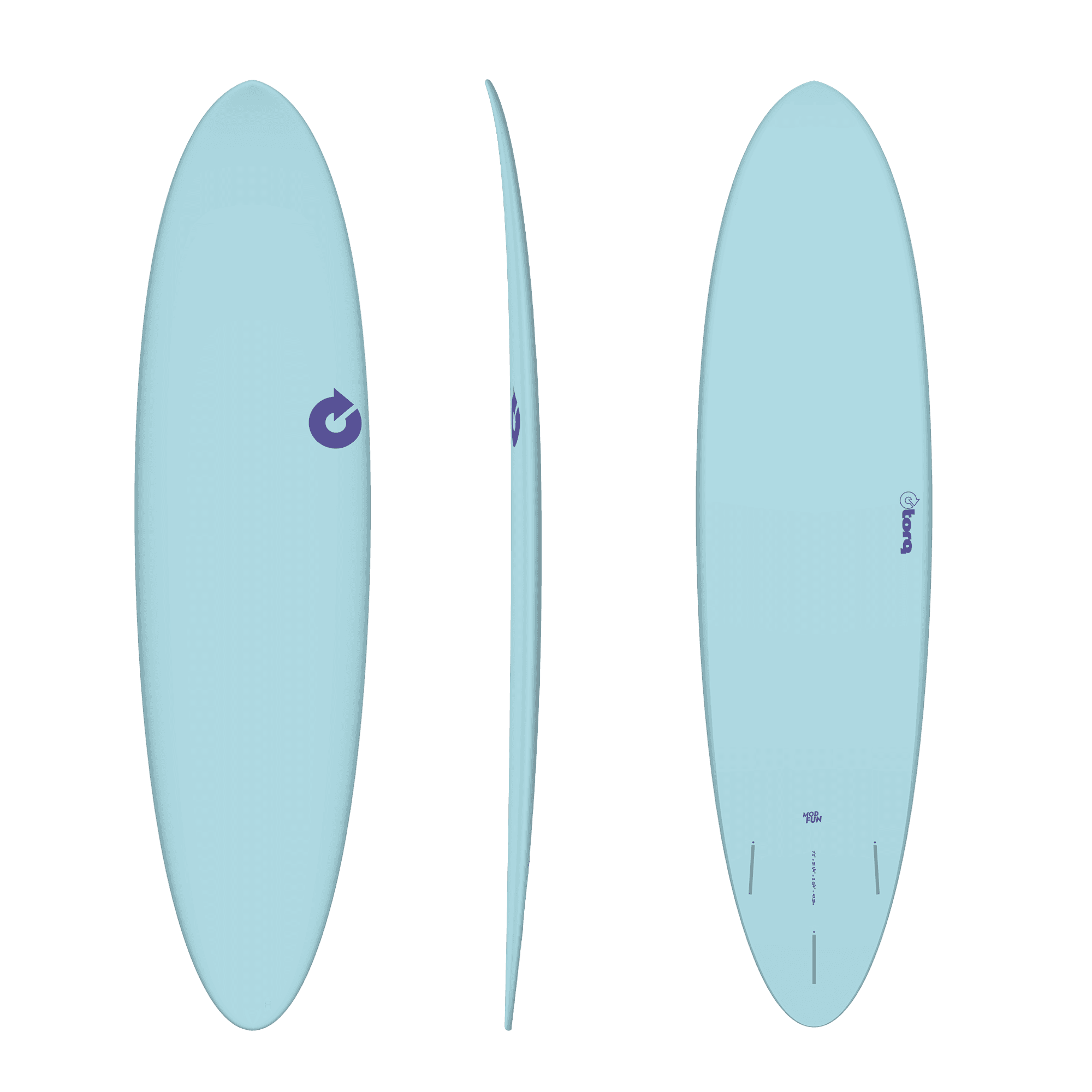
“Torq's Tec Epoxy Technology wraps an EPS core in a virtually indestructible shell that shrugs off dings. The Mod Fun shape is the ideal progression board — enough rocker to duck dive, enough volume to catch everything.”
9% STABLE

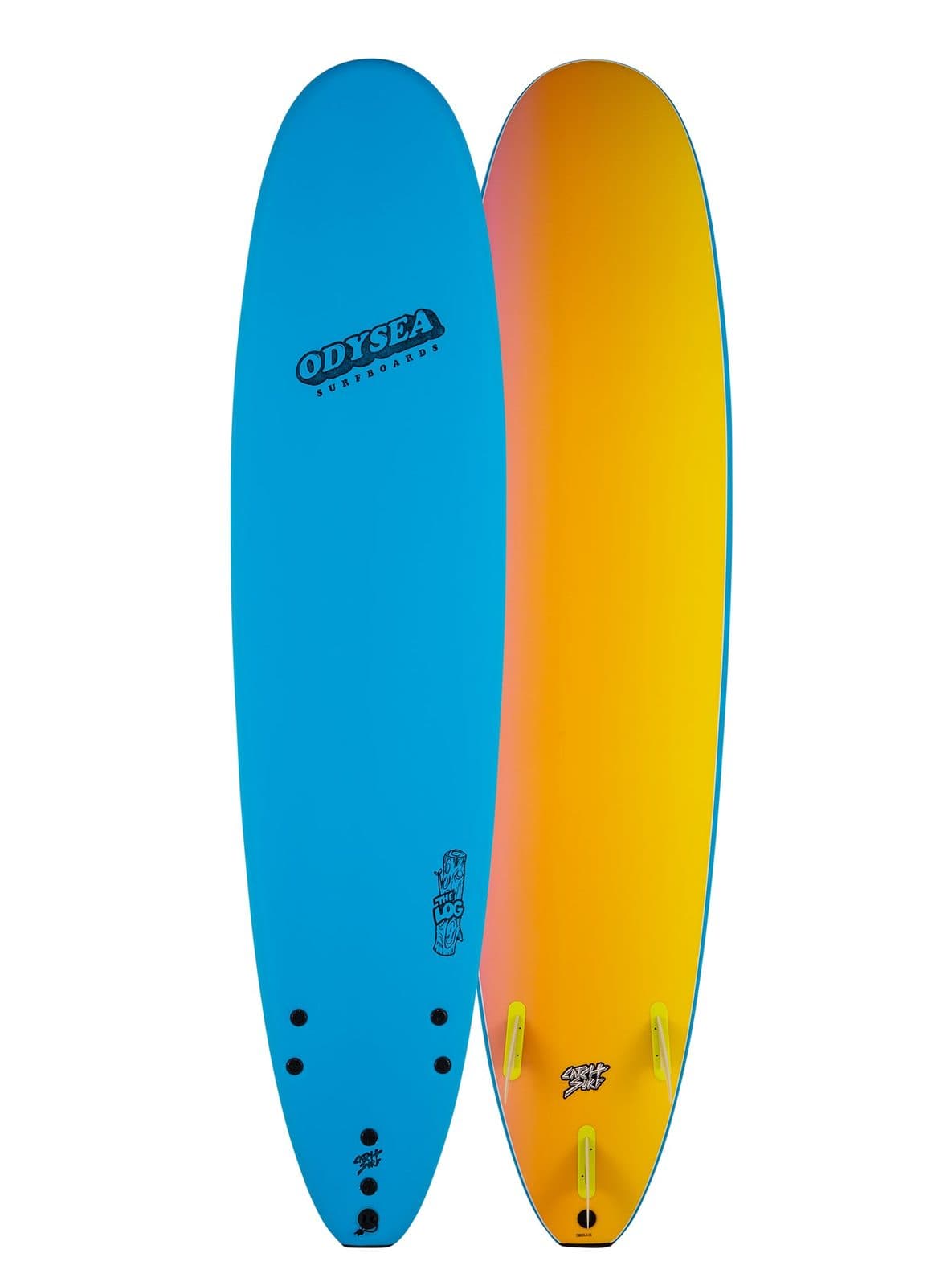
“The Odysea Log turns any day into a fun session — soft-top construction means no wax, no dings, and no stress. Its tri-fin setup and forgiving rocker make it the best board for introducing friends to surfing.”
7% STABLE
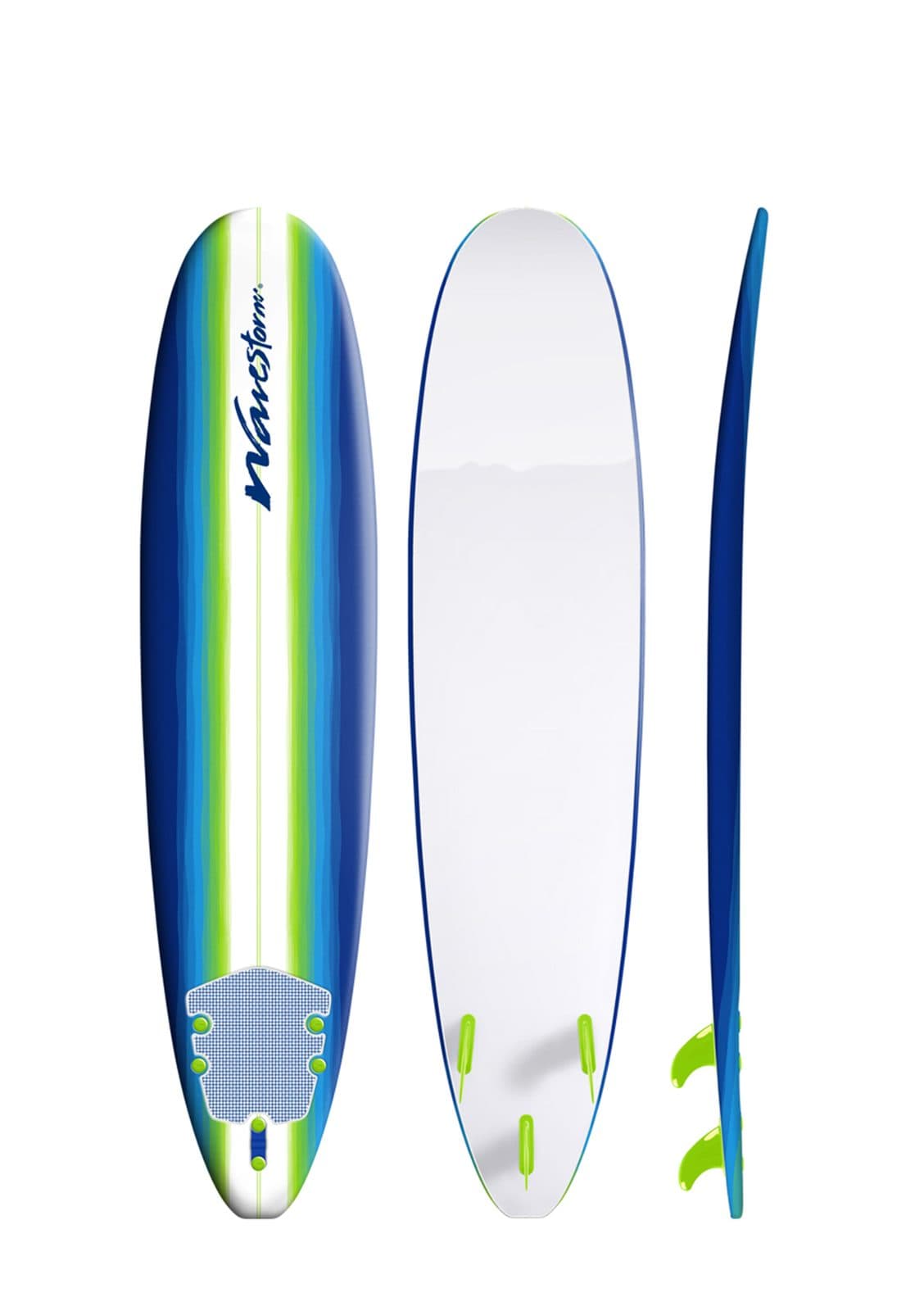
“The Costco legend that launched a million surf careers — the Wavestorm's soft foam and stable 8-foot platform make it nearly impossible not to stand up. At under $200, it's the most fun-per-dollar in surfing.”
6% STABLE
Beginners belong on soft-tops, not hard shortboards. The Catch Surf Odysea Log (8'0") and Wavestorm 8' Classic deliver the volume, stability, and durability you need to actually catch waves and learn pop-up timing. Don't start on a performance shortboard like the Channel Islands Sampler or Lost Puddle Jumper HP — you'll spend more time swimming than surfing for the first 6-12 months. After ~50 sessions on a foam board, step down to a longer 7'0"-7'6" mid-length or a high-volume shortboard like the Torq TET Mod Fun.
Volume (in liters, shown on every modern board) is the single biggest predictor of how easy a board paddles and catches waves. A rough starting formula for shortboards: body weight in kg × 0.35 for advanced surfers, × 0.40 for intermediate, × 0.50 for those still developing pop-up timing. For a 75 kg intermediate surfer, that's ~30L — putting most riders on the Hayden Shapes Hypto Krypto or Channel Islands Sampler at 30-32L. Add more volume for smaller waves, less for bigger or faster surf. Volume is more important than length.
PU/polyester (Channel Islands Sampler, Lost Puddle Jumper HP, JS Monsta Box, DHD MF DNA) is the traditional dense foam with polyester resin — heavier, more responsive feel, but yellows and dings easily. EPS/epoxy (Firewire Seaside & Beyond, Torq TET Mod Fun) uses lighter beaded foam with epoxy resin — more durable, lighter, often livelier, but the feel under the feet is slightly different. Soft-tops (Catch Surf, Wavestorm) use EPS foam with a soft skin — most forgiving, near-indestructible, and they cost less. PU is the traditional pro choice; epoxy is winning the durability and travel game.
Most surfers function well with two boards: a daily driver in the 5'8"-6'2" range for chest-to-overhead surf (Channel Islands Sampler, Hayden Shapes Hypto Krypto), and a small-wave specialist a few inches shorter and wider with more volume (Lost Puddle Jumper HP, Firewire Seaside & Beyond). Add a third — a step-up shortboard like the JS Monsta Box or DHD MF DNA — only when you regularly surf head-high-plus surf. The Album Surf Disasym is a fourth-board quiver experiment for the curious; you do not need it. Quiver-building is a slow process, not a starting condition.
PU/polyester boards used regularly in average conditions last 3-5 years before deterioration (yellowing, lost flex, micro-fractures) makes them feel dead. EPS/epoxy boards last meaningfully longer — 5-8 years of regular use. The Torq TET Mod Fun and Catch Surf soft-tops are functionally indestructible for 10+ years of regular use, even with frequent travel. Pro surfers replace boards every 30-100 hours because they feel the loss of flex; recreational surfers can ignore that and ride a board until it breaks or feels lifeless.
Rankings combine expert review aggregation with community voting. Each board receives a Gavler Score (out of 10) based on professional reviews from Stab Magazine, The Inertia, Surfline, Surfer, Boardcave testing, and pro-shaper interviews evaluating wave range, paddling speed, control under speed, durability, and value-per-session. Community members cast one vote per list, so rankings reflect both expert testing and real-surfer preference across Channel Islands, Lost, Firewire, JS, DHD, Hayden Shapes, Album, Torq, Catch Surf, and Wavestorm.
Think a product deserves a spot on this list? Submit a formal proposal with documented specs and the community will review it.