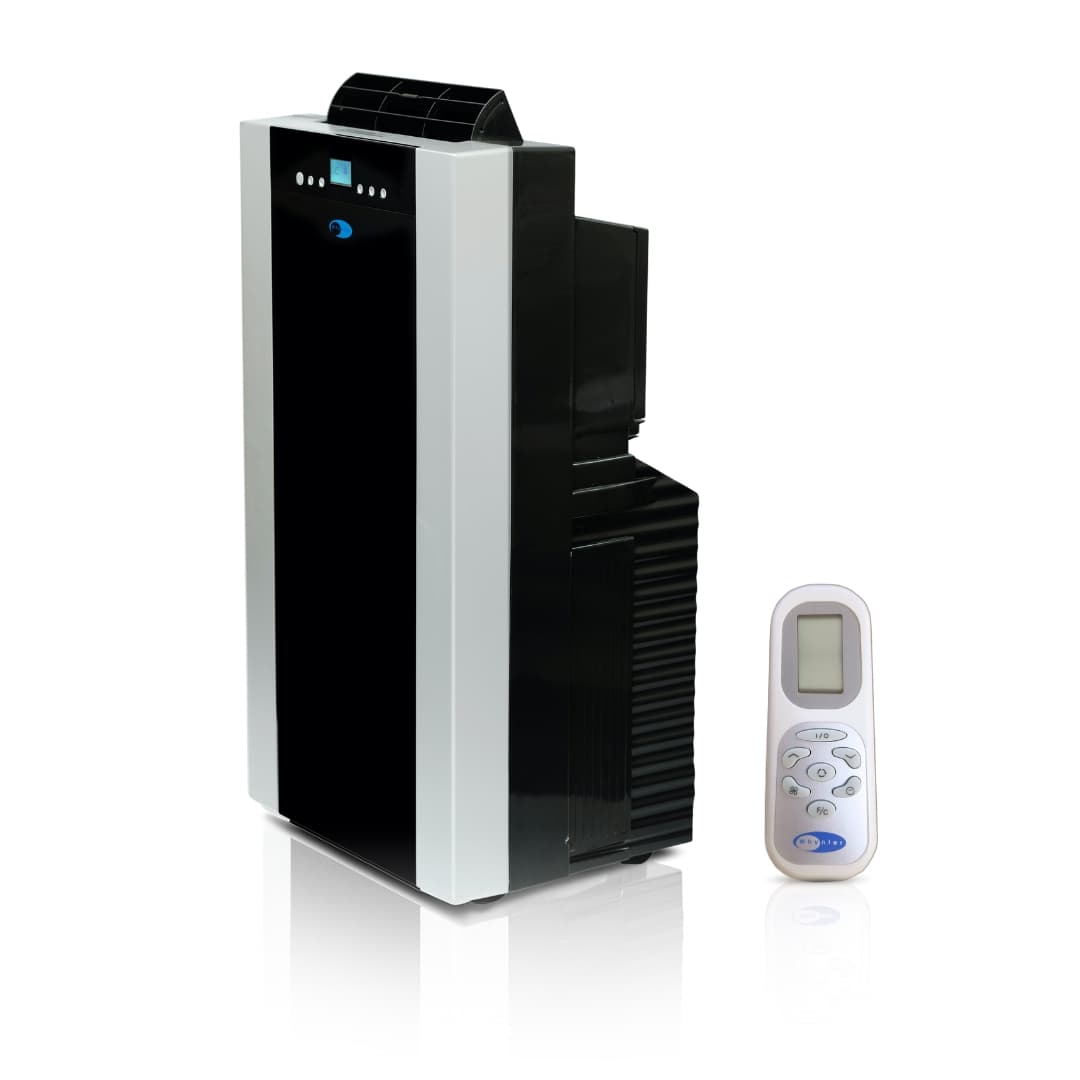
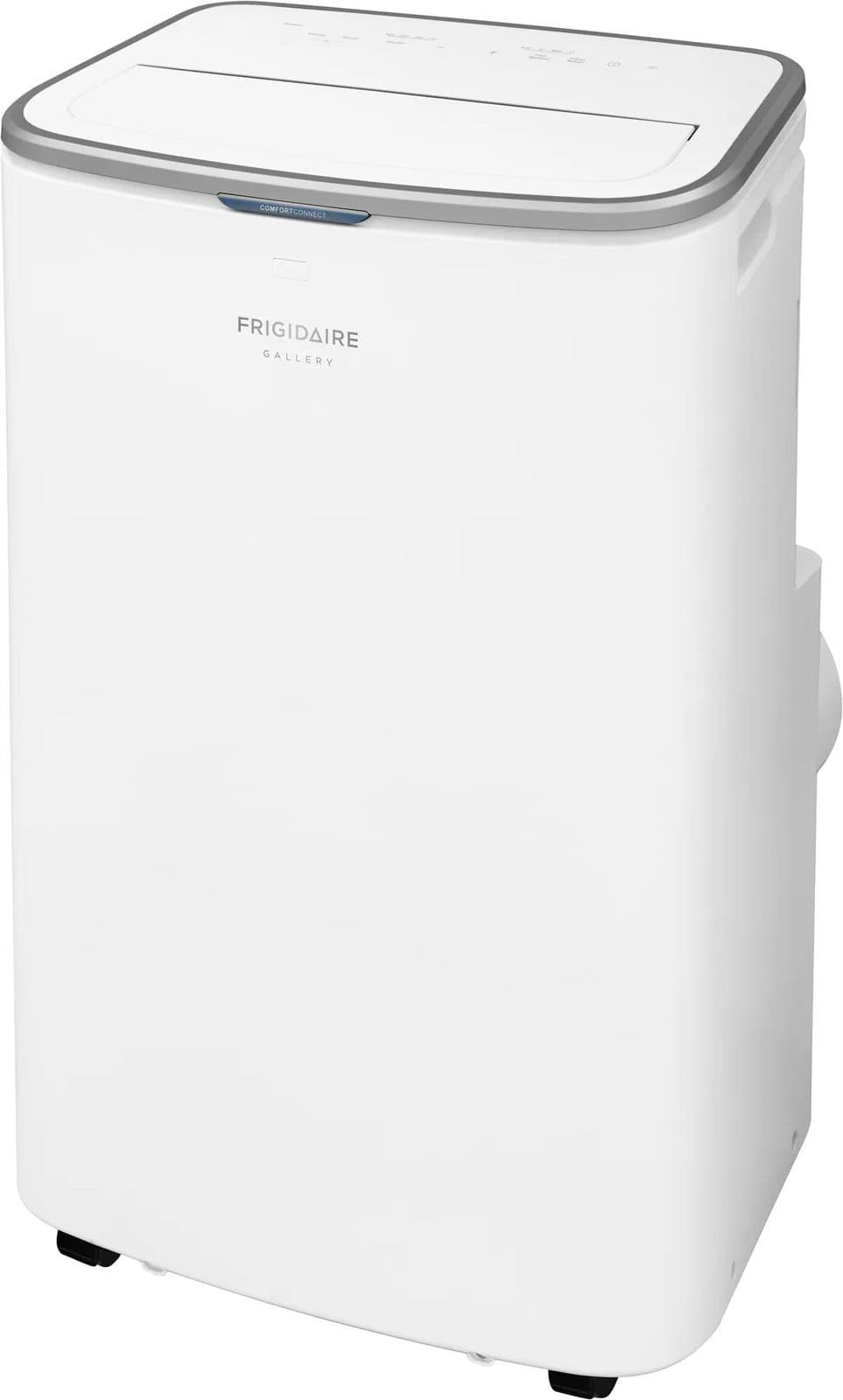
Whynter ARC-14S.
A fixed-speed dual-hose unit (a perennial Best Overall pick) that trades inverter efficiency for a lower price and a reputation for running for years — the best value in serious dual-hose cooling.
The Verdict.
Gavler Meta-Score
“The value workhorse. Real dual-hose performance at sub-inverter pricing, with a decade of best-overall mentions to back the longevity claim. Fixed-speed, so it is louder and less efficient than the inverter top picks — that is the trade.”
The Gavler Verdict
The Gavler Review.
Whynter ARC-14S Review: The Decade-Long Best Overall, Fixed-Speed and Proud of It
The Whynter ARC-14S ranks number 7 on Gavler's Best Portable Air Conditioners list with an 8.3. It's the value workhorse of the category — a fixed-speed dual-hose unit that has racked up Best Overall nods for the better part of a decade, most recently Good Housekeeping's 2025 award, by delivering real dual-hose cooling performance well under the price of the inverter-compressor flagships that now sit above it on this list. The catch is exactly what you'd expect from older, proven fixed-speed technology: it's louder and less efficient than the newer competition, and it doesn't hide that trade-off.
What it is
The ARC-14S is rated 14,000 BTU ASHRAE / 9,500 BTU SACC, with dual-hose cooling rated to roughly 500 square feet. Unlike the Midea Duo and Whynter's own NEX ARC-1230WN above it on this list, it runs a fixed-speed rather than inverter-driven compressor — the older, simpler, and cheaper-to-build technology that cycles fully on and off rather than modulating output continuously. That's the core reason it costs meaningfully less than the inverter tier while still delivering genuine dual-hose efficiency advantages over single-hose budget units.
It ships with the category-standard 3-in-1 feature set — cooling, dehumidifying, and fan modes — plus a replaceable activated carbon filter. At over 80 lbs, it's also one of the heavier units in this size class, a direct consequence of the fixed-speed compressor and the more robust build that has helped it earn a reputation for running for years rather than one or two summers.
In use
An independent testing and review outlet that put the unit through structured evaluation — cooling capacity, noise, installation, and running cost — landed on an 83/100 overall score and characterized it plainly: "a strong buy for someone who wants serious cooling power for one main room and values the efficiency advantage of a dual-hose portable AC." That same testing measured 51 dBA at low fan speed, describing it as "enough to put it in the bedroom conversation" for people who tolerate steady white-noise-style sound, while being direct that "for light sleepers or anyone sharing a very quiet room, the noise trade-off matters as much as the cooling power."
The built-in dehumidifier reaches a rated 71 pints per day with auto-drain, which the same review called "a real bonus... not a throwaway extra" in humid climates. Installation was rated favorably too, with the included window kit, hoses, filters, and storage bag getting most standard windows up and running without extra hardware — though the review flagged that "unusual windows can still complicate the job," a fair caveat for any portable AC's included kit.
Strengths
The core selling point — real dual-hose performance at a price below the inverter tier — holds up under scrutiny. RTINGS' comparative testing across the portable AC category has repeatedly placed dual-hose designs like this one ahead of single-hose competitors on efficiency, and the ARC-14S's award history (2025 Good Housekeeping Best Overall, a 2024 TIME Stamped nod for Best Technological Portable AC) reflects a genuinely durable reputation rather than a one-year marketing push. The dehumidifier capacity is also a real strength for buyers in humid climates who want one appliance handling both jobs.
The trade-offs — who should skip it
The fixed-speed compressor is the honest trade-off, not a hidden flaw — it's louder and less power-efficient than the Midea Duo and Whynter's own NEX ARC-1230WN, both of which use inverter compressors and rank above the ARC-14S on this list specifically for that reason. The gap between its 14,000 BTU ASHRAE headline and its 9,500 BTU SACC rating is worth internalizing before you buy: SACC is the more realistic real-world cooling figure, and it means this unit performs best within its stated ~500 sq ft range rather than as a stretch pick for a larger space. At over 80 lbs, it's also not the unit you want to move between rooms regularly — plan on placing it once per season and leaving it there.
How it compares
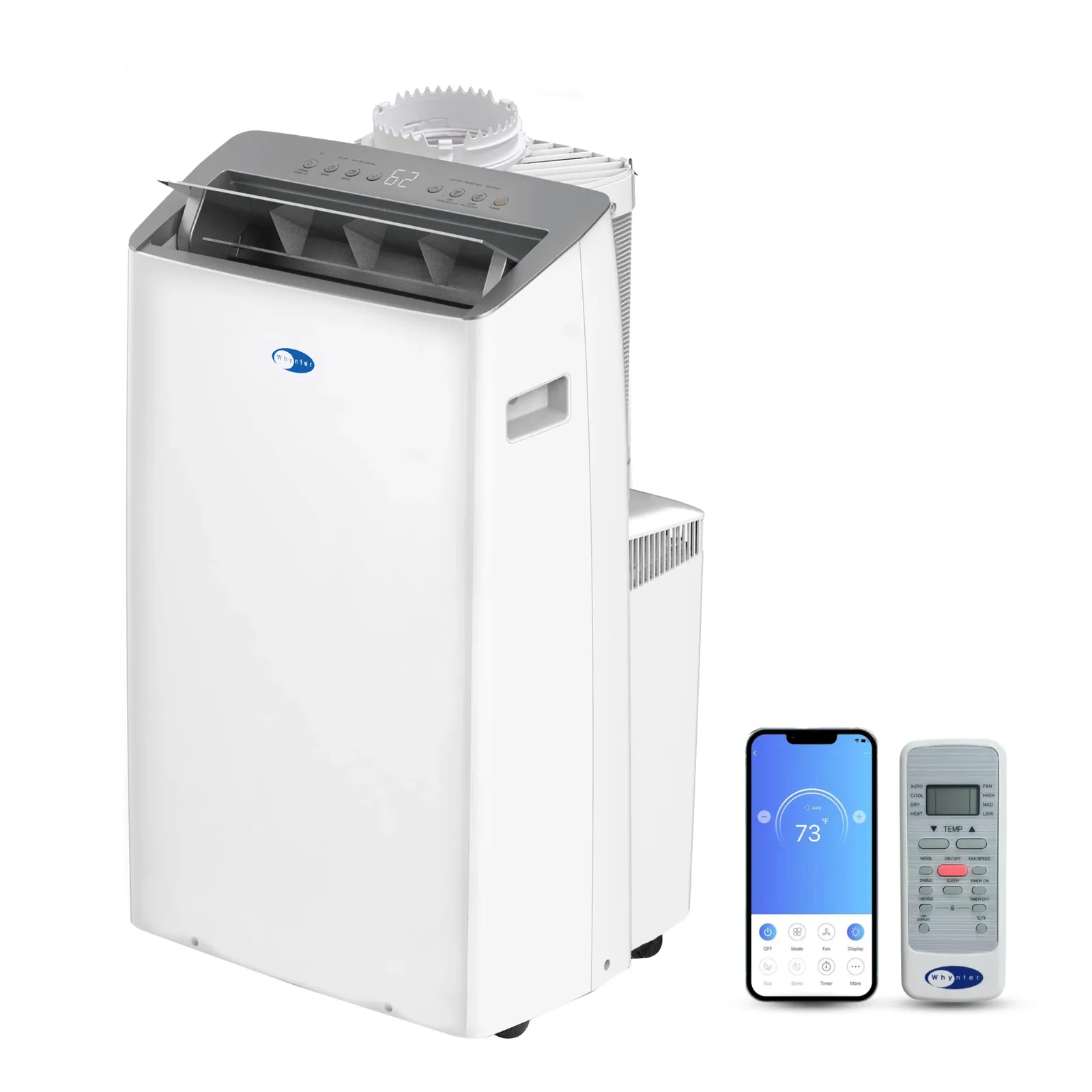
The clearest upgrade path on this list is the Whynter NEX ARC-1230WN, ranked number 2 at 9.3 — the same brand's inverter-compressor flagship, rated to a larger 600 square feet with quieter, more efficient operation for a roughly $100 premium. If budget allows, it's the newer-technology version of the same brand promise: buy it if efficiency and quiet operation over years of daily use matter more to you than upfront price.
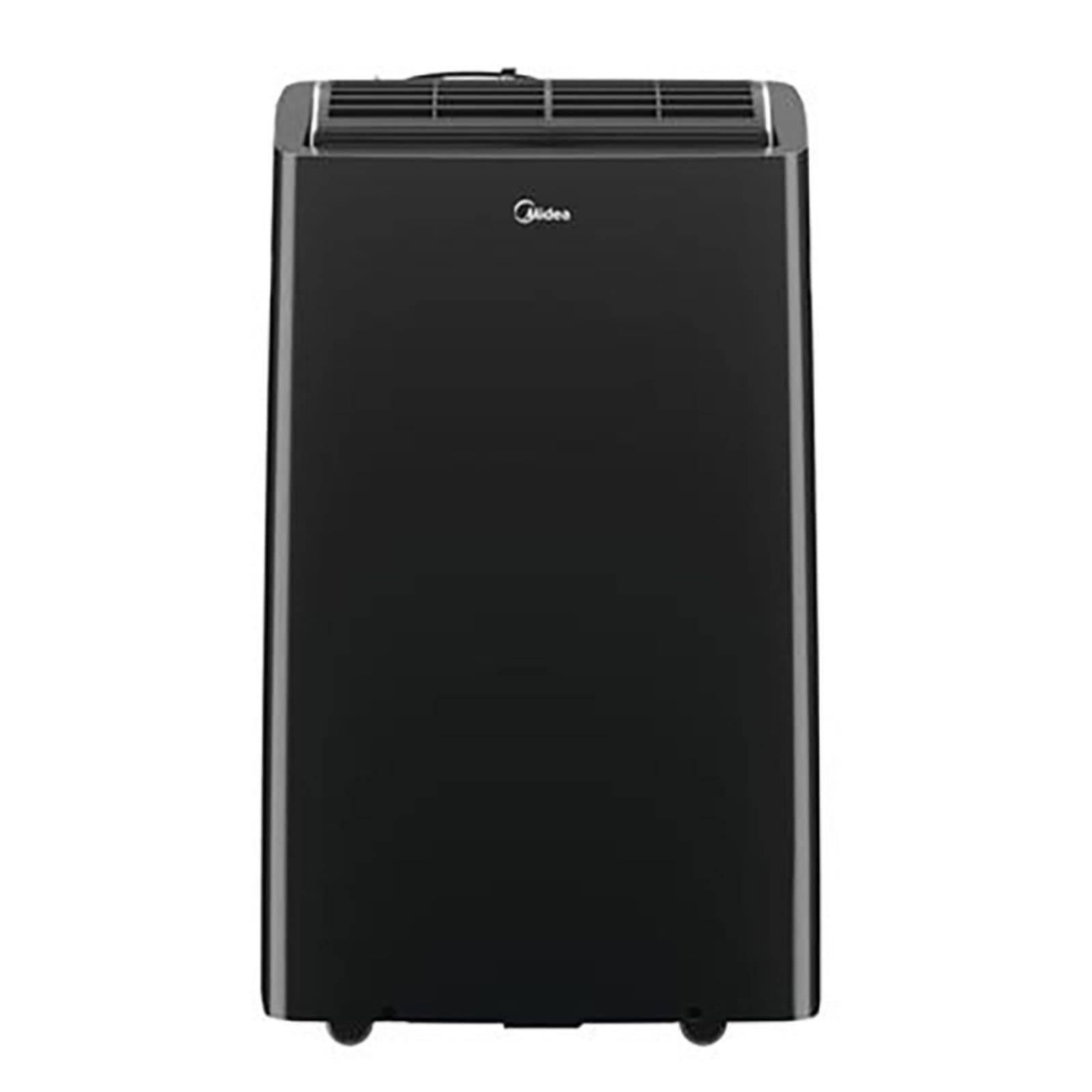
For buyers who want the category's top overall pick regardless of brand loyalty, the Midea Duo MAP14S1TBL ranks number 1 on this list. Consumer Analysis testing found its "seasonally adjusted cooling capacity is greater than that of any other portable AC unit on the market," and its hose-in-hose design and smart inverter compressor represent the current state of the art the ARC-14S's fixed-speed architecture predates.
The Gavler verdict
The Whynter ARC-14S earns its rank the old-fashioned way: it's been independently tested and re-awarded Best Overall status across multiple years and multiple outlets, on the strength of real dual-hose cooling that outperforms single-hose budget units without inverter-tier pricing. The trade-offs — noise around 51 dBA, a real ASHRAE-to-SACC gap, and weight over 80 lbs — are genuine and worth planning around, not marketing fine print. Buy it if you want proven, serious cooling for one main room at a meaningful discount to the inverter flagships. If quiet bedroom operation or maximum efficiency is the priority, spend the extra $100-150 on Whynter's own inverter model instead.
Common Questions
Yes, if you want proven dual-hose cooling without paying inverter-tier prices. It's been a Best Overall pick for the better part of a decade, including Good Housekeeping's 2025 award, on the strength of real dual-hose performance and a track record of long service life — though it's louder and less efficient than the newer inverter-compressor flagships above it on this list.
Whynter's own rating is 51 dBA at low speed. One independent review site's testing found it 'a strong buy' overall but flagged noise as a real bedroom consideration: 'this is still a 14,000 BTU-class portable AC with a compressor. For light sleepers or anyone sharing a very quiet room, the noise trade-off matters as much as the cooling power.'
The gap between its 14,000 BTU ASHRAE headline number and its 9,500 BTU SACC rating — the more realistic real-world cooling figure. That gap, along with weight over 80 lbs, is a genuine spec-sheet consideration rather than a review complaint, and it means the unit performs best in its stated ~500 sq ft range rather than beyond it.
Where to Buy.
Prices checked regularly
90-day price history
Price History
Steady at $480 for the entire 90-day tracking window — no increases, no discounts, across 91 tracked days.
Tracked daily across retailers. Vote Want itabove and we’ll alert you the moment the price drops.
Some links are affiliate links — Gavler may earn a commission. This never affects rankings or scores. Learn more.
Precision Engineering
Dual-Hose Cooling
Hose-in-hose dual-hose layout cools faster and more efficiently than the single-hose budget units it competes with on price.
Decade-Long Award Streak
2025 Good Housekeeping Best Overall and 2024 TIME Stamped pick — a track record few portables match.
3-in-1 + Activated Carbon Filter
Cool / dehumidify / fan modes plus a replaceable activated carbon air filter.
Technical Specifications
The Scoreboard
2025 Good Housekeeping Best Overall, 2024 TIME Stamped pick. The SACC vs ASHRAE gap (9,500 vs 14,000) and the 80+ lb weight are real considerations — both are manufacturer-published specifications rather than review findings. Common note: louder than inverter rivals. (Session 101: a prior version attributed the SACC caveat to "Consumer Analysis", an unbylined site with no established masthead; the underlying spec is accurate, so the fact was kept and the attribution dropped.)
Cast Your Vote
Do you think Whynter ARC-14S deserves the #7 spot in Best Portable Air Conditioners?
Global Critique
“If the Midea Duo isn't available or you can find the ARC-14S at a substantial discount, it remains a recommended dual-hose pick.”
“One of the few portable ACs with dual hoses — the dual-hose system is meaningfully more efficient than single-hose units.”
“2025 Best Overall portable air conditioner — durable build and the dual-hose advantage at a sub-flagship price.”
More from Best Portable Air Conditioners.
See how other top picks compare in this category.
Dual-Hose vs Single-Hose Portable ACs
BTU hangtags are the wrong first question. Dual-hose vs single-hose is the cooling path. Then shop Gavler's live ranking.
The Best Portable Air Conditioners in 2026, Ranked by the People Who Actually Live With Them
From a $600 dual-hose inverter benchmark to a $200 budget cooler, the portable air conditioners worth buying for the 2026 summer, ranked by the community.