Sea to Summit Ether Light XT Insulated.
Air Sprung Cells provide a mattress-like feel. The comfort-first pick for backpackers willing to carry extra ounces for better sleep.
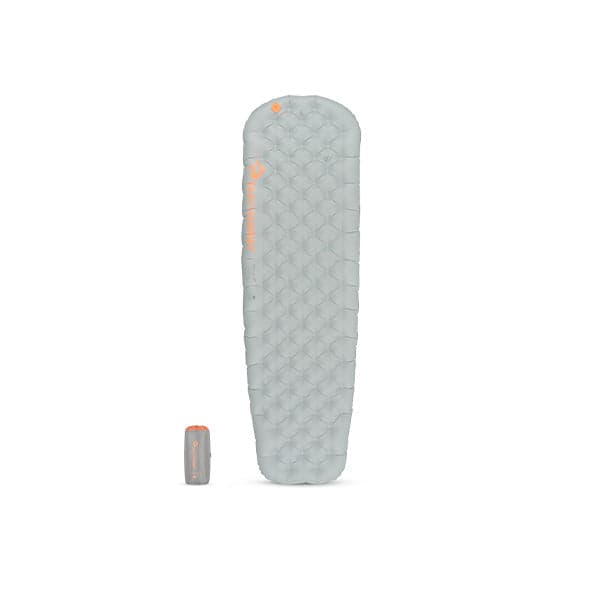
The Verdict.
Gavler Meta-Score
“The most comfortable backpacking pad in production. Air Sprung Cells and 4-inch thickness deliver mattress-like sleep. Heavier than minimalist alternatives, but the sleep quality difference is real.”
The Gavler Verdict
The Gavler Review.
Sea to Summit Ether Light XT Insulated Review: Sleep Quality Over Grams
The Sea to Summit Ether Light XT Insulated sits at rank three on our Best Backpacking Sleeping Pads list with a 9.3, and it earns that spot by refusing to treat comfort as an afterthought to weight. At 4 inches thick and 18 ounces, this is the pad for backpackers who have tried a minimalist 2.5-inch pad, woken up with a sore hip, and decided that a few extra ounces are worth trading for an actual night's sleep. Buy it if you're a side sleeper, you're over 180 lbs, or you simply value sleep quality as much as summit-day performance. Skip it if you're chasing minimum trail weight above all else — the Therm-a-Rest NeoAir XLite NXT at rank one is lighter and remains the default for gram-counters.
What it actually is
The Ether Light XT is built around Sea to Summit's Air Sprung Cells, a proprietary baffle system that uses independent air chambers responding to body weight the way individual pocket coils respond in a home mattress, rather than the single connected air chamber most backpacking pads use. That distinction is the whole product thesis: instead of one continuous cushion of air that shifts and redistributes as you move, each cell holds its own pressure and supports your body independently at the point of contact.
At 4 inches thick, the Ether Light XT is thicker than every other pad in this comparison — more cushioning than the Therm-a-Rest NeoAir XLite NXT or the Nemo Tensor Insulated, both of which sit closer to 2.5 to 3.5 inches. That extra material is where the 18-ounce weight comes from; it's not a lightweight pad pretending otherwise, it's a comfort-first pad that's honest about the trade.
In use
The comfort advantage shows up most clearly for heavier and side sleepers. Thinner pads let a shoulder or hip press through the cushioning and contact the ground underneath — "bottoming out" — which is exactly the sensation that wakes people up at 2 a.m. Sea to Summit's Air Sprung Cell construction and the extra inch-plus of thickness raise that bottoming-out threshold to approximately 250 lbs, a meaningfully higher ceiling than thinner competitors offer.
OutdoorGearLab, whose sleeping pad testing includes direct comfort comparisons across the category, calls it "the most comfortable backpacking pad we've tested," and specifically credits the Air Sprung Cells as "a genuine comfort improvement" rather than a marketing spin on an existing baffle design. Backpacker Magazine frames the pad's audience precisely: "the pad for heavy side-sleepers who bottom out on thinner pads" — which is a useful, specific way to understand who this product is actually built for, rather than a blanket claim that it's the best pad for everyone.
Switchback Travel's assessment captures the honest trade-off in a single line: "four inches of cushioning that mattress-quality side-sleepers genuinely notice on trail." That's the review in miniature — the extra ounces buy something real and felt, not a theoretical improvement that only shows up on a spec sheet.
The multi-function valve handles inflation, deflation, and micro-adjustment through a single fitting, which matters in practice: dialing in exact firmness while already lying down, without needing to sit up and fiddle with a separate valve, is a small but genuinely convenient feature once you've used it. The textured pillow-lock top surface also does what it claims — pillows and sleeping bags grip rather than slide off during the night, which is a small annoyance on flatter-surfaced pads that the Ether Light XT simply avoids.
Where it shines
- Air Sprung Cells that behave like a real mattress. Independent air chambers respond to body weight individually, rather than pushing air around a single connected chamber the way most backpacking pads do.
- A genuinely higher bottoming-out threshold. At 4 inches thick, the Ether Light XT supports sleepers up to roughly 250 lbs without pressure points reaching the ground — a real functional advantage over thinner pads, not just a marketing number.
- Thoughtful small details. The combined inflate/deflate/micro-adjust valve and the pillow-lock textured surface are the kind of details that don't show up on a spec sheet but noticeably improve the experience of actually using the pad every night.
The trade-offs — who should skip it
Sea to Summit doesn't pretend the Ether Light XT is the lightest option, and the honest reasons to look elsewhere are specific:
- You're optimizing for minimum weight. At 18 oz, the Ether Light XT is heavier than the Therm-a-Rest NeoAir XLite NXT and the Nemo Tensor Insulated. For a thru-hike where every ounce compounds over thousands of miles, that weight difference is real.
- You need serious cold-weather warmth. R-value 3.5 covers three-season use down to about 25°F, but it's not built for sub-zero nights. The Therm-a-Rest NeoAir XTherm NXT's R-value of 7.3 is the appropriate pick for winter and high-altitude camping.
- You're already a light sleeper who doesn't struggle on thinner pads. If a 2.5-inch pad has never given you trouble, the Ether Light XT's extra cushioning is weight you're carrying without a corresponding benefit you'd actually feel.
How it compares
Within its own list, the Ether Light XT trades places with two pads built around different priorities entirely. The Therm-a-Rest NeoAir XLite NXT at rank one is the class-leading minimum-weight pick — lighter, thinner, and the default choice for thru-hikers who count every ounce. The Nemo Tensor Insulated at rank two splits the difference: its Spaceframe baffles eliminate the crinkly-pad noise that plagues cheaper air pads, and at 3.5 inches thick it's a middle ground between minimalist and plush, weighing only about 2.5 oz less than the Ether Light XT while sacrificing some of its bottoming-out resistance for heavier sleepers.
The Ether Light XT's case isn't that it beats these two pads on weight — it doesn't, and isn't trying to. It's that for a specific, common category of backpacker — side sleepers, anyone over 180 lbs, or simply people who've decided sleep quality matters as much as summit-day performance — the extra ounces are a rational trade, not a compromise.
The Gavler verdict
A 9.3, backed by the highest comfort ratings in the sleeping pad category and a strong community rating (92) that echoes the editorial consensus (91). The Sea to Summit Ether Light XT Insulated earns its rank by being unapologetic about its priorities: it's not chasing the lightest number on a spec sheet, it's chasing the best night of sleep on a sleeping pad, and by the account of every reviewer who has slept on one, it delivers. Buy it if comfort is your priority and you're willing to carry a few extra ounces to get it; if minimum weight matters more, the XLite NXT at rank one remains the sharper choice.
Common Questions
Yes, specifically for backpackers who prioritize sleep quality over minimum pack weight. It ranks third on Gavler's Best Backpacking Sleeping Pads list with a 9.3, and its Air Sprung Cell construction and 4-inch thickness deliver the most mattress-like sleep of any pad in the category. At 18 oz and $200, it's heavier than the class-leading XLite NXT, and that extra weight is the whole trade-off — you're paying in ounces for comfort you'll actually feel every night.
Side sleepers and backpackers over 180 lbs see the biggest difference. Thinner pads let heavier sleepers bottom out, pressing hips and shoulders against the ground through the pad. The Ether Light XT's 4 inches of Air Sprung Cell cushioning prevents that up to roughly 250 lbs, a threshold that 2.5-to-3-inch pads can't match.
It's rated R-value 3.5, which is adequate for three-season use above about 25°F, but it's not a winter pad. If you're camping in sub-freezing conditions regularly, the Therm-a-Rest NeoAir XTherm NXT's R-value of 7.3 is the more appropriate choice — the Ether Light XT is optimized for comfort, not extreme cold.
Buy the XLite NXT if minimum weight is the priority — it's lighter and packs smaller, and it's the pad most thru-hikers default to. Buy the Ether Light XT if you've tried a minimalist pad and found yourself waking up sore; the extra roughly 3-4 ounces and thicker profile buy noticeably better sleep, particularly for side sleepers and anyone over 180 lbs.
Where to Buy.
Prices checked regularly
90-day price history
Price History
Steady at $200 for the entire 90-day tracking window — no increases, no discounts, across 91 tracked days.
Tracked daily across retailers. Vote Want itabove and we’ll alert you the moment the price drops.
Some links are affiliate links — Gavler may earn a commission. This never affects rankings or scores. Learn more.
Precision Engineering
Air Sprung Cells
Independent air chambers respond like mattress pocket coils.
4-Inch Thickness
Prevents bottoming out for sleepers up to ~250 lbs.
Pillow-Lock Surface
Textured top grips pillows and sleeping bags to prevent sliding.
Technical Specifications
The Scoreboard
Highest comfort ratings in the pad category. Weight and R-value are the trade-offs versus warmer or lighter alternatives.
Cast Your Vote
Do you think Sea to Summit Ether Light XT Insulated deserves the #3 spot in Best Backpacking Sleeping Pads?
Global Critique
“Most comfortable backpacking pad we've tested. Air Sprung Cells are a genuine comfort improvement.”
“The pad for heavy side-sleepers who bottom out on thinner pads.”
“Sleep quality on trail shouldn't require compromise. The Ether Light XT proves it.”
“Four inches of cushioning that mattress-quality side-sleepers genuinely notice on trail.”
More from Best Backpacking Sleeping Pads.
See how other top picks compare in this category.
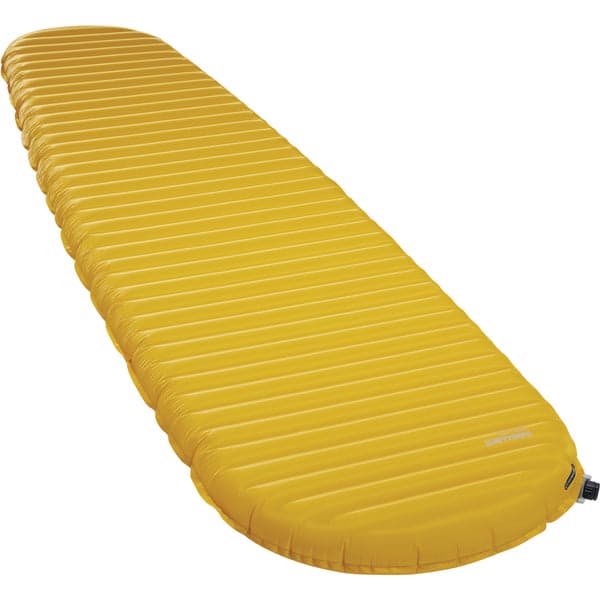
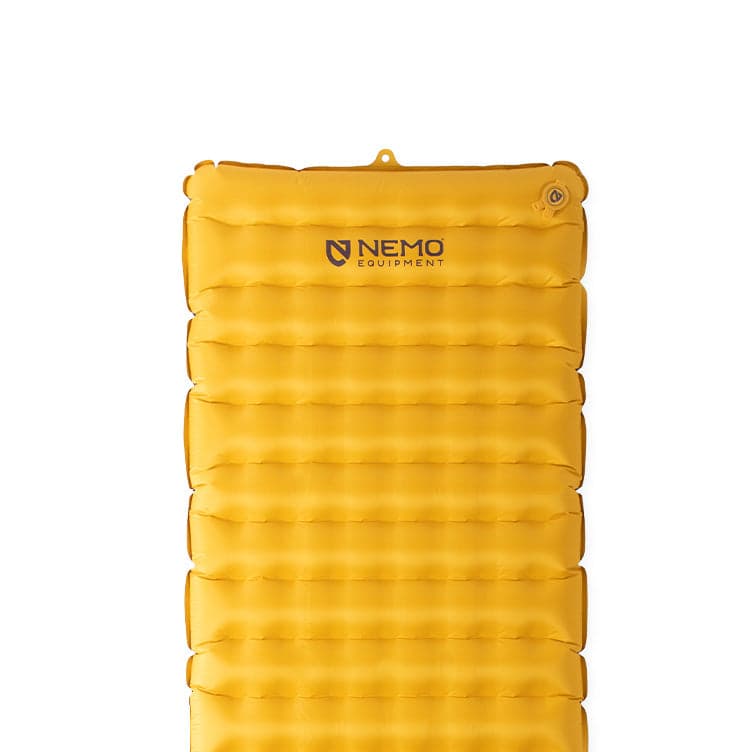
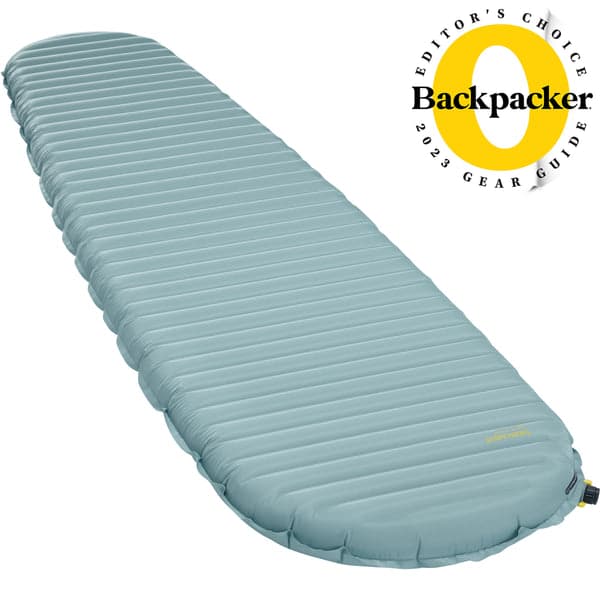
A Crinkly Ultralight, a Quiet Mattress, or Foam You Can't Pop?
An R-value hangtag is the wrong first question. Ultralight air, quiet mattress, or closed-cell foam is the pad. Then shop Gavler's live ranking.
The Best Backpacking Sleeping Pads in 2026, Ranked by the Hikers Who Carry Them
Therm-a-Rest, Nemo, Sea to Summit, Exped. Gavler's thru-hikers rank the pads worth carrying in 2026 — by warmth, weight, comfort, and price.