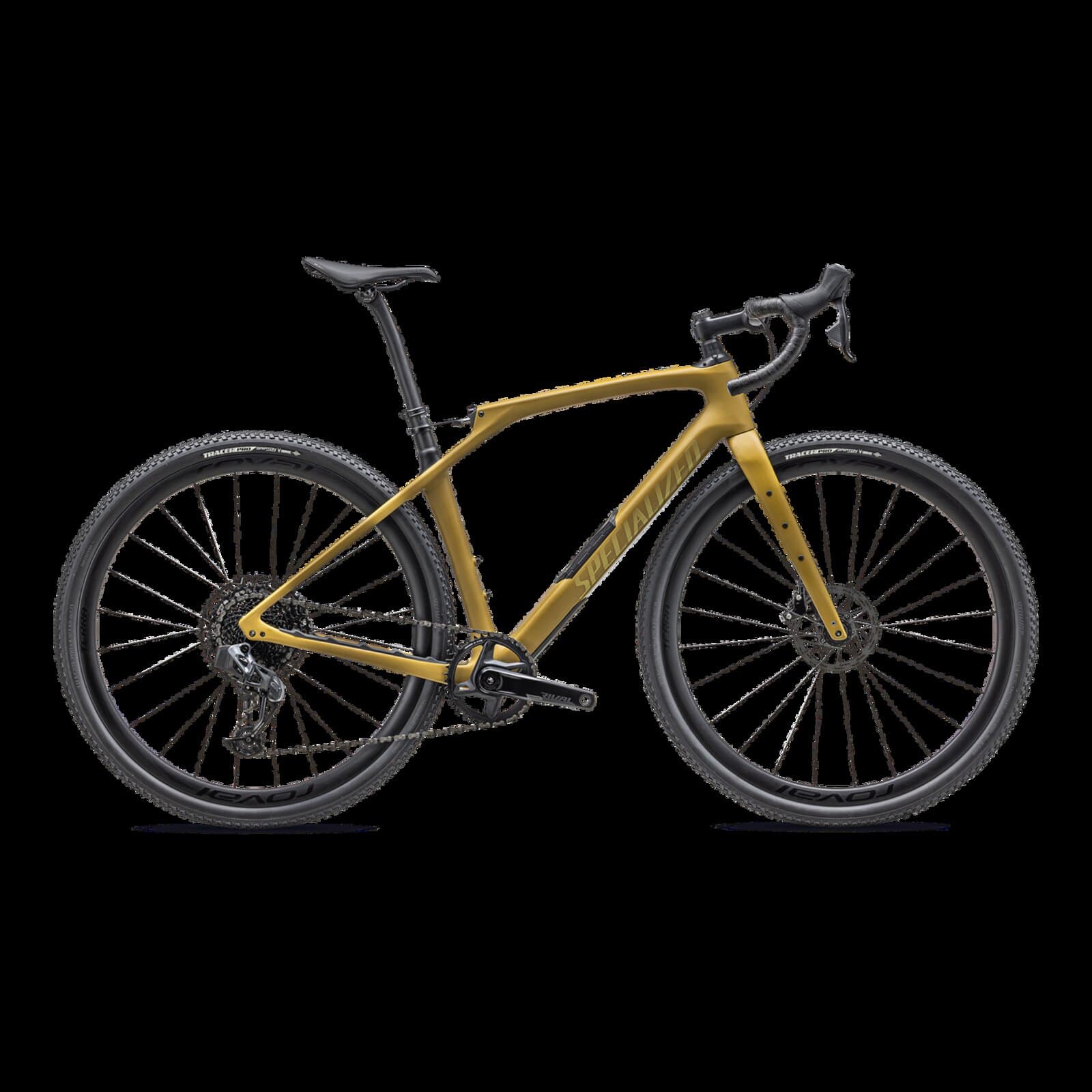
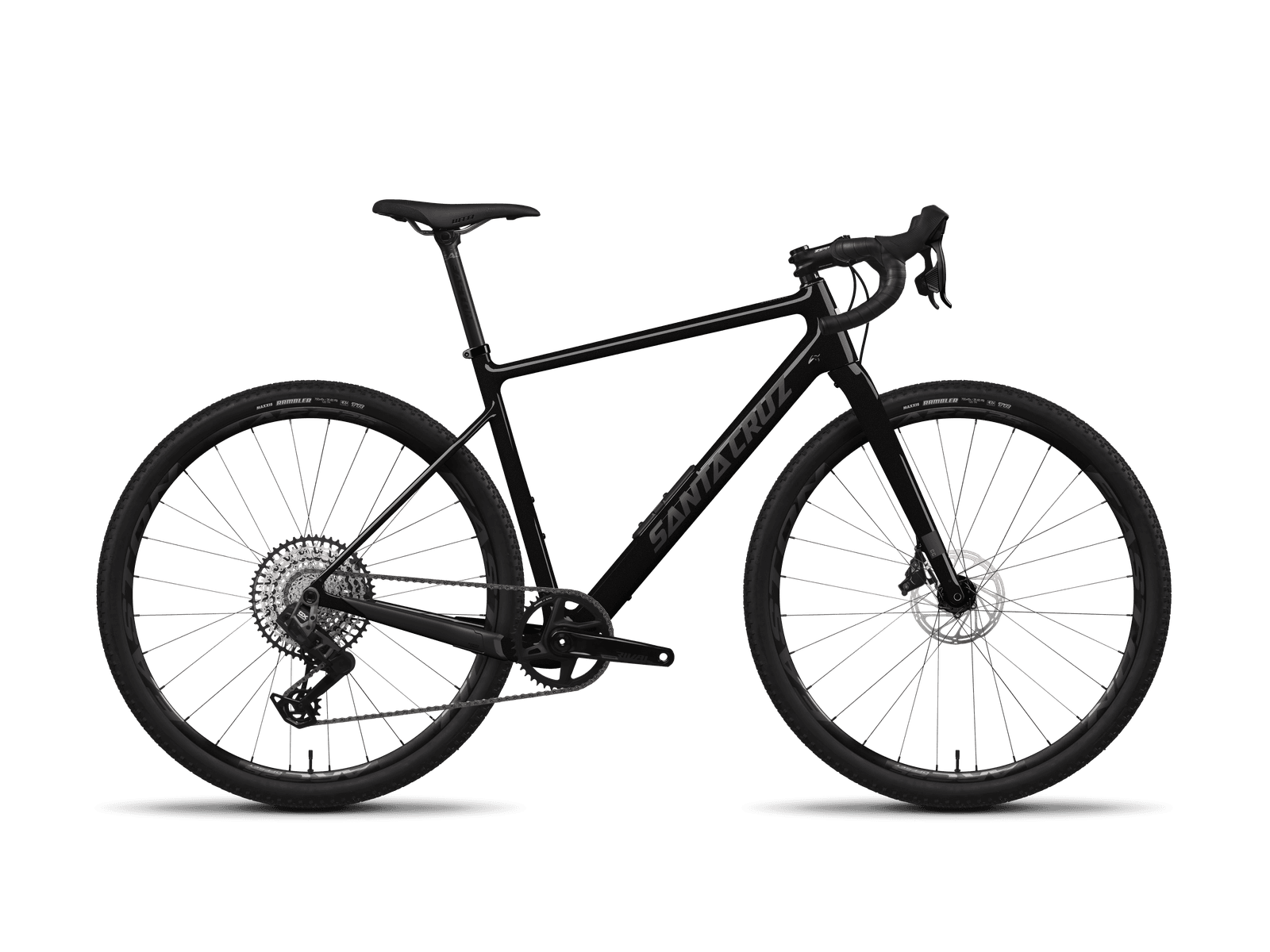
Santa Cruz Stigmata CC.
Stiff enough for cyclocross racing with tire clearance and geometry for long gravel events in Santa Cruz's C-carbon layup.
The Verdict.
Gavler Meta-Score
“The Stigmata CC is the gravel bike for riders who come from racing, not touring. Santa Cruz's CC carbon delivers a frame that's responsive and explosive under power — qualities that comfort-focused gravel bikes sacrifice. If your idea of gravel riding involves racing, intervals, and performance above all else, the Stigmata is your bike.”
The Gavler Verdict
The Gavler Review.
Santa Cruz Stigmata CC Review: A Gravel Racer Born From Cyclocross
The Santa Cruz Stigmata CC ranks number 5 on Gavler's Best Gravel Bikes list with a 9.1. It's for riders who come to gravel from racing rather than touring — Velo's Outside Online review, after six months on the bike, called it "one of the best-handling gravel bikes in recent memory on just about every kind of dirt — an excellent combination of efficiency and compliance." The trade-off is honest and built into the frame itself: a single bottle-cage mount and race-focused geometry mean this isn't the bike for loaded, multi-day adventure touring.
What it is
The Stigmata CC emerged from cyclocross racing, not adventure touring, and that heritage defines everything about how it rides. The frame is optimized for explosive power delivery — stiff through the bottom bracket and head tube for sprinting out of corners, responsive through the rear triangle for accelerating hard, and light enough to shoulder-carry during a CX run-up. That racing DNA translates directly to gravel: the Stigmata is fast and responsive in a way that comfort-oriented gravel bikes simply aren't built to match.
Santa Cruz's CC carbon layup uses the same premium-modulus fibers found in their mountain bike race frames, landing at a bare frame weight — roughly 18 pounds complete in a size 56 — that competes with the lightest gravel bikes on the market. The layup prioritizes stiffness-to-weight over compliance, though the thin seatstays provide some vertical give that softens rough surfaces without introducing pedaling flex. Tire clearance reaches 45mm in 700c, with 650b wheel compatibility for even wider rubber. Geometry is race-focused with a 71-degree head angle and low stack height for an aggressive, efficient riding position. Santa Cruz backs the frame with a lifetime warranty, and the bike accepts both mechanical and electronic groupsets.
In use
Outdoor Gear Lab's review highlighted a detail that matters more than it might seem: "One of the more home mechanic-friendly carbon gravel bikes you'll find, with three internally sheathed cable ports at the side of the head tube and a standard 68mm English threaded bottom bracket." That's a meaningful contrast to some race-focused gravel bikes that chase every gram of weight savings at the expense of serviceability — the Stigmata manages to be both a genuine racer and a bike you can maintain yourself without specialized tools.
Escape Collective's review of the current generation documented just how much the geometry has shifted toward stability without losing the racing edge: "Reach numbers have grown by roughly 30mm across all sizes, paired with stems that are roughly 20mm shorter than before, and head tube angles have slackened to 69.5 degrees across all sizes." That's a significant update — a longer reach and shorter stem generally add high-speed stability and confidence on rough terrain, while the slacker head angle calms the handling down at speed. Santa Cruz made these changes without abandoning what makes the Stigmata a racer: it's still explosive under power, still light, and still rewards a rider who wants to push the pace rather than cruise it.
Gavler's own scoring notes capture the honest trade-off clearly: "Race-oriented riders praise the Stigmata's responsiveness and power delivery. Adventure-focused riders note limited mounting points and aggressive geometry as drawbacks for long-distance touring." That's not a knock on the bike — it's a description of a tool built for a specific job, and the Stigmata does that job better than gravel bikes designed with a wider, more compromise-heavy brief.
Strengths
- Race-bred power delivery. The stiff bottom bracket and head tube, inherited directly from Santa Cruz's cyclocross frames, mean the Stigmata rewards hard pedaling in a way most gravel bikes can't match.
- Genuinely light for a carbon gravel bike. At roughly 18 pounds in size 56, it competes with the lightest bikes in the category while retaining real-world durability.
- Home mechanic-friendly construction. A threaded bottom bracket and accessible internal cable routing mean the Stigmata doesn't demand a specialty shop for routine maintenance.
- Updated geometry adds stability without losing speed. The longer reach and slacker head angle documented by Escape Collective make the bike more confident at speed while preserving its racing character.
- Lifetime frame warranty and Santa Cruz's customer service reputation add long-term value that's easy to underweight at purchase time.
The trade-offs — who should skip it
- Not built for loaded touring. A single bottle-cage mount and no rack or fender provisions mean multi-day adventure riders will need a different bike or a bikepacking bag setup that compensates for the frame's limitations.
- Aggressive geometry isn't for everyone. The low stack height and 71-degree head angle favor riders who want speed and responsiveness over an upright, all-day-comfort position.
- Compliance is secondary to stiffness. Riders whose priority is smoothing out washboard gravel over hours in the saddle will find dedicated comfort-oriented gravel bikes a better fit.
How it compares
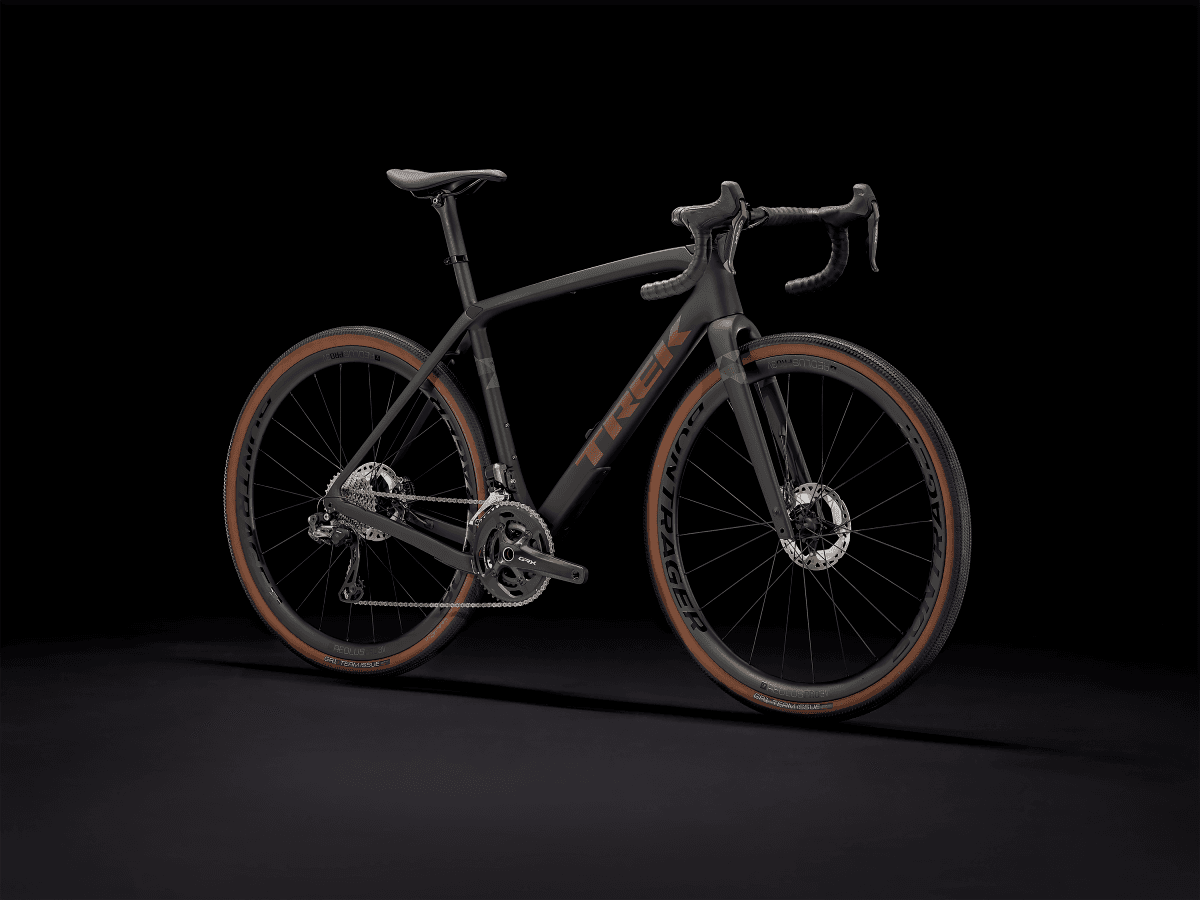
The Trek Checkpoint SLR 7 sits one rank above the Stigmata at $6,500 — a genuinely different design philosophy. Trek's IsoSpeed decoupler smooths washboard gravel, internal BITS storage eliminates the need for a saddle bag, and full fender and rack mounts make the Checkpoint a practical year-round commuter and adventure bike as much as a gravel racer. It's the better choice for riders who want one bike to handle racing, commuting, and touring. The 3T Exploro RaceMax, ranked one spot below the Stigmata, takes yet another approach — an aero-shaped frame with tire clearance up to 61mm and a 1x-only drivetrain built for riders who want maximum versatility between road speed and near-mountain-bike terrain. Riders choosing among the three are really deciding what they want their gravel bike to prioritize: racing responsiveness (Stigmata), practical comfort (Checkpoint), or extreme tire-width versatility (Exploro RaceMax).
The Gavler verdict
A 9.1 that reflects a bike built with a clear point of view and no apology for it. The Stigmata CC doesn't try to be everything to everyone — it's a racer's gravel bike, built from cyclocross DNA, and it succeeds precisely because Santa Cruz didn't dilute that focus chasing touring versatility. Buy it if your idea of gravel riding involves intervals, racing, and performance above all else. If you need rack mounts, fender clearance, and a more upright position for long days in the saddle, the Trek Checkpoint SLR 7 above it on this list is the more honest fit.
Common Questions
For racers and aggressive riders, yes. It ranks fifth on Gavler's Best Gravel Bikes list with a 9.1, and Velo's Outside Online review called it 'one of the best-handling gravel bikes in recent memory on just about every kind of dirt.' The trade-off is its racing DNA — a single bottle mount and aggressive geometry mean it's not built for loaded touring.
It has some compliance but isn't built primarily for comfort. Santa Cruz's CC carbon layup prioritizes stiffness-to-weight over cushioning, though the relatively thin seatstays do provide a degree of vertical give that takes the edge off rough surfaces. Escape Collective's review noted the frame has grown roughly 30mm in reach across sizes with head tube angles slackened to 69.5 degrees, changes that add stability on longer, faster gravel routes without abandoning the bike's race character.
Buy the Stigmata if you come from a racing background and want a bike that's stiff, responsive, and explosive under power. Buy the Checkpoint SLR 7 if you want a genuine do-everything gravel bike — Trek's IsoSpeed decoupler, internal BITS storage, and full fender and rack mounts make it more practical for commuting, touring, and year-round riding.
Where to Buy.
Prices checked regularly
90-day price history
Price History
Steady at $5,499 for the entire 90-day tracking window — no increases, no discounts, across 91 tracked days.
Tracked daily across retailers. Vote Want itabove and we’ll alert you the moment the price drops.
Some links are affiliate links — Gavler may earn a commission. This never affects rankings or scores. Learn more.
Precision Engineering
CC Carbon Frame
Santa Cruz's premium carbon layup delivers race-level stiffness and weight from their mountain bike heritage.
CX Racing DNA
Frame stiffness and geometry optimized for cyclocross-style power delivery and aggressive racing.
Dual Wheel Compatibility
Accepts 700c up to 45mm or 650b with wider rubber for different terrain and racing formats.
Technical Specifications
The Scoreboard
Race-oriented riders praise the Stigmata's responsiveness and power delivery. Adventure-focused riders note limited mounting points and aggressive geometry as drawbacks for long-distance touring.
Cast Your Vote
Do you think Santa Cruz Stigmata CC deserves the #5 spot in Best Gravel Bikes?
Global Critique
“One of the best-handling gravel bikes in recent memory on just about every kind of dirt — an excellent combination of efficiency and compliance.”
“One of the more home mechanic-friendly carbon gravel bikes you'll find, with three internally sheathed cable ports at the side of the head tube and a standard 68mm English threaded bottom bracket.”
“Reach numbers have grown by roughly 30mm across all sizes, paired with stems that are roughly 20mm shorter than before, and head tube angles have slackened to 69.5 degrees across all sizes.”
More from Best Gravel Bikes.
See how other top picks compare in this category.