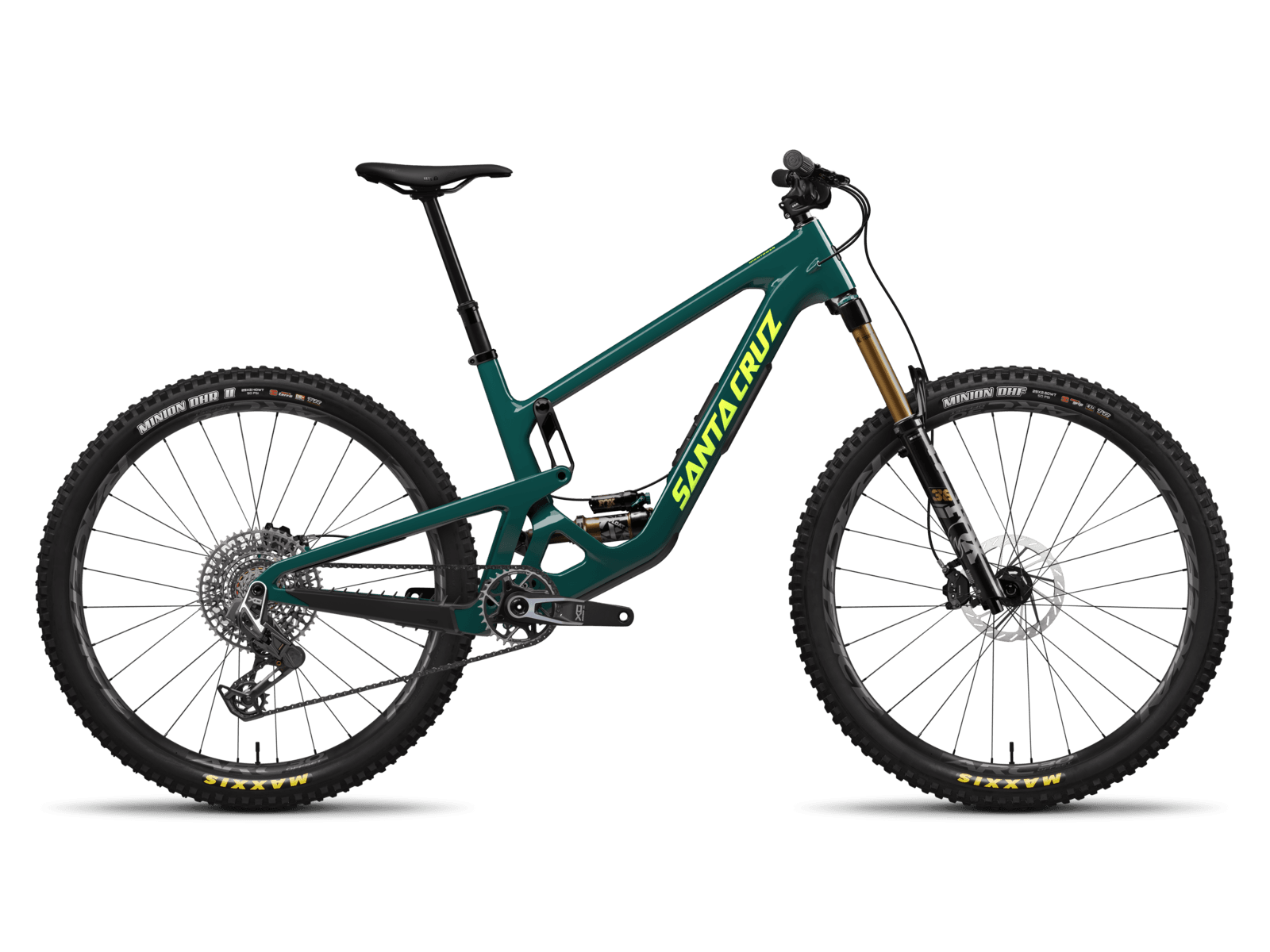
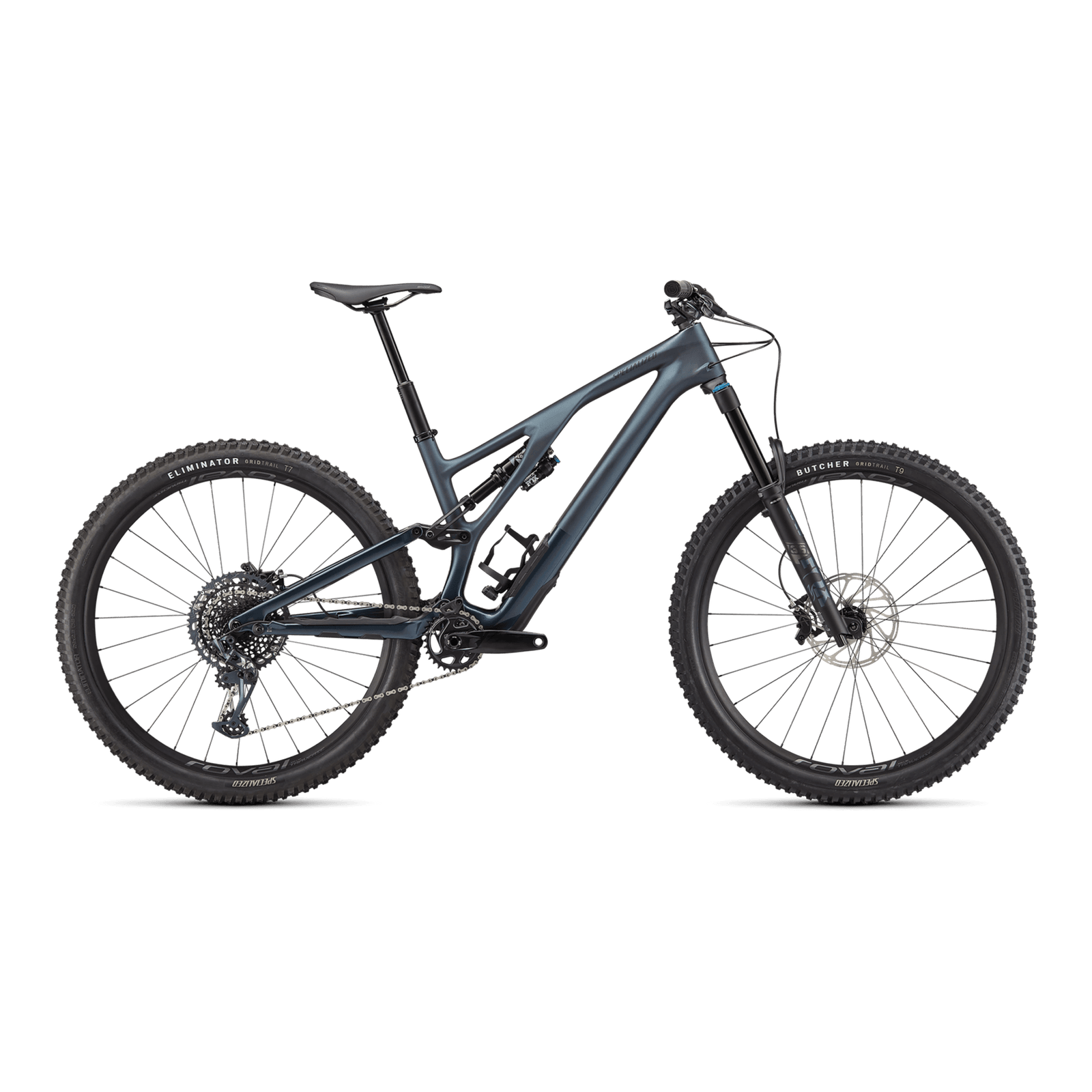
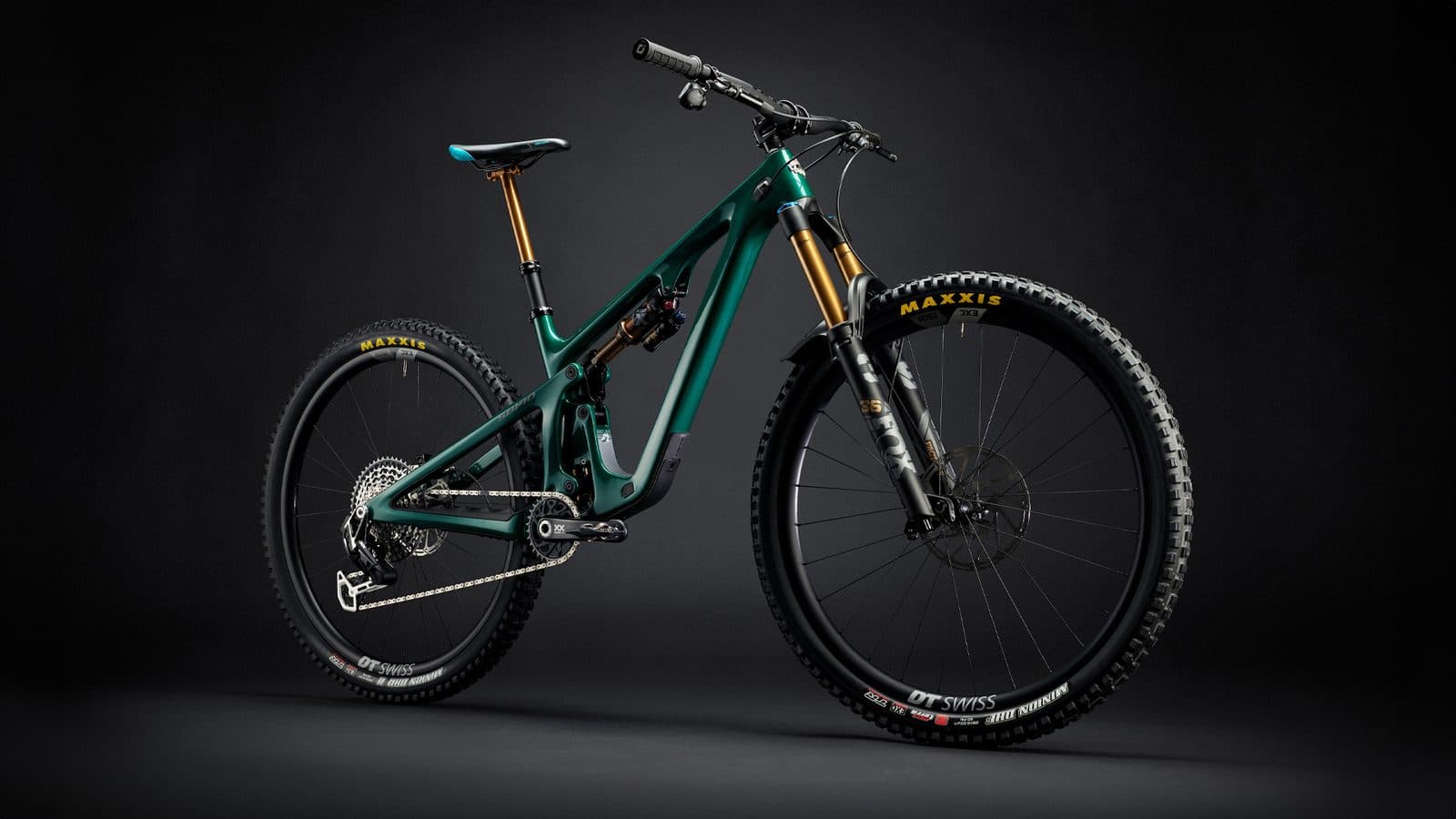
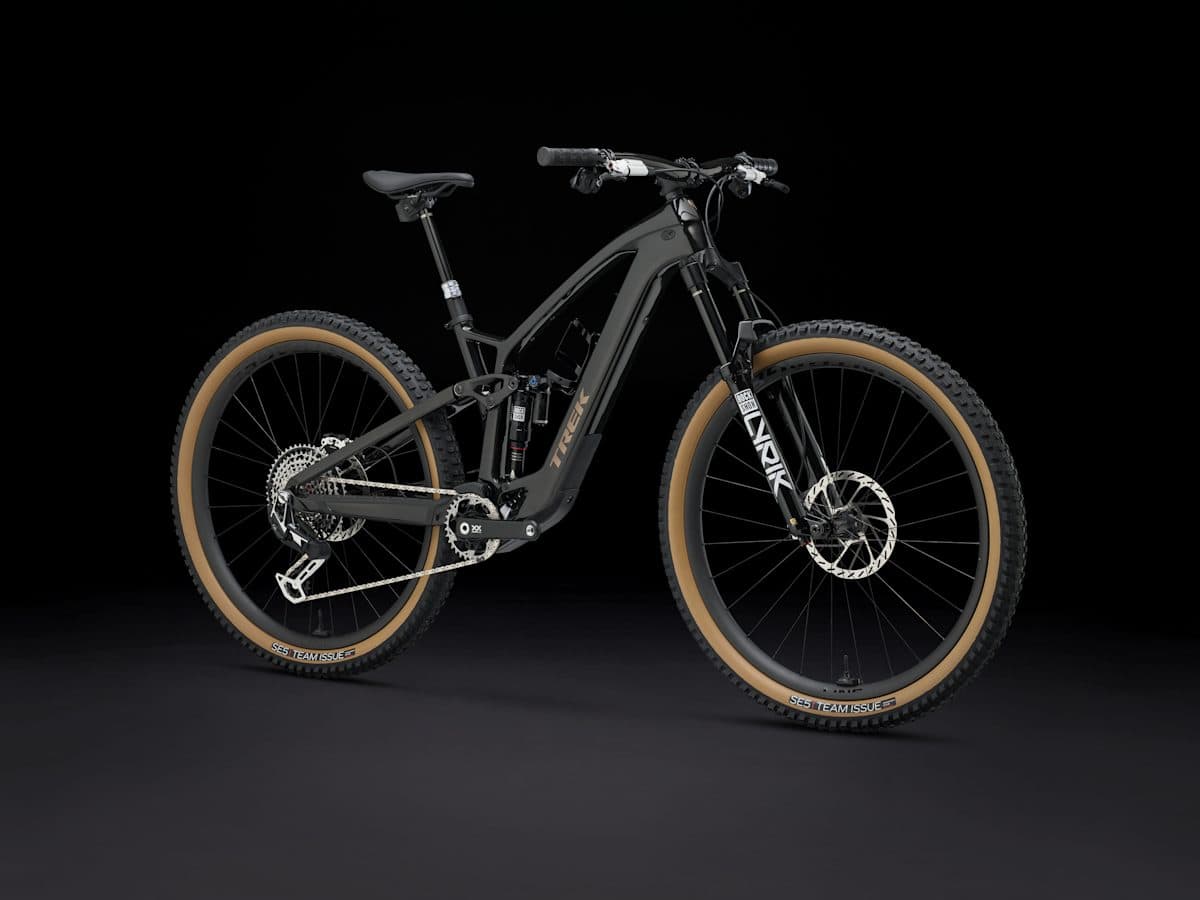
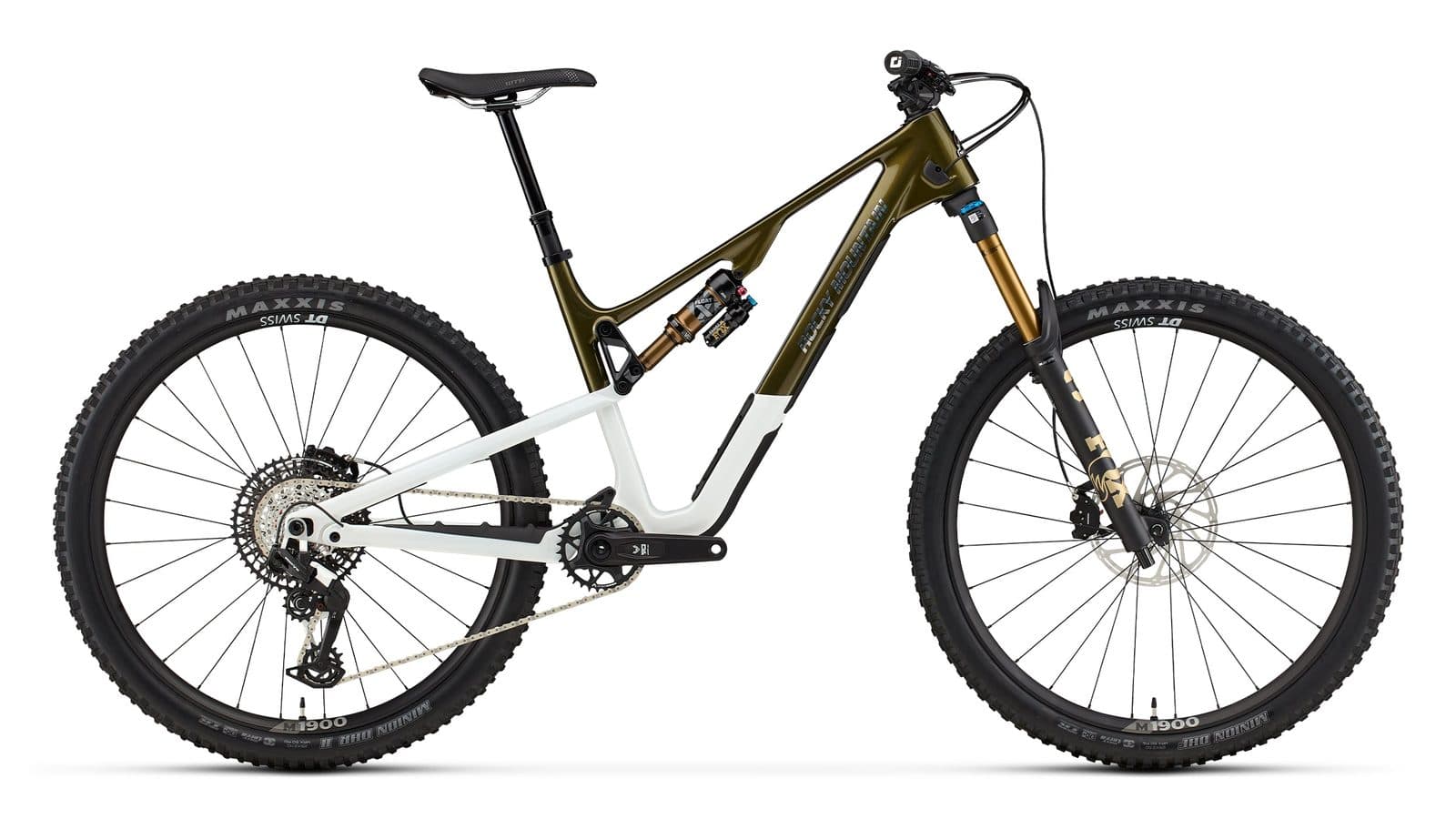
Rocky Mountain Instinct Carbon 70.
Adjustable geometry system fine-tunes head angle, BB height, and seat angle to match any riding style or terrain.
The Verdict.
Gavler Meta-Score
“Rocky Mountain's RIDE-4 system gives you four bikes in one — a genuine advantage over the two-position flip chips offered by most competitors. The Instinct Carbon 70 hits the value sweet spot in the lineup, delivering capable trail performance with enough adjustability to match any local trail network.”
The Gavler Verdict
The Gavler Review.
Rocky Mountain Instinct Carbon 70 Review: Four Bikes in One Frame
The Rocky Mountain Instinct Carbon 70 ranks number 9 on Gavler's Best Mountain Bikes list with an 8.4, and its pitch is unusually literal: this is a bike you can actually reshape to fit your trails, not just marketing language around a two-position flip chip. The RIDE-4 adjustable geometry system delivers four real configurations, and Mountain Bike Action put numbers to the claim — head tube angle shifts from 63.5 to 64.3 degrees, bottom bracket drop moves from 44mm to 32mm. At $5,499, it lands at what Gavler considers the value sweet spot in Rocky Mountain's range, with a mixed Shimano SLX/XT drivetrain as the one honest compromise for the price.
What it is
The Instinct Carbon 70 sits in the middle of Rocky Mountain's mountain bike lineup — longer travel than the XC-focused Element, shorter than the enduro-oriented Altitude — and RIDE-4 is what makes that middle position genuinely versatile rather than a compromise. Unlike simpler flip-chip systems that offer only steep and slack settings, RIDE-4 uses a headset and chainstay chip combination that spans four distinct configurations, giving riders enough granularity to actually optimize the bike for specific trails, body proportions, or riding style rather than picking between two blunt extremes.
The carbon frame uses Rocky Mountain's Smoothwall construction, a process designed to eliminate internal wrinkles and inconsistencies in the carbon layup for a stronger, more predictable frame at a given weight. The Carbon 70 build tier pairs a Fox 36 Performance fork and Fox Float DPS Performance rear shock with that mixed Shimano SLX/XT 12-speed drivetrain, landing well under the flagship Carbon 90 model's price. Rocky Mountain's Canadian heritage shows up in the details — the geometry and suspension were developed and tested on the steep, technical trails of British Columbia, and the frame includes generous tire clearance and a dedicated mudguard mount that reflect Pacific Northwest riding conditions.
In use
Mountain Bike Action's review is the most technically detailed account Gavler tracked, and it treated RIDE-4 as the bike's defining feature rather than a footnote: "The Instinct features Rocky's RIDE-4 adjustable geometry at the shock linkage, offering four different geometry setups — head tube angle 63.5 to 64.3 degrees, bottom bracket drop 44mm to 32mm, seat angle 76.5 to 77.3 degrees." Those aren't marketing ranges — they're measured differences large enough to meaningfully change how the bike handles between the slackest and steepest settings.
Jeff Kendall-Weed's 2024 review connected that adjustability to real-world versatility: "The Instinct is really balanced — it now combines much slacker geometry with a more plush, forgiving, and comfortable suspension design, and the Ride-4 system made it possible to dial in the geometry to best suit the terrain." That's the practical payoff of RIDE-4 — the same bike can be set up steep and low for tight, technical singletrack, then reconfigured slack and high for faster, more open descents, without buying a second bike. Singletrack World Magazine's first-ride review focused on the climbing side of that equation, noting "low weight is noticeable, while the Instinct's efficient suspension and comfortable seated climbing position work in concert to make it one of the quicker-climbing trail bikes we've been on" — a meaningful claim from a publication that tests trail bikes constantly.
Strengths
- RIDE-4's genuine adjustability. Four real geometry positions, not two, and Mountain Bike Action's measured numbers confirm the range is meaningful rather than cosmetic.
- Smoothwall carbon construction. Rocky Mountain's proprietary layup process targets consistency and strength, addressing a real weak point in cheaper carbon manufacturing.
- Trail-tested pedigree. Development on British Columbia's steep, technical terrain means the suspension and geometry were proven on trails that expose design weaknesses quickly.
- Genuine climbing efficiency. Singletrack World's assessment that it's "one of the quicker-climbing trail bikes" they'd tested is a real differentiator in a segment where many bikes trade climbing efficiency for descending capability.
The trade-offs — who should skip it
- Riders who want a single simple setup, not four to choose from. RIDE-4's flexibility is a benefit for riders willing to experiment, but it's an extra decision layer for anyone who'd rather just ride the bike as it ships.
- Buyers who want a matched, top-tier drivetrain throughout. The mixed Shimano SLX/XT 12-speed setup is a fair value trade at $5,499, but it's a step down from the fully matched builds on pricier trims or competitors like the Pivot Switchblade.
- Riders who want maximum pedaling efficiency above all else. The Instinct's suspension is competent and well-regarded, but DW-Link-equipped bikes like the Switchblade have a more specifically refined reputation for minimizing pedal bob under hard efforts.
How it compares
The Pivot Switchblade at rank 8 ($7,499) sits just above the Instinct on this list and trades RIDE-4's geometry flexibility for DW-Link's more refined pedaling efficiency and greater outright travel — 142mm versus the Instinct's 140mm — at roughly $2,000 more. The Scott Spark RC World Cup at rank 10 ($9,999) sits just below and represents a completely different use case — a purpose-built, sub-10kg cross-country race bike with TwinLoc suspension lockout, built for racing rather than the all-around trail versatility the Instinct offers. Riders choosing among the three are weighing geometry adjustability and value (Instinct), pedaling efficiency and travel (Switchblade), and pure XC race performance (Spark RC).
The Gavler verdict
An 8.4, earned by a genuinely adjustable geometry system that reviewers consistently praised for real, rideable range rather than marketing granularity, combined with proven climbing efficiency and Smoothwall carbon construction — offset only by a mixed drivetrain spec that's a fair, if noticeable, concession at this price. The Instinct Carbon 70 doesn't win by chasing the longest travel or the lightest weight on this list; it wins by being the trail bike most willing to be reshaped to fit wherever you actually ride. Buy it if you want one bike that can be tuned to different trail networks rather than a bike built for a single terrain type. If pedaling efficiency under power matters more than geometry flexibility, the Pivot Switchblade above it on this list is the honest alternative.
Common Questions
If you want a trail bike you can genuinely tune to your local terrain, yes. It ranks ninth on Gavler's Best Mountain Bikes list with an 8.4, and Mountain Bike Action detailed the four-position RIDE-4 system's real range: head tube angle from 63.5 to 64.3 degrees and bottom bracket drop from 44mm to 32mm. At $5,499 it hits a value sweet spot in Rocky Mountain's lineup, though the mixed Shimano SLX/XT drivetrain is a minor compromise at this price.
Buy the Instinct if geometry adjustability matters most — RIDE-4 offers four genuine, meaningfully different configurations for around $2,000 less than the Switchblade. Buy the Switchblade if pedaling efficiency under power is your top priority; DW-Link's anti-squat performance is the more refined pedaling platform, though you lose the ability to tune geometry to your specific trails.
RIDE-4 is a headset and chainstay chip combination offering four distinct geometry positions, rather than the simple two-position flip chips most competitors use. Mountain Bike Action measured the real range: head tube angle from 63.5 to 64.3 degrees, bottom bracket drop from 44mm to 32mm, and seat angle from 76.5 to 77.3 degrees — genuine, rideable differences rather than marketing granularity.
Yes. Singletrack World Magazine's first-ride review noted 'low weight is noticeable, while the Instinct's efficient suspension and comfortable seated climbing position work in concert to make it one of the quicker-climbing trail bikes we've been on.' Jeff Kendall-Weed's 2024 review added that the RIDE-4 system 'made it possible to dial in the geometry to best suit the terrain,' which extends that climbing efficiency across a wider range of trail types than a fixed-geometry bike can match.
Where to Buy.
Prices checked regularly
90-day price history
Price History
Steady at $5,499 for the entire 90-day tracking window — no increases, no discounts, across 91 tracked days.
Tracked daily across retailers. Vote Want itabove and we’ll alert you the moment the price drops.
Some links are affiliate links — Gavler may earn a commission. This never affects rankings or scores. Learn more.
Precision Engineering
RIDE-4 Geometry
Four-position adjustable geometry system fine-tunes head angle, BB height, and seat angle for your specific trails.
Smoothwall Carbon
Rocky Mountain's proprietary carbon construction eliminates internal wrinkles for a stronger, lighter frame.
BC-Tested Design
Developed on the steep, technical trails of British Columbia — geometry proven in demanding conditions.
Technical Specifications
The Scoreboard
RIDE-4 geometry system receives universal praise for its granularity. The mixed SLX/XT drivetrain is a minor compromise at this price point.
Cast Your Vote
Do you think Rocky Mountain Instinct Carbon 70 deserves the #9 spot in Best Mountain Bikes?
Global Critique
“The Instinct features Rocky's RIDE-4 adjustable geometry at the shock linkage, offering four different geometry setups — head tube angle 63.5 to 64.3 degrees, bottom bracket drop 44mm to 32mm, seat angle 76.5 to 77.3 degrees.”
“The Instinct is really balanced — it now combines much slacker geometry with a more plush, forgiving, and comfortable suspension design, and the Ride-4 system made it possible to dial in the geometry to best suit the terrain.”
“Low weight is noticeable, while the Instinct's efficient suspension and comfortable seated climbing position work in concert to make it one of the quicker-climbing trail bikes we've been on.”
More from Best Mountain Bikes.
See how other top picks compare in this category.