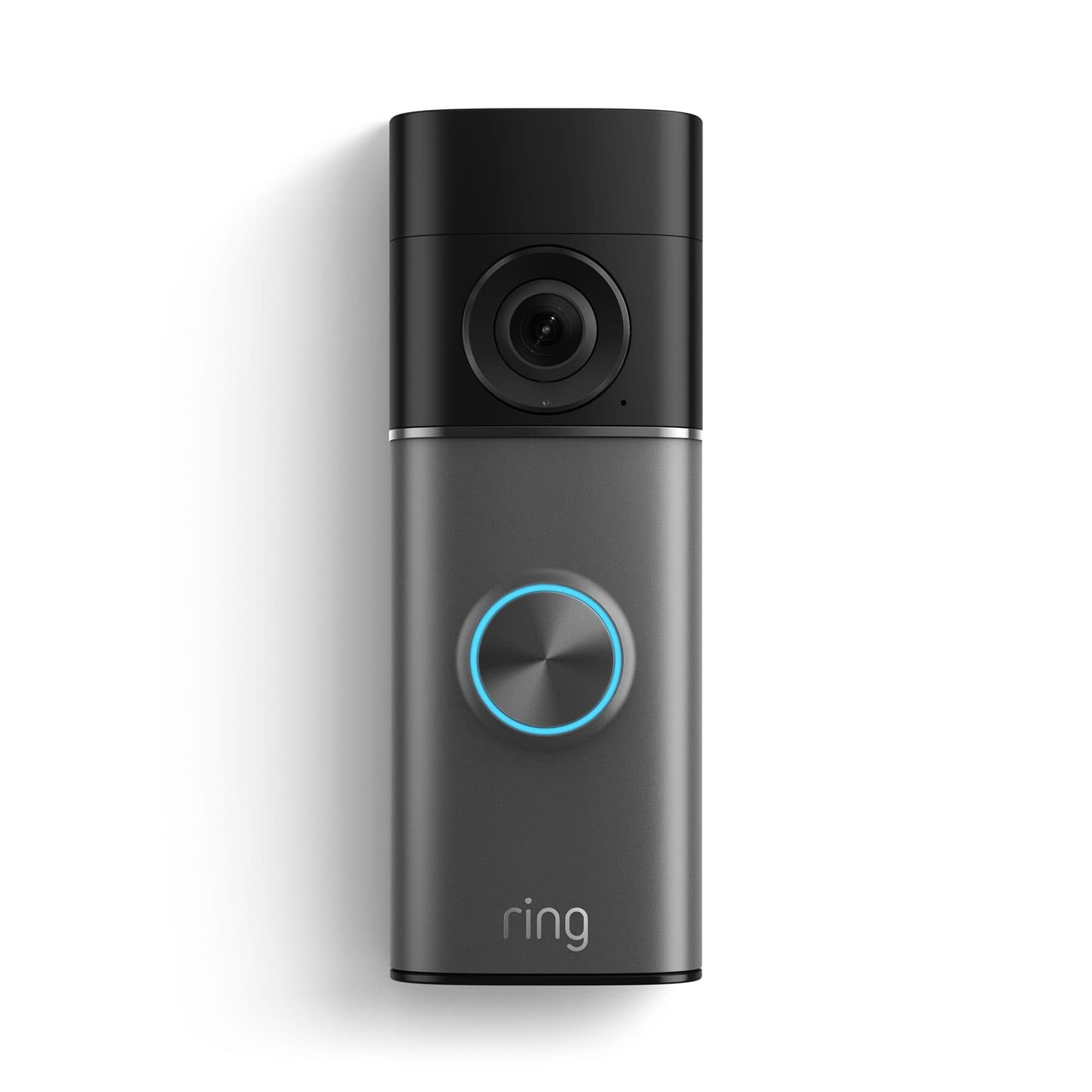
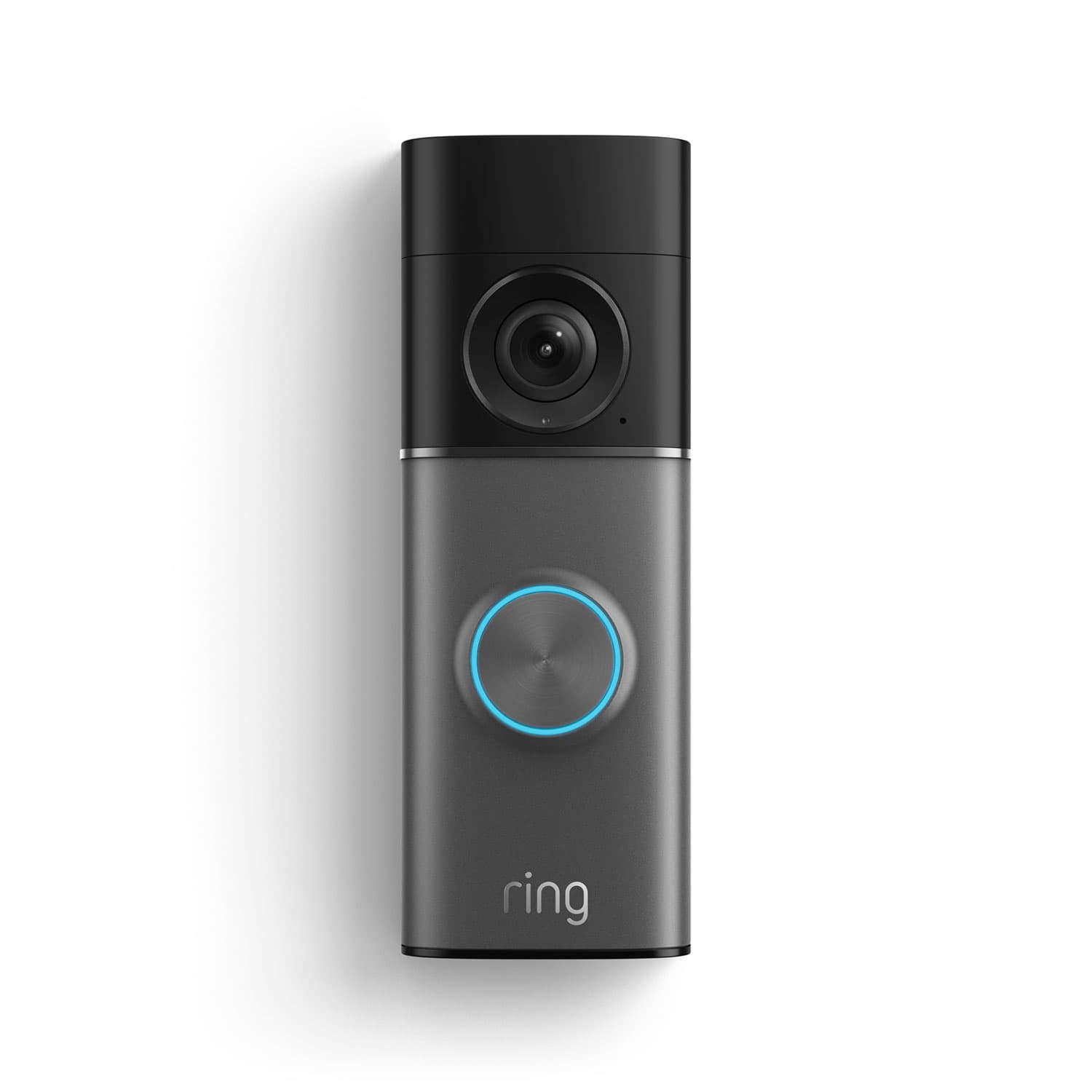
Ring Wired Doorbell Pro (3rd Gen).
Ring Wired Doorbell Pro (3rd Gen) — Retinal 4K resolution, 10× zoom that holds package-label detail, Low-Light Sight color in near-dark, 3D Motion Detection + Bird's Eye View. Wired install.
The Verdict.
Gavler Meta-Score
“The resolution-leadership pick. The right wired doorbell when 4K + 10× zoom + Low-Light Sight color matter and the buyer is already committed to the Ring + Echo ecosystem.”
The Gavler Verdict
The Gavler Review.
Ring Wired Doorbell Pro (3rd Gen) Review: The Resolution-Leadership Pick
The Ring Wired Doorbell Pro (3rd Gen) ranks third on our Best Smart Doorbells list with a 9.0, and it earns that spot on a single, clear claim: it's the highest-resolution wired doorbell on the mainstream market in 2026. Ring's Fall 2025 hardware refresh brings Retinal 4K video and a 10x zoom that actually holds package-label detail at distance, plus a Low-Light Sight color night-vision mode that keeps real color information visible after dark. Buy it if maximum video detail and Ring's broader ecosystem — Ring Alarm, Echo Hub — matter to you. If you're already deep in Google's smart-home ecosystem, the Nest Doorbell Wired (3rd Gen) at rank one is the better fit, even at a lower 2K resolution.
What it actually is
Video doorbells have mostly plateaued at 1080p-to-2K resolution for the past several years, which is enough to see a face but often not enough to make out fine detail — a package label, a license plate, a delivery driver's badge — from typical porch distances. The Wired Pro (3rd Gen) is Ring's answer to that gap: Retinal 4K resolution paired with a 10x enhanced digital zoom that's specifically engineered to preserve legibility as you zoom in, rather than just producing a larger, blurrier crop of the same 2K source.
Layered on top of the resolution jump is Low-Light Sight, a color night-vision mode that renders meaningful color detail in near-dark conditions — most competitor doorbells either drop to monochrome after dark or lose fine detail entirely once ambient light falls. The doorbell carries forward 3D Motion Detection with a Bird's Eye View overlay from the Ring Battery Doorbell Pro, giving a radar-based, top-down map of activity in the field of view rather than a flat rectangle-around-a-person box. It's a wired installation, drawing continuous 16–24V transformer power, which means no battery-recharge cycles and the fastest motion-event wake time of any doorbell on this list. Field of view is 150 degrees diagonal, described as "head-to-toe," and Wi-Fi support includes dual-band with Wi-Fi 6 for smoother 4K streaming. List price is $249.99, though it's been running around $199.99 on Amazon.
In use
The headline claim — that the 4K jump is a real, noticeable upgrade rather than a marketing number — holds up under independent review. Tom's Guide didn't hedge: "4K video makes a huge difference — the leap forward versus the 2nd Gen is real, and the 10x zoom holds package-label detail across the porch." That's a specific, falsifiable claim about zoom performance, not a vague resolution-spec bump, and it's exactly the use case that matters for a doorbell camera — reading a name on a package or a face at range, not just confirming someone is standing there.
PCMag's framing puts the upgrade in context for buyers deciding whether it's worth the money: "A major upgrade — especially if you want sharper video, smarter alerts, and better night vision. Worth the investment for homes where detail and reliability matter." The "reliability" part is worth noting alongside the video quality — as a wired doorbell, it isn't subject to the battery-drain and recharge-cycle complaints that dog battery-powered doorbell cameras, and it wakes faster on motion because it's never running in a battery-conservation mode.
The night-vision claim also checks out against independent testing. Best Buy's assessment: "Nighttime footage is vivid and colorful — the AI-tuned Retinal Vision processing produces enhanced low-light performance over the previous generation." And on the practical side of ownership, The Home Depot notes the install itself stays simple despite the hardware upgrade: "Installation is easy and takes about 15 minutes. The 3rd Gen supports dual-band Wi-Fi including Wi-Fi 6, and is slimmer and sleeker with more customizable faceplates." A meaningful hardware jump that doesn't also complicate the install is the right outcome for a product most buyers install themselves.
Where it shines
- Genuinely best-in-class resolution. Retinal 4K plus a 10x zoom that holds package-label detail is a real, independently confirmed differentiator versus both the 2nd Gen Ring and most of the category.
- Color night vision that actually works. Low-Light Sight renders usable color detail after dark, where many competitors go monochrome or lose fine detail entirely.
- 3D Motion Detection with Bird's Eye View. Radar-powered motion mapping gives a spatial, top-down read on activity, rather than a flat bounding box — genuinely more useful for distinguishing a passerby from someone approaching the door.
- Wired reliability. Continuous transformer power means no recharge cycles and the fastest motion-wake time on this list — a real advantage over battery doorbells during high-traffic periods.
The trade-offs — who should skip it
This is the resolution-leadership pick, not the best-value or best-ecosystem pick for everyone, and the honest reasons to choose differently are specific:
- You're on Apple HomeKit or want the deepest Google integration. Ring doesn't support Apple HomeKit at all, and its Google Home integration is weaker than Nest's native fit. If you've built your smart home around either ecosystem, the resolution advantage may not offset the friction.
- You don't want an ongoing subscription. Video history requires Ring Protect, running $4.99 to $10 a month. Live view works without it, but the feature that makes a doorbell camera useful after an incident — pulling up the recording — is gated behind that recurring cost.
- You need battery/wireless installation. This is a wired-only doorbell requiring 16–24V transformer power. If your home doesn't already have doorbell wiring, or you want the flexibility of battery placement, this isn't the model — Ring's Battery Doorbell Pro line covers that need instead.
How it compares
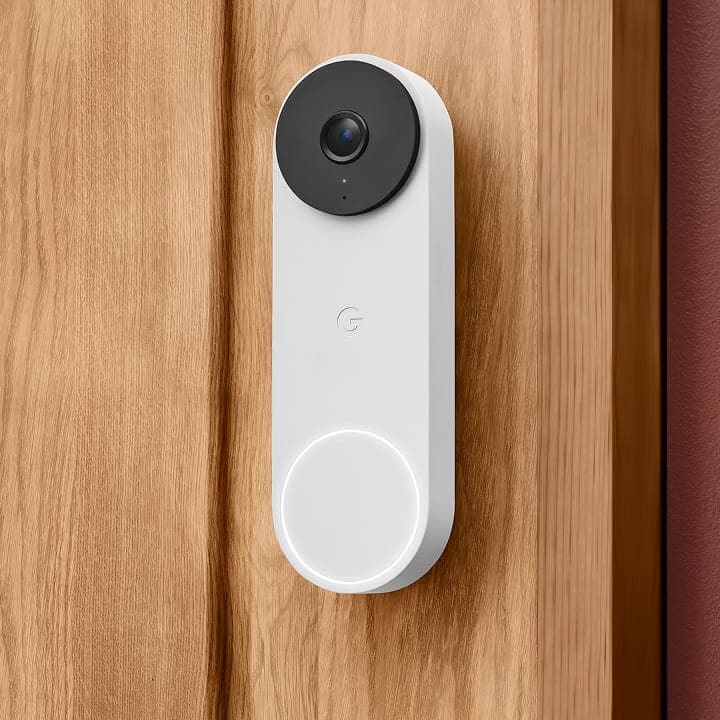
The Nest Doorbell Wired (3rd Gen) at rank one on this list is the ecosystem alternative — cleaner Google Home integration, Familiar Faces recognition, and the ongoing Gemini for Home rollout, at 2K resolution rather than 4K. The Ring Battery Doorbell Pro at rank two shares the same 3D Motion Detection and Bird's Eye View feature set but trades wired reliability for battery-powered installation flexibility. The decision among these three is less about which is "best" and more about which trade-off fits your home: resolution and Ring ecosystem depth (this doorbell), Google ecosystem depth (the Nest), or installation flexibility (the Ring Battery Pro).
The Gavler verdict
A 9.0, reflecting a doorbell that wins clearly on the one spec that matters most for a camera: image quality you can actually use. Retinal 4K and a 10x zoom that holds real detail, backed by independently confirmed low-light color performance and a fast, reliable wired connection, make the Ring Wired Doorbell Pro (3rd Gen) the resolution-leadership pick in the category. The subscription dependency and the lack of Apple HomeKit support are real costs to weigh, and buyers deep in Google's or Apple's ecosystems should look elsewhere first. But for anyone prioritizing video detail and already living in the Ring or Echo world, this is the doorbell to buy.
Common Questions
Yes, if maximum video resolution and zoom detail matter most to you and you're already invested in the Ring or Echo ecosystem. It ranks third on Gavler's Best Smart Doorbells list with a 9.0, built around Retinal 4K resolution and a 10x zoom that holds package-label detail at distance — the highest-resolution wired doorbell on the mainstream market in 2026. Currently discounted to around $199.99 on Amazon from its $249.99 MSRP, which strengthens the value case through the current sale window.
Tom's Guide calls it a huge difference versus the 2nd Gen, writing that '4K video makes a huge difference — the leap forward versus the 2nd Gen is real, and the 10x zoom holds package-label detail across the porch.' PCMag frames it similarly, calling the 3rd Gen 'a major upgrade — especially if you want sharper video, smarter alerts, and better night vision.'
For full functionality, yes. Video history and recording review require a Ring Protect subscription, which runs $4.99 to $10 per month depending on the plan. Live view and basic motion alerts work without a subscription, but the video-history feature that makes a doorbell camera actually useful after the fact is gated behind the paid plan — a real ongoing cost to factor into the purchase.
Buy the Ring if 4K resolution, 10x zoom, and deeper Ring Alarm and Echo Hub integration are the priority — that's specifically what this doorbell is built to win on. Buy the Nest Wired (3rd Gen), which ranks first on this list, if cleaner Google ecosystem integration matters more to you, including Familiar Faces recognition and the Gemini for Home rollout, at a lower 2K resolution. It's a resolution-versus-ecosystem trade, not a clear win for either side.
Where to Buy.
Prices checked regularly
90-day price history
Price History
Steady at $200 for the entire 90-day tracking window — no increases, no discounts, across 91 tracked days.
Tracked daily across retailers. Vote Want itabove and we’ll alert you the moment the price drops.
Some links are affiliate links — Gavler may earn a commission. This never affects rankings or scores. Learn more.
Precision Engineering
Retinal 4K + 10× Zoom
True 4K resolution with a 10× zoom that preserves package-label legibility at distance — the highest-resolution wired doorbell on the mainstream market in 2026.
Low-Light Sight Color Night Vision
Renders usable color information in near-dark conditions where competitor doorbells either go monochrome or lose detail entirely. AI-tuned exposure for low-light scenes.
Wi-Fi 6 Dual-Band + 3D Motion
Dual-band Wi-Fi including Wi-Fi 6 for the smoothest 4K streaming, plus radar-powered 3D Motion Detection with Bird's Eye View overlay carried forward from the Battery Pro.
Technical Specifications
The Scoreboard
Tom's Guide calls the 4K upgrade a huge difference vs the 2nd Gen. Expert consensus reflects the resolution leadership and 10× zoom; community scores reflect the Ring Protect subscription dependency and premium pricing relative to the Nest 3rd Gen wired flagship.
Cast Your Vote
Do you think Ring Wired Doorbell Pro (3rd Gen) deserves the #3 spot in Best Smart Doorbells?
Global Critique
“4K video makes a huge difference — the leap forward versus the 2nd Gen is real, and the 10× zoom holds package-label detail across the porch.”
“Installation is easy and takes about 15 minutes. The 3rd Gen supports dual-band Wi-Fi including Wi-Fi 6, and is slimmer and sleeker with more customizable faceplates.”
“Nighttime footage is vivid and colorful — the AI-tuned Retinal Vision processing produces enhanced low-light performance over the previous generation.”
“A major upgrade — especially if you want sharper video, smarter alerts, and better night vision. Worth the investment for homes where detail and reliability matter.”
More from Best Smart Doorbells.
See how other top picks compare in this category.