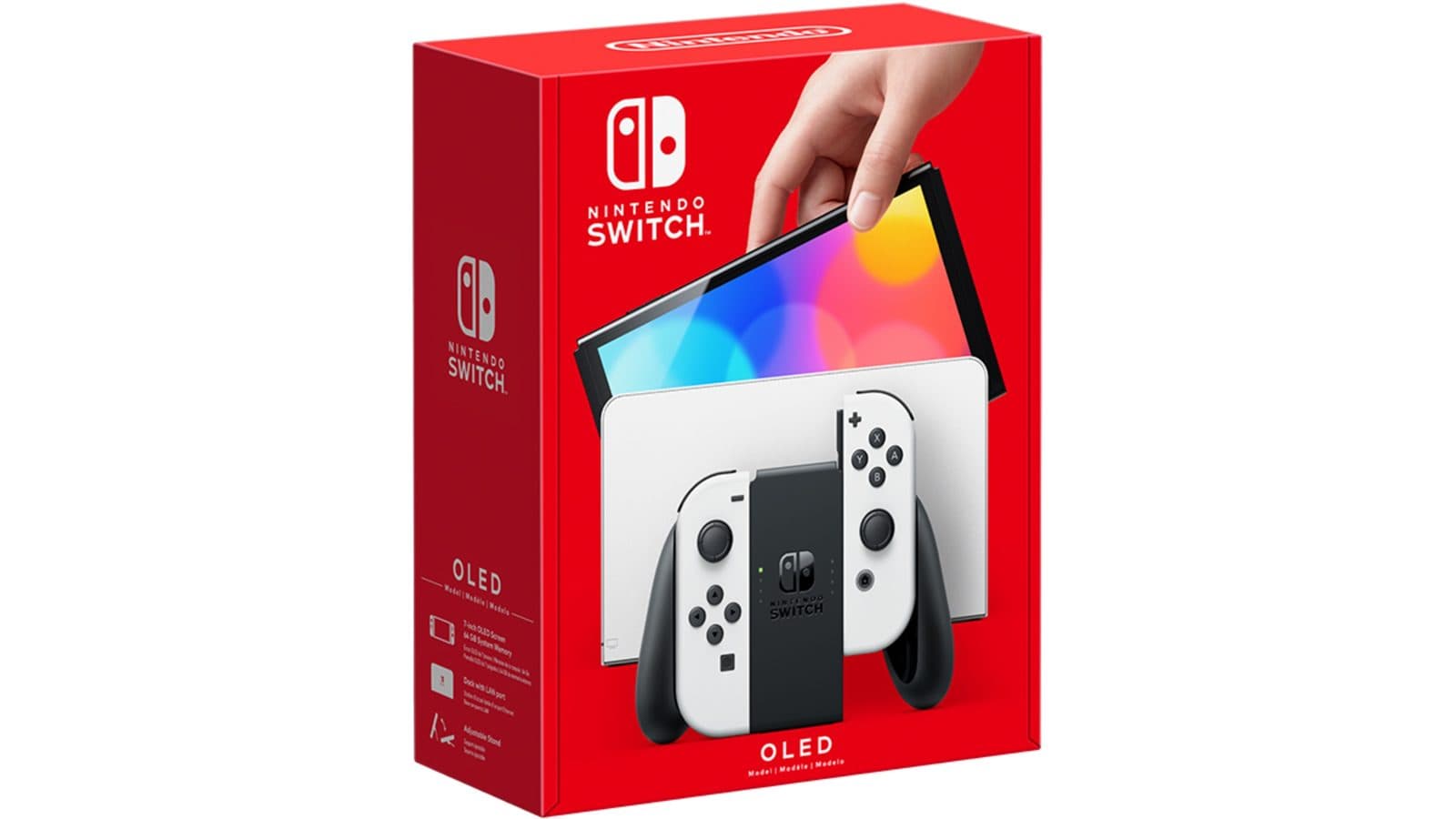
Nintendo Switch — OLED Model.
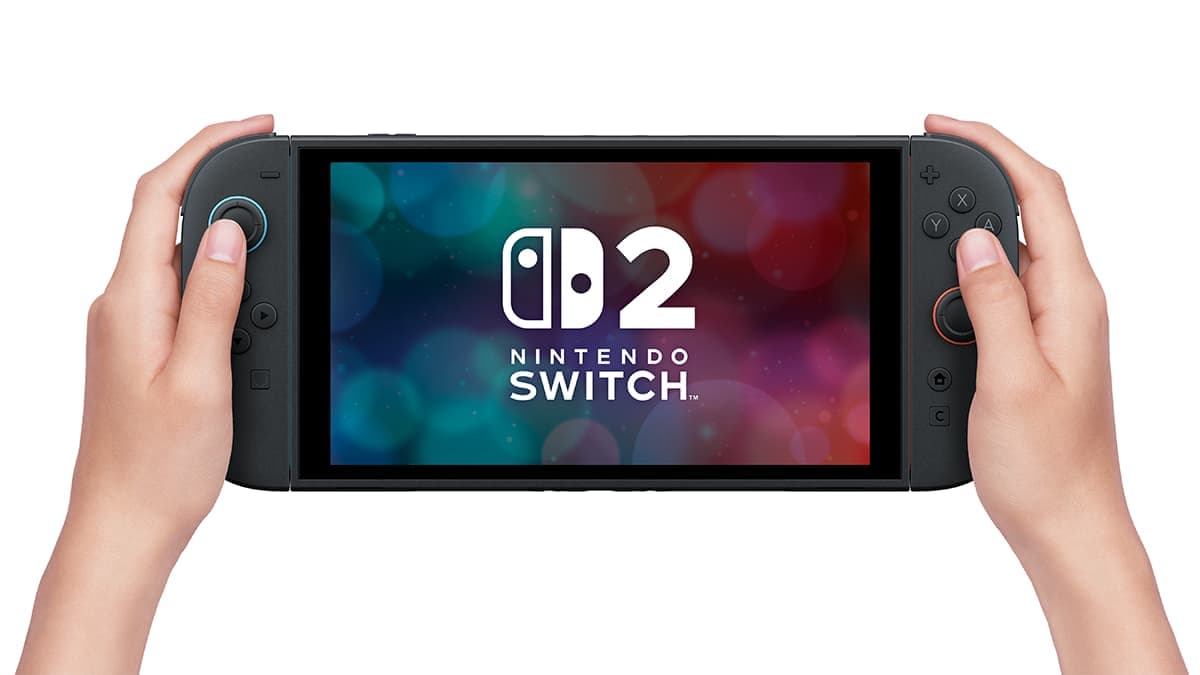
The original Switch with a 7-inch OLED — an affordable companion to the Switch 2.
The Verdict.
Gavler Meta-Score
“Still lovely, and now a value buy beneath the Switch 2. A great pick for kids or as a second handheld for the huge Switch back catalog.”
The Gavler Verdict
The Gavler Review.
Nintendo Switch OLED Review: A Great Console Made Better by Being Cheaper
The Nintendo Switch — OLED Model ranks number 6 on Gavler's Best Game Consoles list with an 8.4, and its position has quietly shifted over the past year from "the Switch to buy" to "the budget Switch to buy." With the Switch 2 now Nintendo's flagship, the OLED model has settled into a genuinely useful role: an affordable, vivid-screened entry point to one of gaming's best back catalogs. Tom's Guide called it "an easy recommendation for first-time Switch buyers," and that's exactly the audience it now serves best. Buy it for a second console, a kids' pick, or a budget-conscious first Switch. Skip it if you specifically want current-generation Nintendo performance — that's what the Switch 2 is for.
What it is
The Switch OLED Model keeps the same fundamental hybrid design that made the original Switch a phenomenon — handheld, tabletop, and docked TV play from one device — while upgrading the screen to a 7-inch OLED panel that delivers noticeably richer colors and deeper blacks than the LCD models it succeeded. It ships with 64GB of internal storage, a wide adjustable kickstand that spans the back of the unit for stable tabletop play at more angles than the original's narrow stand, and access to the full existing Switch software library — thousands of games built up over the platform's multi-year run. At $349.99, it now sits as Nintendo's lower-cost current offering, positioned beneath the Switch 2.
In use
The Verge's review distills the OLED model's entire value proposition into one honest sentence: "It all comes down to that screen. You already know what else to expect from a Switch. It hasn't changed all that much in four years. But if you want that experience to look better, brighter, and more vibrant when you're away from the TV, the choice is simple." That's an accurate framing, and it's aged well specifically because it never oversold the upgrade. This isn't a new console generation — it's the same beloved hybrid experience with a genuinely better display for handheld and tabletop play, which is where a Switch spends most of its life for most owners.
Tom's Guide's review reaches a similarly grounded conclusion while adding a useful distinction between buyer types: "The Nintendo Switch OLED sports a gorgeous screen, an improved kickstand and lots of storage space. It's an easy recommendation for first-time Switch buyers — and an extravagance for current Switch owners." That's an important nuance for anyone weighing this purchase in 2026. If you don't already own a Switch, the OLED model is close to a no-brainer at its current price — you get the best version of the original hardware generation, with a screen upgrade that meaningfully improves the experience in the exact contexts (handheld and tabletop) where you'll notice it most. If you already own a working LCD Switch, the case is much weaker; you're paying for a screen upgrade on hardware that otherwise plays identically.
The kickstand improvement is a smaller but genuinely appreciated change — a wide, free-stop design that replaces the original's narrow, single-angle stand, making tabletop multiplayer and hands-free viewing meaningfully more stable and flexible. It's the kind of upgrade that doesn't show up in headline marketing but matters in daily use.
Strengths
- A genuinely superior 7-inch OLED screen. Richer colors and deeper blacks than the LCD models, and the single upgrade that defines this hardware revision.
- The entire existing Switch software library. Years of accumulated first-party and third-party games, all fully compatible.
- A wider, more stable kickstand. A small but real ergonomic improvement for tabletop play over the original design.
- Genuine value now that it's the budget option. At $349.99, well beneath the Switch 2, it's an accessible entry point for price-conscious buyers.
- "An easy recommendation for first-time Switch buyers," per Tom's Guide. A specific, confident endorsement for exactly the audience it now targets.
The trade-offs — who should skip it
- It's not current-generation Nintendo hardware anymore. The Switch 2 is where Nintendo's newest first-party titles and performance improvements now live; the OLED model runs the previous generation's library and hardware ceiling.
- The upgrade over a base LCD Switch is real but narrow. As Tom's Guide put it, it's "an extravagance for current Switch owners" — don't replace a working LCD Switch just for the screen.
- 64GB of storage is tight by modern standards. Larger modern game installs and downloadable content will push most players toward a microSD card fairly quickly.
- Docked output hasn't changed. The screen upgrade is specifically a handheld and tabletop benefit — TV output resolution and performance are unchanged from the base Switch.
How it compares
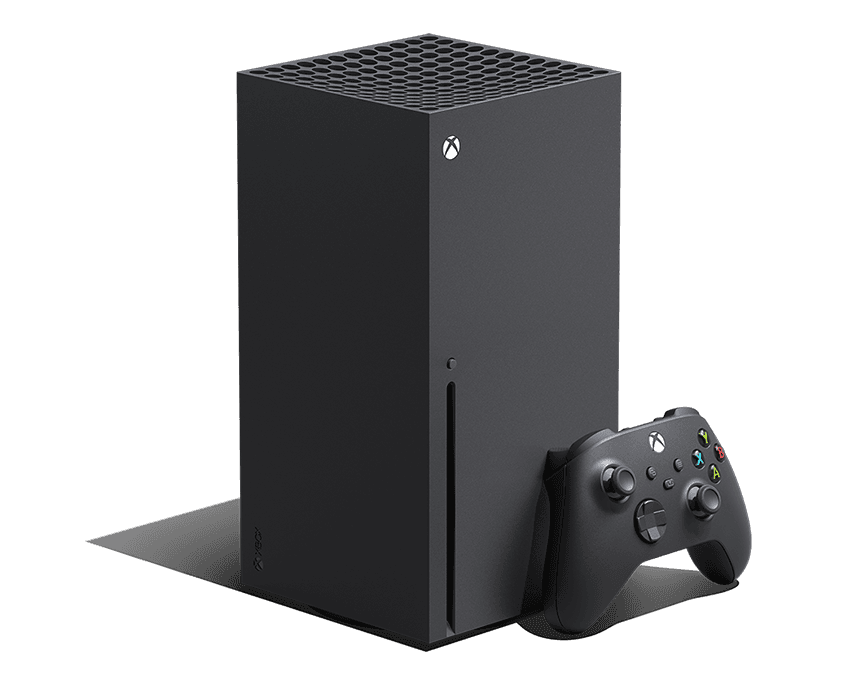
One rank above on the same list, the Xbox Series S offers a genuinely different value proposition at a similar $399.99 price point: full current-gen third-party gaming and Game Pass rather than Nintendo's first-party ecosystem. The two rarely compete for the exact same purchase, but they're worth weighing together for a household considering a second, budget-friendly console alongside a primary system.
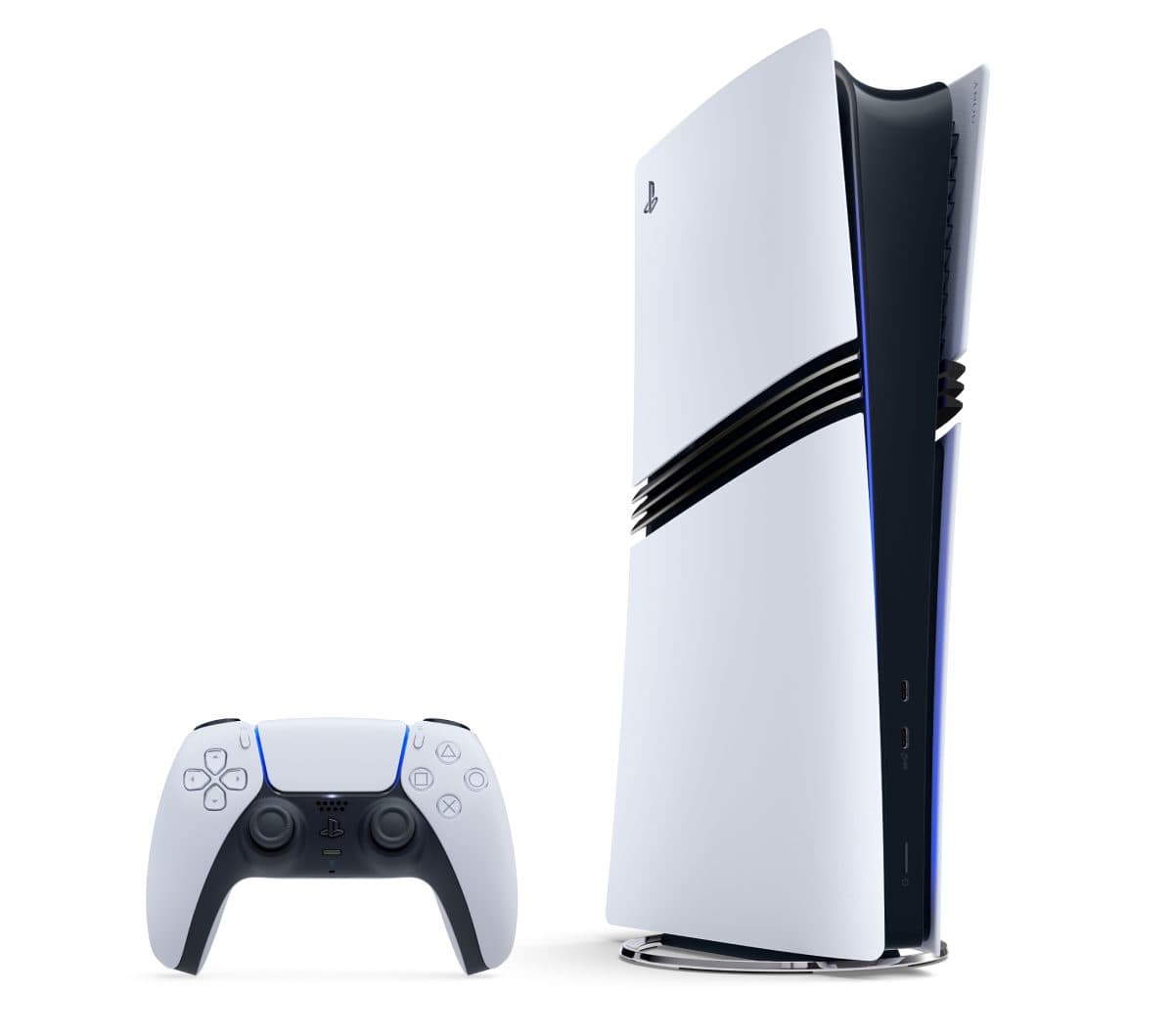
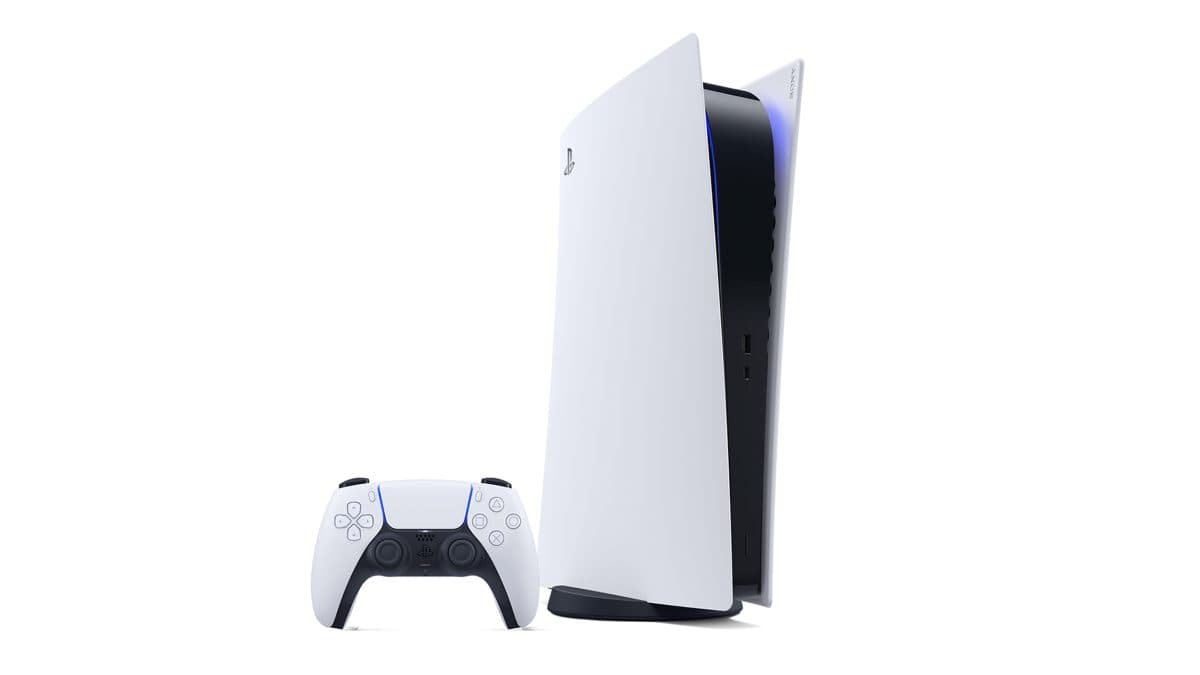
Two ranks above, the PlayStation 5 Slim represents the mainstream third-party alternative at a higher price — the full current-gen PlayStation library in a smaller chassis, for players prioritizing raw performance and PlayStation exclusives over Nintendo's specific catalog.
The Gavler verdict
An 8.4 for a console that's found a smart second act as Nintendo's value pick rather than fading in relevance after the Switch 2's arrival. The Verge's and Tom's Guide's reviews both hold up well years later because they made an honest, specific case rather than overselling the upgrade: better screen, same great library, and an easy recommendation specifically for buyers who don't already own a Switch. If that's you — especially if you're shopping for a kid, a second household console, or the most affordable legitimate way into Nintendo's back catalog — the Switch OLED remains an easy buy. If you want Nintendo's newest hardware and games, that's what the Switch 2 is for.
Common Questions
Yes, especially as a budget option or second console. It ranks number 6 on Gavler's Best Game Consoles list with an 8.4. Tom's Guide called it 'an easy recommendation for first-time Switch buyers,' and at $349.99 it now sits well below the Switch 2 as Nintendo's value pick.
The headline change is the display: a 7-inch OLED panel with richer colors and deeper blacks than the original LCD models, in the same overall body size. The Verge summed it up directly — 'it all comes down to that screen' — since the console's games, performance, and library haven't fundamentally changed.
Buy the Switch 2 if you want current-generation Nintendo performance and the newest first-party games built specifically for it. Buy the Switch OLED if budget matters more than raw power — it's a genuinely excellent, far cheaper way to access the enormous existing Switch library, and a common recommendation as a second console or a pick for younger players.
Tom's Guide's verdict frames it well: an easy recommendation for first-time buyers, but 'an extravagance for current Switch owners' who already have a working console. The upgrade is real but incremental — worth paying for if you're buying new, less clearly worth it as an upgrade from an existing LCD Switch.
Where to Buy.
Prices checked regularly
90-day price history
Price History
Steady at $349 for the entire 90-day tracking window — no increases, no discounts, across 91 tracked days.
Tracked daily across retailers. Vote Want itabove and we’ll alert you the moment the price drops.
Some links are affiliate links — Gavler may earn a commission. This never affects rankings or scores. Learn more.
Precision Engineering
7-Inch OLED
The 7-inch OLED panel produces richer colors and deeper blacks than the LCD models while keeping the same overall body size.
Three Play Modes
The console supports handheld, tabletop and docked play, switching between portable and television output as needed.
Wide Adjustable Stand
A broad, free-stop kickstand spans the back of the unit, allowing stable tabletop play at a range of viewing angles.
Technical Specifications
The Scoreboard
A long-beloved hybrid; the OLED screen and library keep it relevant as the budget Nintendo option.
Cast Your Vote
Do you think Nintendo Switch — OLED Model deserves the #6 spot in Best Game Consoles?
Global Critique
“It all comes down to that screen. You already know what else to expect from a Switch. It hasn't changed all that much in four years. But if you want that experience to look better, brighter, and more vibrant when you're away from the TV, the choice is simple.”
“The Nintendo Switch OLED sports a gorgeous screen, an improved kickstand and lots of storage space. It's an easy recommendation for first-time Switch buyers — and an extravagance for current Switch owners.”
More from Best Game Consoles.
See how other top picks compare in this category.