The Verdict
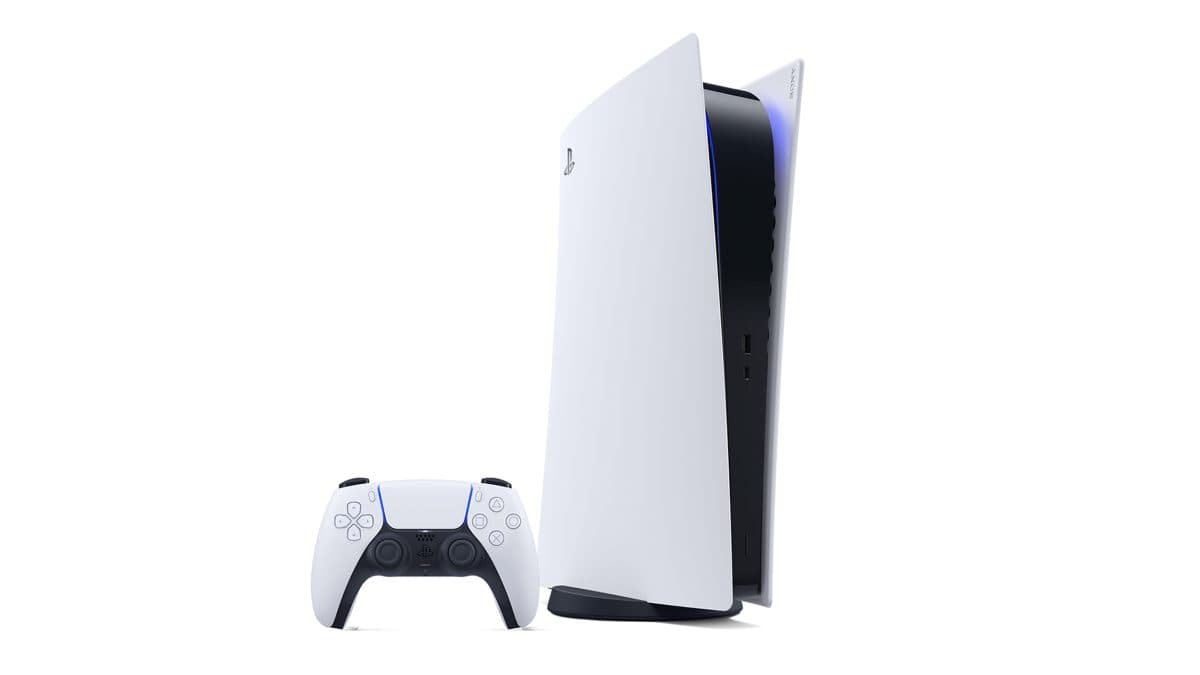
“Sony's flagship — a big GPU jump plus PSSR AI upscaling for the best console image quality you can buy.”
22% Strong
of 233 votes
Home game consoles ranked — PS5 Pro, Xbox Series X|S, Switch 2 — the best box for your living room.

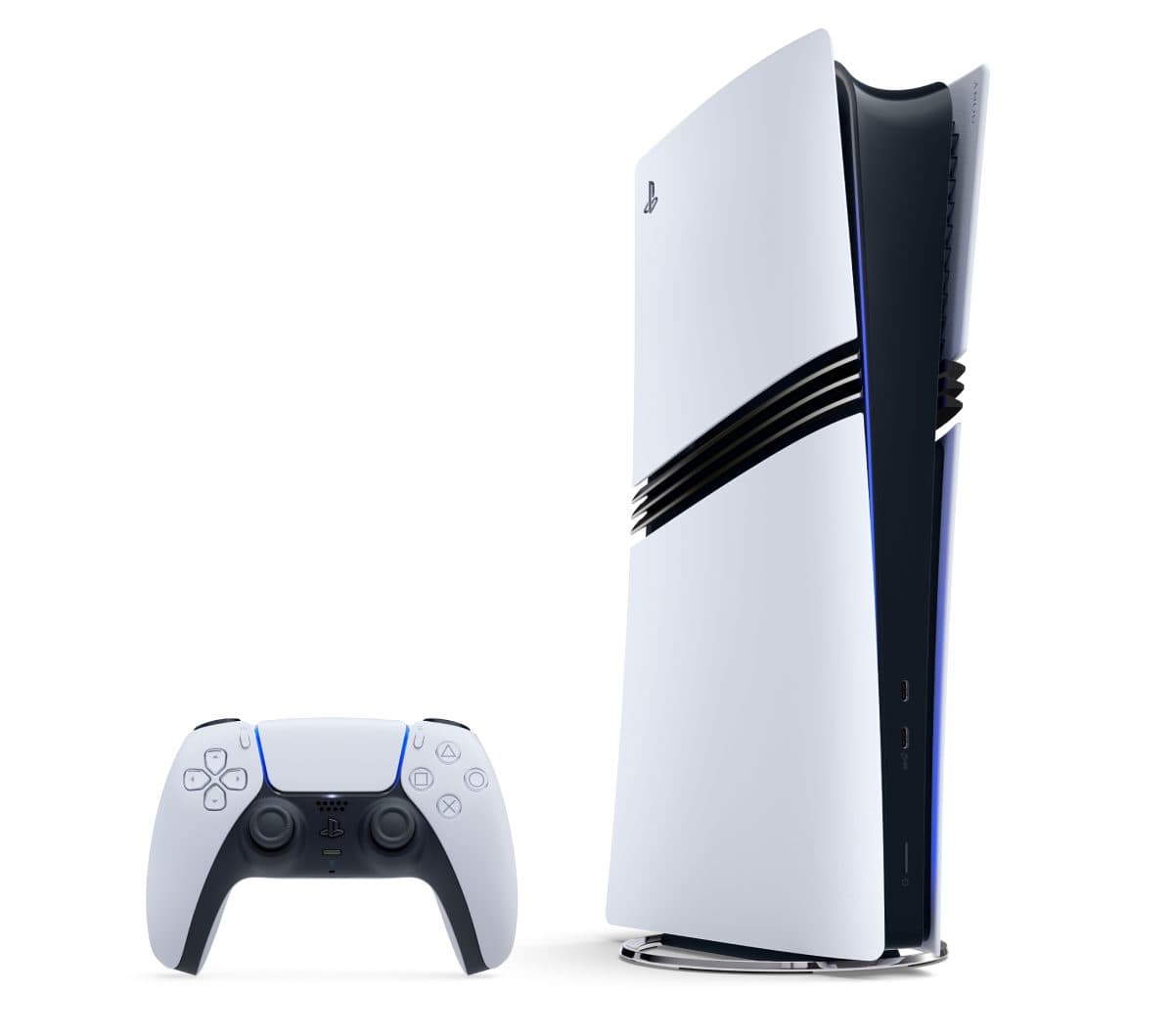
“Sony's flagship — a big GPU jump plus PSSR AI upscaling for the best console image quality you can buy.”
22% Strong
of 233 votes

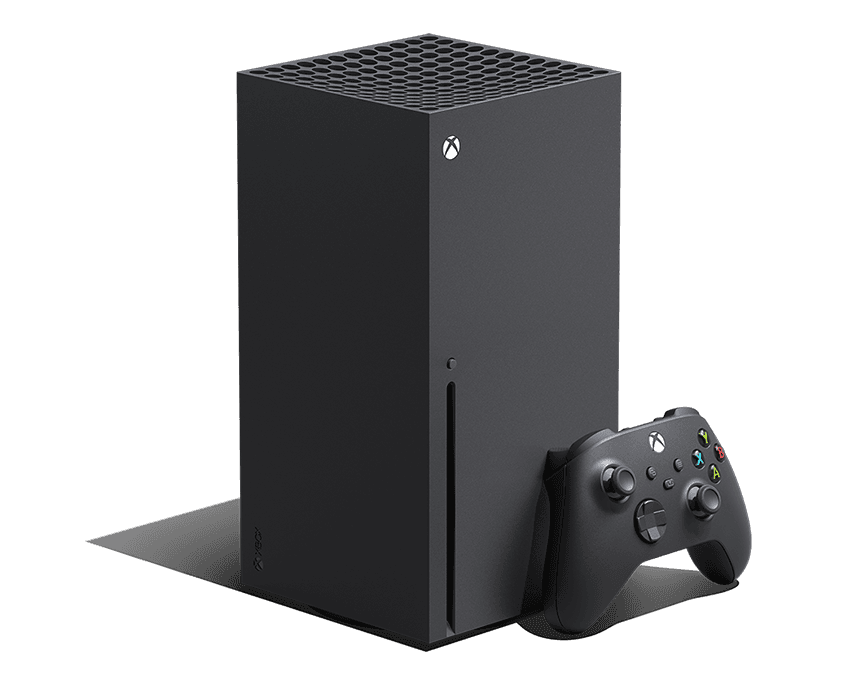
“Microsoft's 12-teraflop flagship — the most raw power in the Xbox line, with Game Pass and quick resume.”
17% Strong
of 233 votes

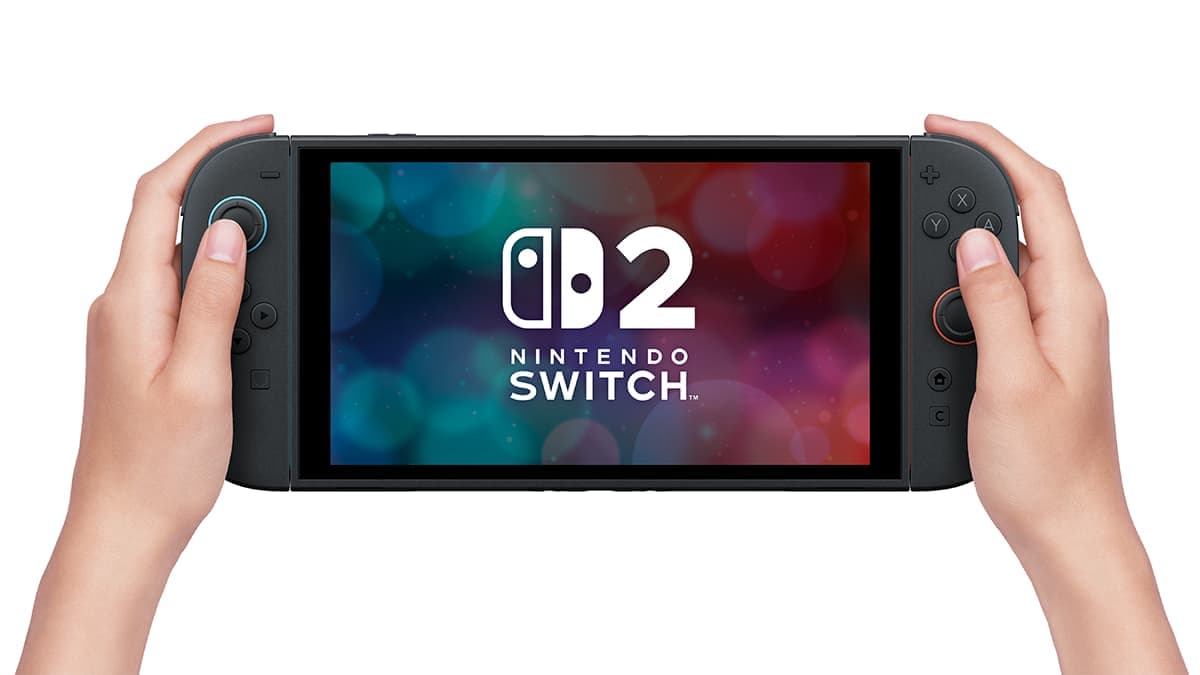
“The only place to play first-party Nintendo — a major power bump and a gorgeous 1080p/120Hz handheld screen.”
20% Strong
of 233 votes

“The standard PS5 in a smaller chassis with a detachable disc drive — the mainstream pick for the PS5 library.”
15% Strong
of 233 votes

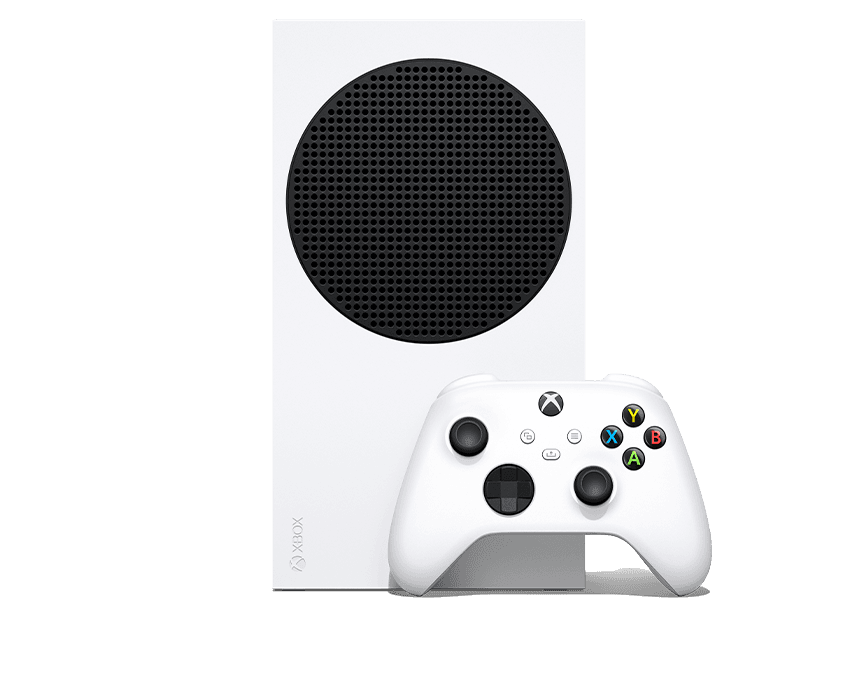
“The $399 all-digital entry — by far the cheapest way into current-gen gaming and Game Pass.”
14% Solid
of 233 votes

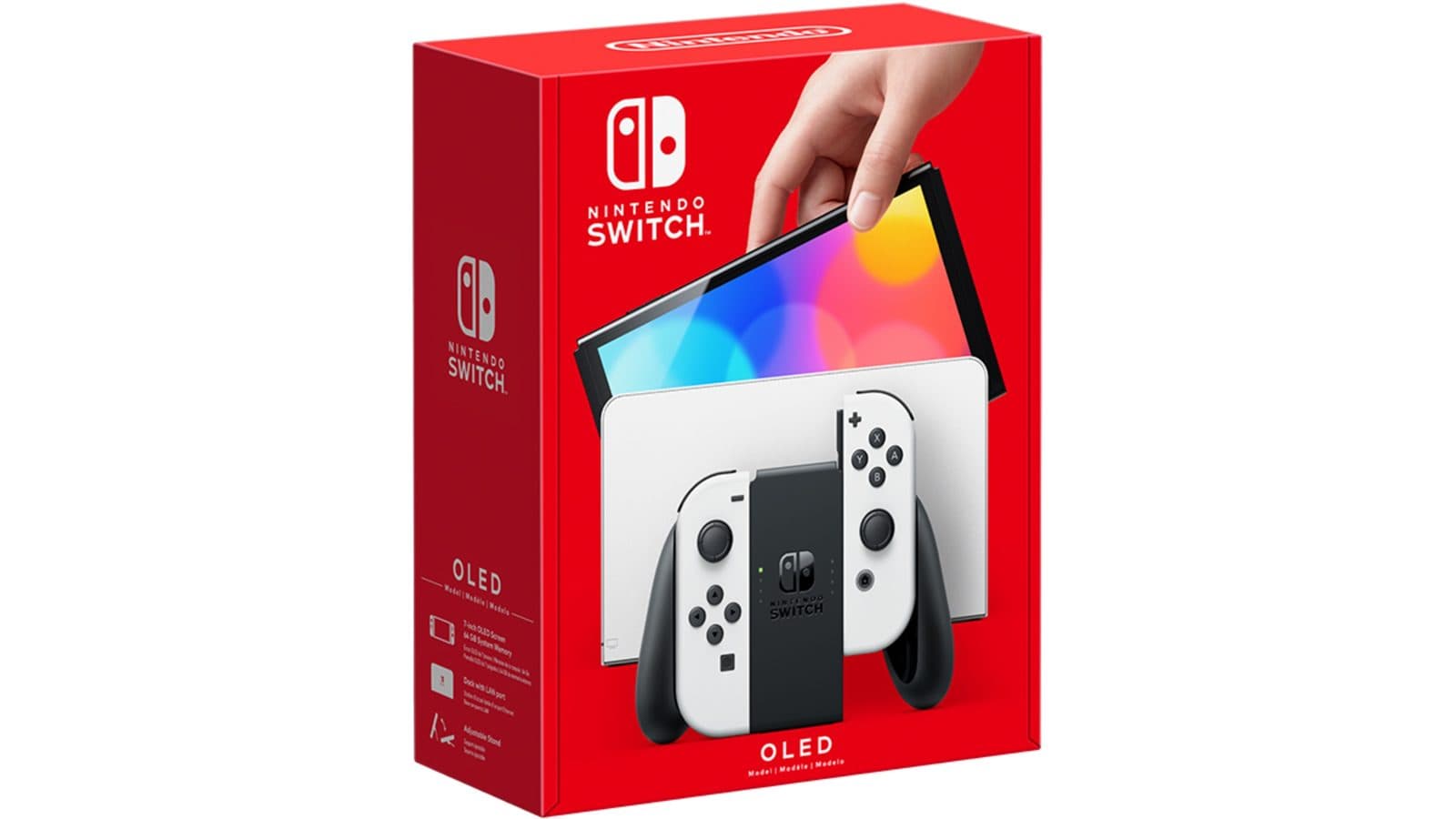
“The original Switch with a vivid 7" OLED — a great-value second console and backward-compatible library.”
12% Solid
of 233 votes
There is no single best console, because the choice is really about which library you want. For premium living-room gaming and PlayStation exclusives, the PS5 Pro is the most powerful box you can buy — it tops Gavler's list with a 9.1. For the best value in current-gen gaming and access to Game Pass, the Xbox Series X (or the cheaper Series S) is the smart pick. For Nintendo exclusives like Mario, Zelda, and Pokémon, the Switch 2 is the only option, full stop — and it pairs that with true handheld portability. Decide which games you cannot live without first, then buy the box that plays them.
Buy the PS5 Pro at $899 if you want the most powerful console on the market, the strongest first-party exclusives (God of War, Spider-Man, The Last of Us), and the best image quality, thanks to its larger GPU and PSSR AI upscaling. Buy the Xbox Series X at $649 if you value Game Pass — over 100 games for one subscription is the best deal in gaming — and library access over raw exclusives. On paper the Series X edges the standard PS5 in teraflops, but the PS5 Pro sits a clear tier above both in real performance. The honest split: PlayStation for the exclusives and the hardware ceiling, Xbox for the service value.
Only if you have a 4K TV (ideally with a high refresh rate) and you care about image quality. The PS5 Pro's bigger GPU and PSSR machine-learning upscaling deliver noticeably sharper, more stable visuals in the growing list of games with a Pro-enhanced mode — you get 4K-class detail at higher, steadier frame rates. But the Pro plays the exact same library as the $649 PS5 Slim, and neither the Pro nor the all-digital Pro includes a disc drive (it is a $79 add-on). For a 1080p TV or a buyer who just wants the PS5 catalog, the Slim is the better spend. The Pro is for the player chasing the best-looking version of every game.
The Xbox Series S at $399 is the cheapest way into current-gen gaming and Game Pass, and for a 1080p or entry 1440p TV it is genuinely enough — same CPU class, same quick-resume, same library, just a smaller GPU and 512GB of (all-digital) storage. Step up to the Series X at $649 if you have a 4K TV, want a disc drive for physical games and 4K Blu-rays, or want the headroom for the most demanding titles. For most living rooms the Series S is the better value; the Series X is the one to buy if you are committing to 4K or want discs.
Yes, as a second console or a budget entry. At $349 the original Switch with its 7-inch OLED screen is the cheapest way into Nintendo's enormous back catalog, it remains a wonderful handheld, and it is backward-compatible territory for the family that already owns Switch games. It is not the console to buy if you want the newest first-party releases at their best — that is the Switch 2's job — but for kids, travel, or a living-room-plus-bedroom two-console setup, the OLED still earns its $349.
Think a product deserves a spot on this list? Submit a formal proposal with documented specs and the community will review it.