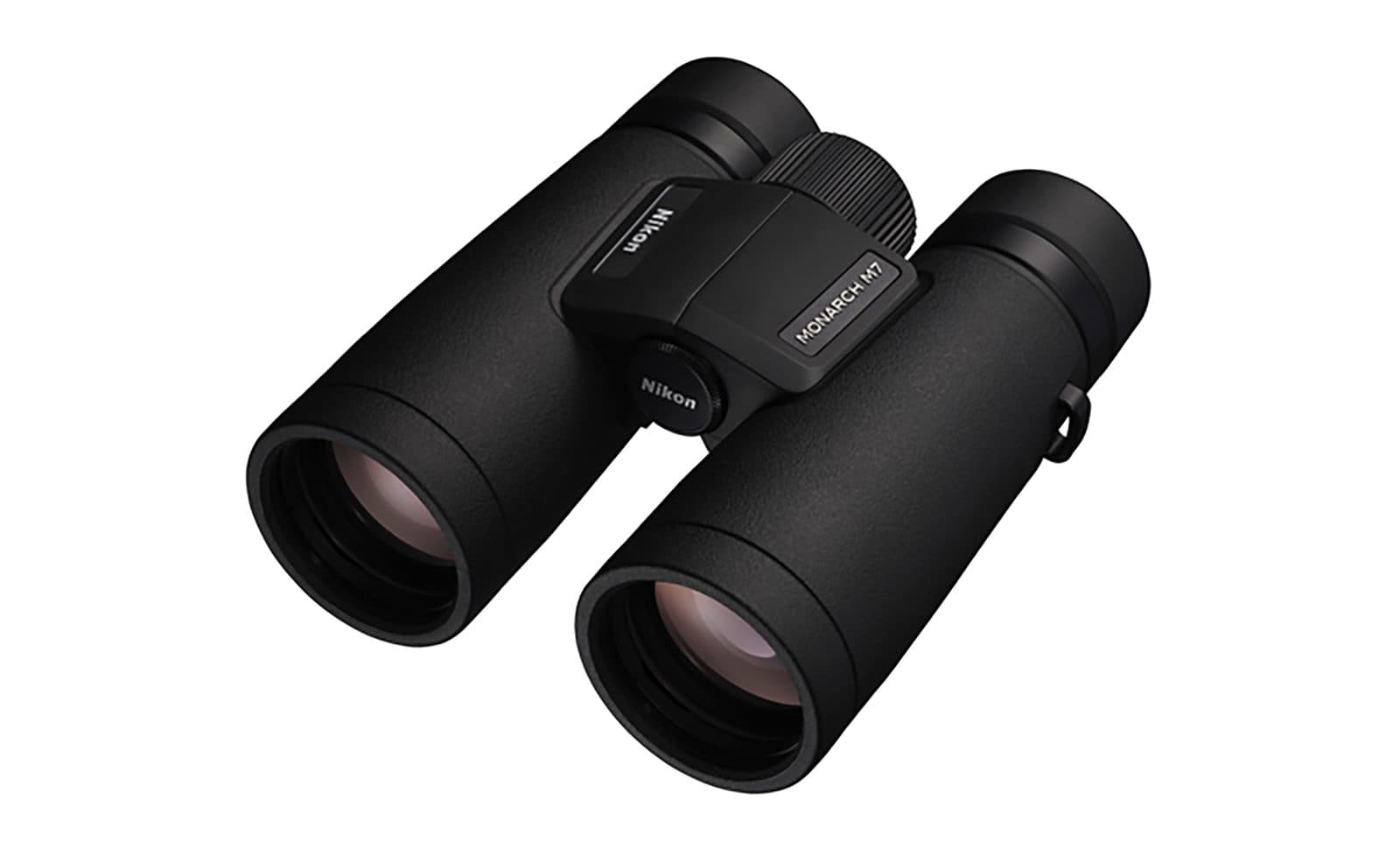
Nikon Monarch M7 10x42.
ED glass with a wide 362-foot field of view at a fraction of alpha pricing — the value pick for serious birders.
The Verdict.
Gavler Meta-Score
“The mid-premium sweet spot: ED glass and a wide 362-foot field at a fraction of alpha pricing. It won't match an alpha's brightness or edge sharpness, but it gives up far less than the price gap suggests — the value pick for serious birders.”
The Gavler Verdict
The Gavler Review.
Nikon Monarch M7 10x42 Review: Alpha-Class Logic at a Quarter of the Price
The Nikon Monarch M7 10x42 ranks fifth on our Best Binoculars list with a 9.1, and it earns that spot by proving how much of the alpha-class experience is available well below alpha-class pricing. At $750 — a quarter of what our top-ranked binocular costs — it pairs genuine ED glass with a field of view wide enough to actually track birds, not just a spec-sheet number. Buy it if you're a serious birder who wants real optical performance without a four-figure commitment. It won't match a $3,000-plus alpha's outright brightness or edge sharpness, but it gives up far less than the price gap suggests.
What it actually is
The Monarch M7 sits deliberately in what Nikon calls the mid-premium tier: ED (extra-low-dispersion) glass that controls the color fringing cheaper binoculars struggle with, a 362-foot field of view at 1,000 yards, fully multicoated optics, and a locking diopter — all well under four figures. That's a real engineering commitment at this price point, not a marketing dress-up of budget glass. A 24-ounce body with 16.5mm of eye relief rounds out a package built for long sessions and glasses-wearing users alike.
The honest positioning is exactly what the price suggests: this isn't trying to be an alpha binocular, and Nikon doesn't pretend otherwise. It's built to compete meaningfully above its price bracket rather than to match the very top of the category, and that distinction matters for how you should evaluate it.
In use
OutdoorGearLab's hands-on testing is the clearest verdict available, and it's an enthusiastic one: "we were pleased with the clarity of the Nikon Monarch M7 10x42's and felt they offer everything you could expect and more from a pair of binoculars without spending multiple thousands of dollars." That's a direct, deliberate framing against the alpha-class competition — not a claim that it beats them, but that it gets close enough that the price difference stops making obvious sense for a lot of buyers.
The same review singles out the control layout: "the locking diopter, easy to twist and slide eye-cups, and a smooth focusing knob that requires little effort to move, all help set the Nikon Monarch M7 10x42 apart from other binoculars." Those are the details that matter after an hour of actual use in the field — a diopter that doesn't drift, eyecups that adjust without a fight, and a focus wheel that doesn't require re-gripping the whole binocular to turn.
One measured detail is worth flagging because it's a pleasant surprise rather than a letdown: Nikon's stated close-focus distance is 8.2 feet, but OutdoorGearLab's hands-on measurement found the actual close focus reaches roughly 5.8 feet — nearly two feet closer than advertised. That matters for anyone who also uses a 10x42 for closer subjects like butterflies or nearby feeder activity, not just distant birds.
Strengths
- ED glass and real optical engineering at a non-alpha price. Extra-low-dispersion glass and full multicoating aren't cut corners here — they're the same fundamental technology the four-figure binoculars use, in a smaller, lighter package.
- A field of view that's genuinely competitive, not just adequate. 362 feet at 1,000 yards is wide enough to find and track moving birds, a real functional requirement rather than a spec-sheet checkbox.
- Close focus that beats its own advertised spec. OutdoorGearLab's measured 5.8-foot close focus against Nikon's stated 8.2 feet is a rare case of a product quietly overperforming its own marketing.
- Genuinely glasses-friendly and lighter than the alpha tier. At 24 ounces with 16.5mm eye relief, it's more comfortable for long sessions and glasses wearers than the heavier alpha binoculars ranked above it on this list.
The trade-offs — who should skip it
- Field of view is merely good, not class-leading. OutdoorGearLab's own summary calls it out directly: "our only criticisms with this model are its average field of view and the fact that while it offers bright views with great light transmission, it is not quite as bright as other premium models at higher price points." That's an honest, specific limitation rather than a vague knock.
- Brightness trails the alpha tier at higher price points. If outright light transmission in dawn or dusk conditions is your top priority, the Zeiss and Leica alphas above it on this list are built specifically for that edge case.
- Sourcing on this exact configuration is single-outlet. Gavler's verified quotes for the 10x42 trace to OutdoorGearLab's hands-on review; a second independent outlet's testing of this specific configuration would strengthen the case further, and buyers who want maximum cross-verification before a purchase should weigh that.
How it compares
The contrast with the top of this list is instructive rather than discouraging. The Swarovski NL Pure 10x42 at rank one costs more than four times as much and delivers a wider 399-foot field of view along with edge-to-edge sharpness that reviewers consistently call best-in-class — a real, measurable step up, but one that mostly rewards buyers who glass for hours at a stretch, professionally or near-professionally. For weekend birding and general outdoor use, the gap narrows considerably.
The Leica Noctivid 10x42 at rank four takes a different specialist path entirely — trading field of view even further (336 feet, the narrowest in this class) for twilight-specific brightness that the Monarch M7 doesn't attempt to match. If low-light performance at dusk is your specific priority, that trade-off matters; for general daytime birding, the Monarch M7's balance of ED glass, field of view, and price is the more broadly useful choice.
The Gavler verdict
A 9.1, with expert consensus (91) and community rating (89) closely aligned — a sign that what testers praise in hands-on use matches what owners report living with day to day. The Nikon Monarch M7 10x42 is the mid-premium sweet spot on this list: real ED glass, a genuinely usable field of view, and a comfortable, glasses-friendly build, all well under a thousand dollars. It won't match an alpha's brightness or edge sharpness, and the honest asterisk is that its exact configuration currently traces to a single outlet's hands-on testing. But for the serious birder who isn't ready to spend alpha money, it gives up far less than the price gap implies.
Common Questions
Yes, for serious birders and hunters who want ED-glass performance without alpha-class pricing. It ranks fifth on Gavler's Best Binoculars list with a 9.1, and OutdoorGearLab's hands-on testing found it delivers everything you could expect from a binocular without spending multiple thousands of dollars. The honest limit is field of view and outright brightness, which trail the alpha-tier binoculars above it on this list — a real gap, but a small one relative to the price difference.
Buy the Monarch M7 if $750 is closer to your budget than $3,199 — it gives up meaningfully less than the four-figure price gap implies, with ED glass and a 362-foot field of view that covers the fundamentals well. Buy the NL Pure if you glass for hours at a stretch professionally or near-professionally and the difference between very good and best-in-class optics is worth the premium; its 399-foot field of view and edge-to-edge sharpness are a real step beyond what the Monarch M7 offers.
There's a pleasant surprise here. Nikon states an 8.2-foot close-focus distance, but OutdoorGearLab's hands-on measurement found it actually focuses down to roughly 5.8 feet — nearly two feet closer than advertised, which matters if you also use these binoculars for close-range viewing of butterflies or other small subjects rather than only distant birds.
Yes. It's built with 16.5mm of eye relief and easy-slide eyecups specifically for glasses-friendly use, and it weighs 24 ounces — noticeably lighter than the alpha-class binoculars on this list, which mostly sit around 27 to 30 ounces. That combination of generous eye relief and lower weight makes it a comfortable option for all-day wear, glasses or not.
Where to Buy.
Prices checked regularly
90-day price history
Price History
Steady at $750 for the entire 90-day tracking window — no increases, no discounts, across 91 tracked days.
Tracked daily across retailers. Vote Want itabove and we’ll alert you the moment the price drops.
Some links are affiliate links — Gavler may earn a commission. This never affects rankings or scores. Learn more.
Precision Engineering
362 ft Field of View
62.2-degree apparent field — wide enough to find and track birds, competitive well above its price.
ED Glass Optics
Extra-low-dispersion glass controls chromatic aberration; fully multicoated with a locking diopter.
24 oz, Glasses-Friendly
16.5mm eye relief and easy-slide eyecups; measured close focus reaches ~5.8 ft, closer than the spec.
Technical Specifications
The Scoreboard
Expert (91) and community (89) scores align. Sourcing is single-outlet for the exact 10x42 config (OutdoorGearLab hands-on) — flagged for a second-outlet pass; note reviewers measured close focus ~5.8 ft, nearly two feet closer than Nikon's 8.2 ft spec.
Cast Your Vote
Do you think Nikon Monarch M7 10x42 deserves the #5 spot in Best Binoculars?
Global Critique
“We were pleased with the clarity of the Nikon Monarch M7 10x42's and felt they offer everything you could expect and more from a pair of binoculars without spending multiple thousands of dollars.”
“The locking diopter, easy to twist and slide eye-cups, and a smooth focusing knob that requires little effort to move, all help set the Nikon Monarch M7 10x42 apart from other binoculars.”
“Our only criticisms with this model are its average field of view and the fact that while it offers bright views with great light transmission, it is not quite as bright as other premium models at higher price points.”
More from Best Binoculars.
See how other top picks compare in this category.
Before You Buy Binoculars: 8x42 vs 10x42
10x hangtags are the wrong first question. 8x42 field vs 10x42 glass vs lightweight carry is the useful split. Shop the ranking.
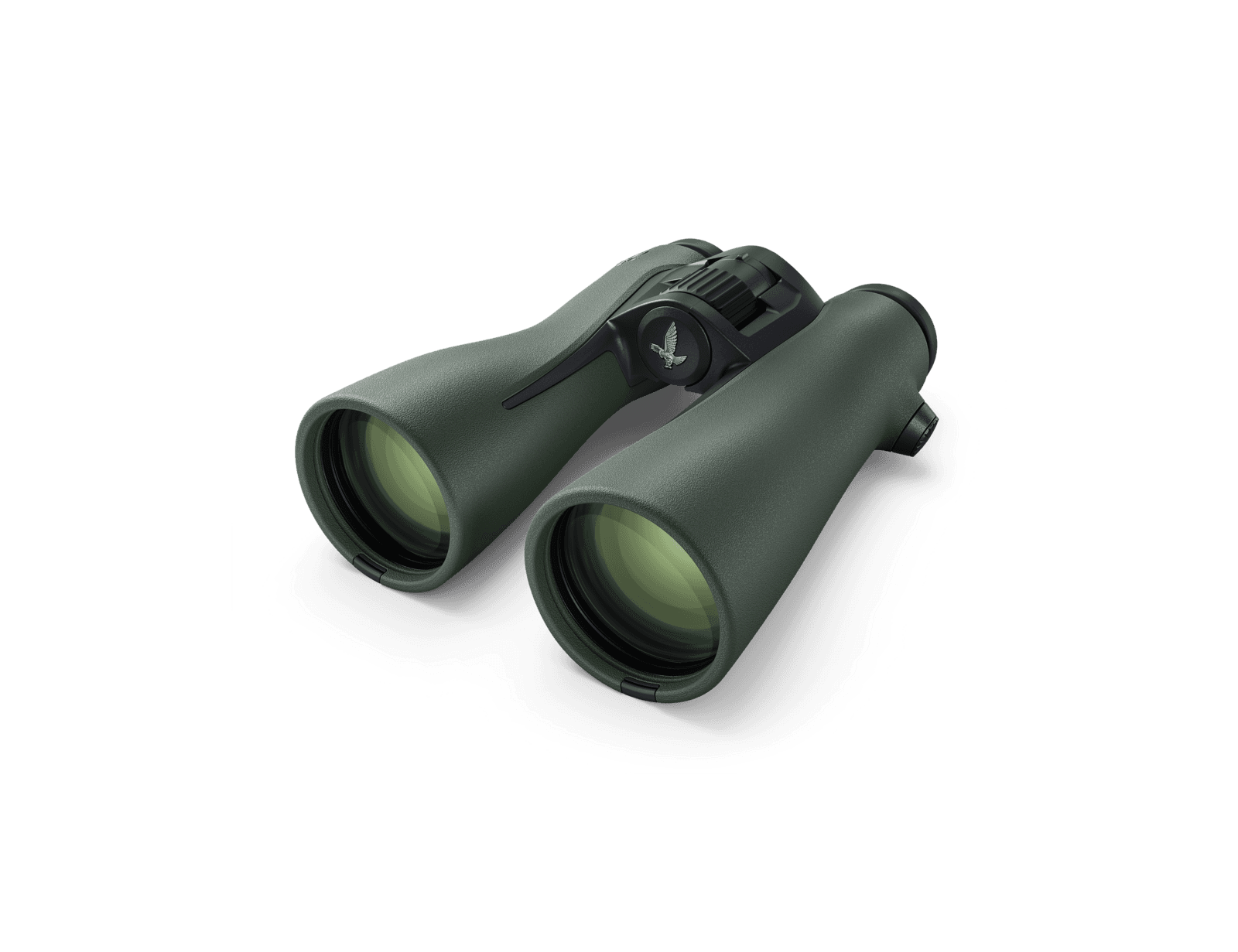
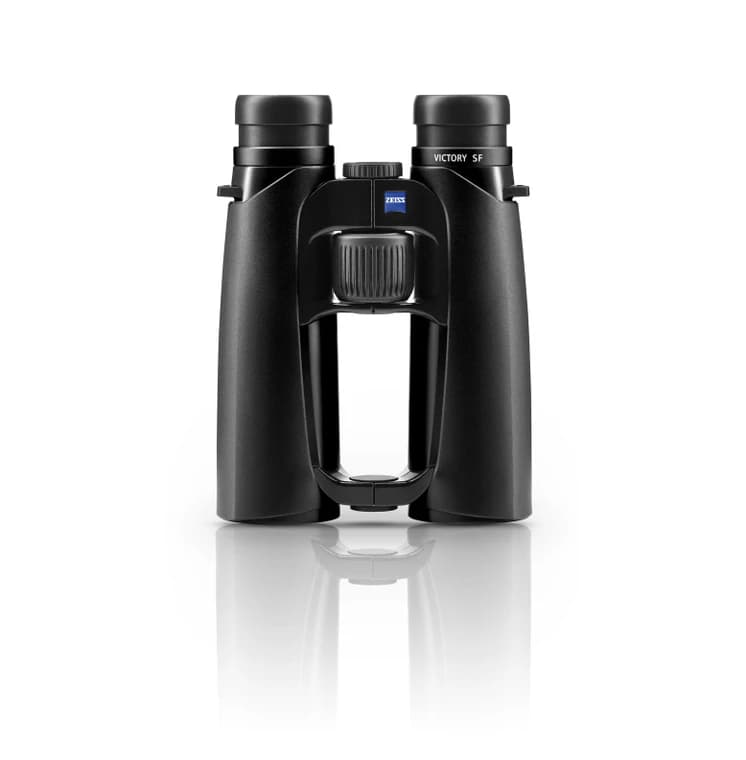
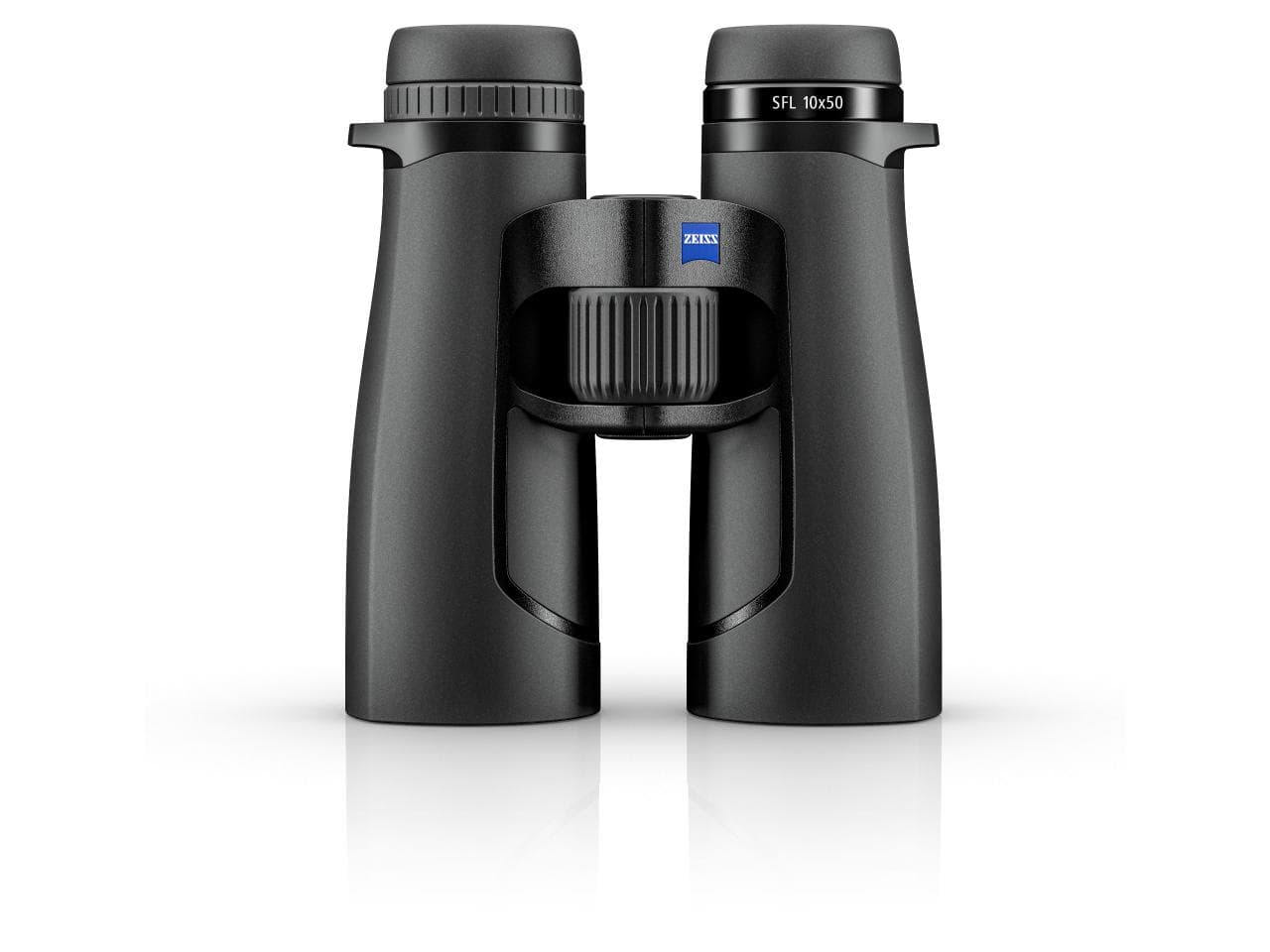
The Best Binoculars in 2026, Ranked by People Who Actually Glass With Them
Swarovski, Zeiss, Vortex, Nikon. Gavler's birders and hunters rank the binoculars worth carrying — by glass, not brand mythology.