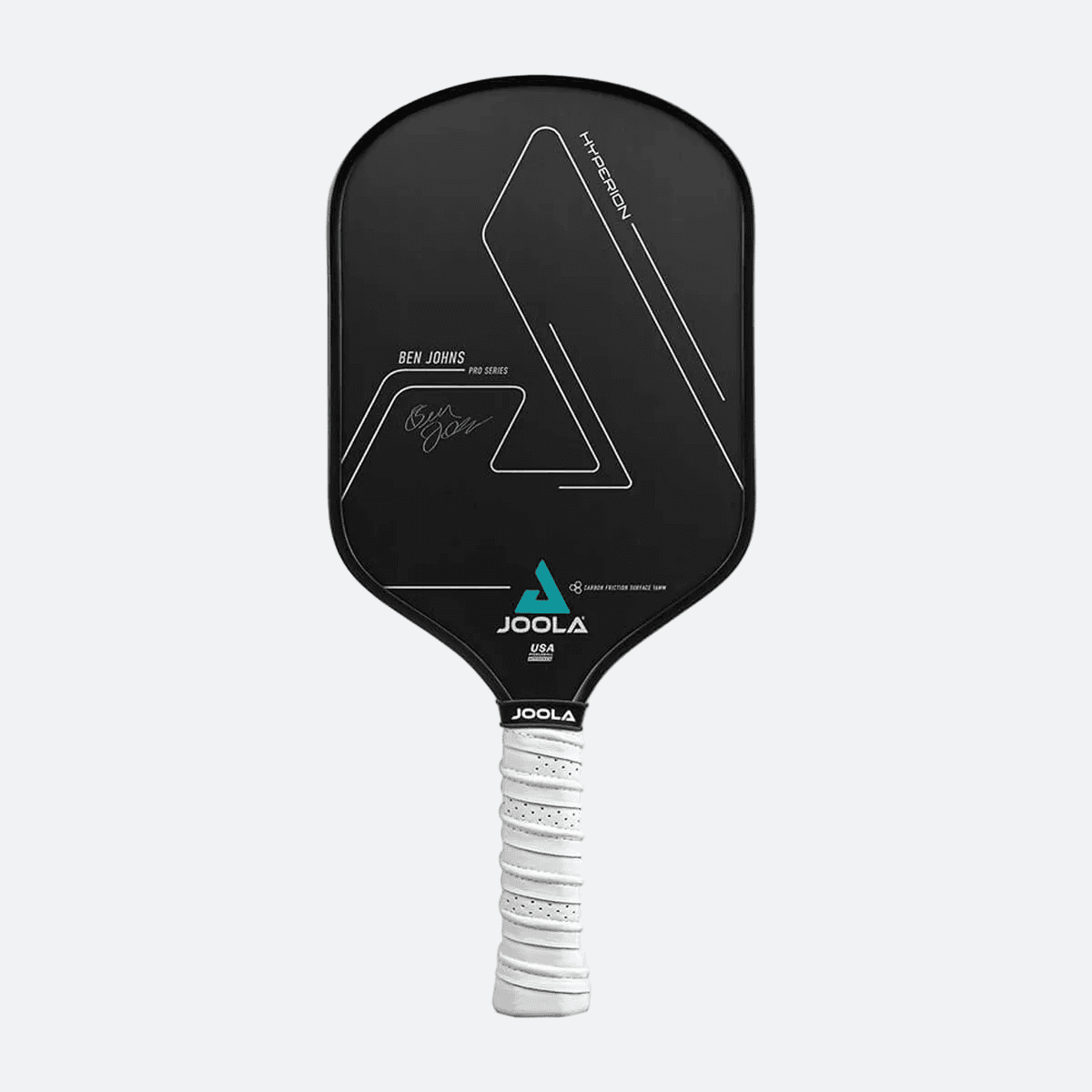
JOOLA Ben Johns Hyperion CFS 16.
The paddle that dominates pro tours — Ben Johns' signature CFS 16 uses a carbon friction surface for devastating spin rates. Elongated shape and 16mm core deliver the power-control balance that redefined competitive pickleball.
The Verdict.
Gavler Meta-Score
“The paddle that set the competitive standard, and still the spin-and-control benchmark. Buy it for elite all-court spin and a face that plays like one big sweet spot — with the reassurance that this CFS generation stayed USAP-certified through the Gen 3 decertification mess. The trade-off is weight: at ~8.4 oz it's head-heavy, and reviewers consistently note it slows your hands in fast kitchen exchanges, where a lighter paddle reacts quicker.”
The Gavler Verdict
The Gavler Review.
JOOLA Ben Johns Hyperion CFS 16 Review: The Paddle a Generation Was Measured Against
The JOOLA Ben Johns Hyperion CFS 16 sits at number one on our Best Pickleball Paddles list with a 9.7, and it earns that spot the hard way: it is the paddle Ben Johns actually won with, and an entire generation of competitive paddles has been benchmarked against it ever since. Buy it if you are an advanced, all-court player who wants elite spin and a face that plays like one giant sweet spot. The one caveat that keeps this from being a universal pick is weight — at roughly 8.4 ounces it is head-heavy, and that extra mass is exactly what slows your hands down in the fast exchanges at the kitchen line.
What it actually is
The Hyperion CFS is JOOLA's flagship advanced-player paddle, built around a Carbon Friction Surface — JOOLA's textured, spin-generating carbon face using Carbon-Flex5 technology — over a 16mm reactive honeycomb polymer core. The elongated shape (16.5 by 7.5 inches) and 5.5-inch handle are built for reach and two-handed backhands, the kind of specs you'd expect from a paddle designed around a tour player's game rather than a beginner's.
It comes in two weights. The Standard version reviewed here runs about 8.4 ounces, and a lighter Swift version trims that down to roughly 7.7 to 8.1 ounces with the same face and core technology, for players who want the Hyperion's characteristics with quicker hands. Crucially, this is the original CFS/honeycomb generation — it stayed USA Pickleball certified straight through the messy Gen 3 foam-core decertification that knocked several rival paddles out of sanctioned play. If you're buying for league or tournament use, that matters as much as any spec on the sheet.
In use
The single most repeated word across independent testing is control. Pickleheads put it plainly: "Control is the Hyperion's main strength. I was impressed with the pin-point accuracy I got, from routine dinks to challenging 3rd shot drops from the baseline." That's the paddle doing its job across the two hardest shots in the sport — the soft game at the net and the touch shot that resets a rally from the back of the court.
The other headline is spin, and here the reviews get emphatic. The Dink, one of the more widely trusted independent testing outlets in the sport, called it out directly: "The amount of spin that the Carbon Friction Surface produces using the Carbon-Flex5 technology is the best I have tried." That's not a small claim from an outlet that tests dozens of paddles a year, and it lines up with why the Hyperion became the reference point for the entire elongated, carbon-face category that followed it.
What ties both of those strengths together is the size of the sweet spot. Reviewers across outlets note that the Hyperion's face plays forgiving for a paddle this focused on power and spin — mishits stay playable rather than dying at the frame, which is unusual for a paddle built around an elongated, head-heavy shape.
Where it shines
- Elite, tested spin. The Carbon Friction Surface isn't marketing language — it shows up in blind and comparative testing as genuinely best-in-class spin generation, the kind that turns a routine third shot into a shot your opponent can't attack.
- A sweet spot that spans the face. Off-center contact on the Hyperion stays predictable in a way that flatter, more compact paddles don't manage, which matters most under match pressure when you don't always strike dead-center.
- Certified for competitive play. Unlike the Gen 3 foam-core paddles USA Pickleball later delisted, the CFS Hyperion generation remains legal — a real, practical reason to trust this purchase for tournament and league use.
The trade-offs — who should skip it
This is the spin-and-control benchmark of the category, not the right paddle for every player, and the honest reasons to look elsewhere are specific:
- You play fast at the net and prioritize hand speed. At roughly 8.4 ounces and head-heavy, the Standard Hyperion adds plow-through on drives but costs you reaction time in rapid net exchanges. Pickleball Effect's testing was direct about it: "The heavier design makes it difficult to accelerate through backhand volleys." If your game lives at the kitchen line, that's worth taking seriously.
- You're new to the sport. This is an advanced, all-court paddle that rewards players who already have shot-making instincts. Beginners are usually better served by a lighter, more neutral-balanced paddle while they build technique.
- You've read about older-build durability reports. There have been scattered reports of cracking on the older, non-unibody Hyperion builds. It's not a widespread pattern, but worth a quick check of current-generation construction before you buy if longevity is a top concern.
If either of the first two applies to you, the lighter Swift version of this same paddle is worth trying before you rule the Hyperion line out entirely.
How it compares
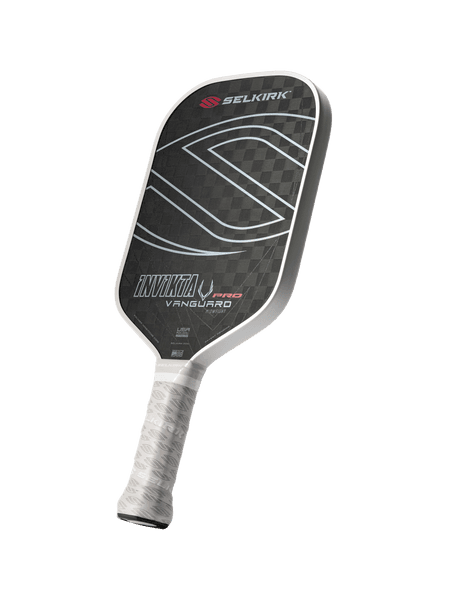
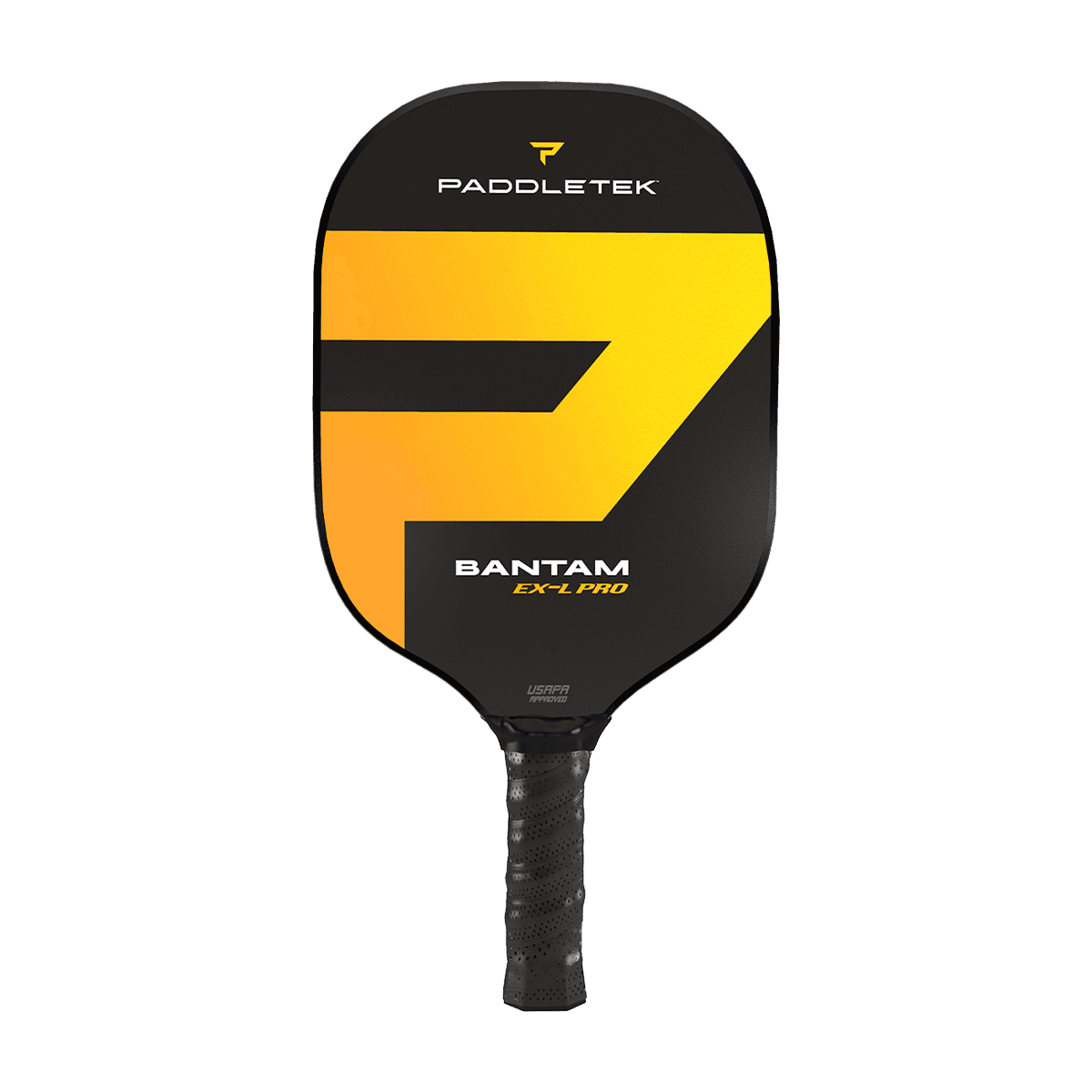
On its own list, the Hyperion's closest rivals sit directly behind it. The Selkirk Vanguard Power Air Invikta at number two is the most direct cross-shop — another elongated, advanced-player paddle, built around an Air Dynamic Throat designed to cut drag on fast swings rather than maximize spin off a textured face. The Paddletek Bantam EX-L Pro at number three takes the opposite approach entirely: a soft, control-first polycarbonate face with an oversized sweet spot, built for forgiveness over firepower.
The Hyperion's case isn't that it wins every category outright — the Vanguard may swing a touch quicker, and the Bantam is more forgiving on mishits — but that it delivers the best combination of elite spin and a genuinely playable face for the advanced, all-court player. That's the exact profile that made it the paddle a tour champion won with, and the paddle the rest of the category still gets measured against.
The Gavler verdict
A 9.7, reflecting near-universal expert praise (98) with a small gap down to the community score (95) that traces almost entirely to the paddle's head-heavy balance. The Hyperion CFS 16 is the spin-and-control benchmark of competitive pickleball, and it earns that reputation with a face that plays like one continuous sweet spot and spin numbers independent testers call the best they've measured. Buy the Standard if plow-through and stability matter more to you than quick hands at the net; buy the Swift if you want the same technology with a faster reaction window. Either way, this remains the paddle to beat.
Common Questions
For advanced and competitive players chasing spin and control, yes. It ranks first on Gavler's Best Pickleball Paddles list with a 9.7, built on a Carbon Friction Surface that reviewers call some of the best spin they have tested and a sweet spot that plays consistent across nearly the whole face. The trade-off is real: at roughly 8.4 ounces it is head-heavy, and that mass slows your hands in fast net exchanges. Beginners and players who prioritize quick reflexes over spin should look at a lighter paddle first.
Buy the Standard if you want maximum plow-through and stability on drives and drop shots and you can live with slower hand speed at the net. Buy the Swift — which trims weight down to roughly 7.7 to 8.1 ounces with the same face and shape — if you want the Hyperion's spin and control profile with quicker reactions in fast kitchen exchanges. Neither is objectively better; it depends on whether your game leans on power or reflexes.
Yes. This is the original Carbon Friction Surface and honeycomb-core generation, which stayed certified through USA Pickleball's later decertification of Gen 3 foam-core paddles. If you are buying for tournament or league play, the CFS Hyperion is safe; just confirm you are not buying an unrelated foam-core paddle from a different generation.
Both are elongated, advanced-player paddles that rank in Gavler's top three, and the choice comes down to feel and balance rather than a clear winner. The Hyperion's Carbon Friction Surface is the more decorated spin performer and its face plays larger than its dimensions suggest, while the Vanguard's Air Dynamic Throat is built to cut drag on fast swings. If control and an oversized sweet spot matter most, take the Hyperion; if you want a slightly quicker swing through the ball, demo the Vanguard first.
Where to Buy.
Prices checked regularly
90-day price history
Price History
Steady at $249 for the entire 90-day tracking window — no increases, no discounts, across 91 tracked days.
Tracked daily across retailers. Vote Want itabove and we’ll alert you the moment the price drops.
Some links are affiliate links — Gavler may earn a commission. This never affects rankings or scores. Learn more.
Precision Engineering
Carbon Friction Surface (Carbon-Flex5)
JOOLA's textured carbon face generates elite spin — The Dink called it the best spin it had tested — over a sweet spot that spans nearly the whole face.
16mm Reactive Honeycomb Polymer Core
The thicker 16mm core favors control and a soft, connected feel — and unlike the foam-core Gen 3 paddles, this CFS construction stayed USAP-certified.
Head-Heavy ~8.4 oz Balance
Adds power and plow-through but slows hand speed in fast net exchanges; a lighter Swift version exists for quicker hands.
Technical Specifications
The Scoreboard
The 9.7 reflects near-universal expert praise for elite spin, control, and a whole-face sweet spot — this is the paddle a generation was benchmarked against. The small community-below-expert gap (98 vs 95) is the head-heavy ~8.4 oz balance hurting hand speed in fast exchanges, plus scattered durability reports on the older build. Note it's USAP-certified — the CFS generation was not part of the Gen 3 foam-core delisting.
Cast Your Vote
Do you think JOOLA Ben Johns Hyperion CFS 16 deserves the #1 spot in Best Pickleball Paddles?
Global Critique
“The amount of spin that the Carbon Friction Surface produces using the Carbon-Flex5 technology is the best I have tried.”
“Control is the Hyperion's main strength. I was impressed with the pin-point accuracy I got, from routine dinks to challenging 3rd shot drops from the baseline.”
“The heavier design makes it difficult to accelerate through backhand volleys.”
More from Best Pickleball Paddles.
See how other top picks compare in this category.
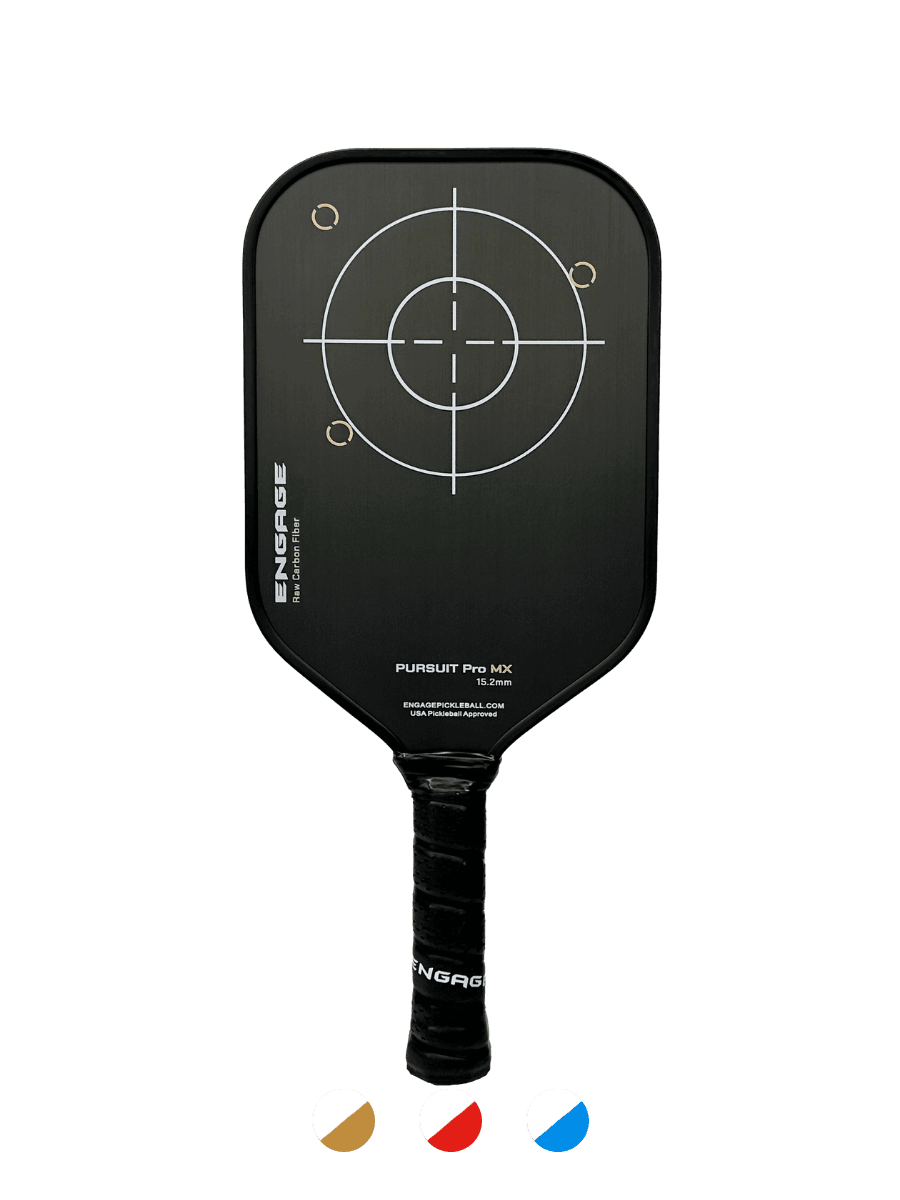
A Tour Carbon Face, a Kitchen Reset, or a Paddle Under $150?
A USAP hangtag is the wrong first question. Tour carbon, kitchen reset, or a paddle under $150 is the face. Then shop Gavler's live ranking.
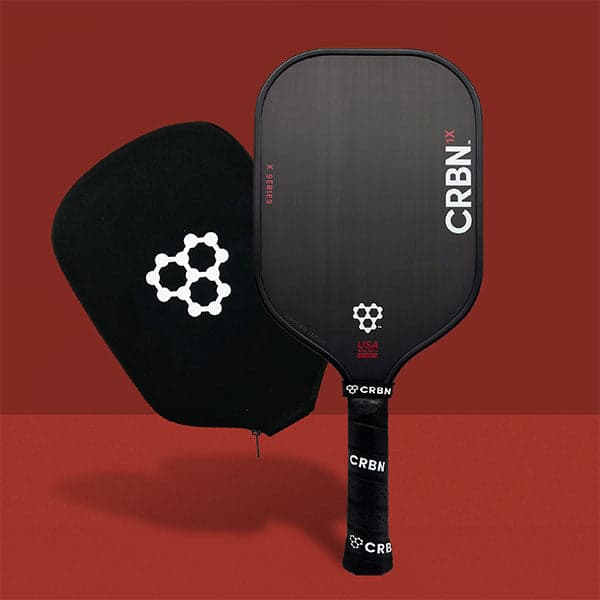
The Best Pickleball Paddles in 2026, Ranked by Players Who Actually Compete
JOOLA, Selkirk, Paddletek, CRBN. Gavler's pickleball community ranks the paddles worth carrying — from $89 entry composites to $249 carbon flagships.