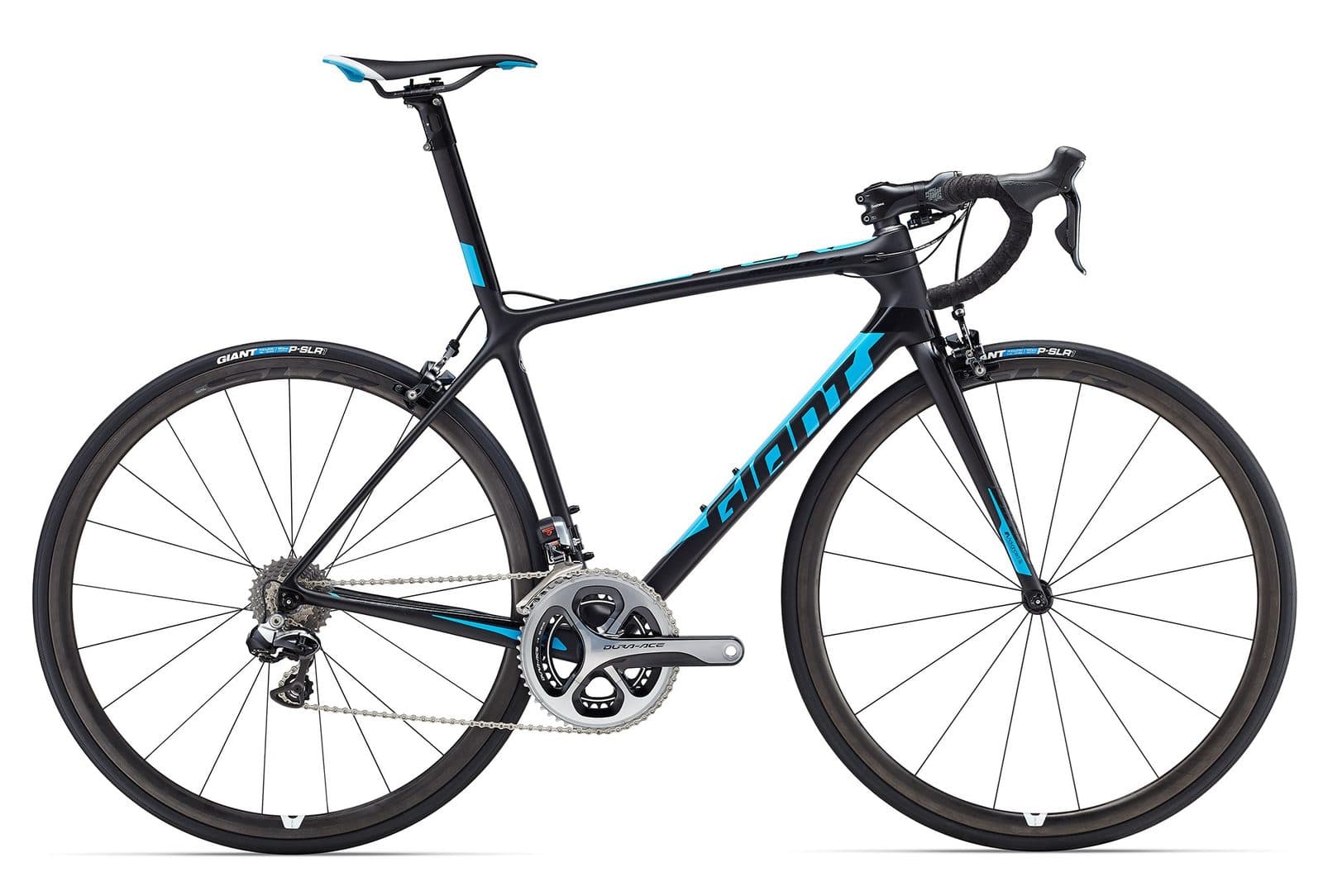
Giant TCR Advanced SL 0.
Giant's in-house carbon production gives the new TCR a 690 g frame and a 6.4 kg complete weight at 4.19 watts more aerodynamic efficiency at 40 km/h than the bike it replaces — class-leading on three axes at once.
The Verdict.
Gavler Meta-Score
“The TCR Advanced SL 0 is the bike that proves the brand premium does not buy performance. Class-leading aero, class-leading stiffness, and class-leading weight at half the price of the Tarmac SL8 or Cervélo R5. The trade-off is the integrated seat mast and the proprietary cockpit — buy this if you ride your road bike rather than display it.”
The Gavler Verdict
The Gavler Review.
Giant TCR Advanced SL 0 Review: Class-Leading Numbers, Bargain Prestige
The Giant TCR Advanced SL 0 ranks sixth on Gavler's Best Road Bikes list with a 9.0, and it's the bike to buy for riders who want race-day performance without paying for the badge on the down tube. Cyclingnews called the redesigned frame "class-leadingly stiff, aero and light," and in practice it backs that up: a 690g frame, a 6.4-6.5 kg complete build, and wind-tunnel numbers that beat its own predecessor across the board. The trade-off is an integrated seat mast that complicates quick saddle-height changes and a proprietary Overdrive 2 steerer that limits cockpit upgrades — the price of Giant's in-house manufacturing efficiency showing up as reduced aftermarket flexibility rather than reduced performance.
What it is
The 2026 Giant TCR Advanced SL 0 is the flagship of Giant's longest-running race platform, and the redesign leans entirely on something almost no other major manufacturer can claim: Giant owns its carbon production from raw fiber to finished frame. That vertical integration is why the TCR can hit a 690-gram frame weight — 75 grams lighter than the previous generation — without the premium pricing that boutique brands attach to comparable weight savings. The complete Shimano Dura-Ace Di2 build lands at 6.4 to 6.5 kilograms, comfortably under the UCI's 6.8 kg race minimum.
Giant's own wind-tunnel publication documented 2 percent less frontal surface area than the outgoing TCR and 4.19 watts of aero improvement at 40 km/h, tested across yaw angles from -15 to +15 degrees. Stiffness-to-weight improved 3.38 percent, aided by the Overdrive 2 oversized steerer, 12mm bolt-through axles, and carbon-fiber spokes. The frame includes an integrated seat mast and clamp — a genuine weight and stiffness advantage, but one that trades away the quick, tool-free saddle-height adjustment a standard seatpost offers, which matters if you share the bike, travel with it often, or fine-tune position frequently.
In use
The reviews converge on a specific claim: the new TCR is the rare bike that improved on all three of the metrics that usually force trade-offs against each other. Velo's coverage put it plainly, noting Giant "pursued what they're calling the best all-around balance of weight, stiffness, and aero efficiency they could make" — and unlike a lot of marketing copy making that claim, the wind-tunnel and scale numbers back it up. Cycling Weekly's review focused on how that balance shows up on the road: "Lighter, more aero, and it doesn't have dropped stays — the new TCR is a thoroughly modern race bike that hides its sophistication." That's a meaningful distinction from bikes that broadcast their aero shaping with exaggerated tube profiles; the TCR's gains come from more subtle, integrated engineering.
BikeRadar's take carried the most historical weight, calling the Advanced SL 0 "the finest edition of the 'Total Compact Racing' bike in Giant's 28-year history of making it" — a claim that means something given how many iterations of the TCR have passed through that publication's test fleet since the platform's 1997 debut. Cyclingnews' review leaned into the on-road payoff of the class-leading numbers: "In the real world, it's safe to say much of the above has paid off in exceptional fashion." None of the four reviews Gavler drew from flagged a significant on-road weakness — the criticism that does surface across coverage of this generation TCR is structural rather than dynamic: the integrated seat mast and Overdrive 2 steerer restrict how much you can customize the cockpit and fit compared to a bike built around standard, widely available parts.
Strengths
- A 690g frame that undercuts pricier rivals on weight. 75 grams lighter than the outgoing TCR, and competitive with the Cervélo R5 and Specialized Tarmac SL8 despite a price roughly half of either.
- Measurable aero gains, not marketing claims. Giant's wind-tunnel data shows 2 percent less surface area and 4.19 watts saved at 40 km/h versus the prior TCR — numbers a rider can actually feel over a long ride.
- In-house carbon production that funds the whole package. Giant owns the layup process end to end, which is why a bike with class-leading stiffness, aero, and weight numbers costs $10,500 rather than $12,000-plus.
The trade-offs — who should skip it
This is the value leader among top-tier race bikes, not the most customizable or the most prestigious, and the honest reasons to look elsewhere are specific:
- You want tool-free, quick saddle-height adjustment. The integrated seat mast is lighter and stiffer than a standard post, but it makes fit changes more involved — a real downside if you travel with the bike, share it, or are still dialing in position.
- You want aftermarket cockpit flexibility. The proprietary Overdrive 2 steerer narrows your options for third-party stems, bars, and integrated cockpits compared to a bike built around a standard steerer.
- Brand prestige matters to your buying decision. The TCR's engineering rivals or beats bikes that cost thousands more, but Giant's mainstream, mass-market positioning doesn't carry the same cachet in group-ride pecking order as Specialized, Cervélo, or Pinarello — a real, if irrational, factor for some buyers.
How it compares
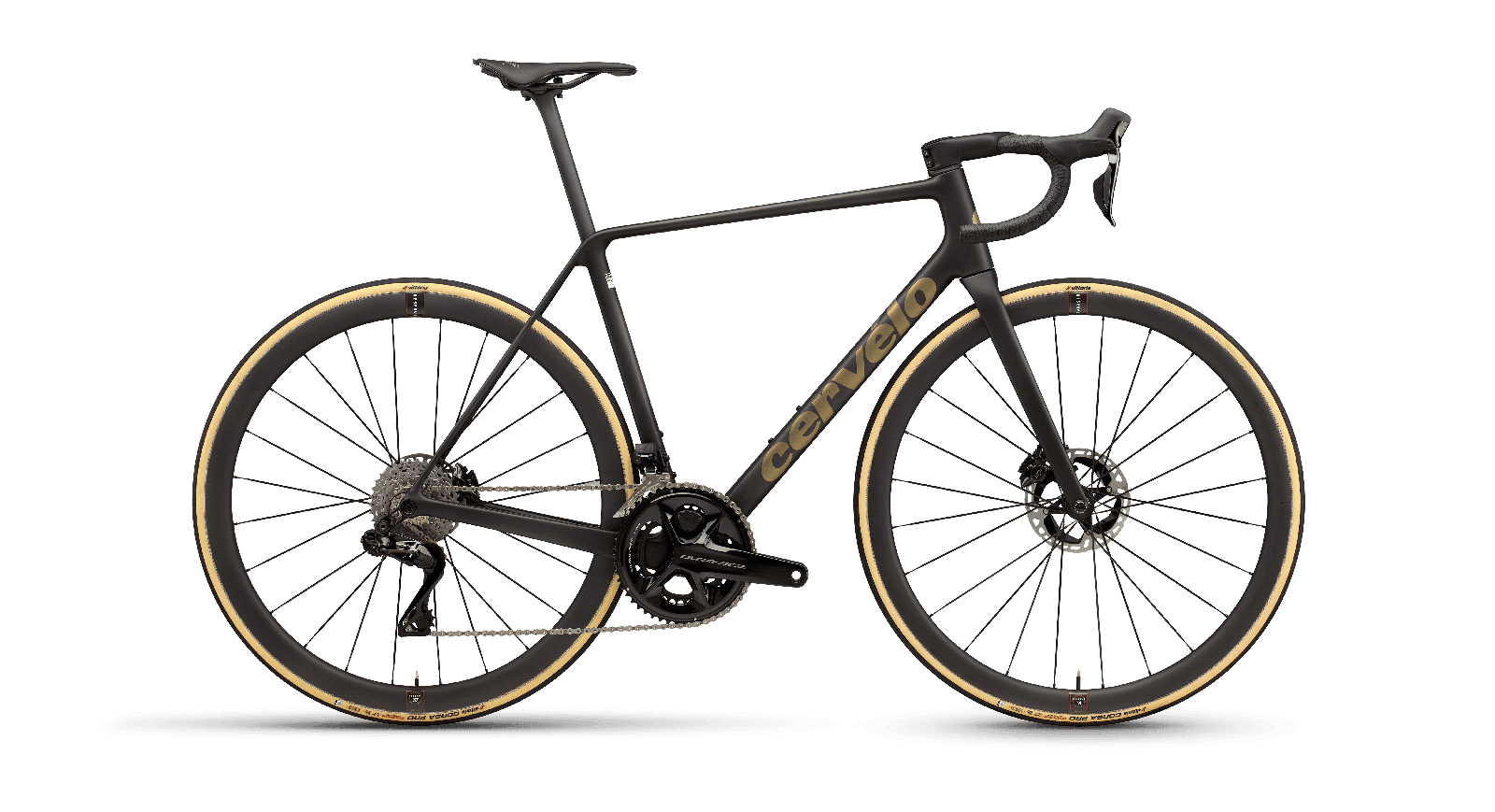
Two spots up on this list, the Cervélo R5 ($11,000) is the purer climbing specialist — a lighter, single-purpose frame for riders who weigh grams above all else and don't mind paying more for the last few hundred of them. One spot down, the Scott Addict RC Ultimate ($12,000) goes even further in the weight direction, with a complete bike Escape Collective scaled at 5.84 kg — genuinely lighter than the TCR, but at $1,500 more and with less aero optimization for riders who don't live exclusively in the mountains. The TCR's case against both is straightforward: it's within shouting distance of their numbers at a meaningfully lower price, for riders who want one bike that does everything well rather than a specialist tool.
The Gavler verdict
A 9.0 that reflects genuinely class-leading engineering held back only by a brand-perception gap that has nothing to do with how the bike rides. The TCR Advanced SL 0 proves that the premium other manufacturers charge for a Tarmac or a Dogma badge doesn't buy measurable performance — Giant's in-house carbon production delivers the same stiffness-to-weight and aero gains at half the price. Buy it if you want a race-grade all-arounder and don't need the prestige tier. Skip it only if the integrated seat mast's fit inflexibility or the badge on the down tube genuinely matters to you.
Common Questions
For riders who want race-bike performance without paying the brand-prestige tax, yes. It ranks sixth on Gavler's Best Road Bikes list with a 9.0. Cyclingnews called the redesigned TCR 'class-leadingly stiff, aero and light,' and BikeRadar named it 'the finest edition of the Total Compact Racing bike in Giant's 28-year history.' At $10,500 it undercuts the Specialized Tarmac SL8 and Cervélo R5 by roughly $2,000-4,500 while matching them on frame weight and stiffness-to-weight.
Buy the R5 if pure climbing weight is the only variable you care about and $11,000 doesn't move the needle. Buy the TCR if you want a bike that's genuinely competitive on weight, stiffness, and aero drag all at once — Giant's own wind-tunnel data put the new TCR ahead of its predecessor on all three axes — at $500 less. The R5 has the sharper single-discipline focus; the TCR is the better all-around value.
The frame, including its integrated seat mast and clamp, weighs 690 grams — 75 grams lighter than the outgoing TCR. The complete Dura-Ache Di2 build comes in at 6.4 to 6.5 kilograms, well under the UCI's 6.8 kg minimum, without needing weight-optimized boutique componentry to get there.
Where to Buy.
Prices checked regularly
90-day price history
Price History
Steady at $10,500 for the entire 90-day tracking window — no increases, no discounts, across 91 tracked days.
Tracked daily across retailers. Vote Want itabove and we’ll alert you the moment the price drops.
Some links are affiliate links — Gavler may earn a commission. This never affects rankings or scores. Learn more.
Precision Engineering
690 g Frame (Integrated Seat Mast Included)
75 g lighter than the outgoing TCR. Giant's in-house carbon production is unique in the industry — they own the layup process from raw fiber through finished frame.
4.19 W More Aero at 40 km/h
2 percent less surface area than the predecessor. Giant's wind-tunnel testing documented the least aerodynamic drag of any test bike across yaw angles -15° to +15°.
3.38% Stiffness-to-Weight Improvement
Overdrive 2 steerer, 12 mm bolt-through axles, and carbon-fiber spokes contribute to a lively climbing feel without the rough edge older lightweight TCRs carried.
Technical Specifications
The Scoreboard
Score sits at 9.0 — high enough to reflect the genuinely class-leading performance Cyclingnews and BikeRadar documented, contained by the brand-perception ceiling that holds Giant below the Tarmac/Madone/R5 trio in race-bike status hierarchies. Expert consensus 91 reflects 99 Spokes / Cyclingnews / BikeRadar / Velo / Cycling Weekly / Cyclonline convergent positive reviews; community rating 88 reflects long-standing Giant under-recognition in the prestige tier.
Cast Your Vote
Do you think Giant TCR Advanced SL 0 deserves the #6 spot in Best Road Bikes?
Global Critique
“The TCR Advanced SL 0 leads the TCR lineup as the flagship model, with claims of being class-leadingly stiff, aero and light. In the real world, it's safe to say much of the above has paid off in exceptional fashion.”
“This new Advanced SL 0 is the finest edition of the 'Total Compact Racing' bike in Giant's 28-year history of making it.”
“Giant has pursued what they're calling the best all-around balance of weight, stiffness, and aero efficiency they could make.”
“Lighter, more aero, and it doesn't have dropped stays — the new TCR is a thoroughly modern race bike that hides its sophistication.”
More from Best Road Bikes.
See how other top picks compare in this category.