Ghost of Yōtei.
A new protagonist and era for the Ghost series — a sumptuous PS5-exclusive open world.
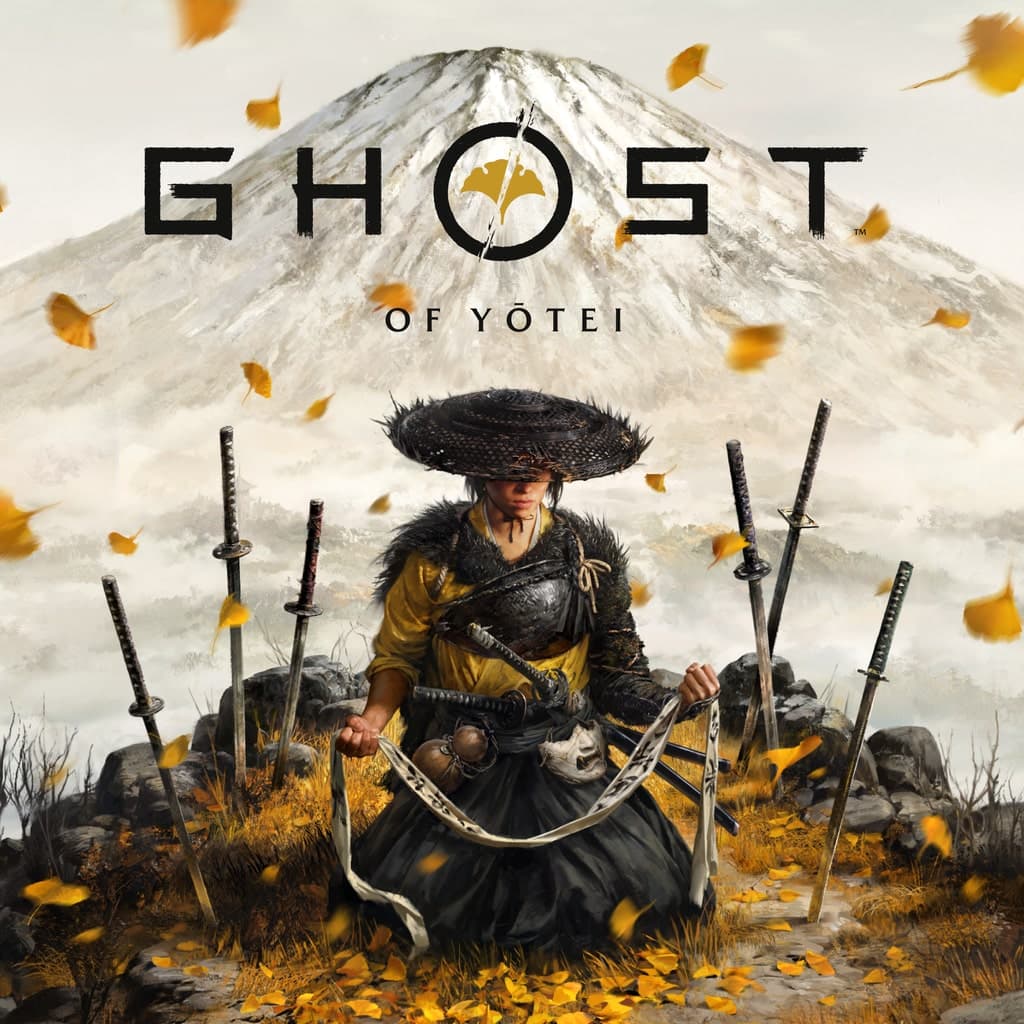
The Verdict.
Gavler Meta-Score
“If you loved Tsushima, this is a confident, beautiful step forward. A definitive PS5 exclusive for the year.”
The Gavler Verdict
The Gavler Review.
Ghost of Yōtei Review: A Gorgeous Sequel That Plays It Safe
Ghost of Yōtei ranks fourth on Gavler's Best PS5 Games of 2025 list with an 8.9, and it earns the placement the straightforward way: gorgeous 17th-century Hokkaido, weighty and expressive katana combat, and a wind-guided sense of place that made its predecessor a sensation. TechRadar's Rob Dwiar, after more than 55 hours with the game, called it "one of the best games I've played this year," praising its "beauty, style, and visceral action." The trade-off is that Sucker Punch didn't take many risks — Eurogamer's more critical 3/5 verdict argued the game "would be better served as a linear action game, freed of its poor sidequests and dated open world." If you loved Ghost of Tsushima, this is an easy recommendation. If its open-world checklist wore on you the first time, Yōtei won't change your mind.
What it is
Ghost of Yōtei is Sucker Punch's PS5-exclusive follow-up to 2020's Ghost of Tsushima, set generations later around Mount Yōtei on the northern island of Ezo. You play Atsu, an outlaw ronin hunting down six masked killers — the "Yōtei Six" — responsible for her family's death. It's a single-player open-world action-adventure built around exploration, stealth, and sword combat, with an online co-op Legends mode bolted on for players who want to bring friends. Gavler's baseline data pegs it at a Metacritic 86 and an 88 expert consensus, with the community rating (88) close behind — a game that critics and players broadly agree on.
The obvious throughline from Tsushima is intentional. Sucker Punch built its reputation on painterly landscapes and a wind-as-navigation system, and Yōtei doubles down on both: four seasons draped across sweeping fields, icy mountainsides, and autumn forests, plus a redesigned map that TechRadar's reviewer singled out as "outstanding," with cartographers' scrolls you can lay over unexplored regions to reveal them like a painting coming into focus.
In use
The headline change from Tsushima is combat. Instead of switching between fighting stances tuned to specific enemy types, Atsu carries an arsenal of distinct weapons — katana, kusarigama, dual blades, and more — each suited to different approaches, alongside bows and firearms for ranged engagements. TechRadar described the flow as "almost poetic," chaining "parries, strikes, weapon swaps, and dodges to seamlessly work between enemies." It's the kind of combat that rewards mastery without demanding memorization of a stance-matching puzzle, and it's noticeably more approachable than Tsushima's system while losing none of the violence — Gavler's own review notes praise its "weighty swordplay" as a series high point.
The DualSense integration deserves a specific mention. Rain falls on your in-game map and you feel it as haptic texture under your thumb; the game's score blends its speaker output with the controller's built-in speaker; painting with the touchpad in the game's sumi-e sequences is a genuinely tactile experience. It's a showcase for what Sony's controller can do that goes beyond the usual adaptive-trigger gimmicks other PS5 exclusives lean on.
Where the game shows its age is in its open-world scaffolding. Bamboo-cutting minigames, hot springs, and shrine altars recur constantly, and by the midgame they start to blur together — TechRadar flagged "a bit of fatigue when stumbling across a vast number of the same activities," which is a fair description of open-world PlayStation exclusives generally, not just this one. More pointed is the criticism that dialogue choices rarely matter: conversation options exist, but TechRadar found they have "little to no consequence" on quests or encounters, which undercuts the sense that Atsu's journey is meaningfully shaped by the player rather than just watched by them.
Strengths
- Combat that's both accessible and deep. Weapon-swapping in the middle of a fight, timed parries, and a genuinely wide toolkit make encounters feel varied without requiring a stance-switching cheat sheet.
- A world built to be explored, not just filled. The map's card-based quest system and animated, painterly presentation make discovery feel purposeful rather than checklist-driven — a genuine improvement over generic icon-soup open worlds.
- DualSense integration that actually matters. Haptic rain, touchpad painting, and adaptive audio aren't decoration here; they're part of how the game communicates mood and place.
- A gripping, well-told revenge story. Atsu is a compelling protagonist whose arc — anger giving way to something more complicated — carries the narrative even through some structurally predictable beats.
The trade-offs — who should skip it
Ghost of Yōtei is not a reinvention, and Sucker Punch was clearly more interested in refining than disrupting:
- If you bounced off Ghost of Tsushima, this won't convert you. The core structure — hunt targets, clear camps, collect charms, repeat — is carried over largely intact.
- Side content repeats itself. Hot springs, bamboo cuts, and altar shrines are functionally identical activities dressed in different scenery, and they show up often enough to notice.
- Dialogue choices are mostly cosmetic. If you want an RPG where conversations meaningfully branch the story, look elsewhere — this is a linear narrative wearing light choice-based clothing.
- It's a PS5 exclusive. No PC, no Xbox — if you're not already in Sony's ecosystem, it's not accessible at all.
How it compares
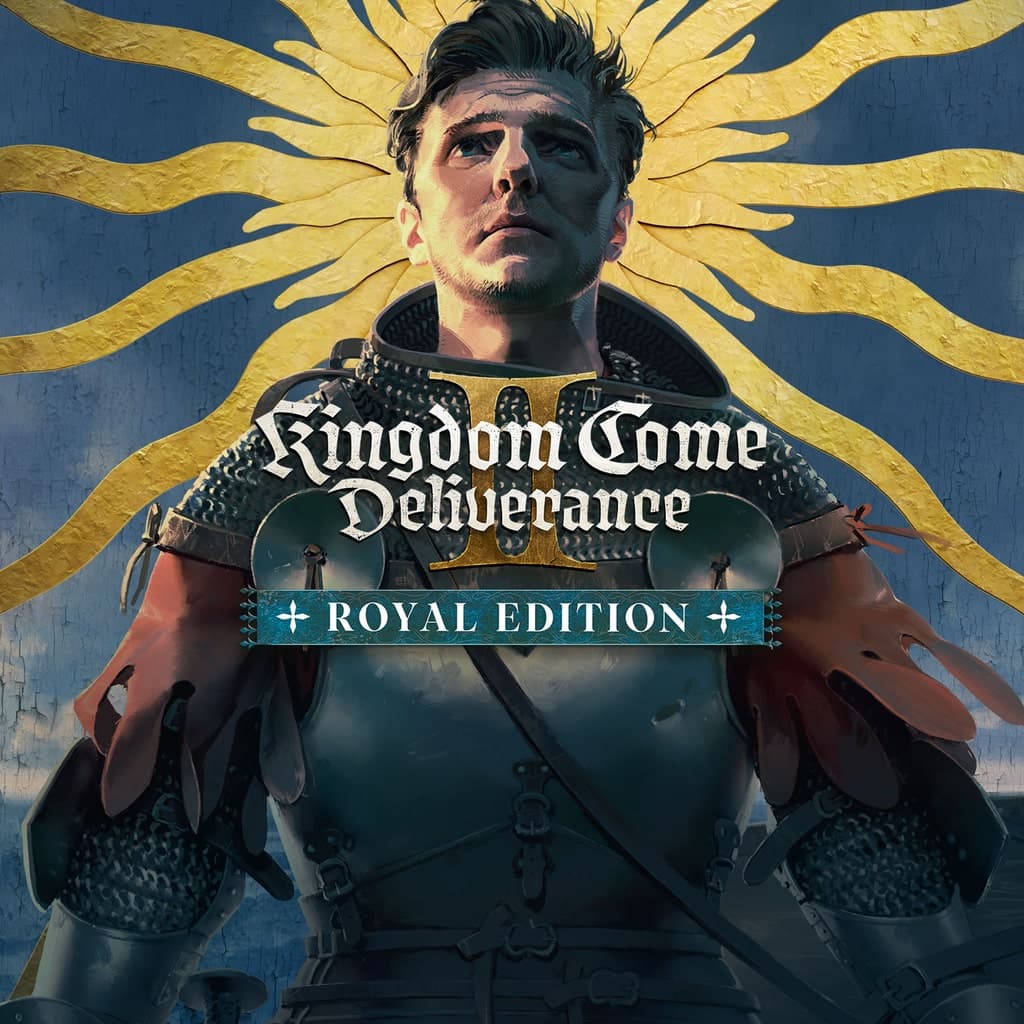
Within the same Best PS5 Games of 2025 ranking, Ghost of Yōtei sits just behind Hades II at number eight overall — a very different kind of game, but instructive as a contrast: where Supergiant's roguelike sequel took real structural risks with its predecessor's formula, Yōtei mostly polishes what already worked. For players who want that same painterly, story-driven PS5-exclusive feel with an even more absorbing narrative, Kingdom Come: Deliverance II is worth a look — a grittier, systems-heavy medieval RPG that trades Yōtei's combat spectacle for uncompromising realism.
The Gavler verdict
An 8.9 for a sequel that does exactly what it sets out to do — bigger, more fluid combat, a stunning rendition of feudal Hokkaido, and a story worth seeing through — without doing much to push the open-world formula forward. TechRadar's assessment of "a truly great sequel — though not quite a perfect one" is the fair read: the highs are genuinely high, but the familiar open-world padding and inconsequential dialogue choices keep it from generational-classic territory. For Tsushima fans, it's an easy buy. For everyone else, know what you're getting into before you commit the 50-plus hours it rewards.
Common Questions
Yes, for open-world action fans and especially anyone who loved Ghost of Tsushima. It sits at number four on Gavler's Best PS5 Games of 2025 list with an 8.9, and TechRadar called it 'one of the best games I've played this year' — though it wears its predecessor's DNA closely enough that Eurogamer scored it a more reserved 3/5 for leaning on 'poor sidequests and dated open world' design.
No — Yōtei is set generations later with a new protagonist, Atsu, and a self-contained revenge story. That said, TechRadar's reviewer noted that players who 'bounced off the first game' are likely to have a similar experience here, since the sequel iterates on Tsushima's structure rather than reinventing it.
Repetition. TechRadar's review flagged fatigue from 'a vast number of the same activities such as bamboo cuts, hot springs, and altars,' and Eurogamer argued the game 'would be better served as a linear action game, freed of its poor sidequests and dated open world.' Gavler's own scoring notes echo the same open-world-formula caveats.
Expect 50-plus hours if you're chasing full completion — TechRadar's reviewer logged over 55 hours across two consoles and was still working toward the platinum trophy after finishing the main story and side content.
Where to Buy.
Prices checked regularly
90-day price history
Price History
Steady at $69.99 for the entire 90-day tracking window — no increases, no discounts, across 91 tracked days.
Tracked daily across retailers. Vote Want itabove and we’ll alert you the moment the price drops.
Some links are affiliate links — Gavler may earn a commission. This never affects rankings or scores. Learn more.
Precision Engineering
Open Hokkaido
Set in 1603 around Mount Yotei, the game offers an open world of forests, plains and settlements that players explore freely on foot or horseback.
Stealth And Steel
As ronin Atsu, players blend katana combat, multiple weapon types and stealth assassinations while hunting the targets responsible for her family's death.
Cinematic Presentation
The title features stylized weather, wind-guided navigation and selectable filmmaker modes that emphasize the studio's signature samurai-cinema visual style.
Technical Specifications
The Scoreboard
A top-rated 2025 PS5 exclusive; praised for visuals and combat, with the usual open-world-formula caveats.
Cast Your Vote
Do you think Ghost of Yōtei deserves the #4 spot in Best PS5 Games of 2025?
Global Critique
“Ghost of Yotei gets a near perfect score in Japan's most famous gaming magazine.”
More from Best PS5 Games of 2025.
See how other top picks compare in this category.