GameSir T4 Kaleid.
Hall-effect sticks and triggers and 1000Hz polling for around $45 — wired.
The Verdict.
Gavler Meta-Score
“The budget hero. If you just want a reliable, drift-free wired pad for PC, this is the one to buy.”
The Gavler Verdict
The Gavler Review.
GameSir T4 Kaleid Review: The Budget Controller That Shames the Flagships
The GameSir T4 Kaleid ranks number 6 on Gavler's Best Gaming Controllers list with an 8.4, and it makes its case with blunt, easy-to-verify math: Hall effect sensors on both the sticks and the triggers — the same anti-drift magnetic technology used in $200 pro pads — for around $45. GamesRadar+ didn't mince words about what that means for the rest of the category: the T4 Kaleid "exposes" premium brands "for over-charging" by fitting a lot of their headline features into a cheap-as-chips package. It's for PC and Nintendo Switch players who want a reliable, drift-resistant everyday pad and don't need wireless or console support. The trade-off is specific and unavoidable: no PlayStation or Xbox compatibility, at all.
What it is
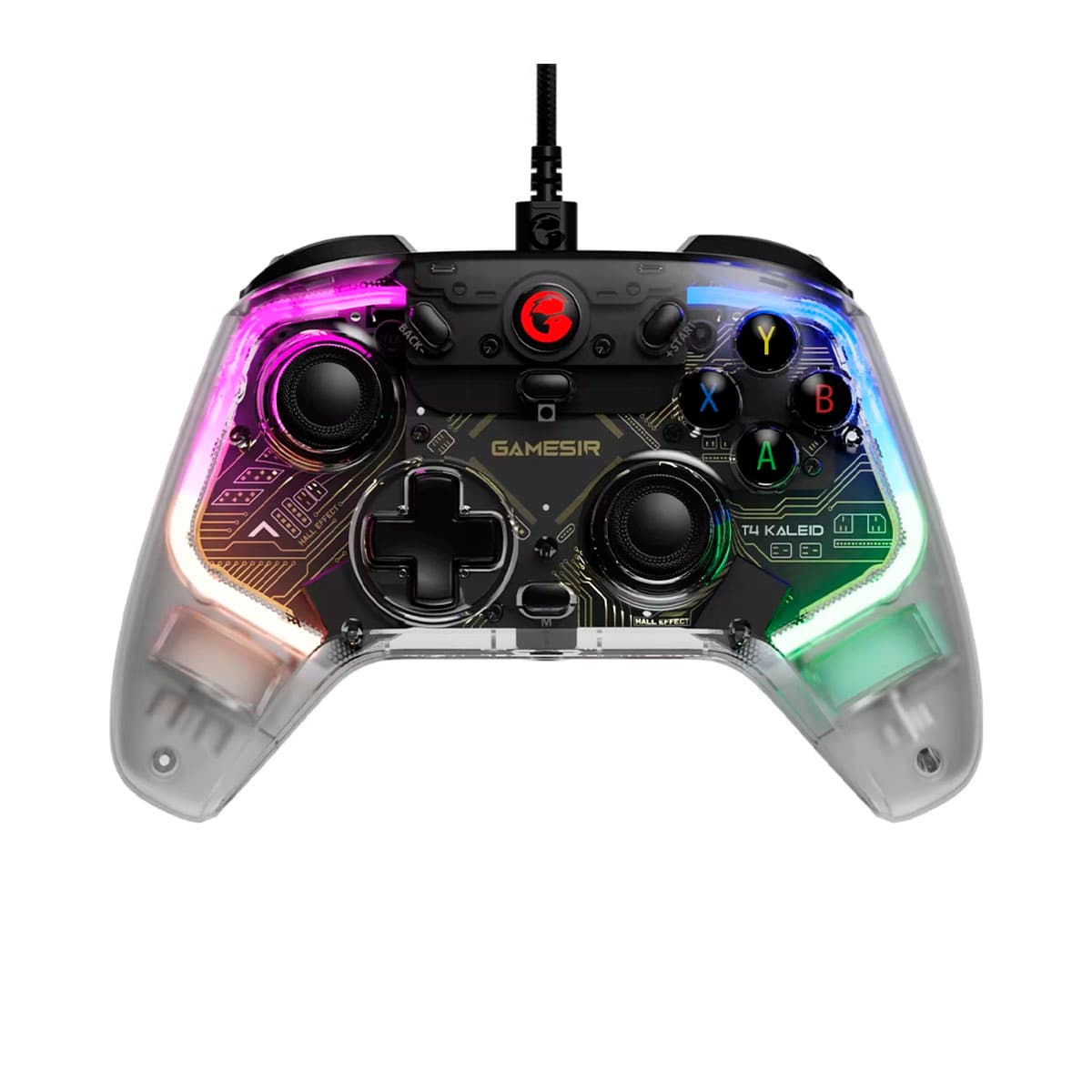
The T4 Kaleid is a wired-only controller built around Hall effect sensors in both the analog sticks and the analog triggers — magnetic sensing technology that doesn't rely on physical contact between components, and therefore doesn't wear down and drift the way cheaper potentiometer-based sticks eventually do. GameSir pairs that with mechanical, microswitch-based face buttons rated for millions of clicks, a see-through shell with RGB lighting, and a braided USB-C cable. It's targeted specifically at PC, Nintendo Switch, and Android, connecting over wired USB-C rather than any wireless protocol, and it weighs 380 grams.
In use
The core pitch of the T4 Kaleid is that anti-drift technology shouldn't be a luxury feature, and the reviews Gavler surfaced consistently back that framing. Tom's Guide's review explained the mechanical reasoning directly: "GameSir went with Hall Effect joysticks for the T4 Kaleid to help prevent drifting. Unlike potentiometer joysticks that have sensors which can wear down over time and lead to stick drift, Hall Effect sensors use magnets instead." That's a meaningful distinction for anyone who's owned a cheap controller before and watched its sticks slowly develop unwanted input over months of use — the T4 Kaleid is specifically engineered to avoid that failure mode from day one, at a price point where it's genuinely rare to find that protection.
GamesRadar+'s review framed the value proposition in the sharpest terms of any outlet covering it: "The T4 Kaleid doesn't just undercut those rivals, it exposes them for over-charging by putting a lot of their premium features in a cheap-as-chips package." That's a pointed critique of the broader controller market as much as praise for GameSir specifically, and it reflects a real shift — Hall effect components have gotten cheap enough to manufacture that pricing them exclusively into flagship tiers increasingly looks like margin-protection rather than genuine cost justification.
The mechanical face buttons are a smaller but real upgrade over typical budget-controller rubber-dome switches — a short, snappy actuation that feels closer to what you'd get on a mechanical keyboard than the mushy press common on cheap pads. Combined with the Hall effect sticks and triggers, the T4 Kaleid's actual input quality punches well above its roughly $45 price.
Where every review converges is on the platform limitation, and TechRadar stated it plainly: "The only major drawback is a lack of compatibility with the PS5 and Xbox Series X." This isn't a minor asterisk — it's a hard wall. The T4 Kaleid simply doesn't function as a controller on either of the two dominant console platforms, which immediately narrows its addressable audience to PC and Switch owners, however well it performs within that lane.
Strengths
- Hall effect sticks and triggers at roughly $45. Genuine anti-drift technology at a price point where it's normally absent entirely.
- Mechanical microswitch face buttons. A tactile, durable upgrade over the rubber-dome buttons typical of budget controllers, rated for millions of clicks.
- "Exposes" pricier rivals "for over-charging," per GamesRadar+. A specific, pointed endorsement of the value case relative to the rest of the market.
- A durable, well-built shell for the price. The transparent RGB design isn't just cosmetic — reviewers found the overall build solid, not flimsy, despite the low cost.
- A genuinely honest, narrow pitch. GameSir isn't overselling this as a universal controller — it's positioned specifically and effectively for PC and Switch, and delivers well within that scope.
The trade-offs — who should skip it
- No PlayStation or Xbox support, at all. TechRadar's "only major drawback" framing undersells how limiting this is — if you own either console, this controller simply isn't usable there.
- Wired only. The braided USB-C cable is solid, but there's no wireless option, and some reviewers note the included cable runs shorter than ideal.
- No console-specific features. No adaptive triggers, no haptic feedback, no console-branded compatibility perks — this is a PC- and Switch-first design through and through.
- A heavier, more basic build than premium pads. At 380 grams, it's not the lightest controller available, and it lacks the swappable components or on-board profile switching found on true pro-tier pads.
How it compares
One rank above on the same list, the 8BitDo Ultimate 2 Wireless makes a similar value argument at around $49 but goes a step further on stick technology with TMR (tunnel magnetoresistance) sensors, adds wireless connectivity and a charging dock, and targets Windows and Android natively. It's the pick if wireless matters to you and you're willing to pay a few dollars more; the T4 Kaleid is the pick if you're fine going wired and want to spend the absolute least.
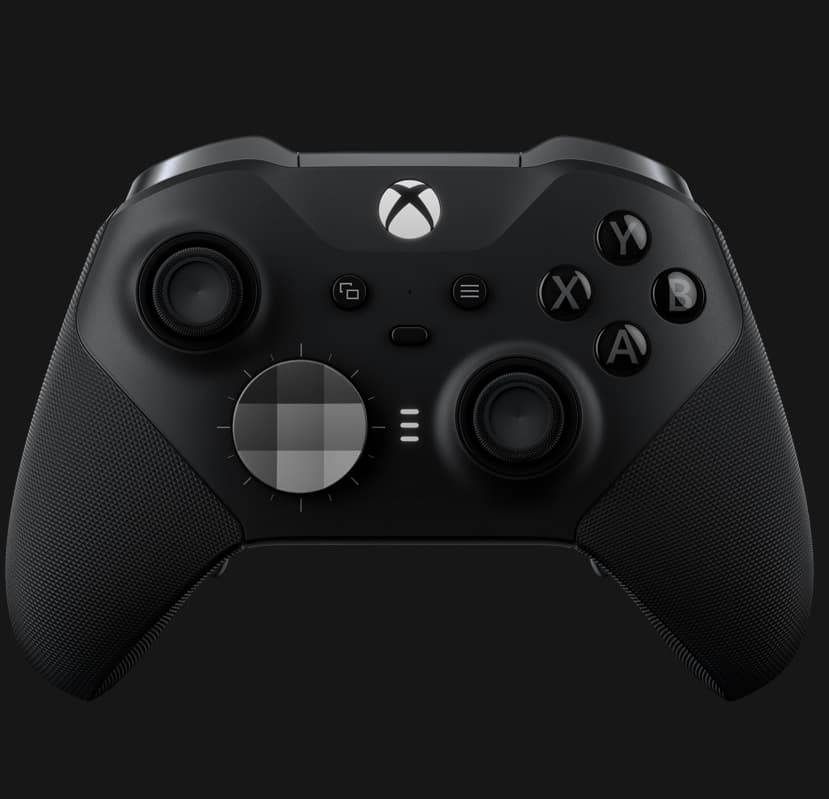
Two ranks above, the Xbox Elite Wireless Controller Series 2 shows exactly what the T4 Kaleid is implicitly critiquing — a $149 pro pad with four removable paddles and adjustable-tension sticks that, per Windows Central, are still standard potentiometers prone to the same wear issues Hall effect sensors are designed to avoid. It's a useful comparison for understanding just how much technology GameSir packed into a controller costing a third of the price.
The Gavler verdict
An 8.4 for a controller that does something genuinely rare in budget hardware: it doesn't just undercut pricier rivals on cost, it matches or beats them on a specific, meaningful technical spec. GamesRadar+'s framing — that the T4 Kaleid exposes premium brands for overcharging — is a fair read of a market where Hall effect components have become cheap enough to manufacture that reserving them for $150-plus pads increasingly looks like a pricing strategy rather than a technical necessity. The platform restriction is real and non-negotiable: if you're on PlayStation or Xbox, look elsewhere entirely. But for PC and Switch players who want a reliable, drift-resistant everyday pad and don't want to spend much to get one, nothing else on this list beats it on pure value.
Common Questions
Yes, for PC and Switch players who want drift-resistant sticks without spending much. It ranks number 6 on Gavler's Best Gaming Controllers list with an 8.4. GamesRadar+ said it 'exposes' premium controller brands 'for over-charging' by putting Hall effect sticks and triggers in a roughly $45 pad.
No — this is its one major limitation. TechRadar called the lack of PlayStation and Xbox compatibility the controller's 'only major drawback.' It's built for PC, Nintendo Switch, and Android, connected over a wired USB-C cable.
Hall effect sensors use magnets rather than physical contact to register stick position, so they don't wear down and develop the stick drift that eventually affects cheaper potentiometer-based controllers. Tom's Guide noted GameSir specifically chose Hall effect for the T4 Kaleid 'to help prevent drifting' — anti-drift technology that's normally reserved for controllers costing three to four times as much.
No, it's wired only, connecting over a braided USB-C cable. That's part of how GameSir keeps the price near $45 — buyers who need wireless should look at pricier options on the same list.
Where to Buy.
Prices checked regularly
90-day price history
Price History
Steady at $45.00 for the entire 90-day tracking window — no increases, no discounts, across 91 tracked days.
Tracked daily across retailers. Vote Want itabove and we’ll alert you the moment the price drops.
Some links are affiliate links — Gavler may earn a commission. This never affects rankings or scores. Learn more.
Precision Engineering
Hall Effect Sticks + Triggers
Magnetic Hall effect sensors on both sticks and triggers resist the drift that kills cheap potentiometer pads — rare anti-drift tech at around $45.
Mechanical Face Buttons
Snappy microswitch face buttons with a short actuation throw, rated for millions of clicks — a tactile upgrade over typical budget rubber-dome buttons.
Wired, PC/Switch Focused
A wired-only pad for PC, Switch, and Android with a transparent RGB shell — no Xbox or PS5 support, and the cable runs short.
Technical Specifications
The Scoreboard
Widely cited as the best cheap controller; wired-only and a lighter build are the trade-offs.
Cast Your Vote
Do you think GameSir T4 Kaleid deserves the #6 spot in Best Gaming Controllers?
Global Critique
“GameSir went with Hall Effect joysticks for the T4 Kaleid to help prevent drifting. Unlike potentiometer joysticks that have sensors which can wear down over time and lead to stick drift, Hall Effect sensors use magnets instead.”
“The T4 Kaleid doesn't just undercut those rivals, it exposes them for over-charging by putting a lot of their premium features in a cheap-as-chips package.”
“The only major drawback is a lack of compatibility with the PS5 and Xbox Series X.”
More from Best Gaming Controllers.
See how other top picks compare in this category.
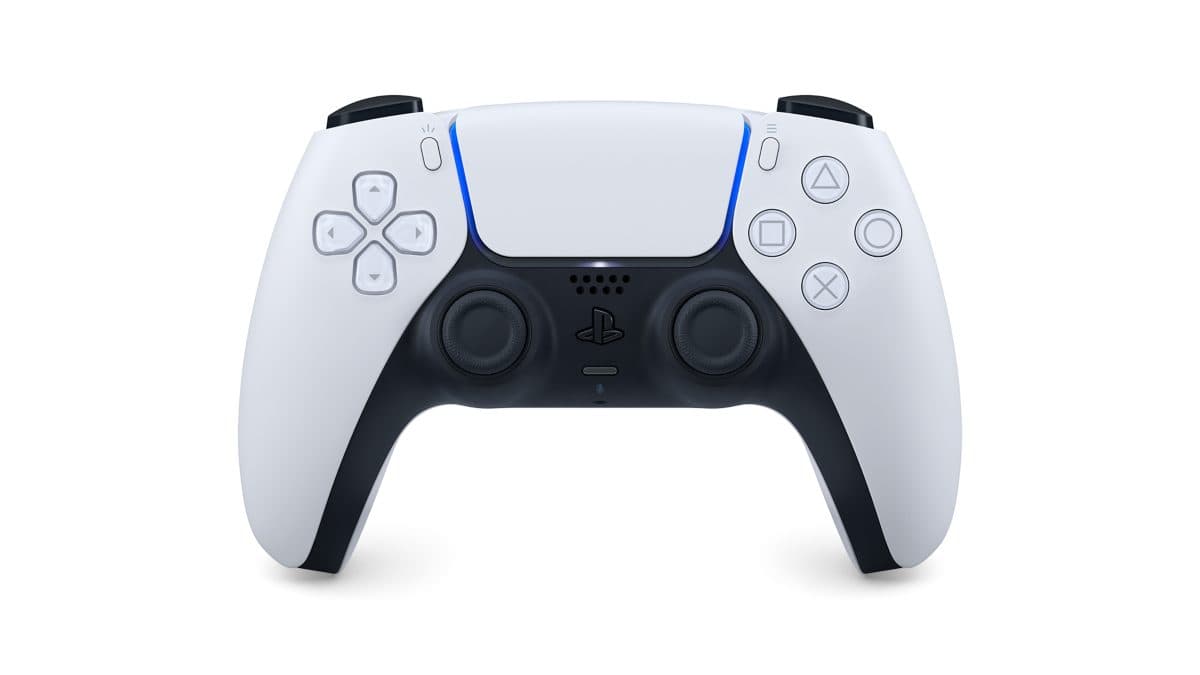
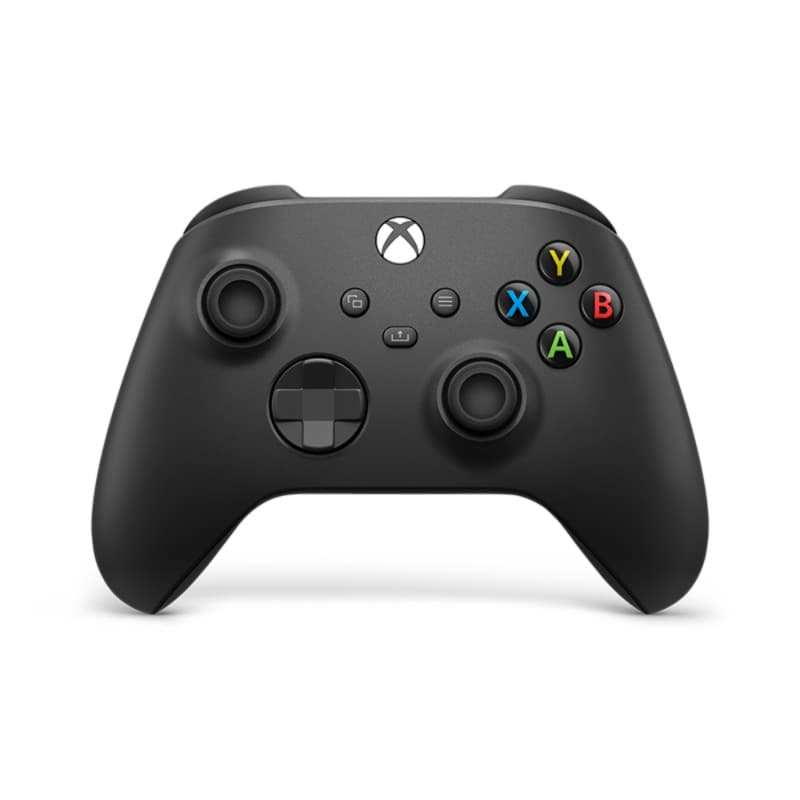
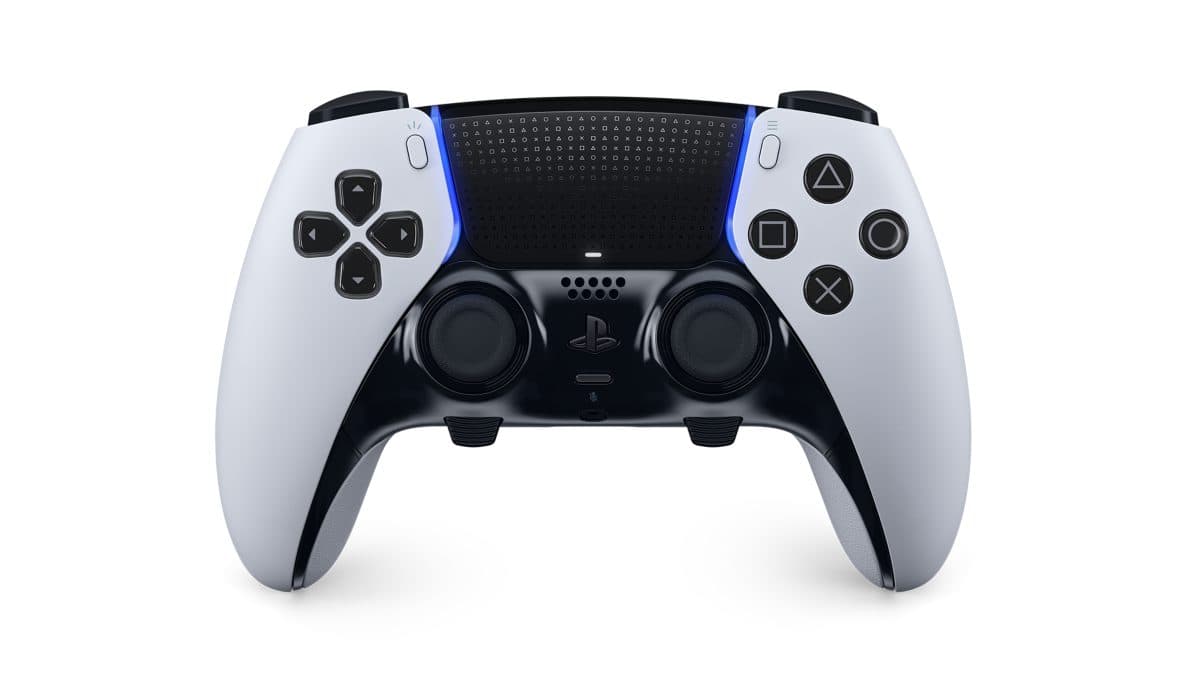
First-Party Feel, Magnetic Sticks, or a Pro Module?
Adaptive-trigger hangtags are the wrong first question. First-party feel, magnetic sticks, or a pro module is the pad. Then shop Gavler's live ranking.
The Best Gaming Controllers in 2026: Buy the Sticks, Not the Brand
DualSense, Xbox, 8BitDo, GameSir, and the pro pads. Gavler ranks the best gaming controllers of 2026 — by platform, drift-proof sticks, and value.