Sony DualSense Edge.
A premium DualSense with replaceable stick modules, back buttons, and on-the-fly profiles.
The Verdict.
Gavler Meta-Score
“The PS5 pro pad. Pricey, but the replaceable stick modules alone justify it for heavy users who hate stick drift.”
The Gavler Verdict
The Gavler Review.
Sony DualSense Edge Review: The PS5 Pro Pad, With a Real Fix for Drift
The Sony DualSense Edge ranks number 3 on Gavler's Best Gaming Controllers list with an 8.8, and it exists to answer a specific, well-earned complaint about every standard controller: eventually, the sticks drift. Sony's pro-tier PS5 pad keeps everything that makes the standard DualSense special — adaptive triggers, dual-actuator haptics, the touchpad — while adding mappable back buttons, trigger-travel stops, on-the-fly profiles, and, most notably, thumbstick modules that pop out and get replaced for about $20 apiece. Buy it at $199 if you're a heavy PS5 player who wants deep customization and a real, affordable answer to drift. Skip it if you're a casual player — the standard DualSense delivers most of the same feel for a third of the price.
What it is
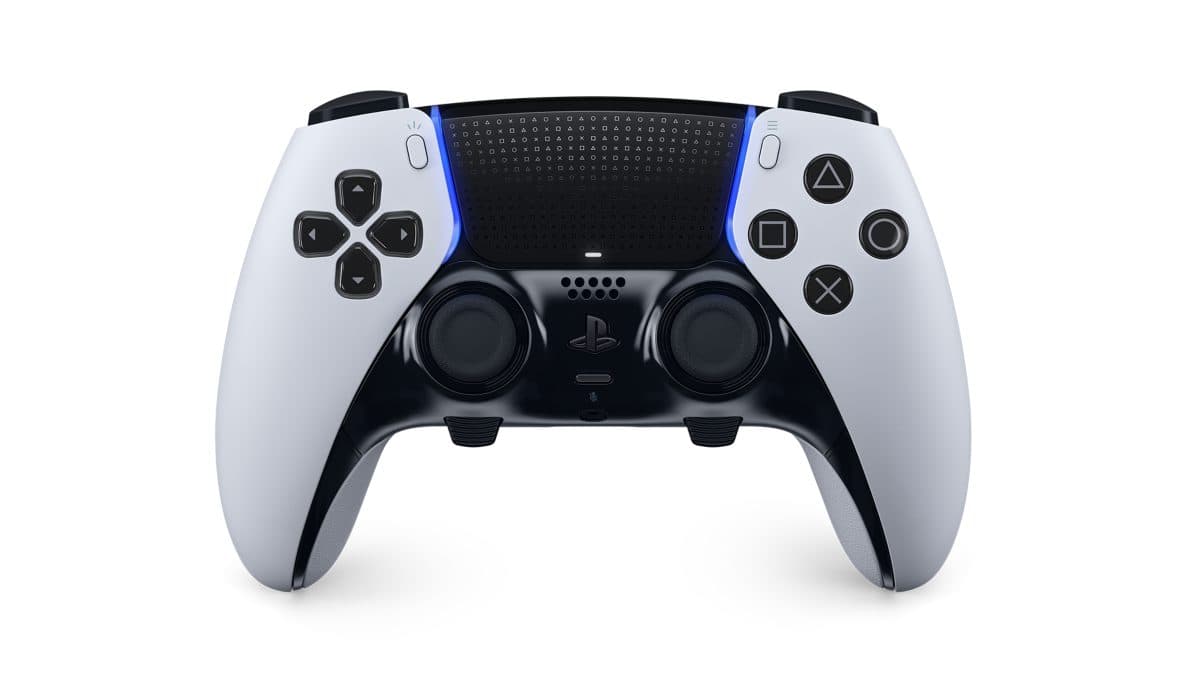
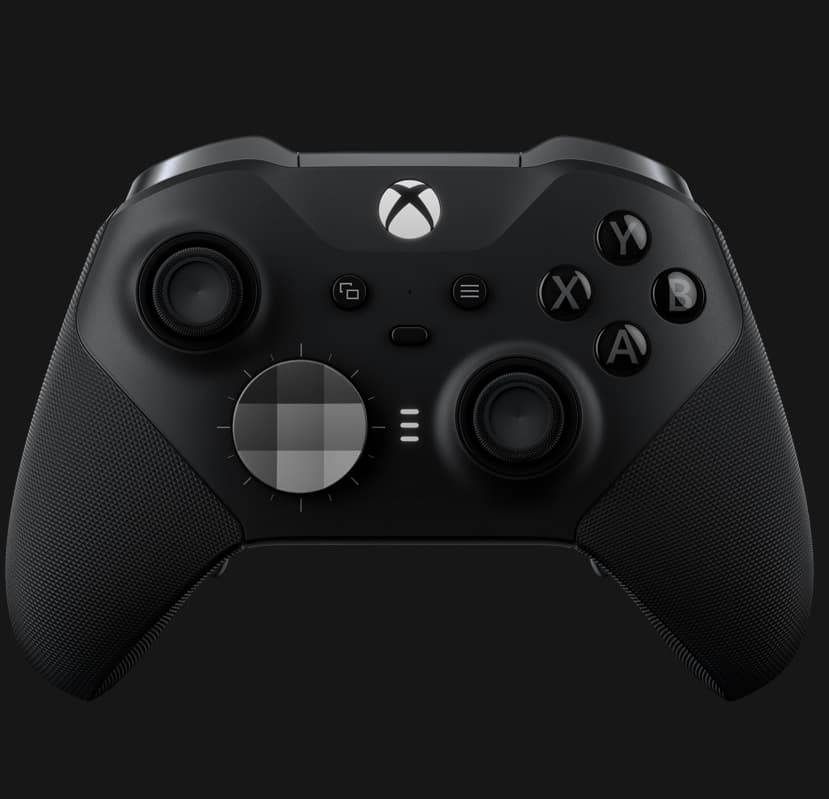
The DualSense Edge is Sony's entry into the pro-controller category that Microsoft's Xbox Elite Series 2 and various third-party pads have occupied for years — a premium controller built for players who want more customization and durability than a standard bundled pad offers. It preserves the core DualSense experience — adaptive triggers that vary resistance in real time and dual-actuator haptics precise enough to distinguish rain from gravel — while adding the tools competitive and heavy-use players actually want: two interchangeable back-button shapes, three trigger-travel stops, multiple on-board profiles you can switch mid-game, a braided locking USB-C cable, and a hard carrying case.
Its signature feature, and the thing that most separates it from every prior first-party PlayStation controller, is repairability. The thumbstick modules aren't fixed, soldered components — they pop out and can be swapped for roughly $20 each, meaning when drift eventually shows up after enough hours of play, you replace a small, cheap part instead of the entire $199 controller.
In use
Engadget's coverage of the replacement-module system captures exactly why it matters: "This means when you start to experience some controller drift (which you will, given enough wear and tear), you can simply buy replacement thumbstick modules that cost $20 each." That's a meaningfully different proposition than every prior standard controller, where drift eventually means buying a whole new pad — the Edge turns a $70-200 problem into a $20 one.
But GamesRadar+'s review pushes back on how much credit the system deserves: "To me, the fact that you can now swap out stick modules on Sony's 'premium' controller seems more like a temporary plaster over the wound." That's a fair, important caveat — the underlying stick technology hasn't actually changed. The Edge still uses standard potentiometer thumbsticks, the same technology that causes drift in the first place, rather than the Hall effect or TMR magnetic sensors that genuinely resist drift in newer third-party controllers. The modules make the eventual failure cheaper and faster to fix; they don't prevent the failure from happening.
Tom's Guide's overall summary lands in a similarly balanced place: "The DualSense Edge is a fantastic, highly customizable controller that should be easier to recommend than it actually is." That "should be easier to recommend" framing is the key tension running through the Edge's reception — the feature set genuinely impresses, but the price and battery trade-offs keep pulling the recommendation back toward "for the right buyer" rather than "for everyone."
Where it shines
- Replaceable stick modules at ~$20 each. A real, meaningful answer to the eventual cost of stick drift, even if it treats the symptom rather than the underlying cause.
- Mappable back buttons and trigger-travel stops. Two interchangeable back-button shapes and three trigger stops give competitive players tools the standard DualSense simply doesn't offer.
- Multiple on-board, switchable profiles. Change your entire control scheme mid-match without leaving the game — a genuine convenience for players who use different setups across different genres.
- All the standard DualSense's signature feel. Adaptive triggers and dual-actuator haptics remain intact, so you're not giving up what makes PS5's default pad special.
- A genuinely premium build. The braided locking cable and included hard case reflect real attention to a pro-tier physical product.
The trade-offs — who should skip it
The Edge is a genuinely capable pro pad, but the honest caveats are specific:
- Battery life is worse than the cheaper standard DualSense. Engadget measured five to six hours per charge — shorter than the roughly 8 hours the far less expensive standard pad manages.
- The sticks still aren't drift-proof. GamesRadar+'s "temporary plaster over the wound" framing is fair — you're paying for cheaper repairs, not prevention.
- At $199.99, it costs nearly three times the standard DualSense. For casual or moderate players who won't hit enough hours to worry about drift, that premium buys customization most people won't use.
How it compares
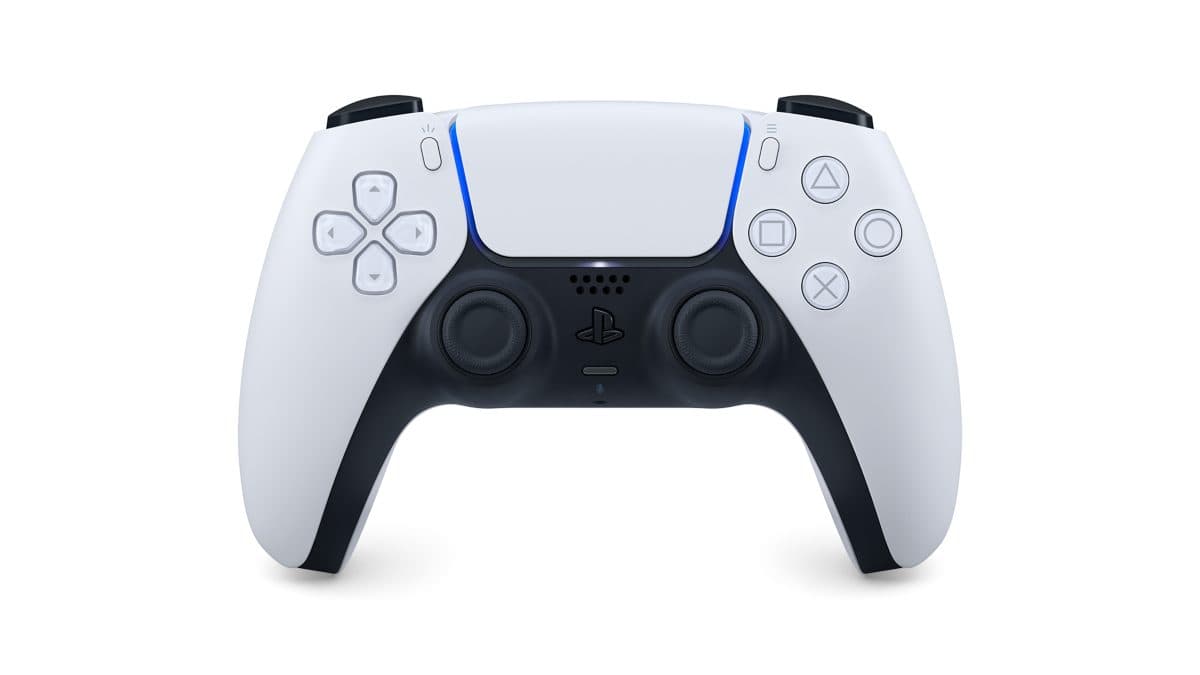
Directly above it on the same list, the Sony DualSense at rank 1 delivers most of the Edge's core feel — adaptive triggers, haptics, the touchpad — at a third of the price, with better battery life to boot. For most PS5 players, it remains the smarter default; the Edge is a genuine upgrade only for heavy users who specifically want the customization and repairability.
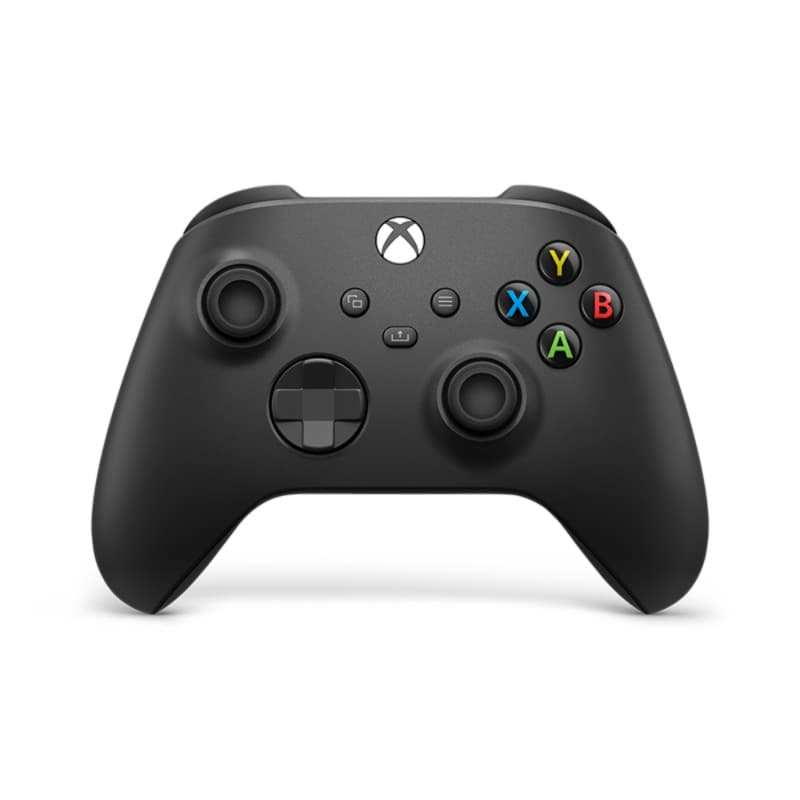
Cross-platform, the Xbox Wireless Controller at rank 2 makes for a useful comparison too — it lacks the DualSense line's haptics entirely, but its broader device compatibility and longer AA-battery-powered runtime are real advantages for players who split time across Xbox, PC, and mobile.
The Gavler verdict
An 8.8 — a strong score for a genuinely well-built pro controller, tempered by the honest trade-offs Tom's Guide flagged. The Sony DualSense Edge earns its place for heavy PS5 players who hate the eventual cost of stick drift and want deep on-the-fly customization; its replaceable modules and mappable buttons are real, useful features. For everyone else, the standard DualSense remains the better buy — save the $125 and put it toward games instead.
Common Questions
It depends on how much you play. It ranks number 3 on Gavler's Best Gaming Controllers list with a 8.8, and its replaceable stick modules genuinely solve the long-term stick-drift problem that eventually affects every standard controller — worth it for heavy players. At $199.99, roughly triple the standard DualSense's price, casual players are better served by the standard pad.
About $20 per module. When drift eventually appears after enough wear, you pop out and replace the stick module rather than replacing the entire $199 controller — a meaningfully cheaper long-term fix than buying a new pad.
Engadget measured five to six hours per charge — notably shorter than the standard, far cheaper DualSense's roughly 8 hours. It's the Edge's most consistently cited weakness.
No. GamesRadar+ specifically notes the sticks are still standard potentiometers, not drift-proof magnetic units — the replaceable modules make drift cheaper to fix when it happens, but they don't prevent it from happening in the first place.
Where to Buy.
Prices checked regularly
90-day price history
Price History
Steady at $199 for the entire 90-day tracking window — no increases, no discounts, across 91 tracked days.
Tracked daily across retailers. Vote Want itabove and we’ll alert you the moment the price drops.
Some links are affiliate links — Gavler may earn a commission. This never affects rankings or scores. Learn more.
Precision Engineering
Replaceable Stick Modules
Thumbstick modules swap out in seconds and cost about $20 each — when drift appears, you replace a part rather than the whole controller.
Back Buttons + Trigger Stops
Two mappable back buttons (interchangeable shapes), three trigger-travel stops, and multiple on-board profiles you can switch mid-match.
~5-6 Hour Battery
Engadget measured five to six hours per charge — shorter than the standard DualSense, and the Edge's most-cited weakness.
Technical Specifications
The Scoreboard
Praised for replaceable sticks and customization; the price and modest battery are the main critiques.
Cast Your Vote
Do you think Sony DualSense Edge deserves the #3 spot in Best Gaming Controllers?
Global Critique
“This means when you start to experience some controller drift (which you will, given enough wear and tear), you can simply buy replacement thumbstick modules that cost $20 each.”
“To me, the fact that you can now swap out stick modules on Sony's 'premium' controller seems more like a temporary plaster over the wound.”
“The DualSense Edge is a fantastic, highly customizable controller that should be easier to recommend than it actually is.”
More from Best Gaming Controllers.
See how other top picks compare in this category.
First-Party Feel, Magnetic Sticks, or a Pro Module?
Adaptive-trigger hangtags are the wrong first question. First-party feel, magnetic sticks, or a pro module is the pad. Then shop Gavler's live ranking.
The Best Gaming Controllers in 2026: Buy the Sticks, Not the Brand
DualSense, Xbox, 8BitDo, GameSir, and the pro pads. Gavler ranks the best gaming controllers of 2026 — by platform, drift-proof sticks, and value.