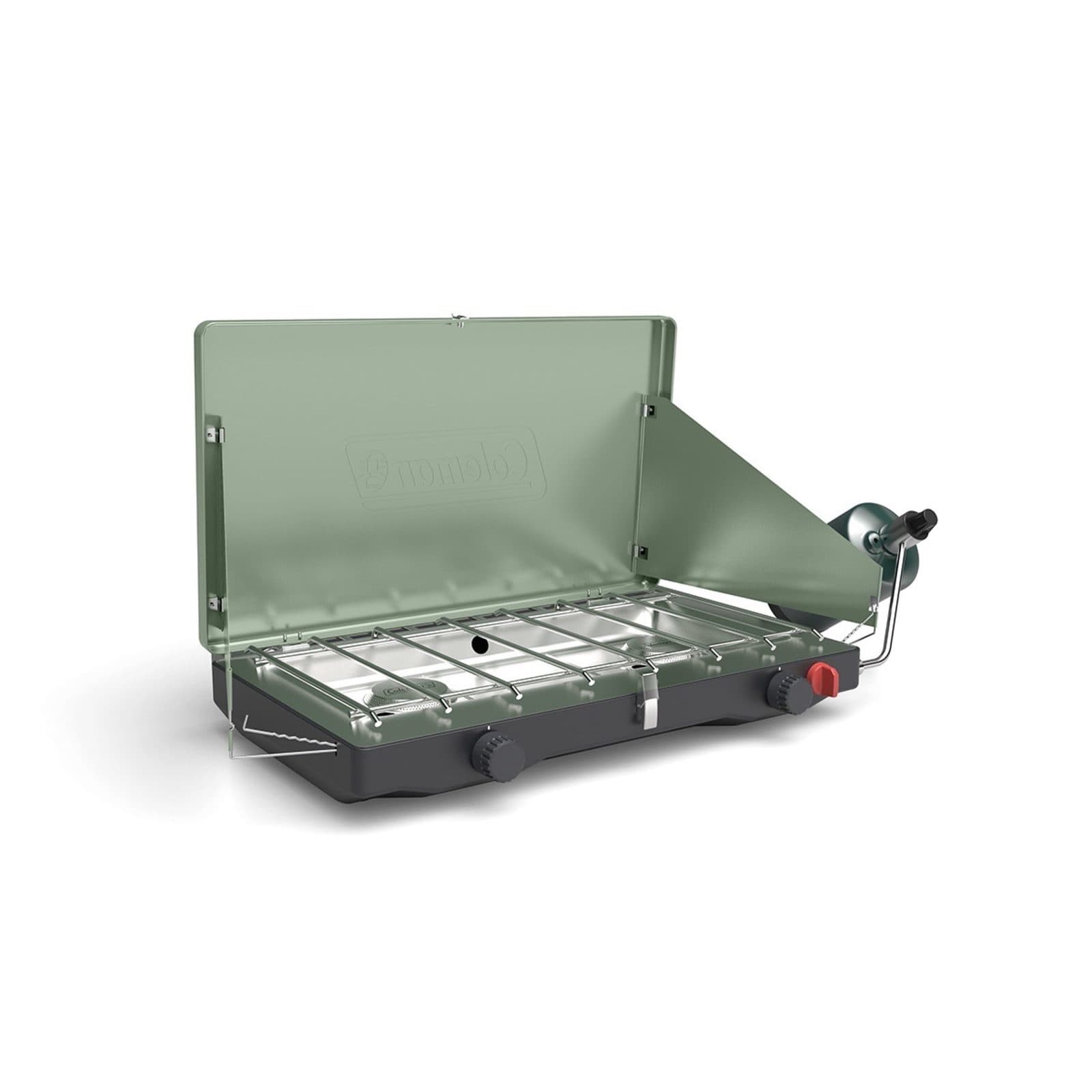
Coleman Cascade Classic.
Push-button ignition and a steady 20,000-BTU output for around $120 — the no-frills car-camping workhorse that lights first try and just cooks.
The Verdict.
Gavler Meta-Score
“Sarah Lin's take: the budget default — two 10,000-BTU burners and a reliable push-button igniter for around $120 that lights first try and just cooks. It's one of the slower stoves in its class and short on simmer control, but for occasional car campers it's all the stove most people need.”
The Gavler Verdict
The Gavler Review.
Coleman Cascade Classic Review: The Budget Two-Burner That Just Cooks
The Coleman Cascade Classic ranks number 7 on Gavler's Best Camping Stoves list with an 8.2, and it earns that spot by refusing to overcomplicate the job. Two 10,000-BTU burners, a rotary piezo igniter, and two fold-up wind guards for around $117 — that's the entire pitch. Gavler's Lead Curator Sarah Lin sums it up as "the budget default — two 10,000-BTU burners and a reliable push-button igniter for around $120 that lights first try and just cooks." It won't win a speed contest, and it's not the stove for anyone chasing precise simmer control, but for the occasional car camper who wants a stove that lights every time and gets breakfast on the table, it's hard to find a better dollar-for-dollar pick.
What it is
The Cascade Classic is Coleman's no-frills budget workhorse: two adjustable burners putting out 20,000 total BTU, matched with a rotary piezo igniter that lights without matches and a pair of fold-up wind guards built into the stove body. At around 11 pounds with a 269-square-inch cooking surface, it's sized to run a 10-inch and a 12-inch pan side by side — enough real estate for eggs and bacon at the same time, or two pots for a bigger group. It runs off standard 16-ounce propane canisters, and the whole thing folds into a compact, latched case that isn't purpose-built for backpacking but travels easily in a trunk or a camp box.
In use
The piezo ignition is the feature every review keeps coming back to, and it's the reason this stove earns trust rather than just tolerance. OutdoorGearLab's take is direct: it's "an affordable, portable, and fuel-efficient two-burner whose piezo igniter works consistently well — a dependable budget pick." That consistency matters more than it sounds like it should — a stove that requires fumbling for a lighter in the cold or wind is a stove people stop trusting, and the Cascade Classic doesn't put you in that position.
Where it does ask for patience is speed. OutdoorGearLab's boil test found it to be "one of the slowest gas-powered stoves in our test, taking over six minutes to bring a liter to a boil — steady, but not fast." Better Trail's independent testing lands in the same neighborhood: a liter took 6 minutes and 17 seconds in a 2-quart pot on a cool, drizzly 55-degree day, which the outlet flatly called "the slowest gas-powered stove we tested." Two separate testing teams landing on nearly the same number, in different conditions, is a strong signal that the slow boil isn't a fluke — it's a real, repeatable characteristic of the stove.
It's not all bad news on the cooking side, though. CleverHiker's hands-on testing found the Cascade Classic held a low simmer better than expected for a stove this affordable, reporting that a 25-minute pot of rice on low heat "significantly outperformed other similar models" and came out "cooked perfectly, and all water was absorbed" — a result CleverHiker says "even outperform[ed] much pricier options." That's a genuinely useful data point: the burners may be slow to bring things to a boil, but once you're cooking, they hold a steady low flame well.
Wind performance is the other soft spot. Better Trail found the built-in guards "flimsier than the rest of the build" and reported the flame struggling to stay lit in a moderate breeze unless the shields were cinched in as tight as possible. The same review also flagged a minor but real quirk with ignition reliability in the field: "the auto ignition — it didn't always fire immediately, and the tester had to let the gas run for a few seconds before the flame would catch."
Strengths
Value is the headline strength, and every source agrees on it. Switchback Travel describes it as "a no-frills budget workhorse that covers the basics reliably for casual car campers who don't need premium refinements," and that's exactly the right frame — this isn't a stove trying to be more than it is. The piezo ignition works when you need it to, the 269-square-inch cooktop is genuinely roomy for the price, and the low-heat performance on something like rice or sauces is better than the sluggish boil time would suggest. At around 11 pounds with a latched case, it's also easy enough to toss in a trunk without a second thought.
The trade-offs — who should skip it
The slow boil is the trade-off that matters most, and it's confirmed by more than one tester, not just a single outlier result. If your trips involve a lot of quick coffee-and-go mornings or you're regularly cooking for a group waiting on boiling water, over six minutes per liter will start to feel like a real tax on your time. Wind performance is the second real weakness — the fold-up guards help, but they're not sturdy enough to fully trust in genuinely gusty conditions, and you may find yourself repositioning them mid-cook. And while the Cascade Classic simmers better than its reputation suggests, Sarah Lin's verdict is blunt that it's "short on simmer control" overall — fine for rice and basic sauces, not the stove for anyone doing serious low-and-slow cooking. If speed, wind resistance, or precision heat control are non-negotiable, this isn't the stove for you.
How it compares
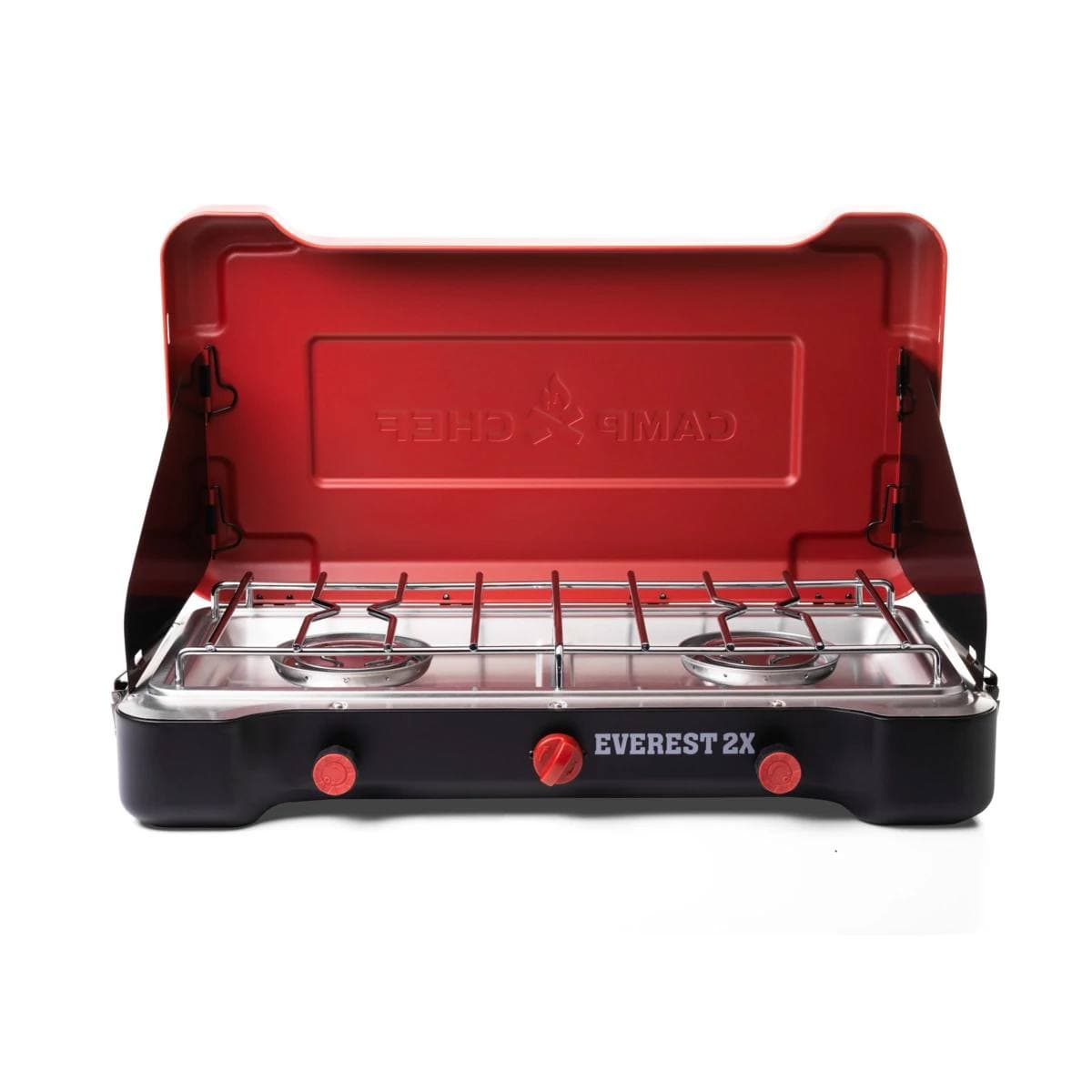
The natural comparison on this list is the Camp Chef Everest 2X, ranked number 2 with two 20,000-BTU burners — double the Cascade Classic's per-burner output — and genuine simmer control, at roughly double the price. Better Trail ran the two head-to-head and found the Everest 2X "boils water more than two minutes faster," then asked the obvious question about whether that price jump is worth it: "if you've got the money to spend, we think it is," while adding that the Cascade Classic "will work well for those who don't need a top-performing product." That's the whole decision in one sentence — pay more for real performance headroom, or save the difference and accept a slower, simpler stove that still gets the job done. Campers who want something in between might also look at the Camp Chef Explorer 2X, another step-up option on this list for anyone who's outgrown entry-level burners but doesn't need Everest-level firepower.
The Gavler verdict
An 8.2 for a stove that knows exactly what it is. The Coleman Cascade Classic isn't fast, isn't a simmering specialist, and its wind guards ask for a little babysitting in gusty conditions — but the piezo igniter lights reliably every time, the cook surface is genuinely roomy for the price, and at around $117 it remains, as Sarah Lin puts it, "all the stove most people need" for occasional car camping. If you camp a handful of weekends a year and just want something that works without fuss, this is still the easy default.
Common Questions
Yes, if you're a casual car camper who mostly needs to boil water and fry breakfast. It ranks number 7 on Gavler's Best Camping Stoves list with an 8.2, and Gavler's Lead Curator Sarah Lin calls it 'the budget default — two 10,000-BTU burners and a reliable push-button igniter for around $120 that lights first try and just cooks.' It's not fast and it's not a simmering specialist, but for occasional trips it covers the basics dependably.
Yes, relative to its class. OutdoorGearLab clocked it as 'one of the slowest gas-powered stoves in our test, taking over six minutes to bring a liter to a boil.' Better Trail's independent test landed in the same range, timing it at 6 minutes 17 seconds on a cool, breezy day and calling it 'the slowest gas-powered stove we tested.' It's steady, just not quick.
The Everest 2X is the step-up option on the same list, with two 20,000-BTU burners (double the Cascade Classic's per-burner output) and real simmer control, for roughly double the price. Better Trail's head-to-head found the Everest 'boils water more than two minutes faster' and asked point-blank whether the price jump is worth it, concluding 'if you've got the money to spend, we think it is' — but adding that the Cascade Classic 'will work well for those who don't need a top-performing product.'
Where to Buy.
Prices checked regularly
90-day price history
Price History
Steady at $140 for the entire 90-day tracking window — no increases, no discounts, across 91 tracked days.
Tracked daily across retailers. Vote Want itabove and we’ll alert you the moment the price drops.
Some links are affiliate links — Gavler may earn a commission. This never affects rankings or scores. Learn more.
Precision Engineering
Matchless Piezo Ignition
A rotary piezo igniter lights both burners without matches or a lighter — reviewers report it fires consistently first-try.
Dual 10,000-BTU Burners
Two independently adjustable burners (20,000 BTU total) with 269 sq in of cooking space run two medium pots or pans at once.
Fold-Up Wind Guards
Two adjustable side wind guards shield the flames and can open wider to fit larger cookware.
Technical Specifications
The Scoreboard
Reviewers consistently praise the value, dependable piezo ignition, and wind guards while noting it's among the slowest gas stoves tested and lacks simmer finesse. A solid budget two-burner, not a performance pick.
Cast Your Vote
Do you think Coleman Cascade Classic deserves the #7 spot in Best Camping Stoves?
Global Critique
“An affordable, portable, and fuel-efficient two-burner whose piezo igniter works consistently well — a dependable budget pick.”
“One of the slowest gas-powered stoves in our test, taking over six minutes to bring a liter to a boil — steady, but not fast.”
“A no-frills budget workhorse that covers the basics reliably for casual car campers who don't need premium refinements.”
More from Best Camping Stoves.
See how other top picks compare in this category.
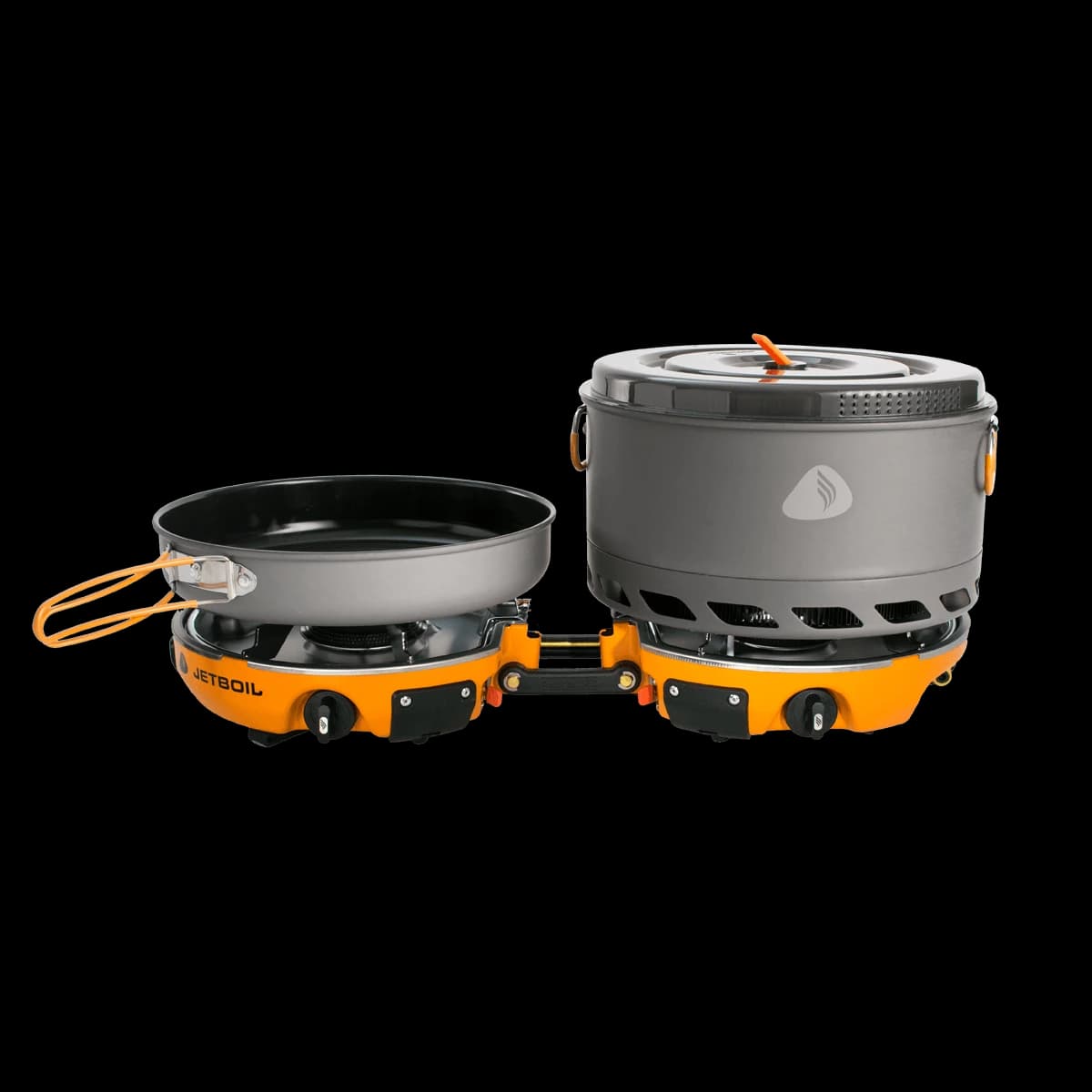
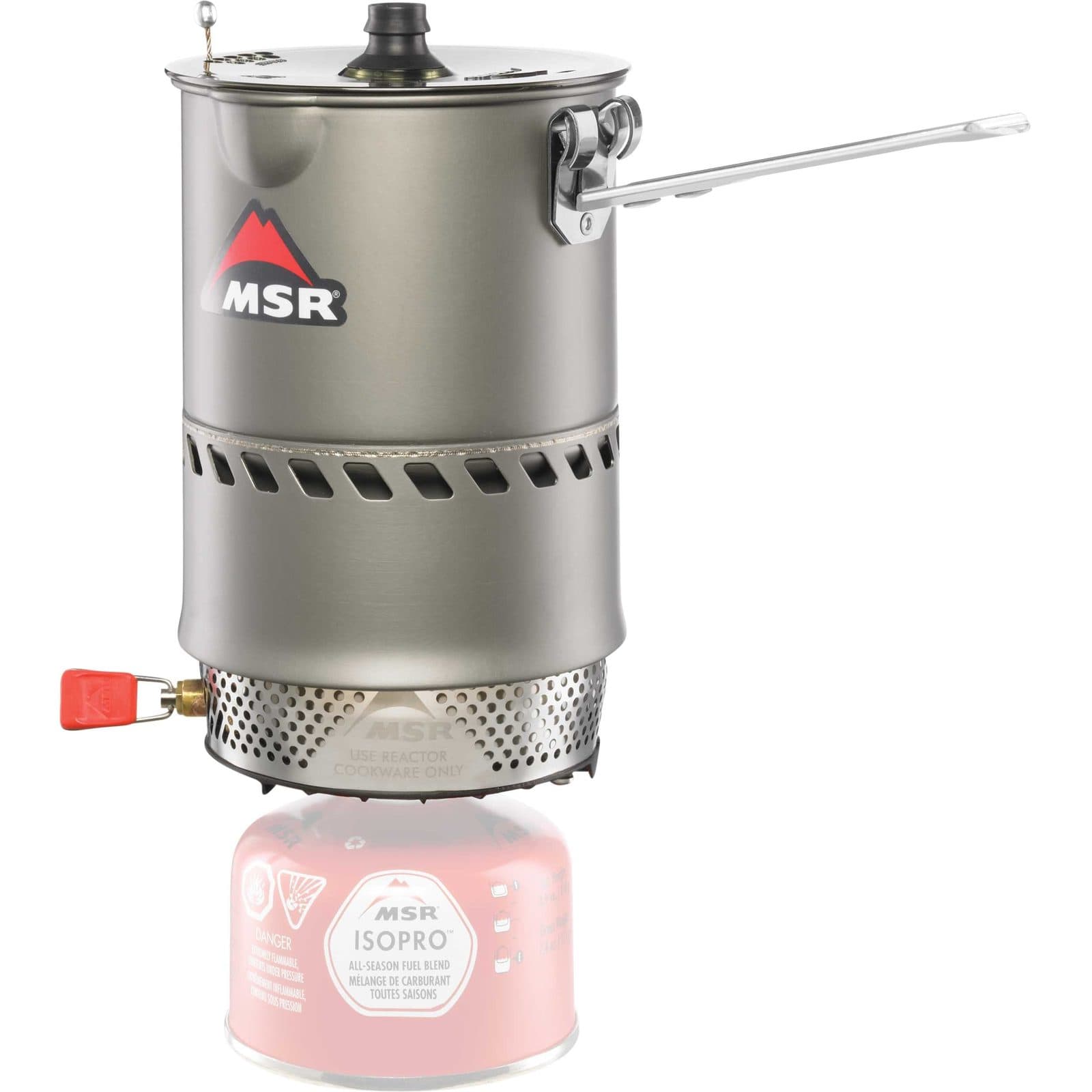
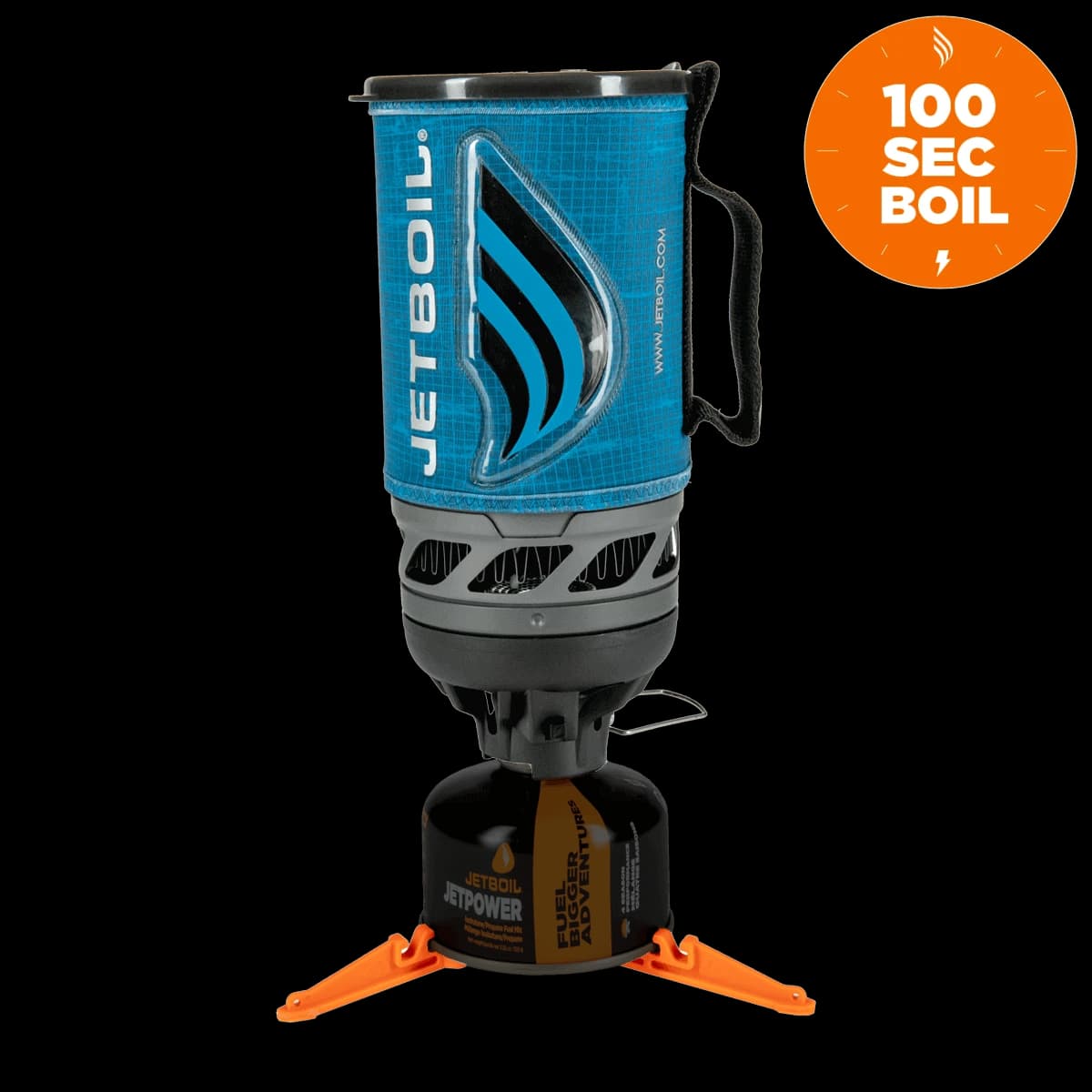
Pick a Camping Stove for the Way You Cook Outside
BTU hangtags are the wrong first question. Match canister backpacking, tabletop propane, or wood-burning to how you cook outside.
The Best Camping Stoves in 2026, Ranked by People Who Actually Cook Outdoors
Jetboil, MSR, Camp Chef, Coleman. Gavler's campers rank the stoves worth carrying — for backpackers, basecamps, and car-camp kitchens.