The Verdict
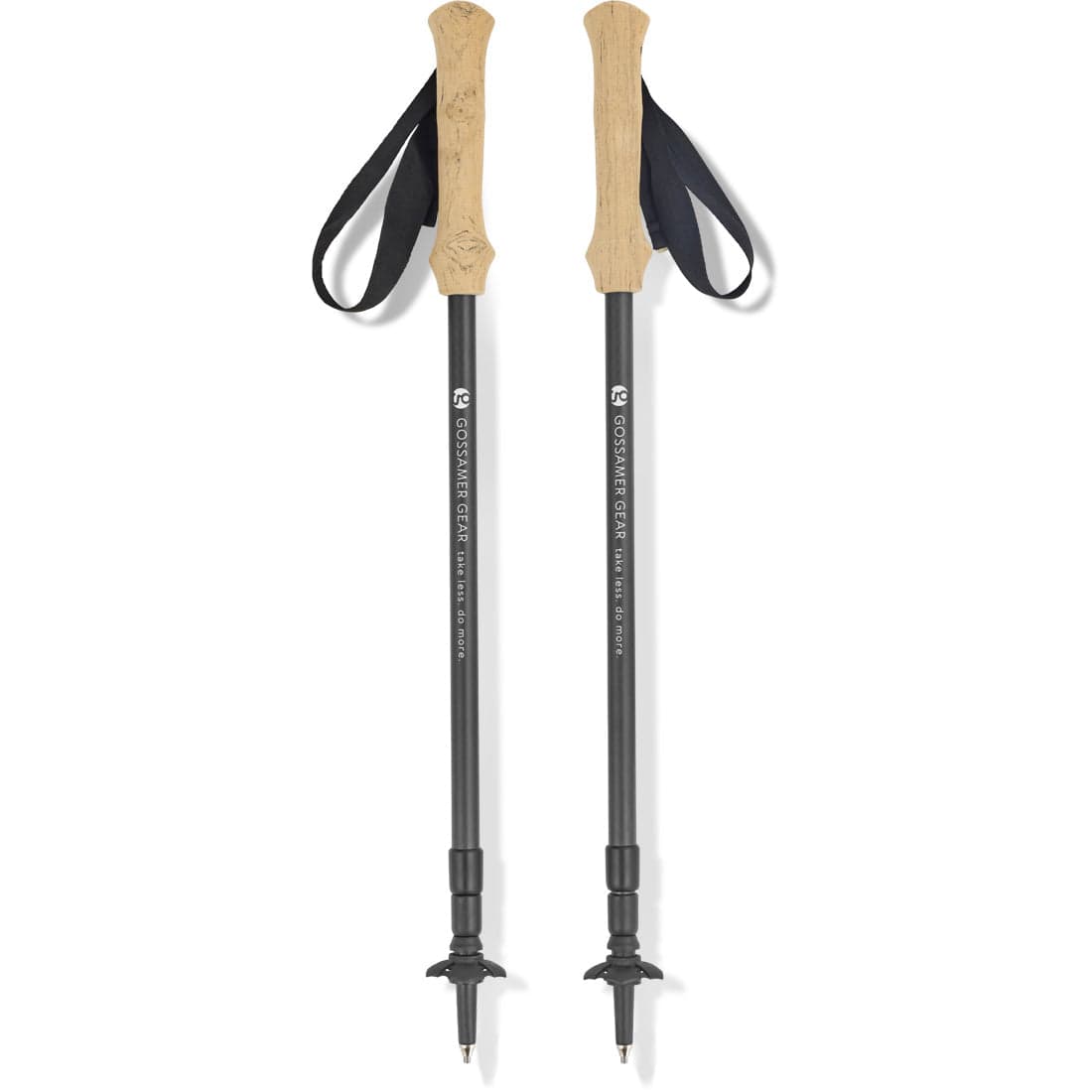
“4.6 oz per pole carbon fiber trekking poles designed by ultralighters for ultralighters. The lightest credible trekking poles in production.”
14% Solid
of 250 votes
Carbon fiber and aluminum trekking poles tested across thousands of trail miles — folding, telescoping, and ultralight picks.

“4.6 oz per pole carbon fiber trekking poles designed by ultralighters for ultralighters. The lightest credible trekking poles in production.”
14% Solid
of 250 votes

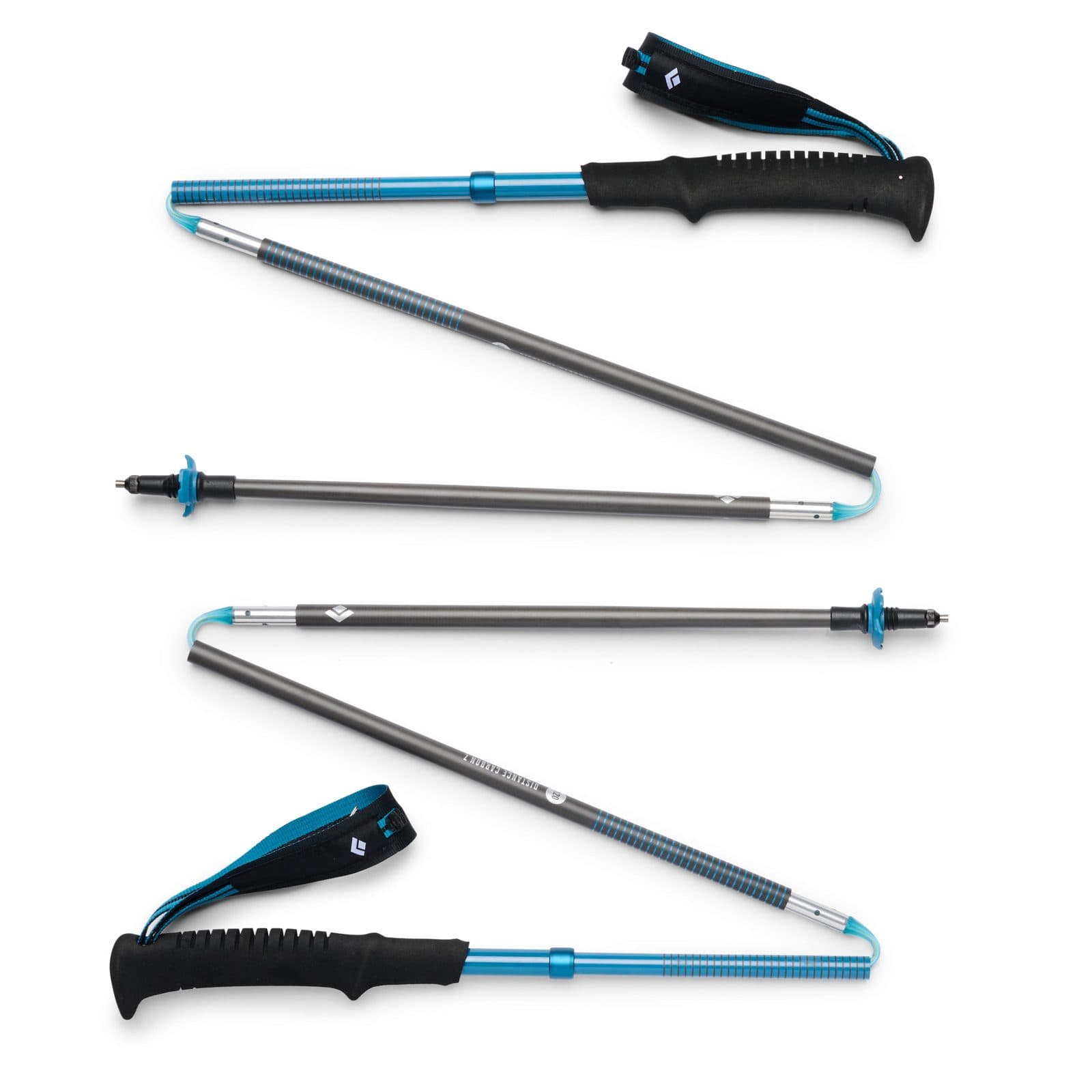
“Z-fold carbon fiber poles that pack down to 15 inches and deploy in seconds. The folding pole that solved the stow-and-go problem for trail runners and fast hikers.”
13% Solid
of 250 votes

“German-engineered carbon fiber poles with the SpeedLock 2 adjustment system. The durability benchmark — Leki's poles survive abuse that snaps competitors.”
11% Solid
of 250 votes
“REI's house-brand carbon fiber poles at $80 — the price-performance benchmark. Surprisingly capable for a store-brand pole, with REI's no-questions return policy as insurance.”
12% Solid
of 250 votes

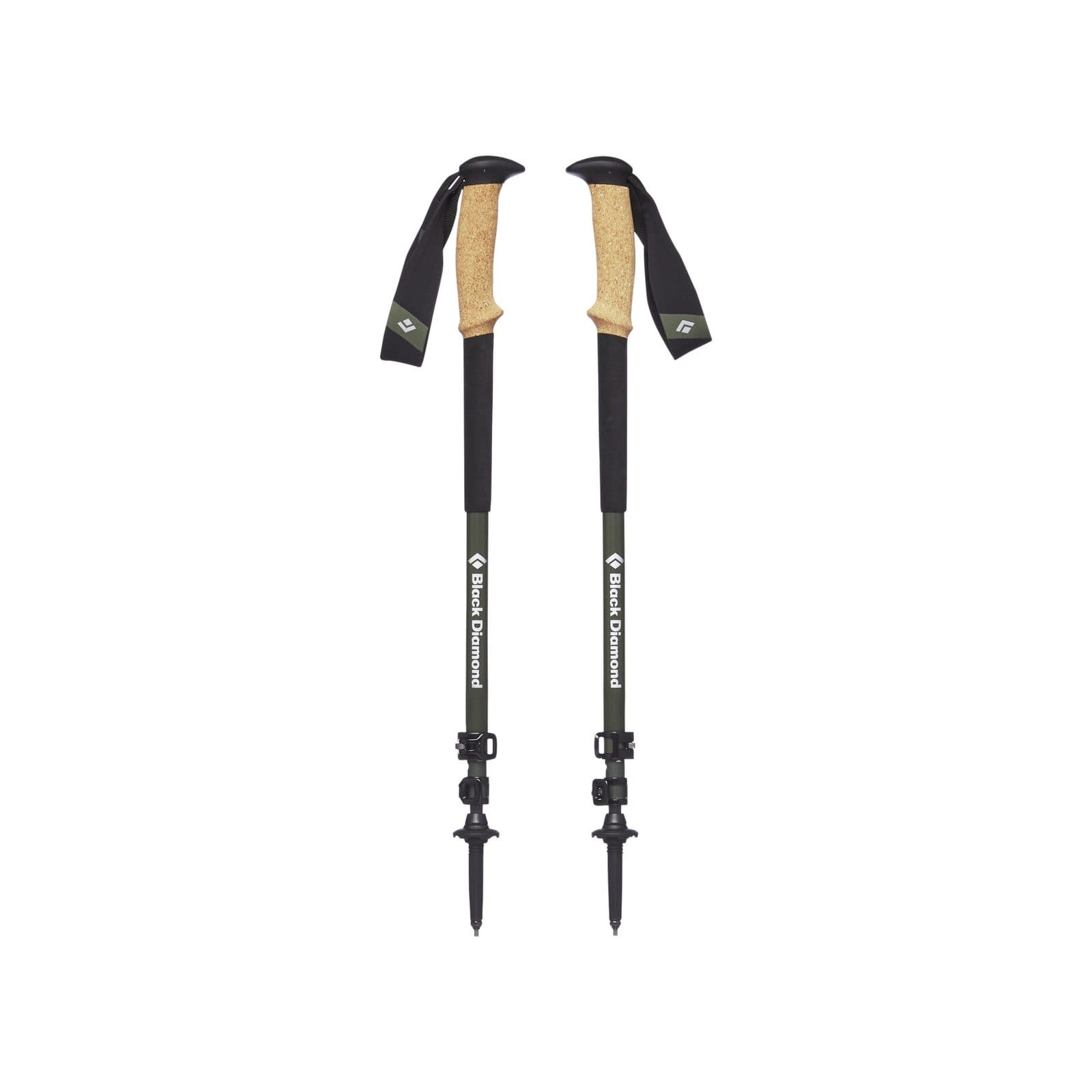
“Cork-grip carbon fiber poles built for all-day comfort on long descents. The classic Black Diamond pole that serious hikers replace — with the same pole.”
10% Solid
of 250 votes

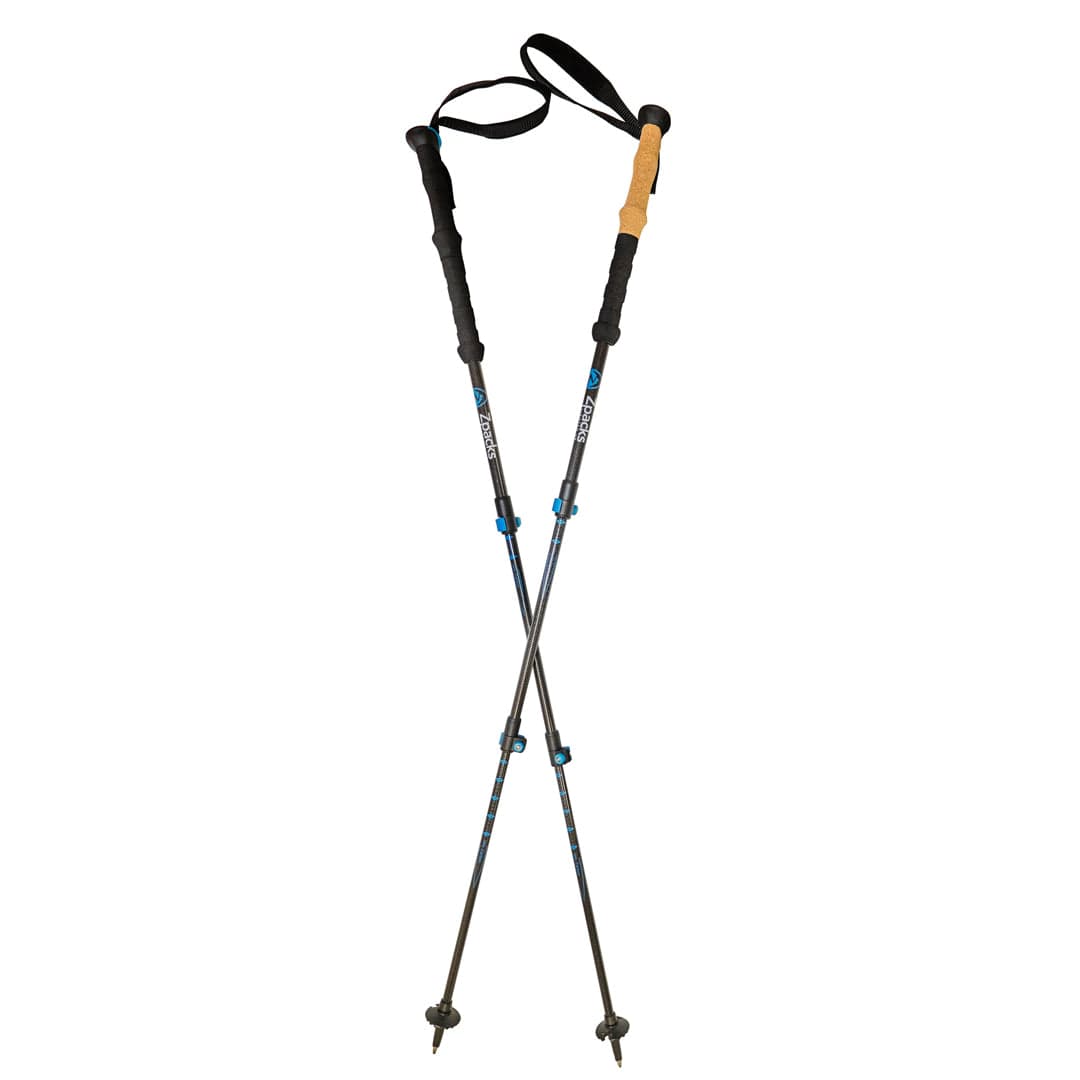
“Fixed-length carbon fiber poles at 3.4 oz each — the cottage ultralight choice for thru-hikers who also use them to pitch their Zpacks tent.”
10% Solid
of 250 votes

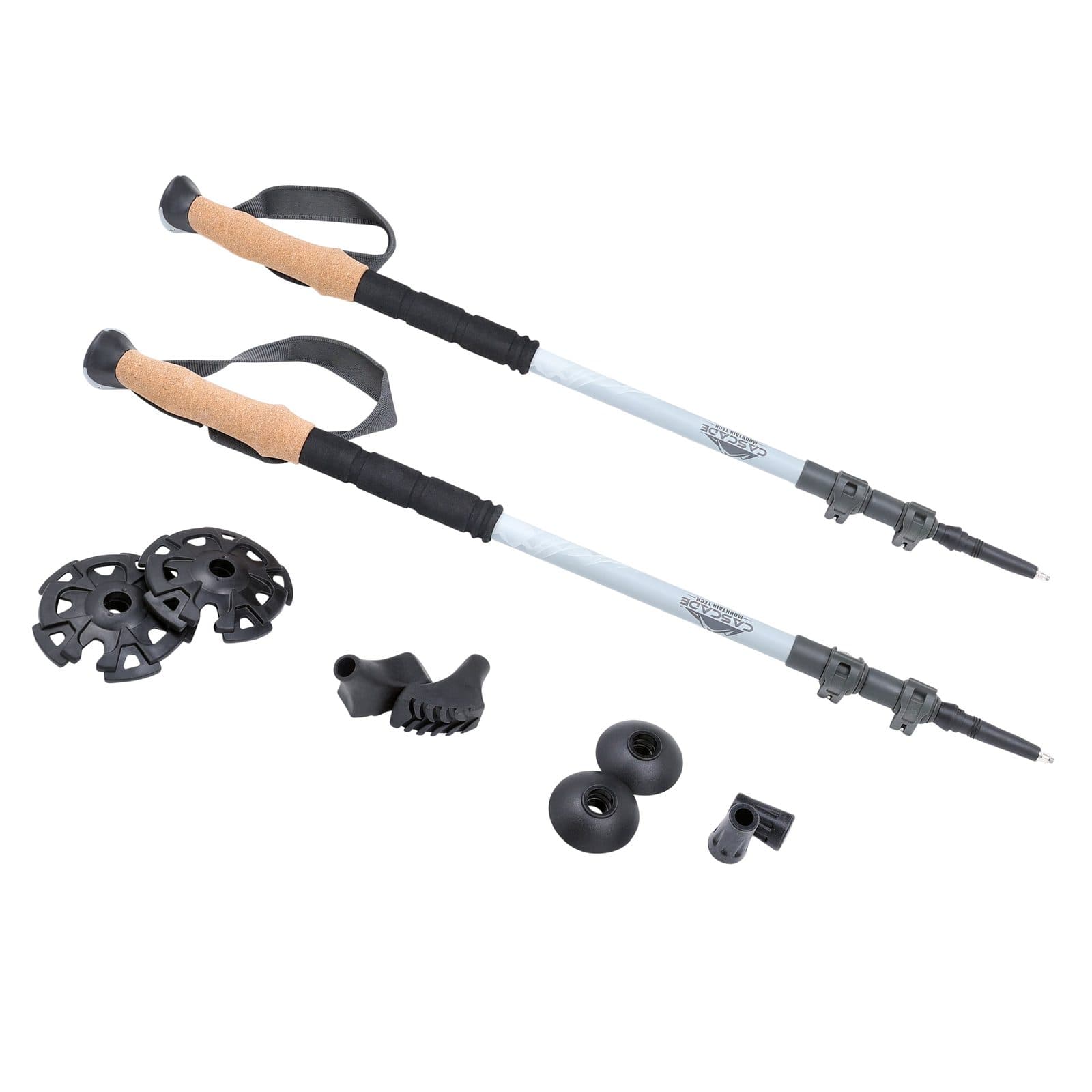
“Full carbon fiber trekking poles at $40 — the Amazon best-seller that proved you don't need to spend $150+ for functional carbon poles.”
9% Solid
of 250 votes
“Z-fold aluminum poles from the cottage brand known for their water containers. Compact folding design with a surprising build quality for the price.”
8% Solid
of 250 votes

“Aluminum telescoping poles with padded wrist straps and carbide tips at $60. The reliable budget pick for hikers who want simplicity over ultralight engineering.”
7% Niche
of 250 votes

“7075 aluminum poles with a lifetime warranty at $35. The bombproof budget option for hikers who break carbon fiber poles on rocky terrain.”
6% Niche
of 250 votes
There is no single best pole — the right one depends on how you hike and how you pack. For ultralight backpacking, the Gossamer Gear LT5 tops Gavler's list at 9.6: among the lightest credible carbon poles in production, though reviewers warn the thin shafts are not for hard, off-trail abuse (OutdoorGearLab actually broke a pair in testing). For packability, the Black Diamond Distance Carbon Z (rank 2) folds to about 14 inches to stash in a running vest. For durability and a lock you never think about, the Leki Makalu FX Carbon (rank 3) and Black Diamond Alpine Carbon Cork (rank 5) are the workhorses. For value, REI's $80 Trailmade (rank 4) is the zero-risk entry. Pick for your trail and your pack, not the lowest gram count.
Carbon is lighter and stiffer; aluminum is tougher and fails more gracefully. A carbon pole saves ounces and transmits less vibration, which adds up over a long day — most of Gavler's top picks are carbon for exactly that reason. The catch is the failure mode: carbon can snap suddenly under a hard sideways load (OutdoorGearLab flagged exactly this on the budget Cascade poles), while aluminum tends to bend before it breaks, and a bent pole still gets you back to the trailhead. If you hike rocky, off-trail terrain or you are simply tough on gear, aluminum poles like the Kelty Range 2.0 (rank 9) or Montem Ultra Strong (rank 10) are the safer, cheaper call. For weight-conscious trail hiking, carbon wins.
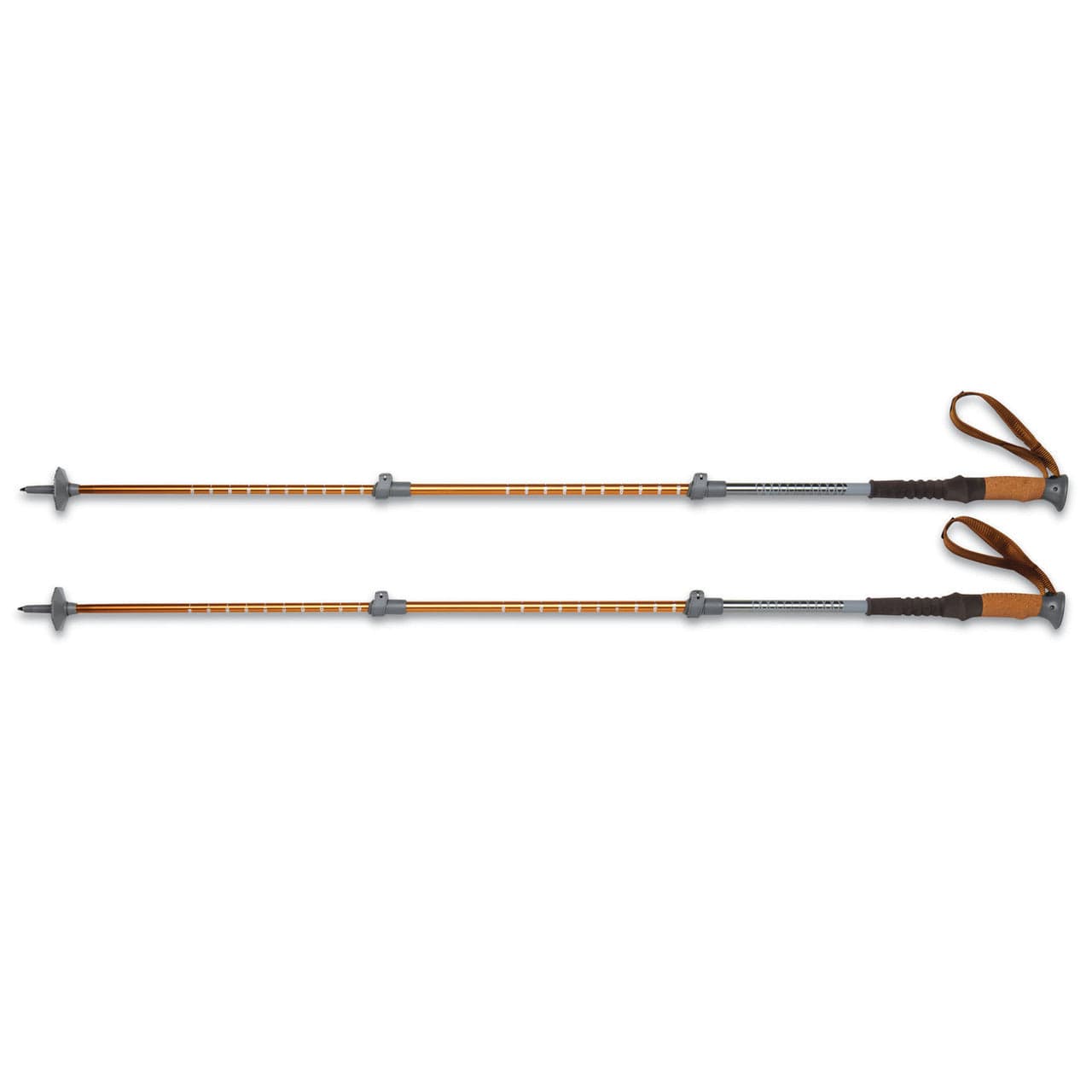
The Gossamer Gear LT5 (rank 1, around $155) is the ultralight benchmark — roughly half the weight of mainstream poles, with a minimalist three-section carbon build and a simple twist-lock. The trade-off is durability: the thin shafts and plastic locks are not built for hard leaning or off-trail abuse, and OutdoorGearLab broke a pair during testing. The Zpacks Carbon Fiber Poles (rank 6, around $99) are the cottage alternative and double as tent poles for a Zpacks shelter — but despite the reputation, they are a well-rounded, roughly seven-ounce-per-pole adjustable pole, not a featherweight, so do not buy them expecting the lowest number. True gram-counters who plant poles gently should start with the LT5; anyone harder on gear should weigh a sturdier pick.
Folding (Z-fold) poles like the Black Diamond Distance Carbon Z (rank 2) and Leki Makalu FX Carbon (rank 3) collapse far shorter — roughly 14 to 16 inches — so they stash in a running vest or strap cleanly to a small pack, and they deploy in seconds via an internal cord. The downsides: most fold to fixed lengths (the BD Z cannot be adjusted at all), and a folded pole is bulkier in the hand than a collapsed telescoping pole. Telescoping poles like the Black Diamond Alpine Carbon Cork (rank 5) adjust freely across a range — shorten for climbs, lengthen for descents, dial in height to pitch a tent — but they pack longer. Trail runners and fast-and-light hikers want folding; backpackers who pitch trekking-pole tents or share poles across heights usually want telescoping.
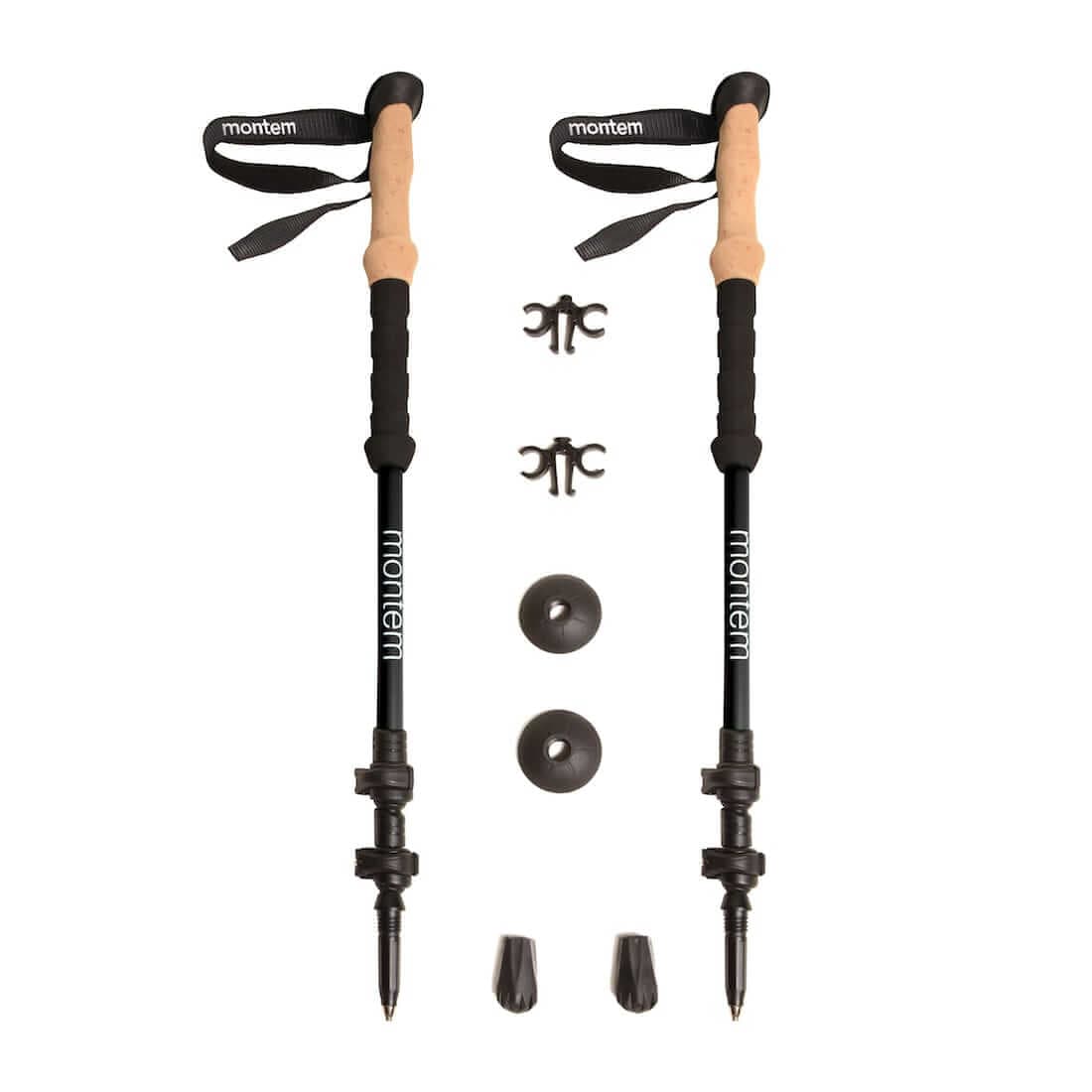
For the most pole at the lowest price, the Cascade Mountain Tech Carbon Fiber (rank 7, around $40) is the famous budget carbon option — but buy it with eyes open: OutdoorGearLab found its lever locks slip under load and flagged user reports of shafts snapping under lateral stress, so it is best for mellow terrain and casual use. The smarter budget buy for most people is REI's Trailmade (rank 4, $80): sturdier, with REI's no-questions return policy as insurance — the closest thing to a zero-risk pole purchase. On the aluminum side, the Kelty Range 2.0 (rank 9, $60) and Montem Ultra Strong (rank 10, $35, lifetime warranty) trade weight for toughness and are hard to kill. Spend a little above rock-bottom and you get a lock you can actually trust.
For a lot of hiking, yes — they earn their weight. On descents, poles take a meaningful share of the load off your knees and ankles, which matters most on the long, steep downhills of fall peak-bagging season. They add stability on stream crossings, loose scree, and snow, and they set a steadier rhythm on big-mileage days. There is also a gear reason: many ultralight tents, including the Zpacks and Durston shelters on Gavler's backpacking lists, pitch with trekking poles instead of dedicated tent poles, so the poles do double duty. If you only walk smooth, flat trails you can skip them — but for backpacking, technical terrain, or anyone protecting their knees, they are among the highest-value purchases in a kit.
Set the pole so your elbow sits at a roughly 90-degree angle with the tip on the ground on flat terrain — that is the neutral starting point, and it lands most hikers in the 110 to 125 cm range. Adjustable telescoping poles like the Black Diamond Alpine Carbon Cork let you fine-tune on the fly: shorten about 5 to 10 cm for sustained climbs and lengthen the same amount for descents. Fixed and folding poles such as the Gossamer Gear LT5 and Black Diamond Distance Carbon Z are ordered to a size, so measure first — most brands publish a height-to-length chart. If you are between sizes or share poles across a household, an adjustable pole is the safer pick.
Think a product deserves a spot on this list? Submit a formal proposal with documented specs and the community will review it.