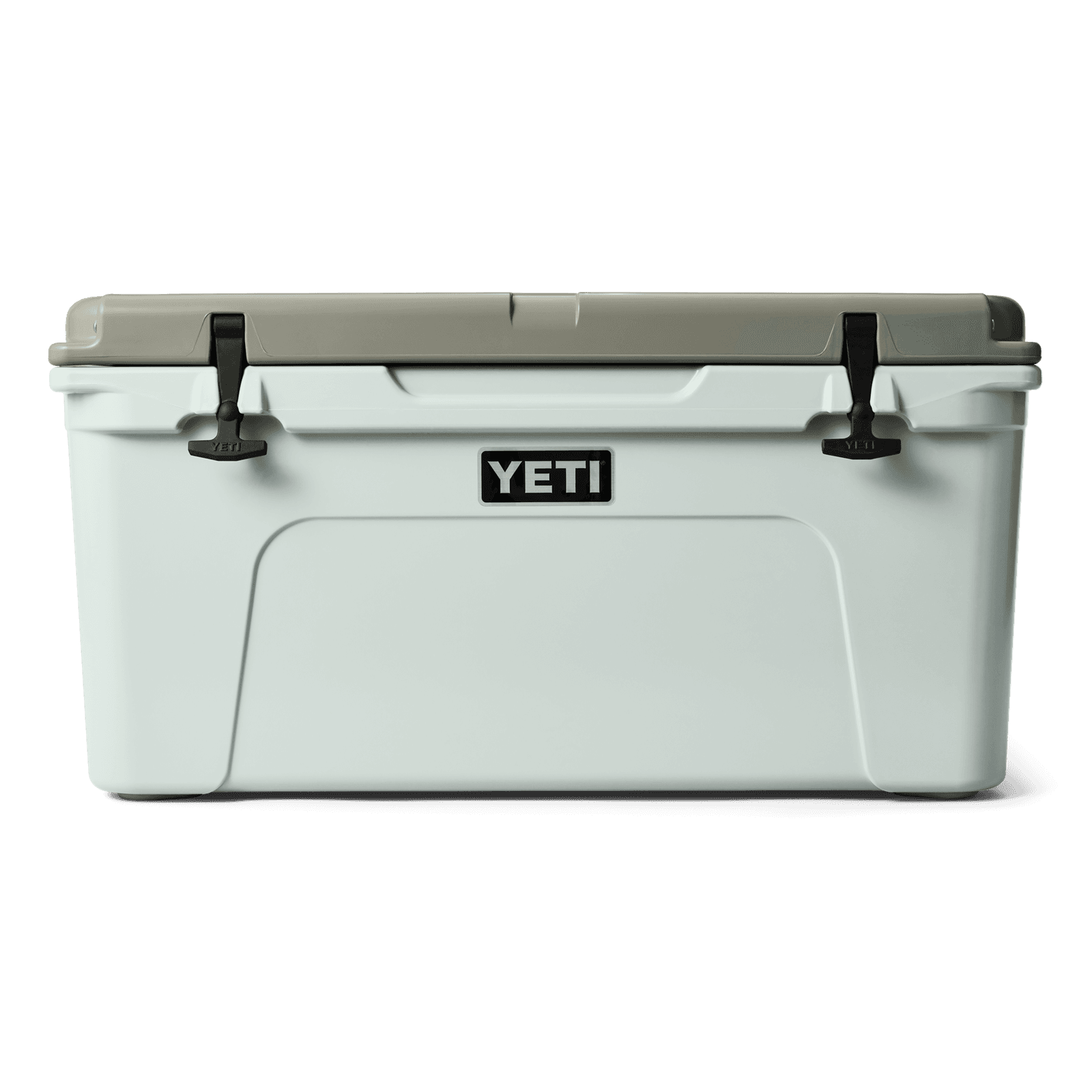
Yeti Tundra 65.
Yeti Tundra 65 rotomolded hard-side cooler — Outside Magazine's summer 2026 pick with ~80% ice retention on multi-day river trips in 80°F heat.
The Verdict.
Gavler Meta-Score
“The default premium pick. ~80% ice retention on multi-day trips in 80°F heat, bear-resistance certification, and Yeti build refinement that justifies the price. The cooler that outlasts everything else you own.”
The Gavler Verdict
The Gavler Review.
Yeti Tundra 65 Review: The Cooler Every Other Cooler Is Measured Against
The Yeti Tundra 65 sits at number one on our Best Coolers list with a 9.5, and it holds that spot as the outright category benchmark — the cooler every other premium hard-side model gets measured against, not just by Gavler but across nearly every major outdoor publication. Buy it if you want the cooler that outlasts everything else you own and don't mind paying for the reputation that comes with it. If you'd rather save money and three pounds without giving up meaningful performance, the Canyon Outfitter 55 V2 at number two is the honest alternative built by a company with a lifetime-warranty guarantee to back it. For buyers who want the established, resale-value-retaining default, the Tundra 65 is it.
What it actually is
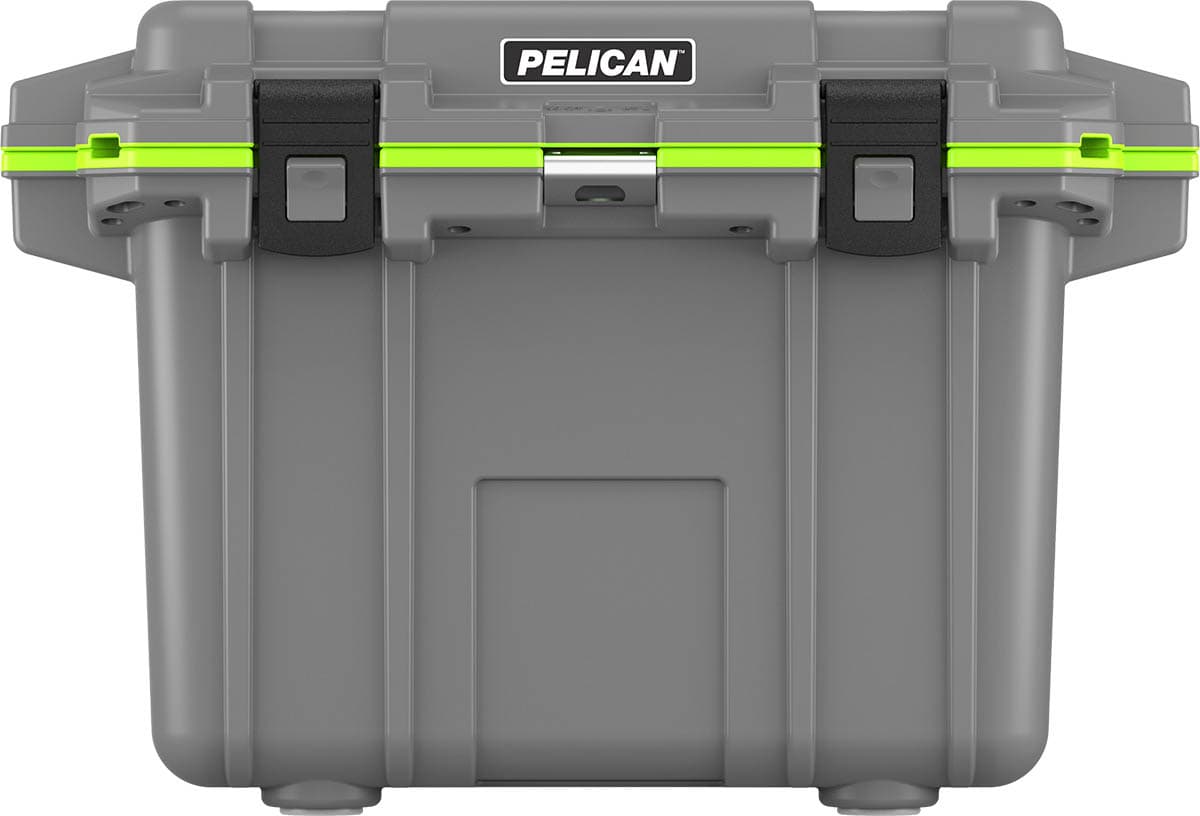
The Tundra 65 is Yeti's flagship rotomolded hard-side cooler, built from a single-piece rotomolded polyethylene shell with 2-inch pressure-injected polyurethane insulation on all six sides — walls, lid, and base — rather than concentrating insulation only where it's cheapest to add it. Full-perimeter freezer-grade gaskets seal the lid, and T-Rex latches are rated to survive abuse that would snap a lesser cooler's hardware. It carries IGBC bear-resistance certification when paired with two padlocks at the corner attachment points, which matters for anyone camping in bear country, not just a marketing checkbox.
At 29-30 lbs empty and priced around $395, the Tundra sits squarely in premium territory. That price and weight are the honest cost of the spec sheet: Yeti's build refinement — tighter hinge tolerances, denser rubber feet, a more thoroughly engineered drain plug — is what separates it from cheaper rotomolded coolers with similar core specs on paper.
In use
The clearest evidence for the Tundra's real-world performance comes from Outside Magazine's summer 2026 testing, conducted on multi-day river trips in 80°F heat — about as demanding a scenario as a hard cooler faces. The Tundra held approximately 80% of its ice intact across that test, a result strong enough that Outside named it their summer 2026 pick outright. That's not a lab number; it's ice retention under real sun, real heat, and real repeated lid-opening over multiple days.
The breadth of recognition is what really separates the Tundra from a single good review. GearJunkie, OutdoorGearLab, Reviewed, and Field & Stream all include the Tundra at the top of at least one tier in their 2026 roundups — a level of convergence across independent, competing publications that's rare in any gear category. OutdoorGearLab's summary captures why: "Yeti once again proves themselves worthy of their reputation with the Tundra 65, which has some of the best features in the cooler industry and is intensely durable."
That durability claim isn't abstract — it's the T-Rex latches surviving being driven over, the rotomolded shell resisting UV and impact damage over years of truck-bed abuse, and the gasket sealing tight trip after trip without degrading. The category-benchmark status the Tundra holds isn't from one standout feature; it's the sum of every individual component being built to a tighter tolerance than the competition.
Where it shines
- Genuinely excellent ice retention under real conditions. The ~80% retention on 80°F multi-day river trips is a demanding, real-world test result, not a lab-only figure — and it's the reason Outside named it their summer pick.
- Build quality that shows up in the details. Tighter hinge tolerances, denser rubber feet, and a more refined drain plug are the small engineering choices that separate the Tundra from cheaper rotomolded coolers with similar specs on paper.
- Near-universal expert recognition. GearJunkie, OutdoorGearLab, Reviewed, and Field & Stream all rank it at the top of at least one 2026 tier — rare convergence across competing publications.
The trade-offs — who should skip it
This is the category benchmark, not the lightest or cheapest option, and the honest reasons to buy something else are specific:
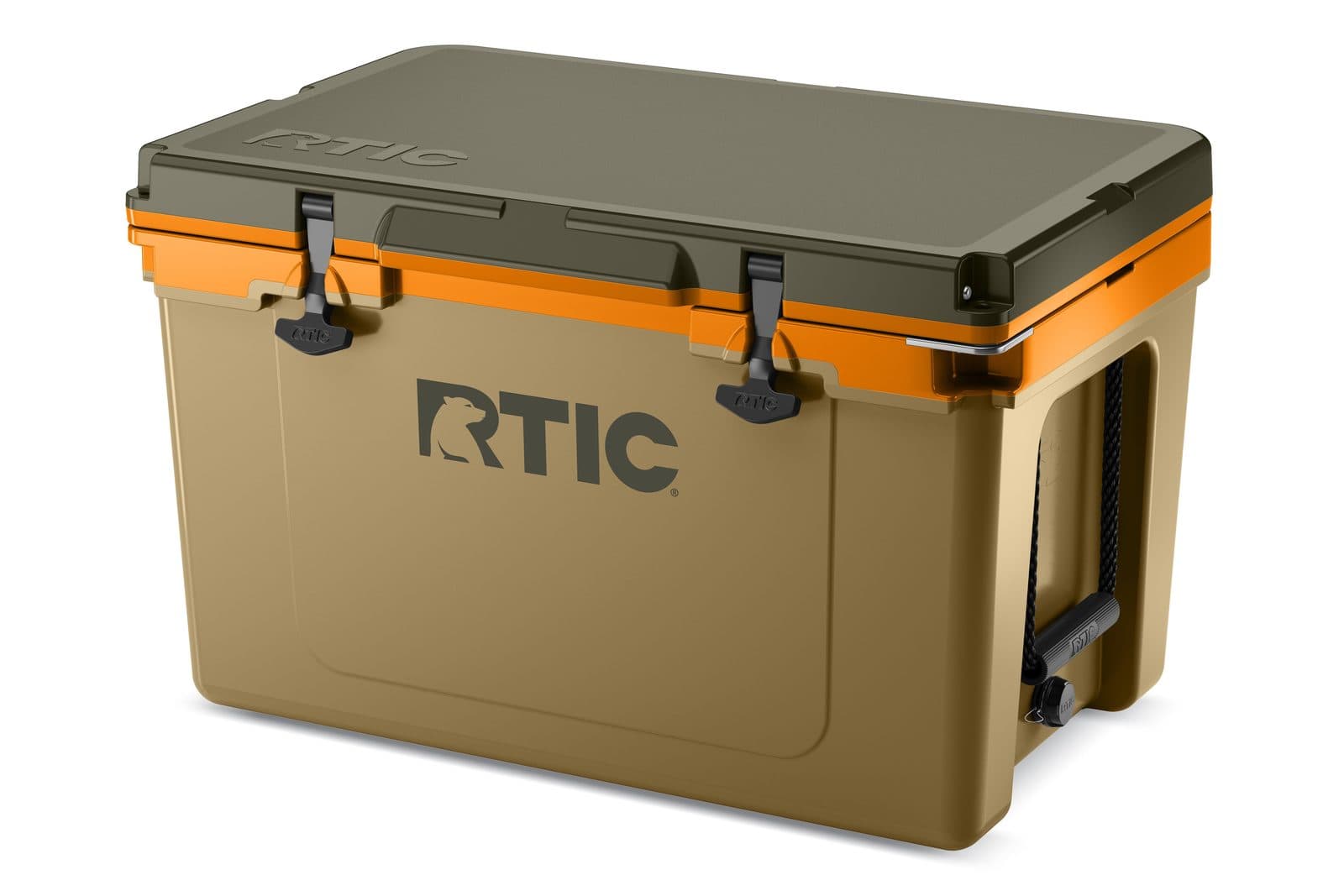
- It's heavier than close competitors. At 29-30 lbs empty, it's meaningfully heavier than the Canyon Outfitter 55 V2 (26 lb) or the RTIC Ultra-Light 52 (21 lb) — a difference that compounds once you've loaded it with ice and food for a trip.
- Insulation trails the longest-lasting models for week-plus trips. Several reviewers specifically note that while the Tundra excels for multi-day trips, dedicated week-plus expedition coolers hold an edge for truly extended ice retention.
- You're not paying for brand premium. At $395, a meaningful chunk of the price is the Yeti name and its resale value — real, but not necessary if you just want equivalent cold-holding performance for less.
How it compares
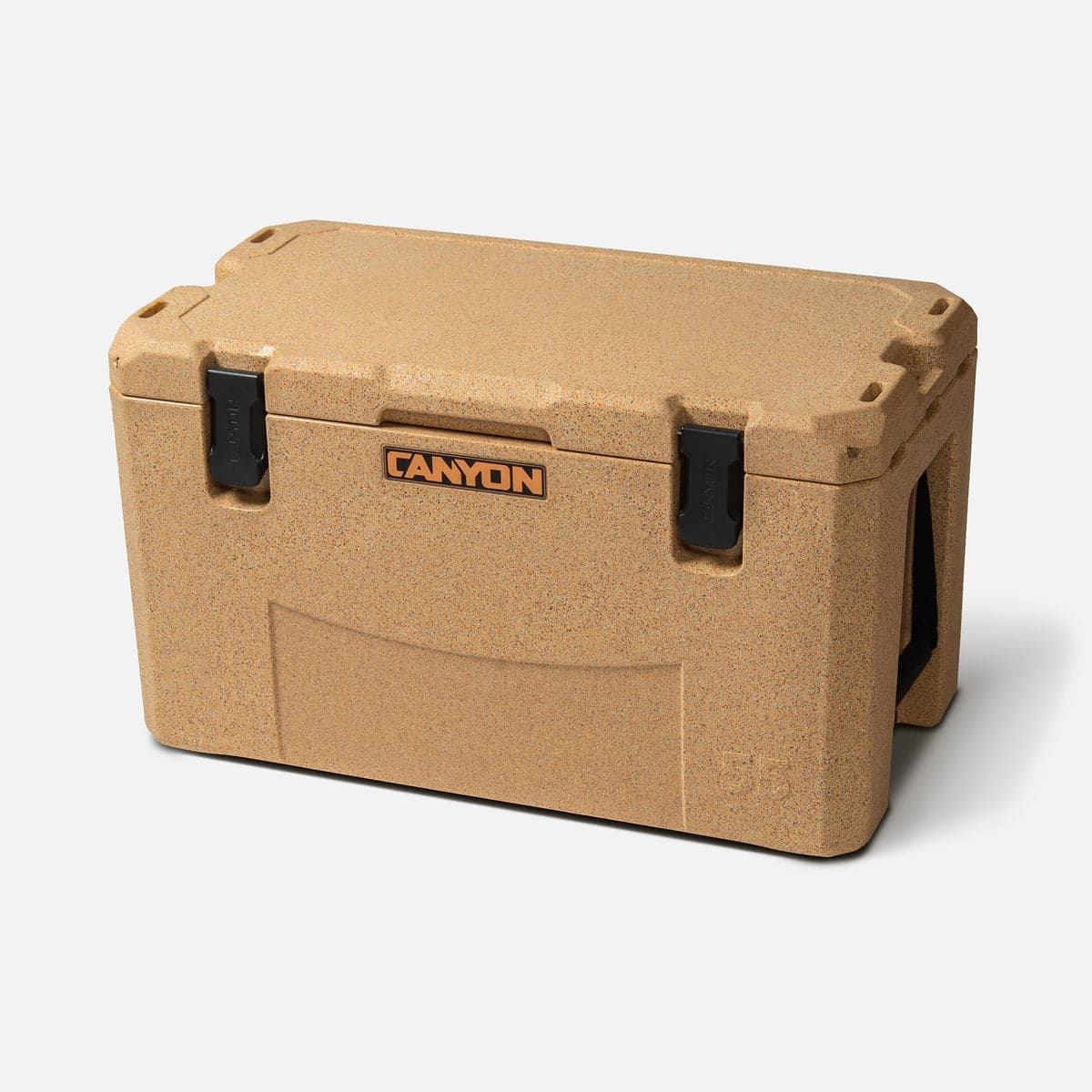
The direct rival on the list sits one spot below: the Canyon Outfitter 55 V2 at rank two, which OutdoorGearLab named its 2026 #1 overall cooler and the New York Times picked as the 2025 "Best Hard Cooler for Long Tough Camping Trips." It matches the Tundra closely on ice retention math — pressure-injected polyurethane insulation, full-perimeter gaskets, bear-resistance certification — while weighing 3 lbs less, carrying a lifetime warranty with free replacement parts, and being made in Arizona by a smaller US manufacturer. The trade-off is resale value: used Yetis hold 60-70% of MSRP, while Canyon Coolers don't have the same secondary-market lift, despite comparable build quality.
The Gavler verdict
A 9.5, and the score reflects a cooler that earns its category-benchmark reputation through consistency rather than any single dramatic feature — every major outdoor publication that tested coolers in 2026 independently arrived at the same conclusion. The Tundra 65's ~80% ice retention on real multi-day trips, bear-resistance certification, and Yeti's build refinement justify the premium for buyers who want the established default and the resale value that comes with the brand. For buyers who'd rather prioritize weight and warranty support over brand recognition, the Canyon Outfitter 55 V2 delivers nearly the same performance for meaningfully less.
Common Questions
For buyers who want one cooler built to outlast everything else they own, yes. It ranks first on Gavler's Best Coolers list with a 9.5, and Outside Magazine named it their summer 2026 pick after it held roughly 80% of its ice on multi-day river trips in 80°F heat. If cost matters more than brand reputation and resale value, the Canyon Outfitter 55 V2 delivers nearly identical performance for less and 3 fewer pounds.
In Outside Magazine's summer 2026 testing on multi-day river trips in 80°F heat, the Tundra held approximately 80% of its ice intact. Yeti's own spec sheet claims roughly 5 days at food-safe temperatures under typical use. Both figures put it solidly at the top of the hard-cooler category, though several reviewers note that insulation trails the very longest-lasting models on the market for week-plus trips.
At 29-30 lbs empty, it's heavier than close competitors like the Canyon Outfitter 55 V2 (26 lb) or the RTIC Ultra-Light 52 (21 lb) — a gap that matters more than it seems once you've loaded 30-plus pounds of ice and food on top. If you're regularly carrying the cooler any real distance rather than loading it once into a truck bed, that weight difference is worth factoring in before you buy.
Performance-wise, they're very close — both use pressure-injected polyurethane insulation, full-perimeter gaskets, and carry bear-resistance certification. The Canyon Outfitter is 3 lbs lighter, comes with a lifetime warranty and free replacement parts, and is Arizona-made by a smaller US manufacturer. The Yeti costs more but holds significantly better resale value — used Yetis retain 60-70% of MSRP, while Canyon Coolers don't have the same secondary-market lift. Buy Yeti if you value the brand and resale value; buy Canyon if you value the tool over the badge.
Where to Buy.
Prices checked regularly
90-day price history
Price History
Steady at $395 for the entire 90-day tracking window — no increases, no discounts, across 91 tracked days.
Tracked daily across retailers. Vote Want itabove and we’ll alert you the moment the price drops.
Some links are affiliate links — Gavler may earn a commission. This never affects rankings or scores. Learn more.
Precision Engineering
Rotomolded Shell
A one-piece rotomolded polyethylene body resists impacts, UV exposure, and abuse to handle years of hard outdoor use.
PermaFrost Insulation
Pressure-injected polyurethane foam fills the walls and lid, holding food and drinks at safe temperatures for several days.
T-Rex Latches
Heavy-duty rubber T-Rex latches and the rubber lid gasket seal the cooler to prevent air and meltwater leakage.
Technical Specifications
The Scoreboard
Reviewers praise its near-bombproof build, sealing, and premium latches, though several note insulation trails the longest-lasting models, making it less ideal for week-plus trips.
Cast Your Vote
Do you think Yeti Tundra 65 deserves the #1 spot in Best Coolers?
Global Critique
“Yeti once again proves themselves worthy of their reputation with the Tundra 65, which has some of the best features in the cooler industry and is intensely durable.”
More from Best Coolers.
See how other top picks compare in this category.
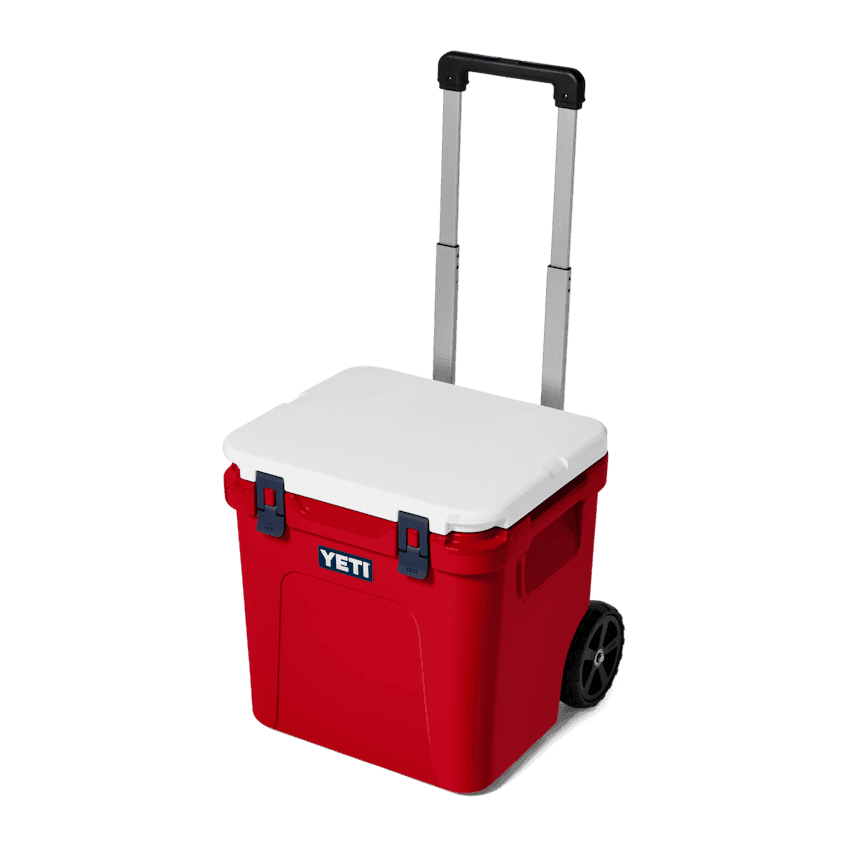
Buy the Cooler for the Ice Days You Need
Ice-day hangtags are the wrong first question. Premium rotomold vs value injection-mold vs wheeled or personal-size is construction. Shop Gavler's live ranking.
The Best Coolers for Father's Day, Prime Day, and the Fourth of July 2026
Father's Day is June 21, Prime Day opens June 23, and the Fourth is two weeks later. The hard-side coolers worth buying for all three windows.