The Verdict
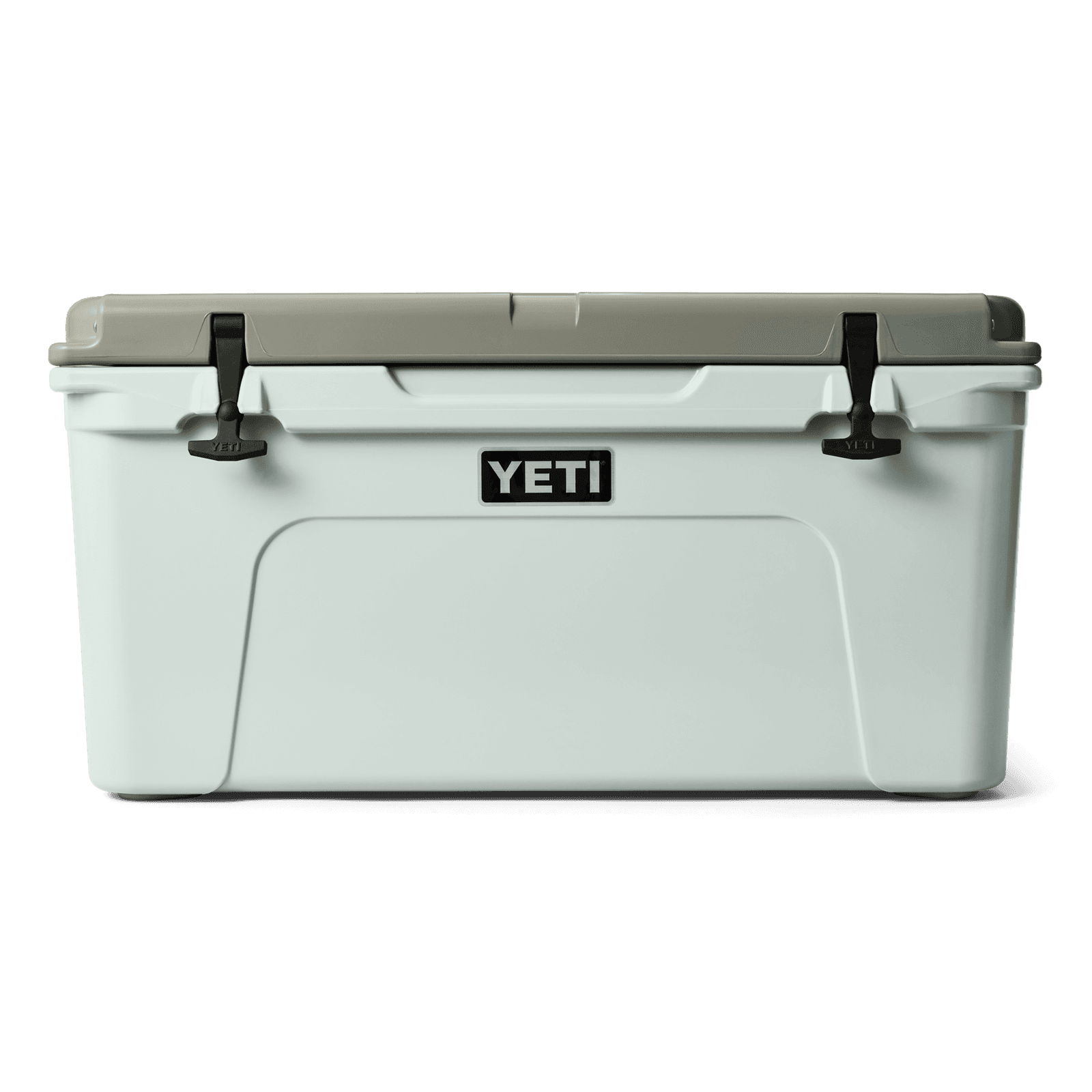
“The category benchmark — Outside Magazine's pick for summer 2026 with ~80% ice retention on multi-day river trips even in 80°F heat; the cooler every other premium cooler is measured against.”
17% STABLE
Hard-side coolers ranked — Yeti, Canyon, RTIC, Pelican, Orca, Engel premium picks plus wheeled, personal-size, and value tiers.
“The category benchmark — Outside Magazine's pick for summer 2026 with ~80% ice retention on multi-day river trips even in 80°F heat; the cooler every other premium cooler is measured against.”
17% STABLE
“OutdoorGearLab's 2026 #1 overall + NYT 2025 "Best Hard Cooler for Long Tough Camping Trips" — held sub-40°F for 5+ days at just 26 lb, Arizona-made with lifetime warranty.”
15% STABLE
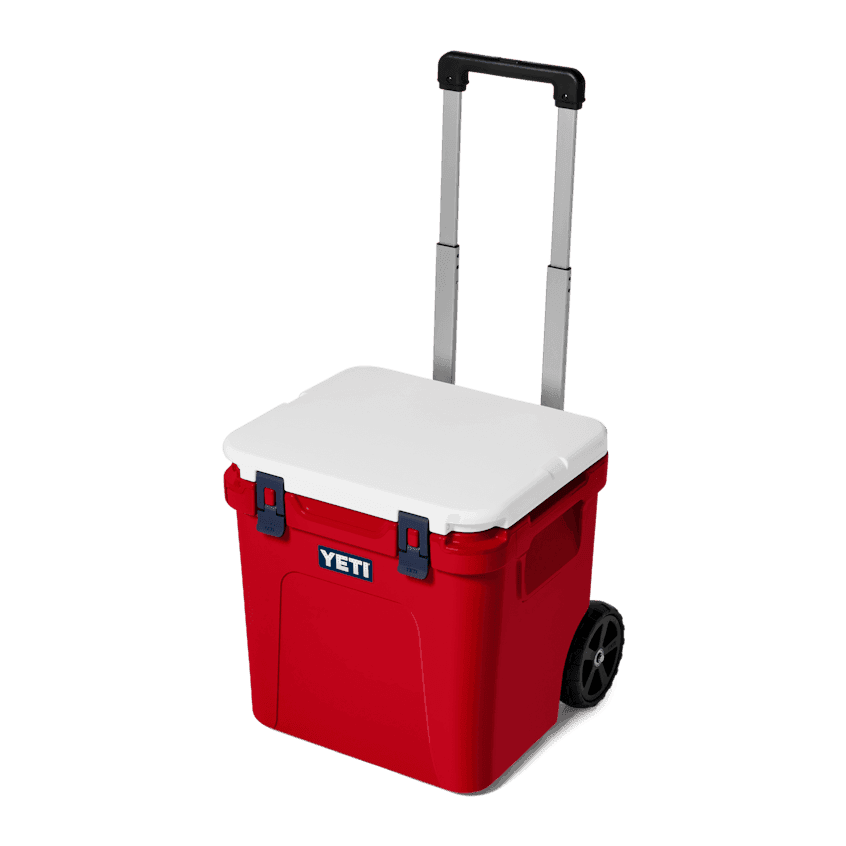
“OutdoorGearLab's #1 wheeled cooler — sub-40°F for 6.7 days and sub-50°F for 7.5 days; the right answer for tailgates, beach days, and anywhere the cooler needs to roll instead of being carried.”
13% STABLE
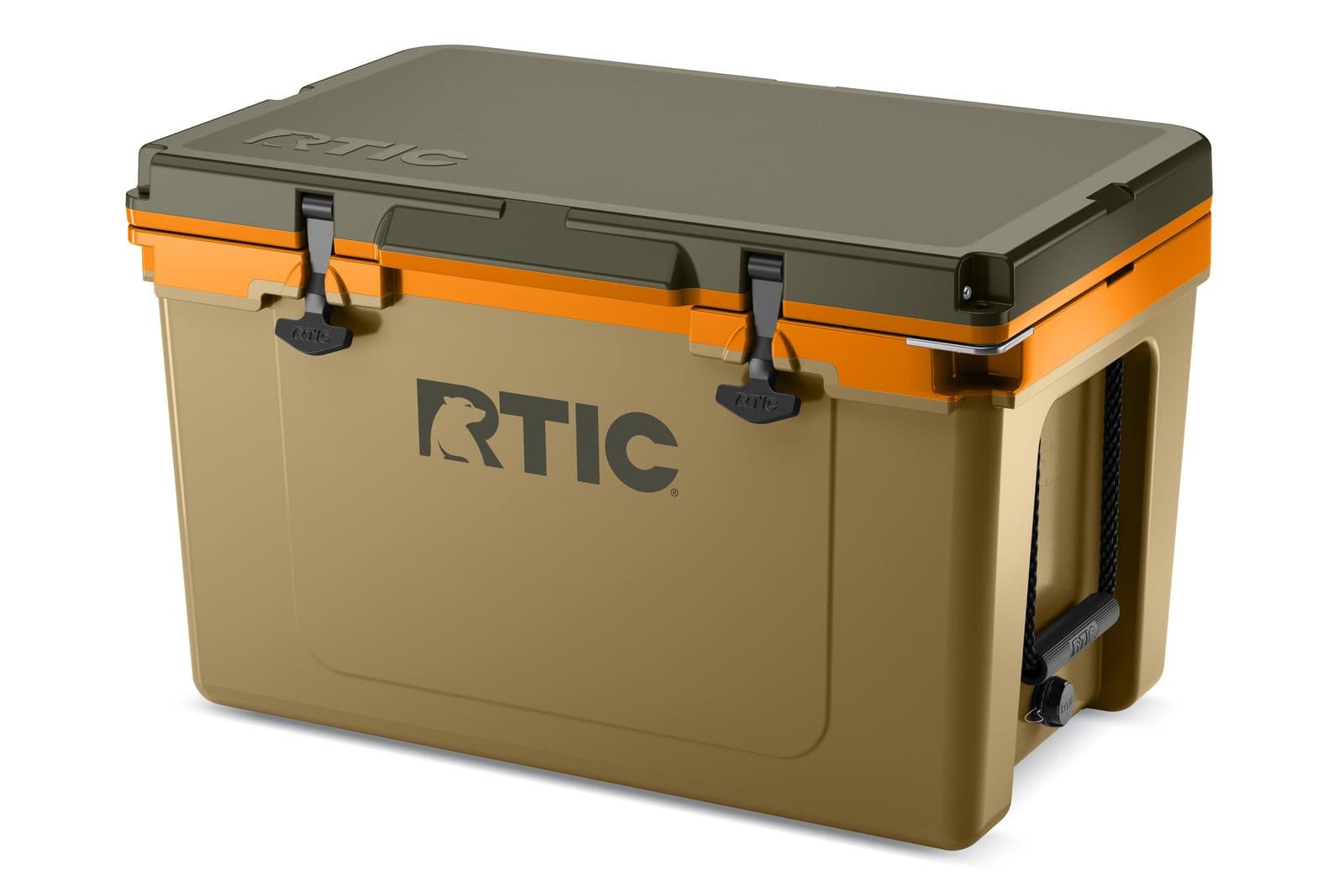
“The best-value Yeti alternative — ~30% lighter than comparable rotomolded coolers at 21 lb, sub-40°F for 8 days in GearJunkie's testing, and roughly half the price of a Tundra 65.”
12% STABLE
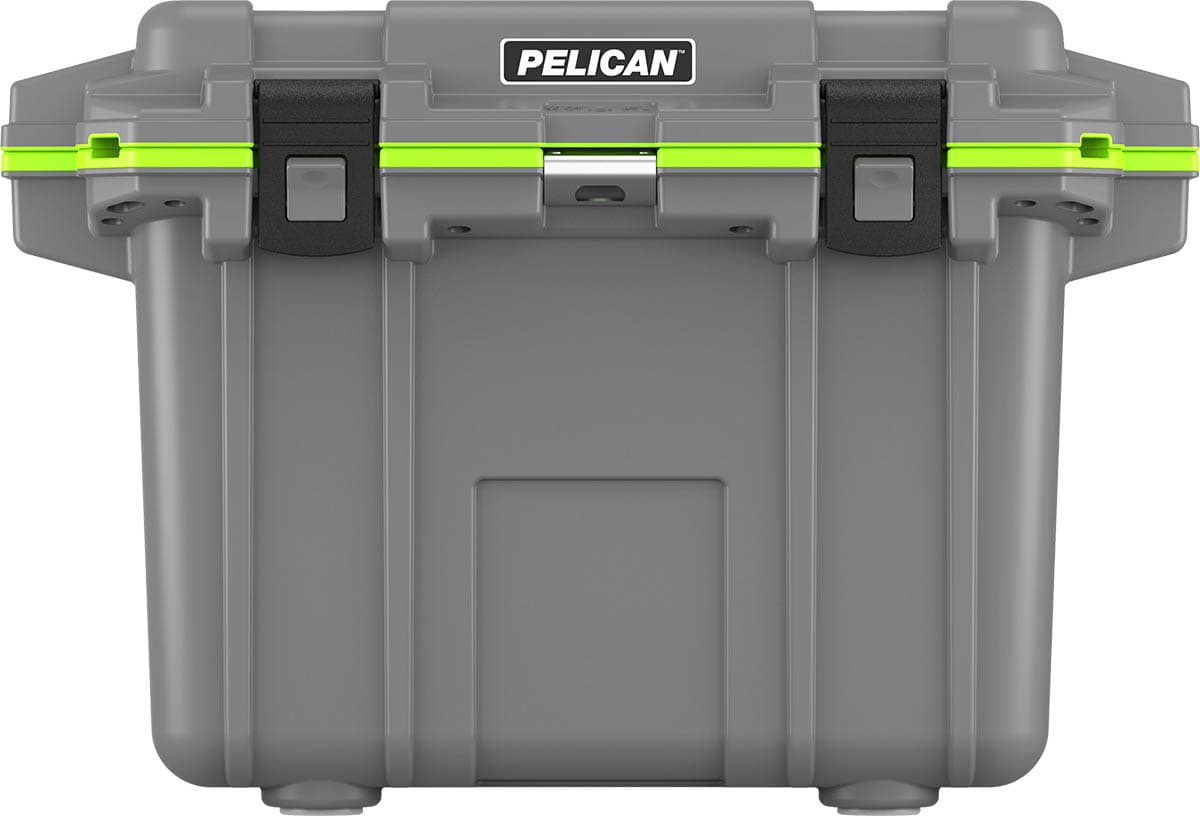
“The buy-it-for-life pick — Pelican's lifetime warranty, 360° freezer-grade gaskets, 2-inch polyurethane insulation, and 10+ day ice retention beat both Engel and Yeti in AmazingRibs' head-to-head.”
11% STABLE
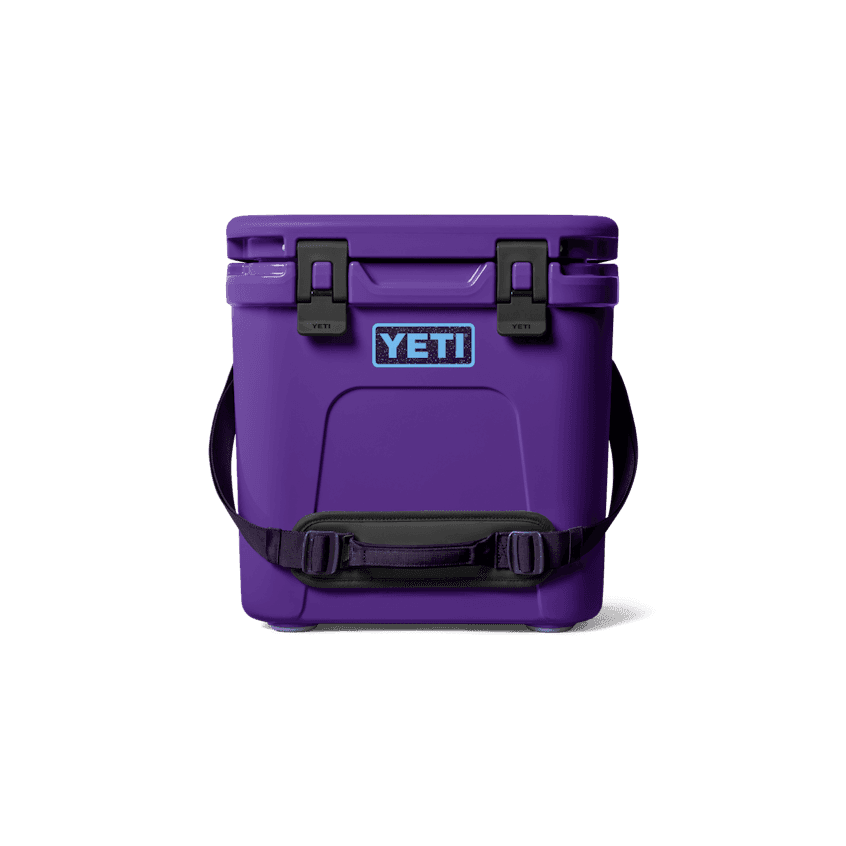
“Yeti's compact pick — the right size for day trips, solo weekends, and the back seat of a sedan; same Yeti build quality and ice retention as the larger Tundra line in a 22-quart form factor one person can carry full.”
9% STABLE
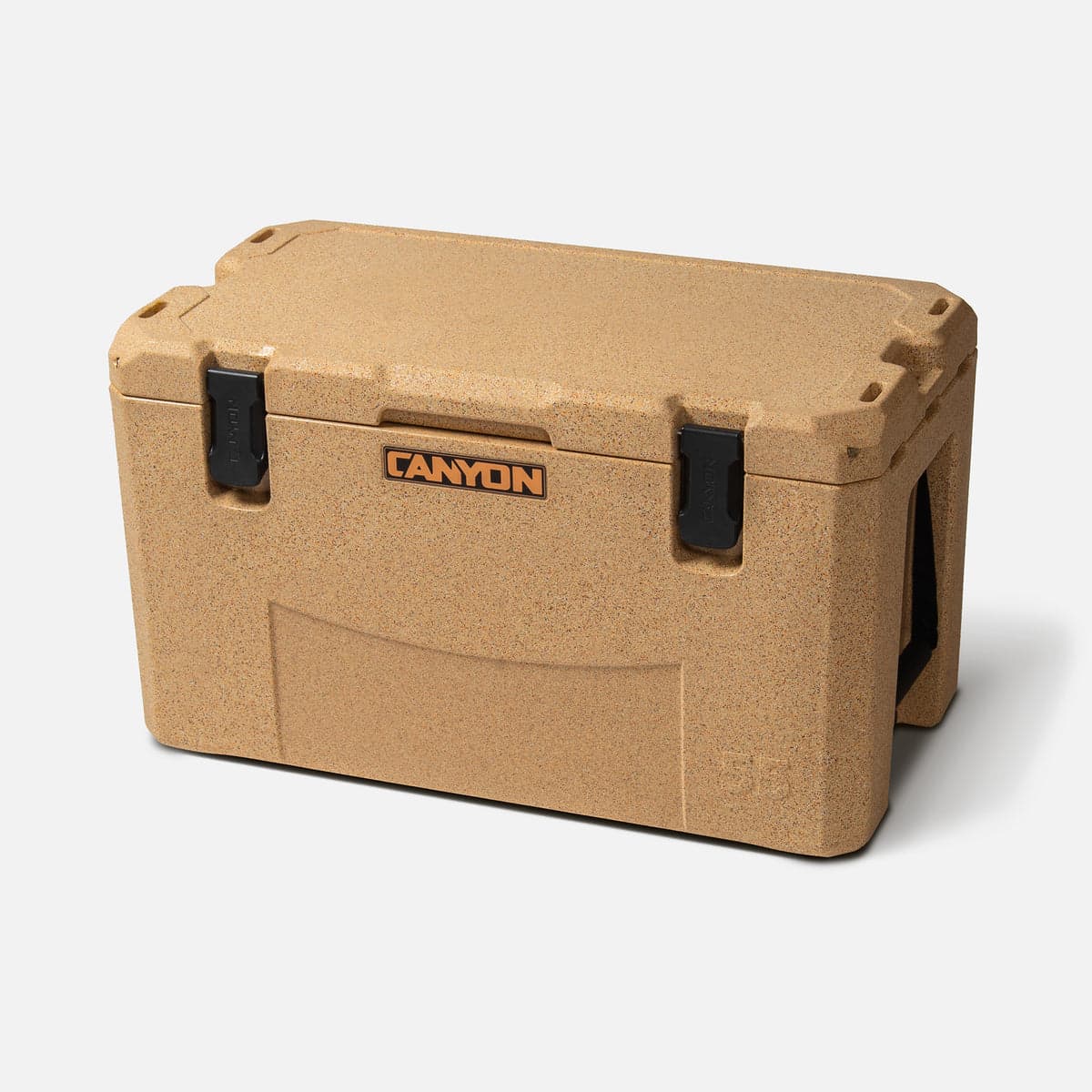
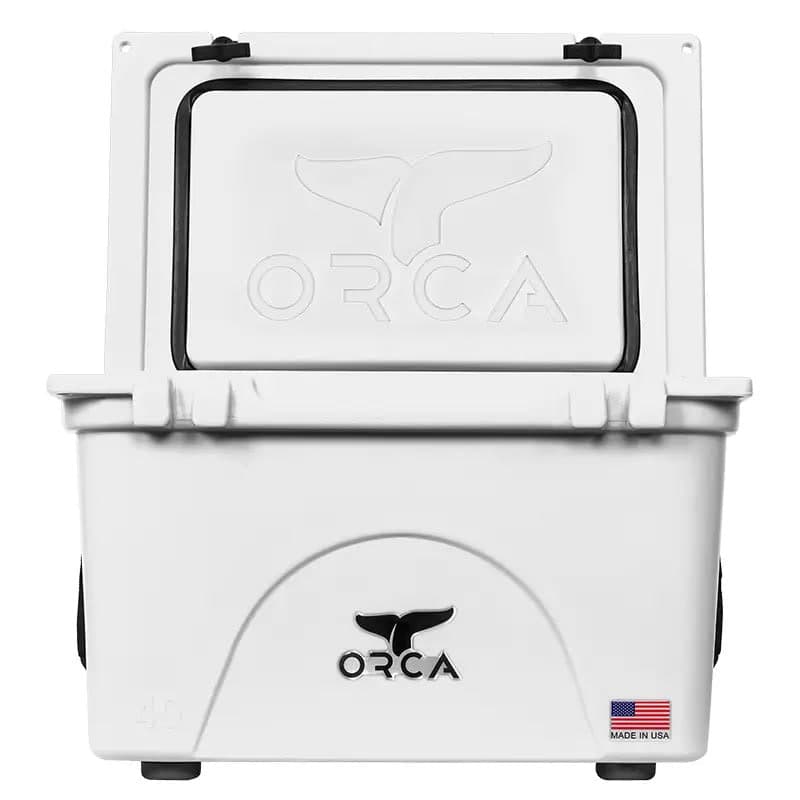
“The made-in-USA premium alternative — manufactured in Nashville with a lifetime warranty, and "performed among the best in multiple ice retention tests" per Pelican's own head-to-head testing.”
8% STABLE
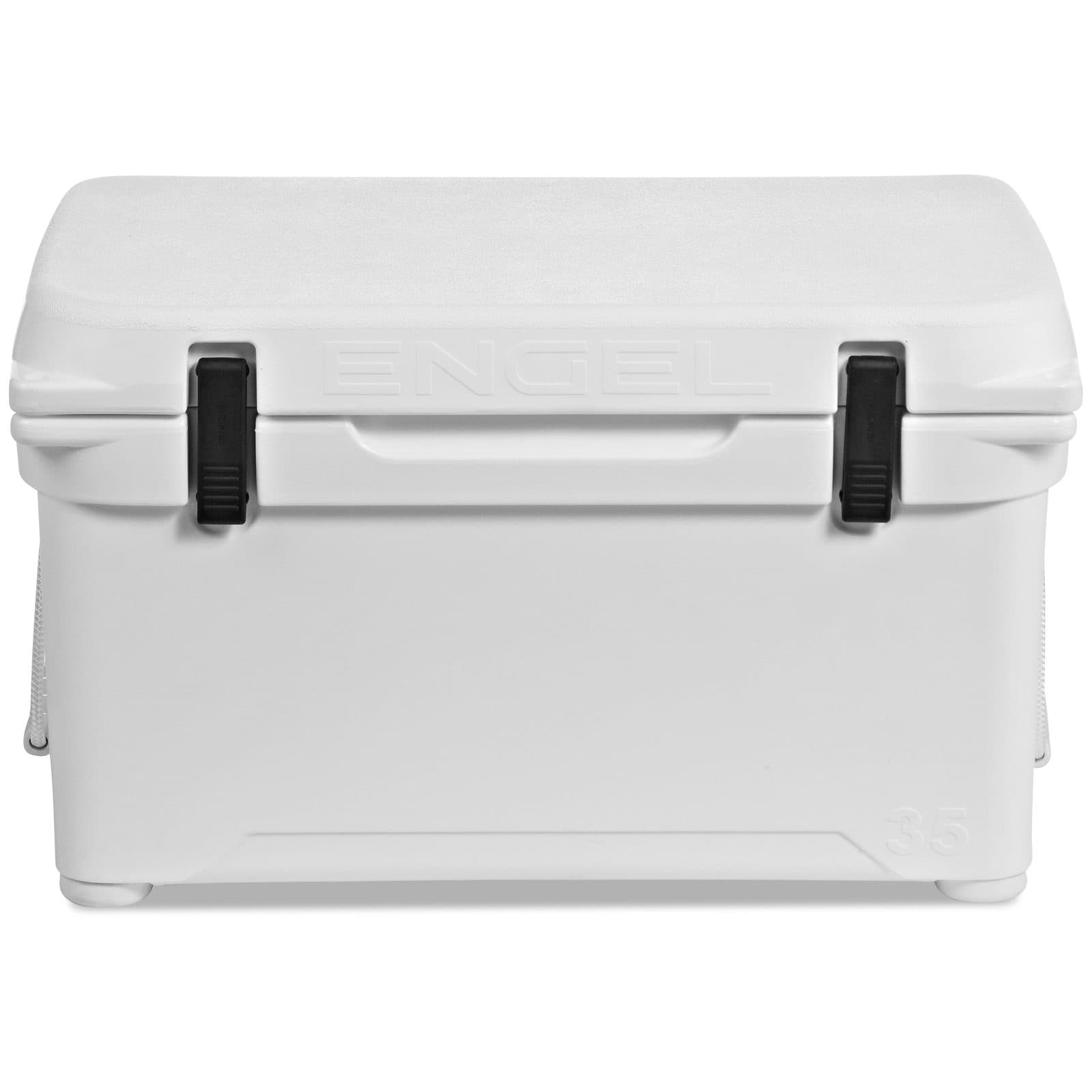
“The cult-durability pick — 30+ year brand reputation, military-grade rotomolded construction, 2 inches of closed-cell foam, and up to 10-day ice retention.”
6% STABLE
“The budget-rugged pick — rubberized T-latches, stainless hardware, reinforced corners, and 4-5 day ice retention at roughly one-third the price of premium rotomolded competitors.”
5% STABLE
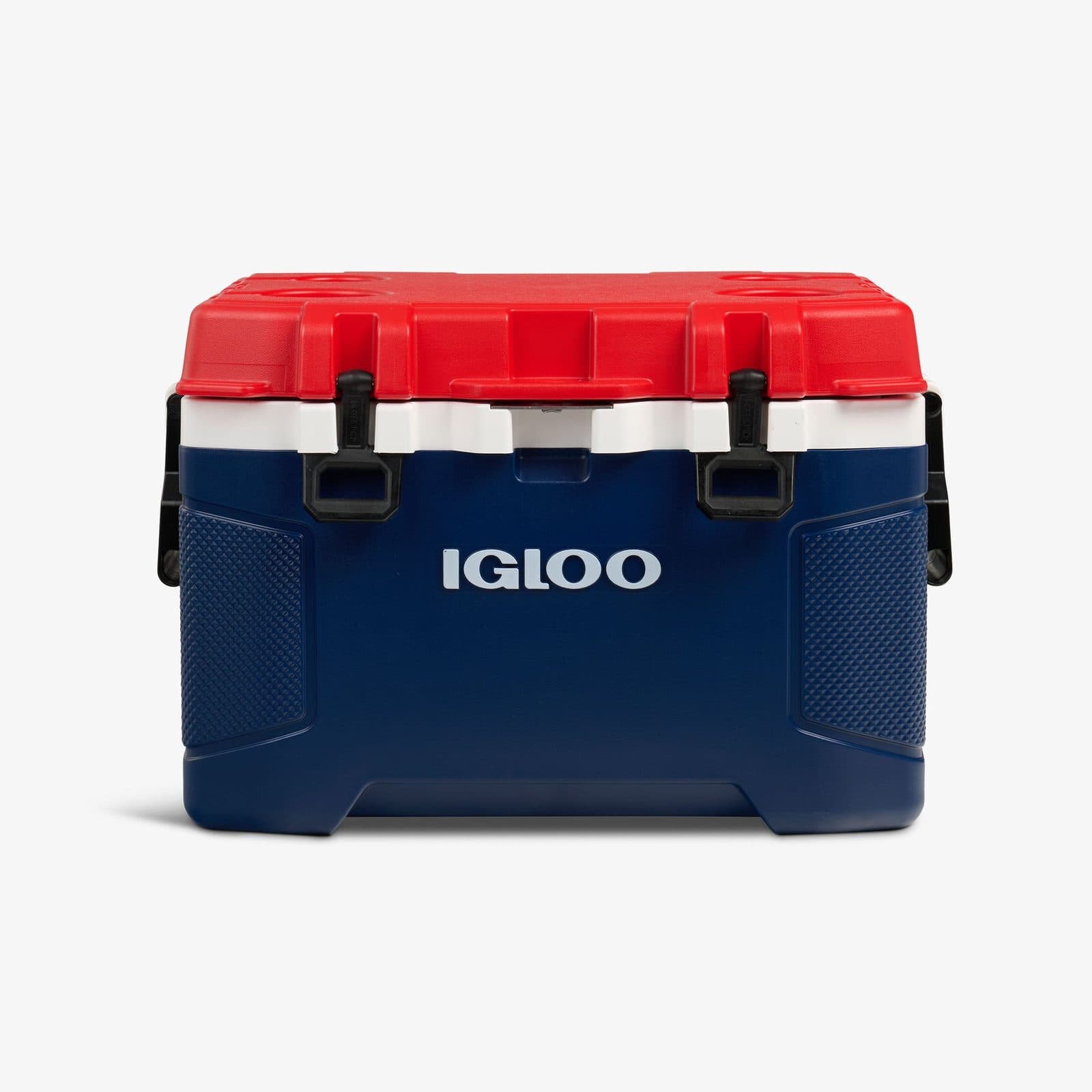
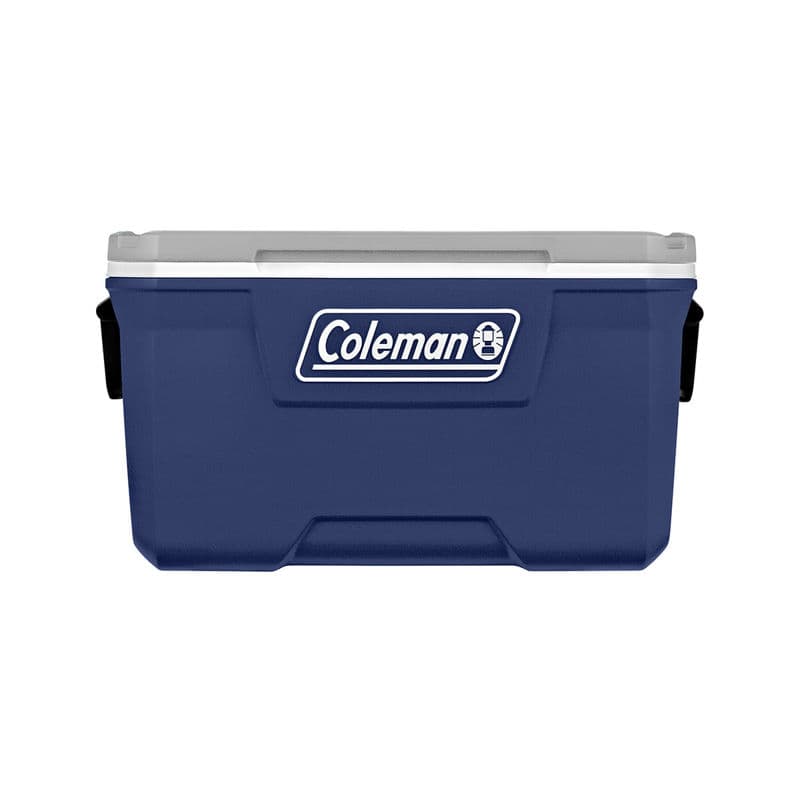
“The budget benchmark — under $100 for 70 quarts and 4-5 day claimed ice retention, stocked at every Walmart and Target in America; the right entry-level pick.”
4% STABLE
Real-world ice retention depends on ambient temperature, pre-chilling, ice-to-content ratio, and how often the lid opens — but for a premium rotomolded cooler (Yeti Tundra, Canyon Outfitter, Pelican Elite, Orca, RTIC Ultra-Light) packed with a 2:1 ice-to-content ratio and kept in the shade, expect 5-7 days of usable cold in 80°F weather and 8-10+ days in cooler climates. Manufacturer "10-day ice retention" claims typically reflect ideal-condition lab tests (pre-chilled cooler, no openings, controlled temperature) and run roughly 30-40% optimistic vs. real backcountry use. Pre-chilling the cooler overnight with a sacrificial bag of ice before loading triples real-world performance.
Yes, significantly. Rotomolded coolers (Yeti, Canyon, RTIC, Pelican, Orca, Engel) are made by rotating molten plastic inside a mold until it forms a thick, seamless single-piece shell — the result is dense, uniform insulation, no weak seams, and lifespans measured in decades. Injection-molded coolers (Coleman Xtreme, Igloo BMX) are made by injecting plastic into two-part molds, producing thinner walls, visible seams, and shorter lifespans (typically 3-7 years of regular use). Rotomolding is what justifies the $300+ premium-tier pricing; for a budget pick or seasonal use, injection-molded coolers like the Coleman Xtreme are genuinely fine.
For most buyers, RTIC delivers 85-90% of Yeti's performance at roughly half the price — the RTIC Ultra-Light 52 holds ice for 8 days in GearJunkie's testing, weighs less, and costs $260 vs the comparable Yeti Tundra's $395. Yeti's edge is build refinement (tighter tolerances, better latches and hinges, more durable rubber feet), brand resale value (used Yetis hold 60-70% of MSRP; used RTICs hold ~40%), and customer service responsiveness. If the cooler will live in a truck bed, get sat on, dropped, and abused for a decade, Yeti's the right call. If it'll spend most of its life in a garage and get used 10-20 times a season, RTIC's the smarter buy.
Rough sizing guide: for a solo day trip with lunch and drinks, 20-24 quarts is plenty (Yeti Roadie 24, RTIC 20). For a weekend of two-person camping with full meal prep, 35-50 quarts is the sweet spot (Engel DeepBlue 35, Pelican Elite 50, Canyon Outfitter 55 V2). For a week-long expedition or family camping with multiple coolers' worth of meals, 65-80 quarts is appropriate (Yeti Tundra 65, Coleman Xtreme 70). The most common mistake is over-sizing — a half-empty 65-quart cooler loses cold faster than a properly-packed 35-quart cooler because the air gaps melt ice. Better to run two smaller coolers (one for drinks, one for food) than one over-sized one.
Hard-side coolers (everything on this list) win on ice retention (5-10+ days vs 1-3 days for soft-side), durability (decades vs years), and serving as a seat or impromptu table at camp. Soft-side coolers (Yeti Hopper, RTIC Soft Pack, Pelican Dayventure) win on portability (foldable when empty, shoulder-strap carry, fits in a backpack), weight (3-5 lb vs 20-30 lb), and price (typically $100-$300 vs $200-$500). The right call: hard-side for car-camping, beach days, tailgates, multi-day trips; soft-side for picnics, day hikes, boat trips, and anywhere weight or pack-down volume matters more than multi-day cold.
Yes, if you camp in active grizzly or black bear country (Yellowstone, Grand Teton, Glacier, Banff, etc.) — most parks legally require IGBC-certified (Interagency Grizzly Bear Committee) bear-resistant coolers, and rangers can issue fines for non-compliant food storage. Yeti Tundra (with the optional Bear Bag locks), Pelican Elite, Canyon Outfitter, Orca, and Engel DeepBlue are all IGBC-certified when used with padlocks through the corner attachment points (the cooler ships unlocked; certification is conditional on the padlocks). Coleman Xtreme and Igloo BMX are NOT bear-certified and can't legally substitute in backcountry-bear zones. For non-bear-country use (most of the US), the certification doesn't change cooler performance — it's a regulatory feature, not a quality differentiator.
Think a product deserves a spot on this list? Submit a formal proposal with documented specs and the community will review it.