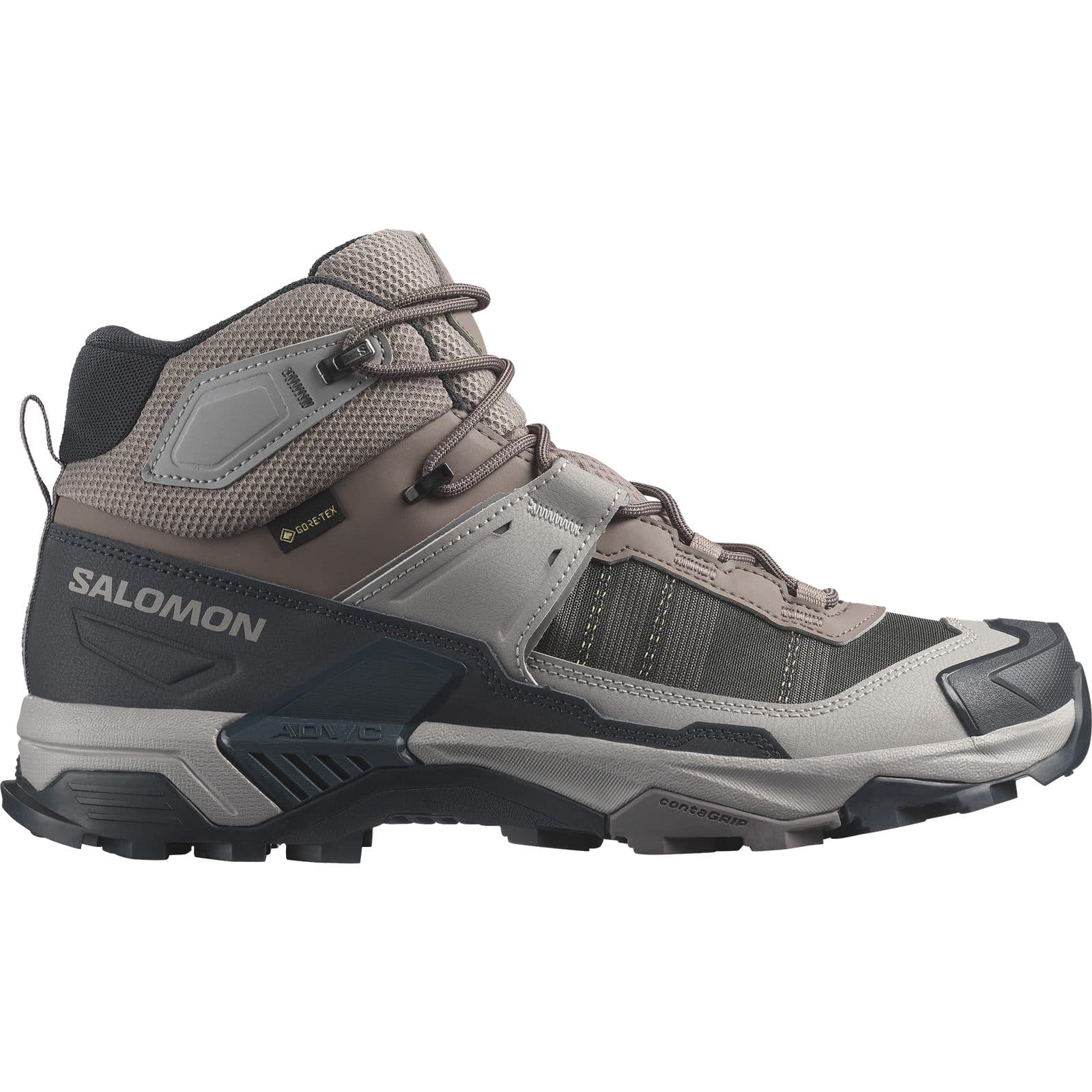
Salomon Quest 5 GTX.
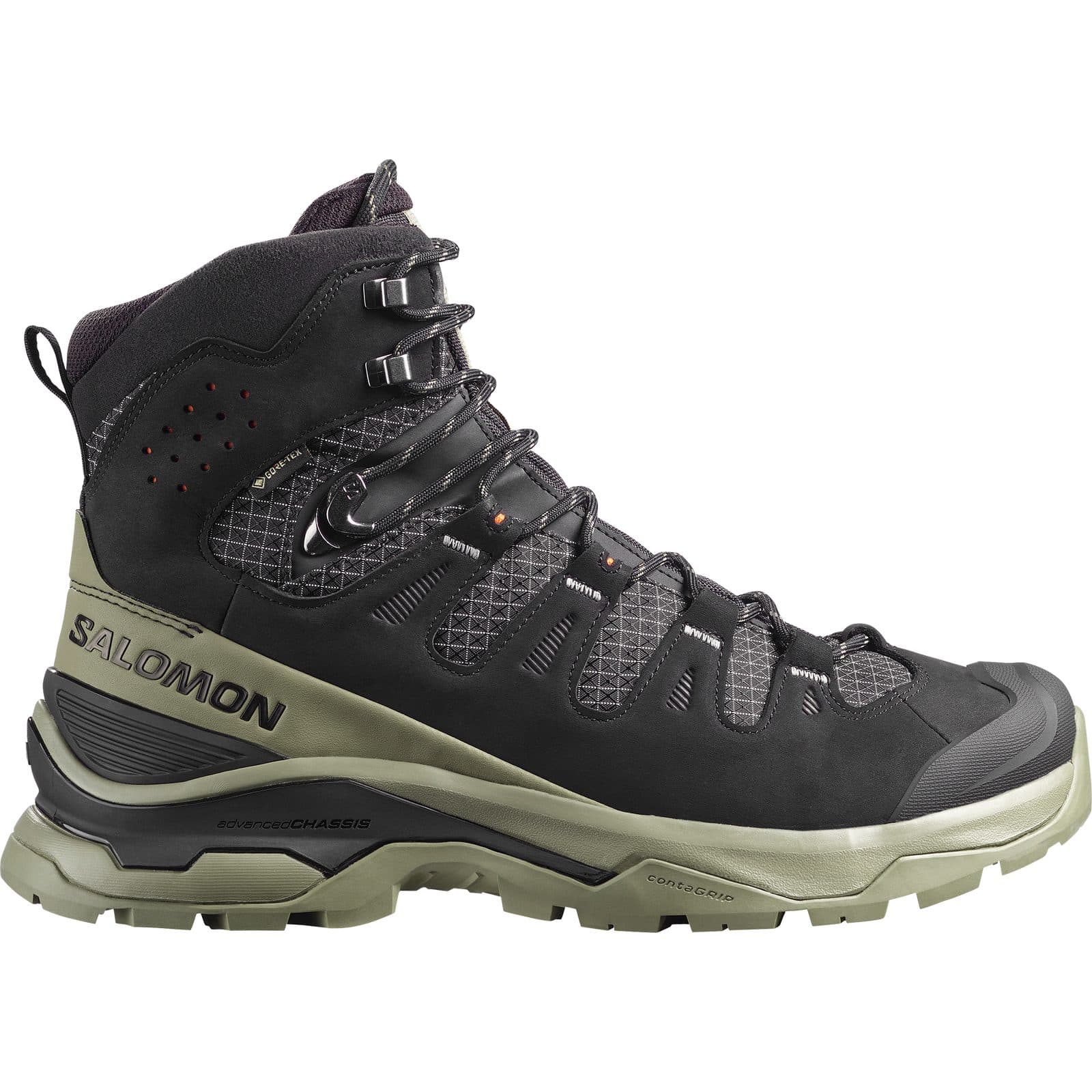
Salomon Quest 5 GORE-TEX — 4D Advanced Chassis, nubuck/ripstop, Contagrip, OrthoLite, ~1 lb 5 oz per boot. Multi-day / backpacking mid. Amazon /dp/B0FP9MTRW4.
The Verdict.
Gavler Meta-Score
“The backpacking default. Real ankle support under load, real Gore-Tex, real weight. Skip it for mellow day hikes — that is the X Ultra 5 or Moab 3.”
The Gavler Verdict
The Gavler Review.
Salomon Quest 5 GTX Review: Built for a Loaded Pack, Not a Casual Trail
The Salomon Quest 5 GTX sits at number one on our Best Hiking Boots list with a 9.4, and it earns that spot on one real mechanical advantage over almost everything else here: ankle support that holds up on technical terrain under a loaded pack. OutdoorGearLab's hands-on testers didn't hedge — they called the support "freakishly good" — and that single data point is most of the case for this boot. Buy it if you're carrying 30 to 40 pounds over rough, uneven ground for multiple days. Skip it if your typical outing is a flat afternoon loop, because the tall, stiff chassis that makes the Quest 5 excellent under load is genuinely overkill once the pack comes off — the same testers who praised its stability said exactly that.
What it actually is
The Quest 5 GTX is Salomon's current backpacking boot, built around what the company calls the 4D Advanced Chassis — an internal support structure that locks the ankle and midfoot in place when the terrain gets loose or sidehill-y. It's a mid/high-cut boot, about 1 lb 5 oz per boot on Salomon's own spec sheet, with a nubuck-leather-and-ripstop upper, a seam-sealed Gore-Tex liner, and Contagrip rubber on the outsole. At $240, it's priced as a serious piece of gear, not an entry-level hiker, and the spec sheet backs that up: 12 mm of heel-to-toe drop, a regular-width-only last, and an EnergyCell EVA midsole built to carry weight rather than cushion a fast pace.
This is worth saying plainly, because Salomon still sells the previous-generation Quest 4 through some retailers, and the two boots are not the same product. If you're shopping by name alone, confirm you're looking at the current Quest 5 (Amazon listing B0FP9MTRW4) rather than leftover Quest 4 inventory — the chassis, the fit, and the review history don't carry over.
In use
The reason the Quest 5 ranks first on this list isn't comfort in the conventional sense — it's stability. OutdoorGearLab's test notes are specific: "When we wore a heavy backpack, the result was the same: sure footing we could trust no matter the terrain." That's the boot doing its one job, which is keeping your ankle from rolling and your foothold predictable when a 35-pound pack is actively trying to throw your balance off on scree, roots, or a sidehill traverse. The 4D chassis isn't a marketing label pasted onto a normal midsole — testers measured an 8.5-out-of-9 comfort score and a full 9-out-of-9 for support, which is a wide and telling gap.
Waterproofing is genuine sealed Gore-Tex, not a water-resistant coating dressed up with a brand name, which means creek crossings and surprise weather don't end your trip. The honest cost of that membrane shows up on dry, hot days: the Quest 5 runs warm, because a waterproof-breathable liner always trades some breathability for the water barrier. Break-in sits in the middle of the pack here — shorter than a full-leather boot, longer than a mesh-heavy day hiker like the Moab 3 — so plan on a weekend of local miles before you load it up for a real trip.
Where it shines
- Ankle and midfoot lockdown under load. The 4D Advanced Chassis is a genuine mechanical difference, not a spec-sheet buzzword — testers consistently single out stability on technical, sidehill, and loose terrain as the boot's defining trait.
- Real sealed Gore-Tex. Creek crossings, wet brush, and surprise rain don't end the hike. This isn't a splash-resistant upper marketed as waterproof.
- Lighter than the support suggests. At roughly 1 lb 5 oz per boot, it's meaningfully lighter than its stability would predict, even though it's still heavier than a trail-shoe-style mid like the X Ultra 5.
The trade-offs — who should skip it
This is a load-hauling boot first, and the honest reasons to buy something else are specific:
- Your hikes are mostly flat day trips. The same testers who praised the Quest 5's stability call it "overkill for casual trails" — you're carrying a tall, stiff chassis you don't need and won't appreciate on easy ground.
- You hike in hot, dry climates. Sealed Gore-Tex keeps water out and heat in. On a 90-degree desert trail, the Quest 5 is a capable boot that happens to also be a sauna.
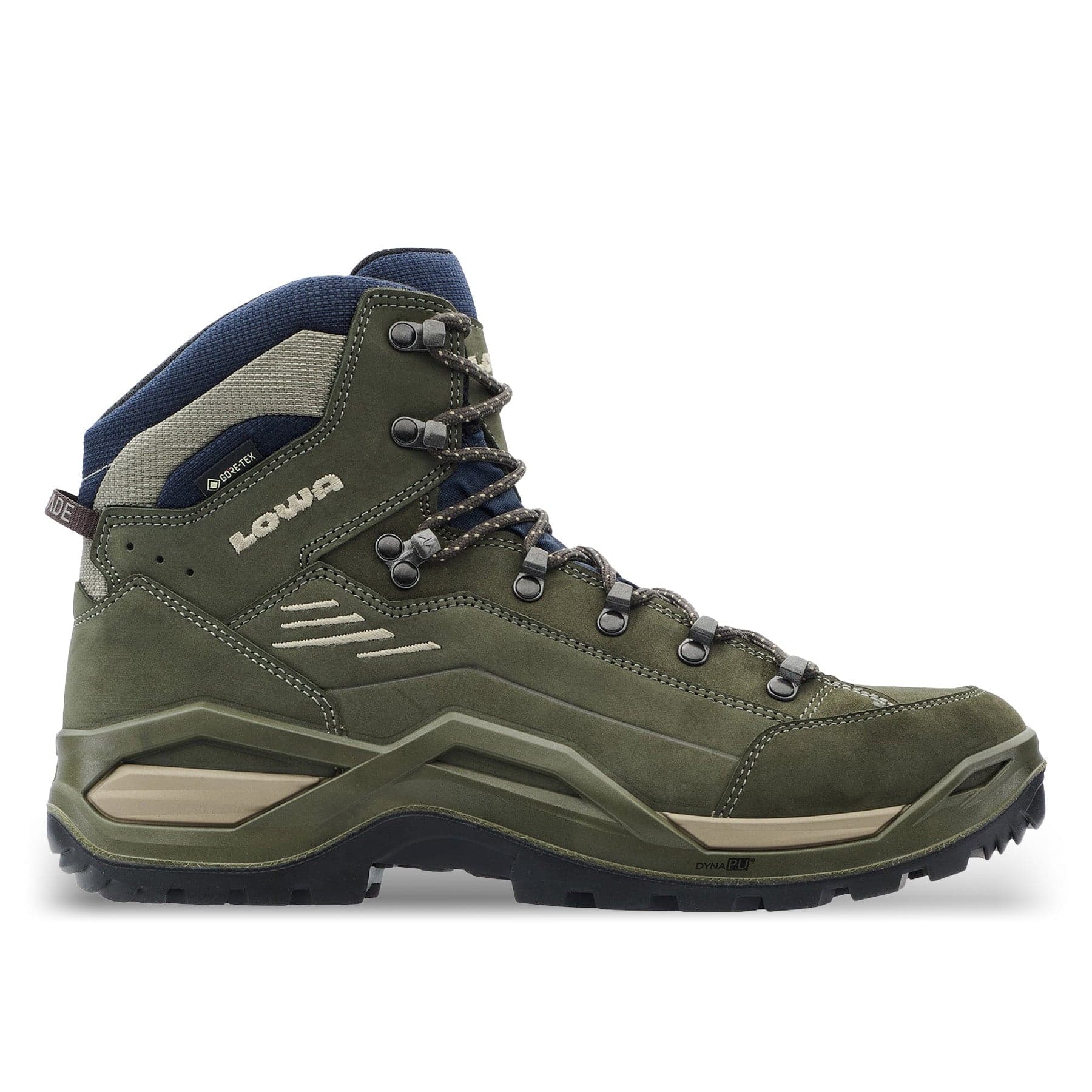
- You need a wide fit. There's no wide SKU on the Quest 5. Wide-footed hikers should look at the Lowa Renegade EVO GTX Mid, the Oboz Bridger, or the Keen Targhee IV instead.
How it compares
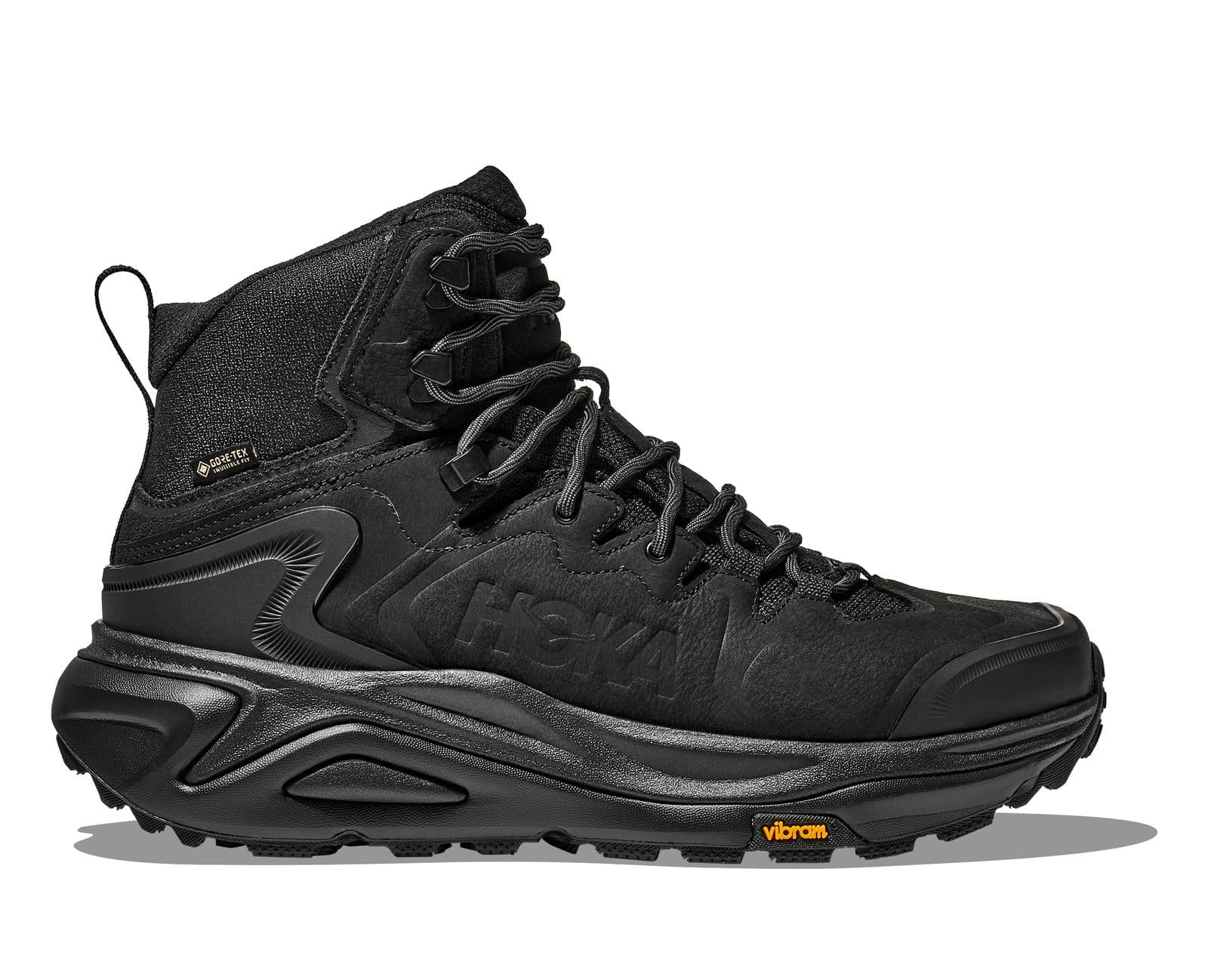
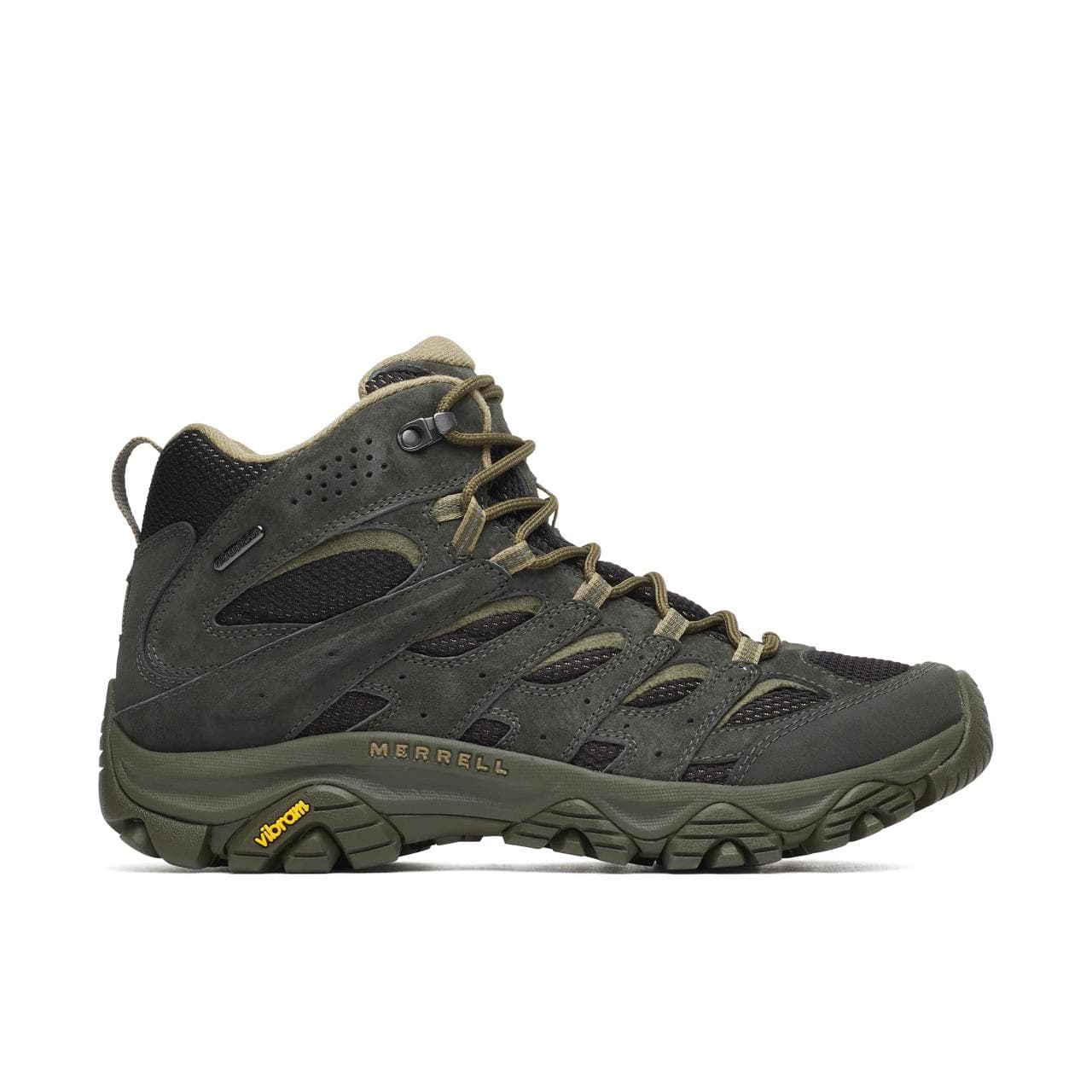
If the Quest 5's main appeal is stability under a heavy pack, the Hoka Kaha 3 GTX at rank two is the comfort-first counterargument — a thickly cushioned, rockered mid that OutdoorGearLab actually named its favorite overall men's hiking boot, trading some of the Quest 5's rigid support for a plusher ride on moderate miles. For hikers whose trips are mostly day hikes rather than multi-day backpacking, the Merrell Moab 3 Mid Waterproof at rank three costs $65 less, breaks in almost immediately, and is the boot Switchback Travel and OutdoorGearLab both reach for when comfort and value — not heavy-pack stability — are the job. The Quest 5 wins when the pack is heavy and the trail is technical; the Kaha 3 wins on comfort for moderate miles; the Moab 3 wins on price and easy break-in for everyday day hikes.
The Gavler verdict
A 9.4, and the score reflects a boot that does one thing better than anything else on this list: keeping you stable and sure-footed under real weight on real terrain. That's a narrower claim than "best hiking boot" in the abstract, but it's the correct claim — testers who praised its ankle support in the same breath called it overkill for casual trails, and that trade-off is the whole review. Buy the Quest 5 GTX if you're backpacking multi-day trips with a loaded pack on technical ground. Buy the Hoka Kaha 3 GTX instead if comfort on moderate miles matters more than maximum support, or the Merrell Moab 3 if your hikes are mostly easy day trips and $175 is the right number.
Common Questions
For multi-day backpackers carrying 30-40 pounds over rough terrain, yes. It ranks first on Gavler's Best Hiking Boots list with a 9.4, and OutdoorGearLab's testers call its ankle support 'freakishly good' under a loaded pack. If your hikes are mostly flat day trips, the same testers say the boot is overkill — the Merrell Moab 3 or Hoka Kaha 3 GTX are better matches for that use case.
Buy the Quest 5. The Quest 4 is the previous generation and some retailers still carry leftover inventory under Amazon listings like B08LG8ZZRL — those are a different boot with a different review history. The verified current listing is the Quest 5 (Amazon B0FP9MTRW4), and that's the boot this review, and Gavler's ranking, refer to.
It runs warmer than a non-waterproof boot, yes — that's the honest trade-off of sealed Gore-Tex, which keeps water out and heat in. On a hot, dry-climate day hike, it will feel like a capable boot that's also working harder than it needs to. It's a better match for multi-day trips where water crossings and unpredictable weather are the bigger risk than heat.
Buy the Quest 5 if you're carrying a heavy pack over technical, loose, or sidehill terrain — its 4D Advanced Chassis and deeper Contagrip lugs are built specifically for that stability. Buy the Kaha 3 GTX if your trips are moderate-mileage day hikes or light backpacking where long-day comfort matters more than maximum ankle support; OutdoorGearLab named it their favorite overall men's hiking boot for exactly that use case.
Where to Buy.
Prices checked regularly
90-day price history
Price History
Steady at $240 for the entire 90-day tracking window — no increases, no discounts, across 46 tracked days.
Tracked daily across retailers. Vote Want itabove and we’ll alert you the moment the price drops.
Some links are affiliate links — Gavler may earn a commission. This never affects rankings or scores. Learn more.
Precision Engineering
4D Advanced Chassis
Lateral support that stays planted on scree and sidehills with a 30+ lb pack. The reason this is a backpacking boot, not a day-hike mid.
Gore-Tex, Not a House Membrane
Seam-sealed GTX. Keeps creeks out and cooks feet on dry summer days — that trade is the product.
Lighter Than It Looks
About 1 lb 5 oz per boot on Salomon's card. Still heavier and taller than the X Ultra 5 Mid — by design.
Technical Specifications
The Scoreboard
OutdoorGearLab hands-on testing found 'freakishly good ankle support and total foot stability,' with sure footing under a heavy pack. The score reflects a boot built for load-hauling over agility — the same testers call it 'overkill for casual trails,' which is why day hikers rate it below backpackers.
Cast Your Vote
Do you think Salomon Quest 5 GTX deserves the #1 spot in Best Hiking Boots?
Global Critique
“The Salomon Quest 5 Gore-Tex offers freakishly good ankle support and total foot stability.”
“When we wore a heavy backpack, the result was the same: sure footing we could trust no matter the terrain.”
“While it's surprisingly lightweight for its level of protection, the boots are bulky and not particularly nimble, making them overkill for casual trails.”
More from Best Hiking Boots.
See how other top picks compare in this category.