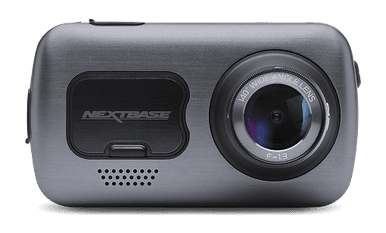
Nextbase 622GW.
Nextbase's flagship pairs pin-sharp 4K/30fps video with a rotating polarizing filter and what3words emergency SOS — TechRadar's long-running Editor's Choice.
The Verdict.
Gavler Meta-Score
“Five years on, the 622GW is still Nextbase's flagship and TechRadar's Editor's Choice because its 4K footage and rotating polarizing filter cut glare that trips up rivals. Buy it for the image quality and what3words emergency geolocation, not the app, which remains its weakest link. Skip it if you want dual 4K out of the box — the rear camera is a 1080p add-on sold separately.”
The Gavler Verdict
The Gavler Review.
Nextbase 622GW Review: Still the Sharpest Glare-Free 4K
The Nextbase 622GW sits at number three on our Best Dashcams list with a 9.1 — a five-year-old design that TechRadar still names Editor's Choice because its rotating polarizing filter cuts windshield glare in a way most rivals simply don't address. Buy it for image quality and the standalone what3words Emergency SOS geolocation feature; don't buy it expecting the newest sensor tech, or an app experience that matches the hardware.
What it actually is
Nextbase built the 622GW around an Ambarella H22 quad-core chipset paired with a six-layer f/1.3 lens, together capturing 4K footage at 30fps across a 140-degree field of view. Drop to 1080p and the camera unlocks a 120fps Super Slow Motion mode, purpose-built for freezing a fleeing license plate frame by frame rather than blurring through a fast-moving scene. The signature feature, though, is the removable polarizing filter: you rotate a bezel built into the front of the lens to physically cut reflections and glare off the windshield — a mechanical solution to a problem most competing dashcams still try to solve (imperfectly) in software.
Launched in 2020, the 622GW predates the Sony STARVIS 2 sensors that now anchor most premium dashcams, including its own newer sibling, the Nextbase iQ. That makes it the older platform in Nextbase's current lineup, but TechRadar's continued endorsement suggests the core image pipeline has aged better than the hardware generation gap alone would predict.
In use
TechRadar has kept the 622GW at the top of its best-dash-cams list for years, writing that "the new quad-core processor and six-layer f/1.3 lens team up to snare some truly impressive 4K footage." On the signature filter, the outlet was direct: "The firm has installed a removable polarizing filter, which allows drivers to rotate a bezel on the front of the lens to produce beautiful, glare-free footage." That's a specific, testable claim about a specific mechanism — not marketing language — and it's the reason the 622GW keeps earning its Editor's Choice tag even as newer sensors ship elsewhere.
The what3words Emergency SOS integration is the other headline feature, and TechRadar called it "very clever," noting its "ability to pinpoint a location and send it on to the emergency services in an instant." Nextbase's own spec sheet backs this up with real numbers: the system can pinpoint a stricken vehicle within three meters and summon help on connections as slow as 0.1Mbit/s, which matters in rural areas with poor signal. Alexa voice control rounds things out, letting drivers save a clip hands-free without reaching for the unit mid-drive.
The app is where the story turns. TechRadar's own assessment is blunt: "Granted, the Nextbase app isn't the easiest to use." That's consistent with Gavler's own scoreNote, which flags the MyNextbase app and Wi-Fi pairing as the recurring critique holding back an otherwise excellent product.
Where it shines
- Glare-free footage from a mechanical filter, not software processing. The rotating polarizing bezel is a genuinely useful feature that TechRadar singles out by name — most rivals either omit this entirely or bolt on an aftermarket clip-on filter.
- what3words Emergency SOS with real-world reliability numbers. Pinpointing a location within three meters and functioning on connections as slow as 0.1Mbit/s means it works in the rural dead zones where you'd need it most.
- 120fps Super Slow Motion for evidence-grade detail. Dropping to 1080p unlocks frame-by-frame clarity built specifically for reading a fast-moving license plate, a feature most competitors don't offer at all.
The trade-offs — who should skip it
- You want the newest sensor generation. The 622GW launched in 2020 and still uses pre-STARVIS 2 hardware. If raw low-light sensor performance is your top priority, Nextbase's own Nextbase iQ and rivals like the Thinkware U3000 run newer Sony STARVIS 2 sensors.
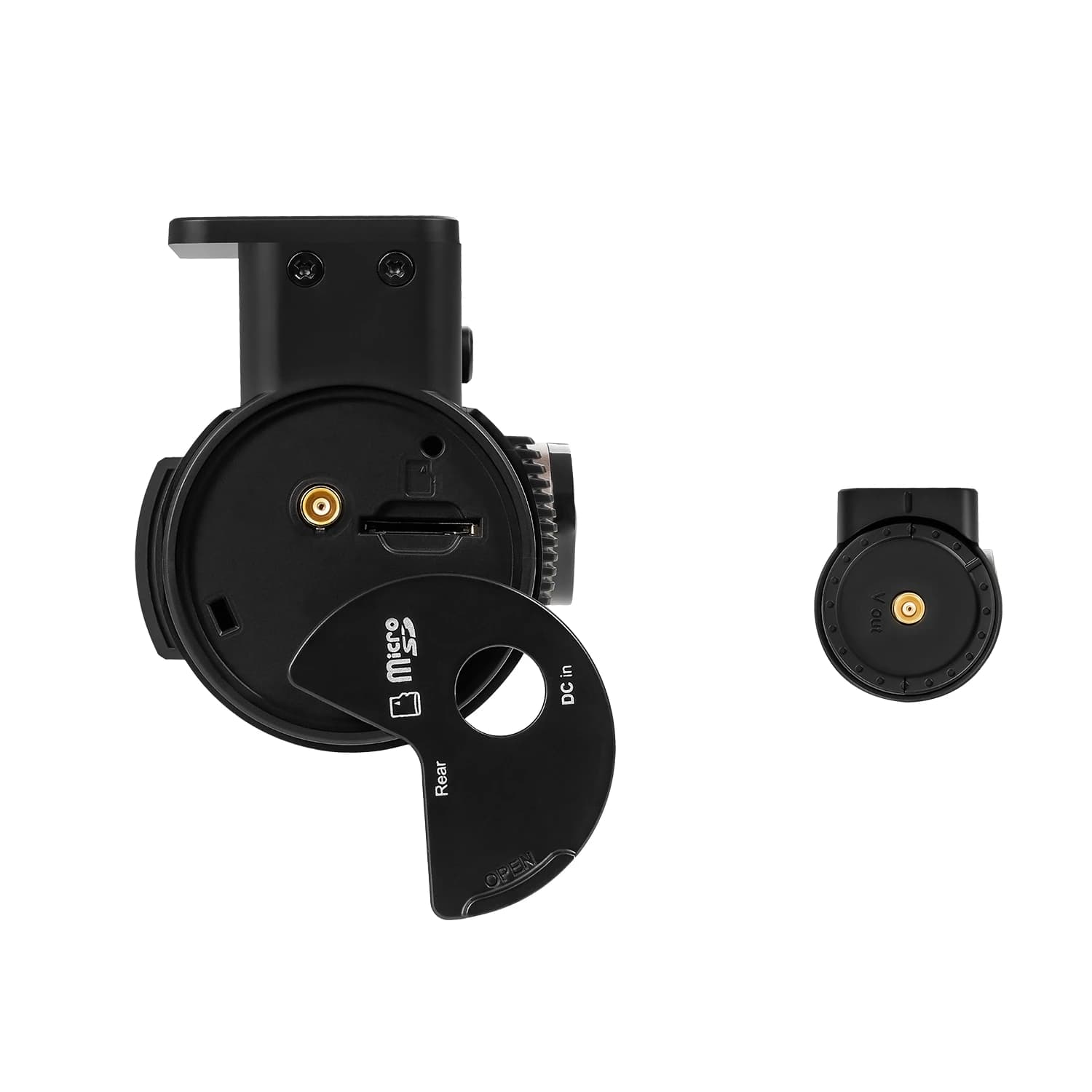
- You want dual-channel recording out of the box. The rear camera is a 1080p module sold separately, and it needs its own wiring run — budget extra money and an extra install step if you want the second angle.
- You're picky about companion apps. Both TechRadar and Gavler's own data flag MyNextbase's app and Wi-Fi pairing as fiddly. If a smooth phone experience matters as much as the footage itself, this isn't the strongest pick in the category.
- You don't want to buy a memory card separately. The 622GW wants a 128GB U3 microSD card that isn't included in the box.
How it compares
Against its own newer sibling, the Nextbase iQ, the 622GW is the simpler, cheaper, subscription-free choice — the iQ adds always-on 4G connectivity, live remote viewing, and cloud backup, but gates most of that behind a monthly fee and skips the 622GW's polarizing filter entirely, an odd omission TechRadar noted on the newer flagship. Against the Thinkware U3000, the comparison flips: Thinkware's newer STARVIS 2 sensor and built-in ADAS collision warnings are meaningful advantages for a driver who wants a safety net, while the 622GW counters with its glare-cutting filter and a five-year track record of consistent top rankings from TechRadar specifically.
The Gavler verdict
A 9.1 for a dashcam that has earned its longevity the hard way — through consistently sharp, glare-free footage rather than a spec sheet refresh. The rotating polarizing filter remains a genuinely differentiated feature five years on, and the what3words Emergency SOS system backs its marketing with real, testable reliability numbers. The honest caveat is the app, which both TechRadar and Nextbase's own newer products haven't fully fixed. If you want the sharpest glare-free image quality without a subscription, the 622GW still earns its Editor's Choice tag. If you want the newest sensor generation or built-in collision warnings, look at its own newer stablemates instead.
Common Questions
Yes, for drivers who prioritize image clarity above all else. It sits at number three on Gavler's Best Dashcams list with a 9.1, and TechRadar has kept it at the top of its own best-dash-cams list for years running as an Editor's Choice, praising its glare-free footage from the rotating polarizing filter. It's a 2020 design, so it predates the Sony STARVIS 2 sensors newer rivals use, and the MyNextbase app remains its weakest point.
No — the rear camera is a 1080p module sold separately and needs its own wiring run to the front unit. Budget for that add-on if you want a dual-channel setup out of the box.
It's a removable filter you rotate via a bezel built into the front of the lens, and TechRadar specifically credits it for producing beautiful, glare-free footage — a feature most rival dashcams leave out entirely or require as an aftermarket accessory.
Buy the 622GW if you want the sharpest glare-free footage for the least ongoing cost — it's a one-time purchase with no subscription. Buy the Nextbase iQ instead if you want always-on 4G connectivity, live remote viewing, and cloud backup, and you're willing to pay a monthly fee for those features.
Where to Buy.
Prices checked regularly
90-day price history
Price History
Steady at $279 for the entire 90-day tracking window — no increases, no discounts, across 90 tracked days.
Tracked daily across retailers. Vote Want itabove and we’ll alert you the moment the price drops.
Some links are affiliate links — Gavler may earn a commission. This never affects rankings or scores. Learn more.
Precision Engineering
Ambarella H22 4K/30fps
A quad-core H22 chipset and six-layer f/1.3 lens capture pin-sharp 4K; drop to 1080p for 120fps Super Slow Motion to freeze a fleeing plate.
Rotating Polarizing Filter
A removable filter you rotate via a bezel on the lens cuts windshield glare and reflections — a built-in feature reviewers single out.
what3words Emergency SOS
Pinpoints your location within three meters and can alert emergency services on connections as slow as 0.1Mbit/s; one-year trial, then subscription.
Technical Specifications
The Scoreboard
TechRadar names it Editor's Choice and the long-running top pick in its best-dash-cams list for image quality; the recurring critique is the MyNextbase app and Wi-Fi pairing, plus a rear camera that costs extra.
Cast Your Vote
Do you think Nextbase 622GW deserves the #3 spot in Best Dashcams?
Global Critique
“The new quad-core processor and six-layer f/1.3 lens team up to snare some truly impressive 4K footage.”
“The firm has installed a removable polarizing filter, which allows drivers to rotate a bezel on the front of the lens to produce beautiful, glare-free footage.”
“The what3words integration is very clever, and has the ability to pinpoint a location and send it on to the emergency services in an instant.”
“Granted, the Nextbase app isn't the easiest to use.”
More from Best Dashcams.
See how other top picks compare in this category.
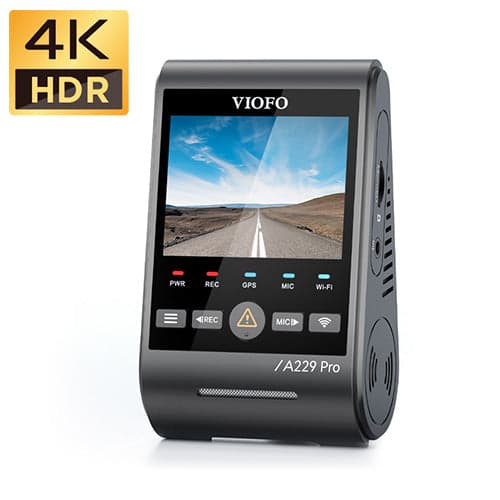
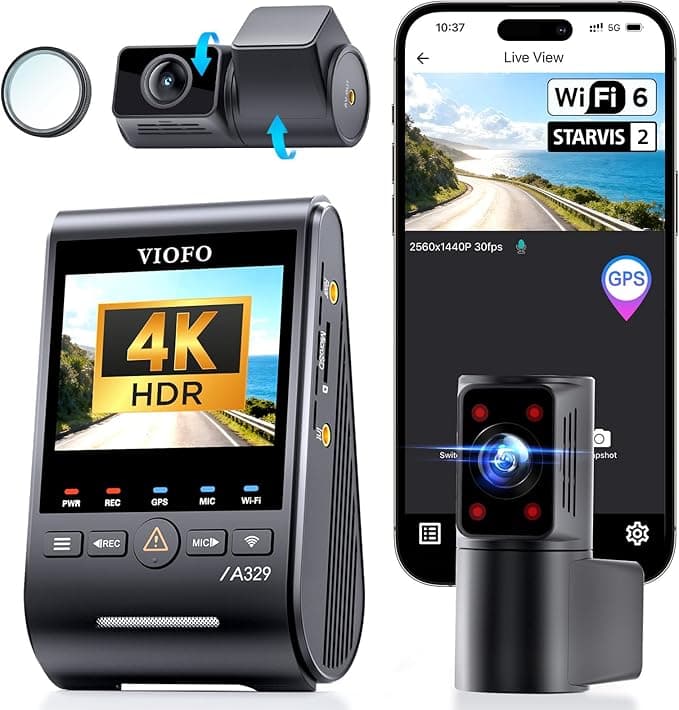
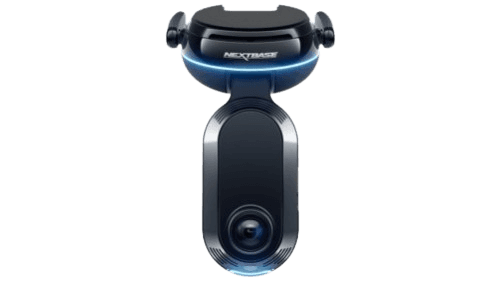
Before You Buy a Dashcam: One Camera or Three?
4K stickers and brand badges are the wrong first question. Single vs dual vs three-channel is the install. Then shop Gavler's live ranking.
The Best Dashcams in 2026, Ranked by People Who Actually Use Them
BlackVue, Viofo, Garmin, Thinkware. Gavler's drivers rank the dashcams worth installing — by image quality, parking mode, and reliability.