The Verdict
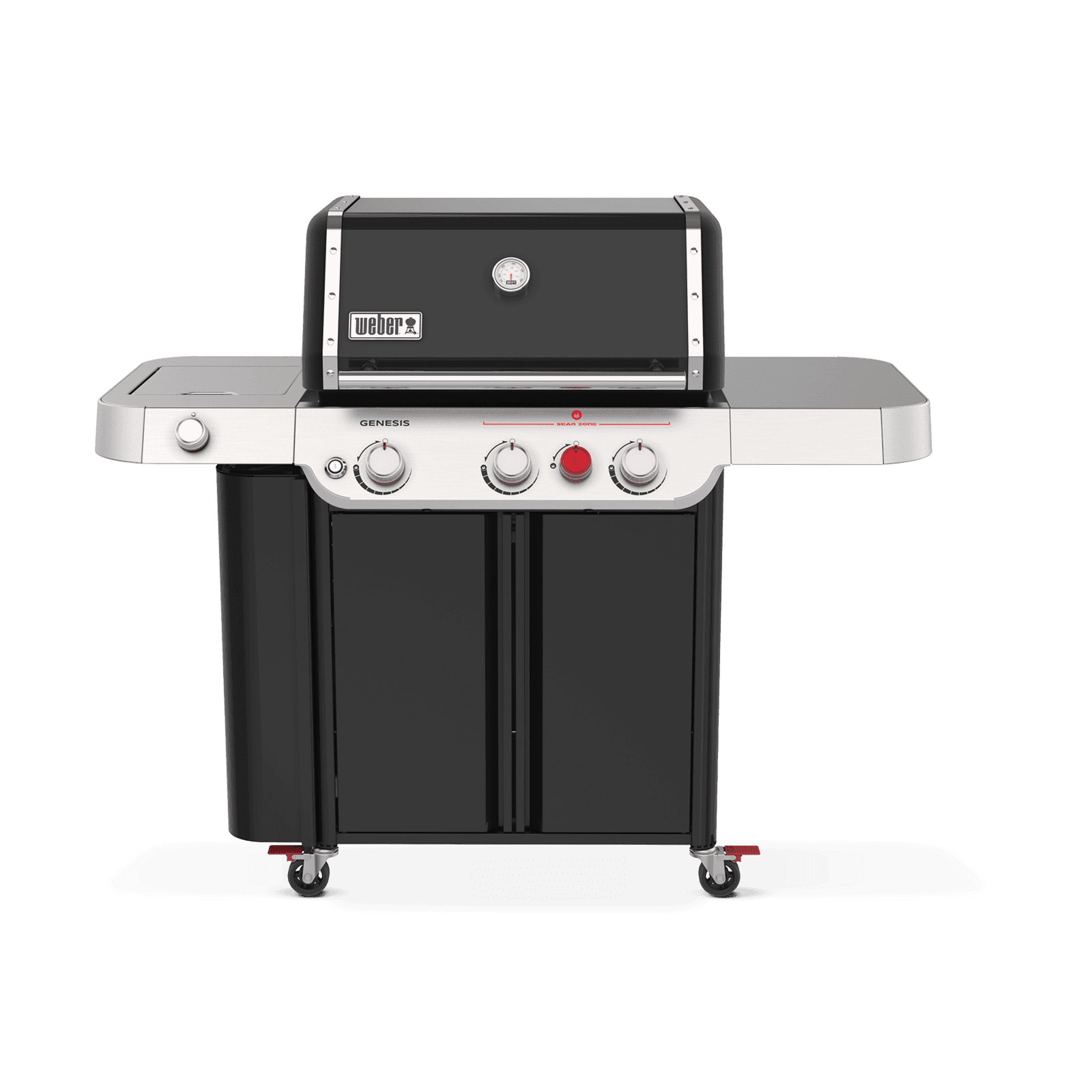
“Consensus mid-tier #1 — 39,000 BTU across 513 sq in, dedicated sear zone, 12,000 BTU side burner, PureBlu tapered burners.”
0% STABLE
Gas grills ranked — freestanding, premium, budget, and built-in picks.

“Consensus mid-tier #1 — 39,000 BTU across 513 sq in, dedicated sear zone, 12,000 BTU side burner, PureBlu tapered burners.”
0% STABLE

“Premium 4-burner with 1,800°F infrared sizzle zone and 18,000 BTU rear rotisserie burner. 304 stainless build, 82,000 BTU total.”
0% STABLE

“Wirecutter best overall 2026 — 4 burners with sear zone for $679. Sweet-spot pick for buyers who want one grill that does everything.”
0% STABLE

“5-burner, 55,000 BTU, 875 sq in. 1,700°F infrared side burner and rotisserie kit included. 10-year burner warranty.”
0% STABLE

“Entry-level Weber — 3 burners, 30,000 BTU. The default recommendation under $600 for buyers who want Weber reliability.”
0% STABLE

“Premium flagship — 5 burners, 60,000 BTU, 644 sq in, integrated smoker box, sear station, infrared rotisserie.”
0% STABLE

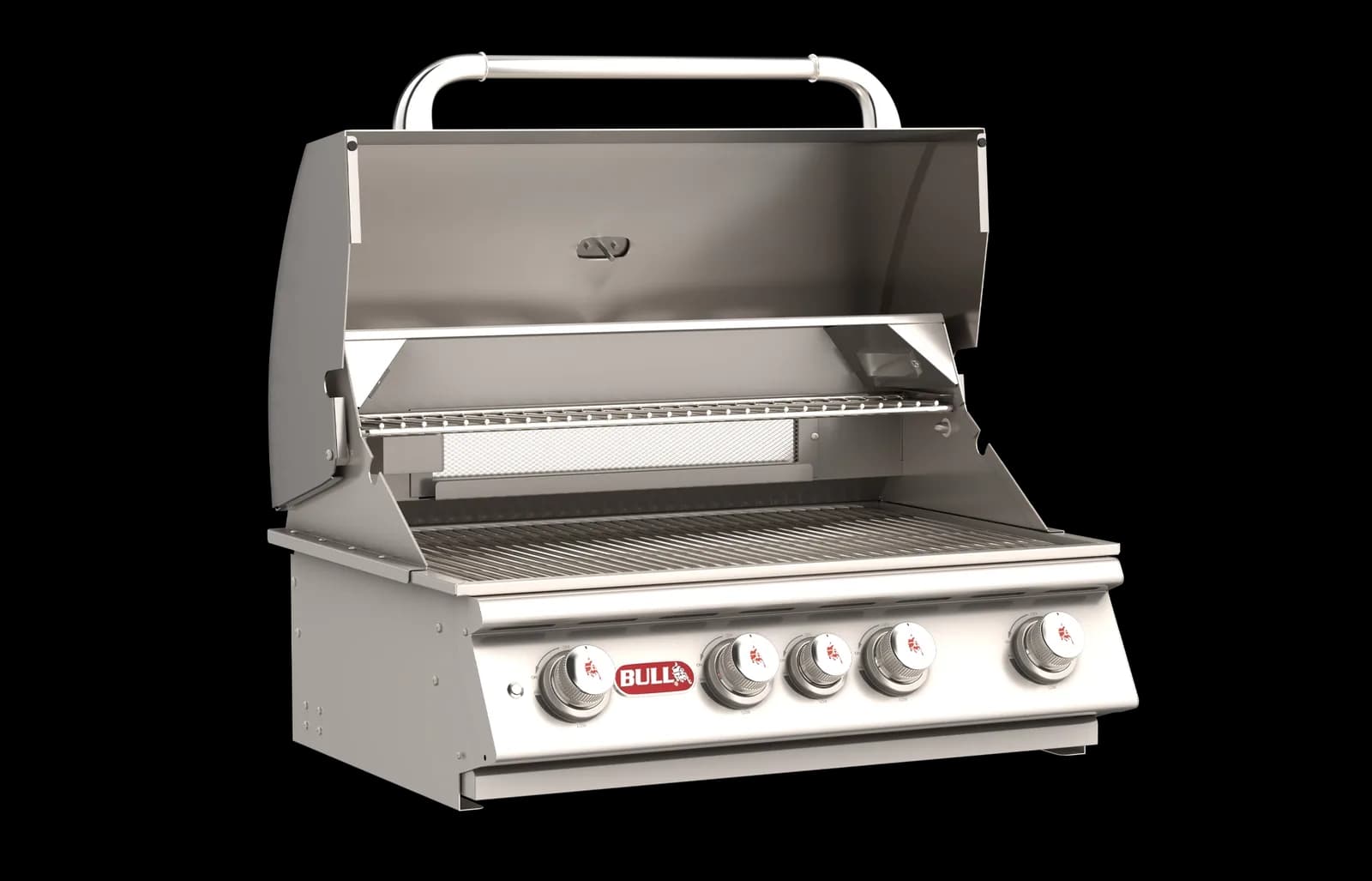
“Best built-in — 75,000 BTU across 4 burners + 15,000 BTU rear infrared. 16-gauge 304 stainless. Lifetime firebox/burner warranty.”
0% STABLE

“Entry built-in — 18-gauge 304 stainless, two cast Infinity burners, 40,000 BTU. Hand-welded firebox; outdoor-kitchen-ready.”
0% STABLE

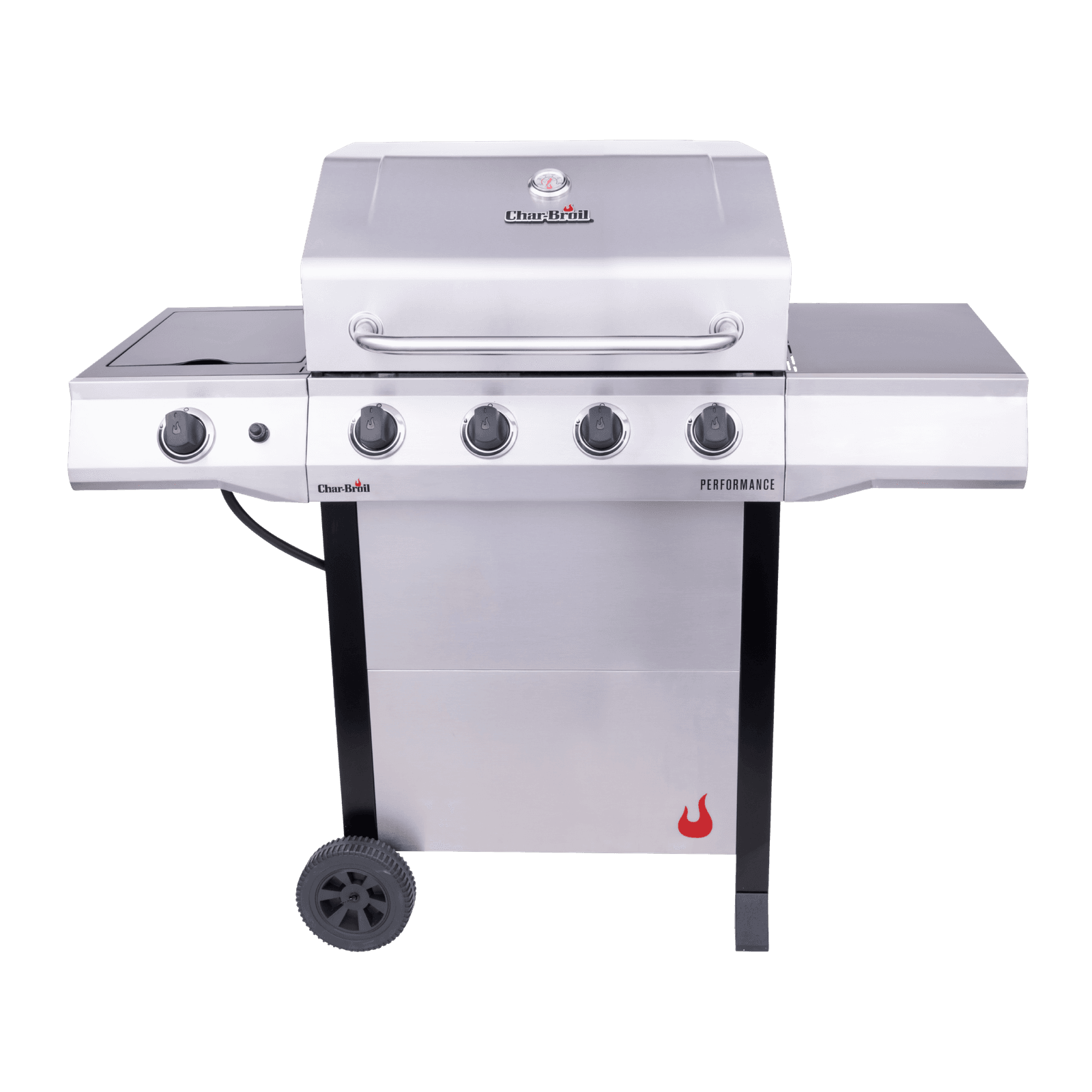
“Best budget cart — 4 burners, 36,000 BTU, 475 sq in. Side burner, electronic ignition. Reliable starter grill under $500.”
0% STABLE

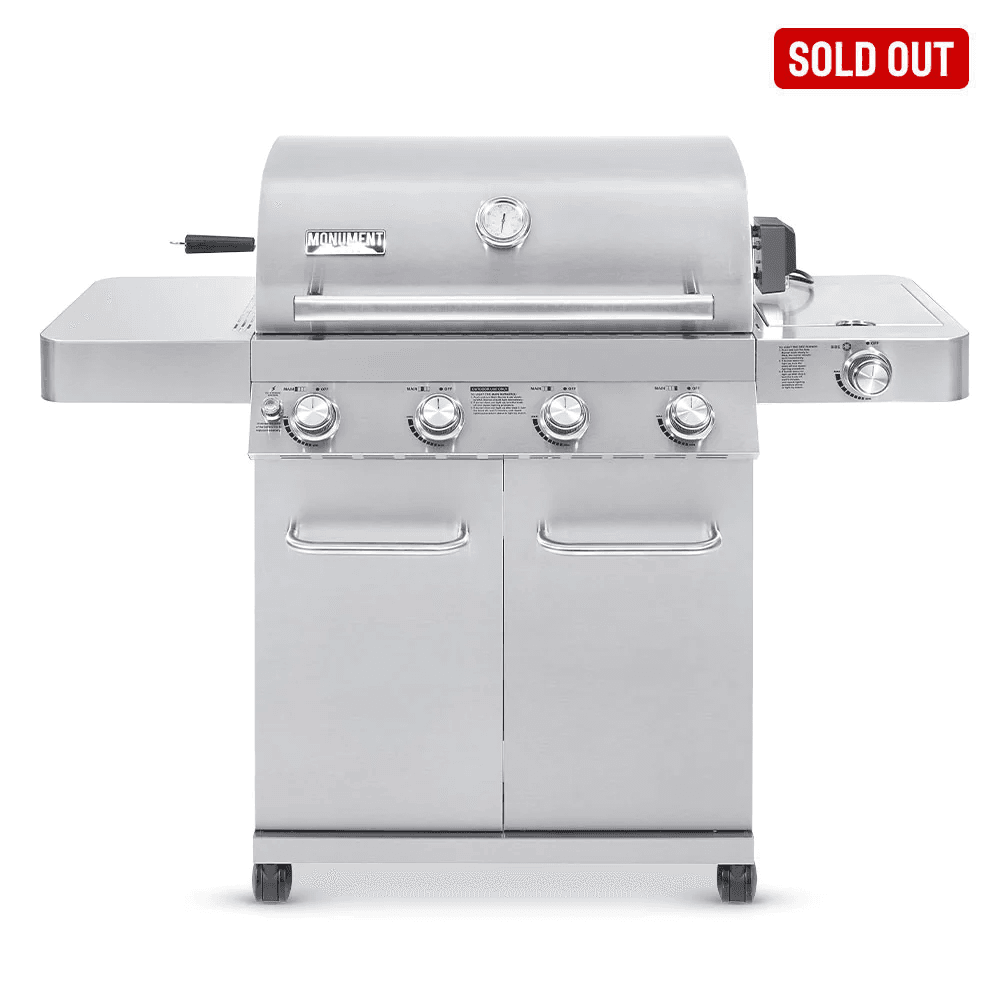
“Ultra-budget pick — 4 stainless burners, 60,000 BTU, 510 sq in primary. Best output-per-dollar in the budget tier.”
0% STABLE
BTU output matters less than heat distribution and cooking area. A 30,000-40,000 BTU grill across 400-550 square inches is the sweet spot for most families — enough to sear steaks at 600°F-plus while running indirect zones for slower cooks. Pure BTU numbers can be misleading: the Weber Genesis E-335 (39,000 BTU) outperforms many 50,000+ BTU competitors because Weber's burner spacing and flavorizer-bar design distribute heat far more evenly. Look for under 25°F temperature variance across the grates, not just total BTU.
For most buyers, yes. Weber's 10-year warranty covers burners, grates, and the cookbox — versus 3-5 year warranties from most competitors — and resale value holds 60-70% after five years. The Spirit E-425 at $679 outperforms most $1,000 grills in head-to-head testing (Wirecutter's #1 of 2026), and the Genesis E-335 at $1,199 is the benchmark every mid-tier grill is measured against. If your budget is under $500 and you grill occasionally, a Char-Broil Performance 475 or Monument Mesa is the smarter buy; if you grill weekly and want a decade of service, Weber's premium is justified.
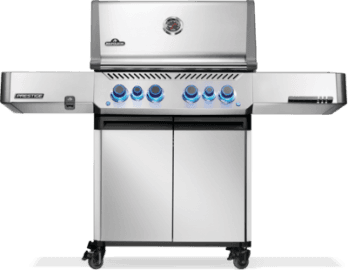
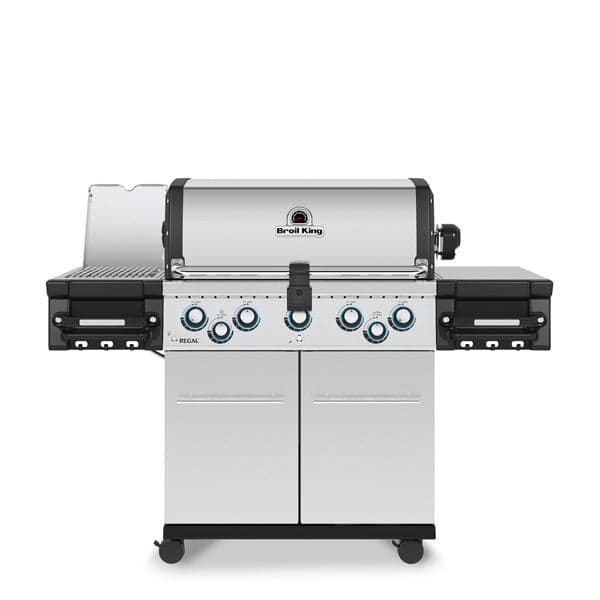
An infrared sear burner is a ceramic or stainless-mesh element that radiates intense direct heat at 1,500-1,800°F — hot enough for steakhouse-grade Maillard crust in 60-90 seconds per side. The Napoleon Prestige 500 RSIB and Broil King Regal S590 Pro IR both include one. They are excellent for steak, lamb chops, and reverse-sear finishes; less useful for chicken, vegetables, or low-and-slow cooking. If you cook steak more than once a month, an infrared sear zone is worth the $200-400 premium. If you mostly grill burgers and chicken, a standard high-output burner is sufficient.
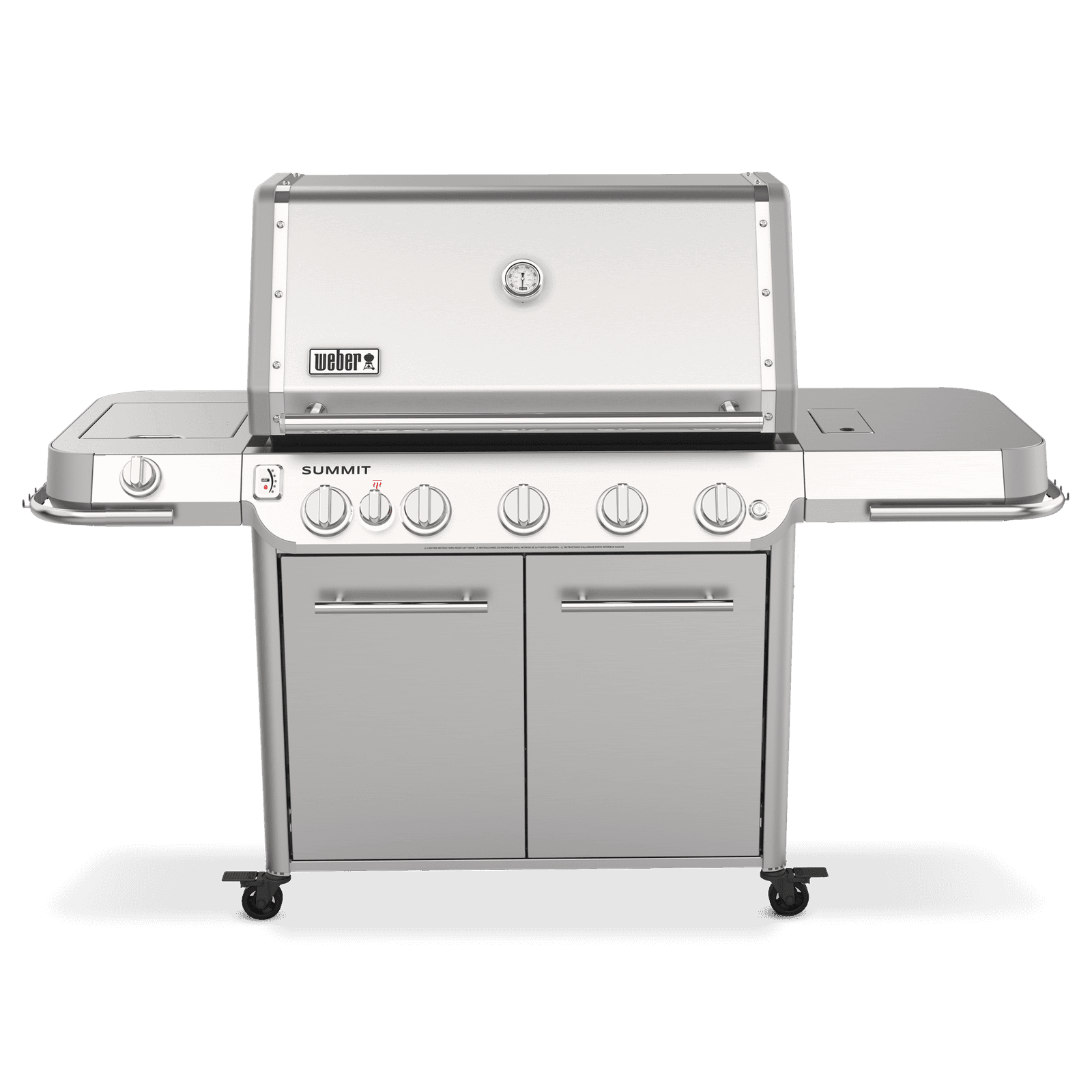
Budget grills ($300-500) like the Char-Broil Performance 475 or Monument Mesa handle weekly family cooking but use thinner steel that warps within 3-5 years. Mid-range ($600-1,200) is the value sweet spot — the Weber Spirit E-425 and Genesis E-335 deliver near-premium build at half the price of luxury options. Premium ($1,500-3,000) like the Napoleon Prestige 500 RSIB, Broil King Regal S590 Pro IR, and Weber Summit FS38-S add infrared sear zones, side burners, rotisserie kits, and 304-grade stainless that genuinely lasts a decade-plus. For most households, $700-1,200 is the right tier.
Propane (LP) grills are portable, work anywhere, and are the default for most buyers — refill tanks at hardware stores for $20-25 every 15-20 hours of cook time. Natural gas (NG) grills connect to your home's gas line, never run out mid-cook, and cost ~30% less per BTU long-term — but they require a permanent gas hookup ($200-500 plumber install) and you cannot move the grill. Most Weber, Napoleon, and Broil King models in this list are available in both LP and NG variants; the LP version is shown here. If you grill weekly at the same patio location, NG pays back the install cost within 2-3 years.
Rankings combine expert review aggregation with community voting. Each grill receives a Gavler Score (out of 10) based on professional reviews from Wirecutter, Consumer Reports, AmazingRibs, BBQGuys, and Tom's Guide evaluating heat distribution, build quality, sear performance, warranty, and value. Community members cast one vote per list, so rankings reflect both expert consensus and real-owner preference across Weber, Napoleon, Broil King, Char-Broil, and Monument across the $300-3,000 price range.
Think a product deserves a spot on this list? Submit a formal proposal with documented specs and the community will review it.